2013 – History of the Desjardins Area and the Urquhart Butterfly Garden

Hummingbird, by Michelle Sharp

Hummingbird, by Michelle Sharp

On Thursday September 5th at 6 pm, at Urquhart Butterfly Garden, there will be a free workshop at the Garden on the  “History of the Desjardins Area and the Urquhart Butterfly Garden“, presented by Stan Nowak of the Dundas Valley Historical Society, and Joanna Chapman coordinator of the Urquhart Butterfly Garden.


Centennial Park sits on the site of the old Port of Dundas, and the Desjardins Canal, was once a busy shipping route and the key to Dundas’ economy. Stories of the area’s industrial past live on in the landscape, and Stan will draw on his vast knowledge of local history to vividly explain the story of the canal. 
The history and impetus  for the Urquhart Butterfly Garden is one that few people know.  Joanna Chapman, has been the coordinator of the project since the beginning, and will reveal the strange story behind the creation the Municipal Butterfly Garden for Dundas, and also why the particular location was selected. 
In the event of rain this session will be held inside at the Air Force Club, next to Centennial Park.
The Summer Education Series is funded by the Dougher Fund of the Hamilton Community Foundation.
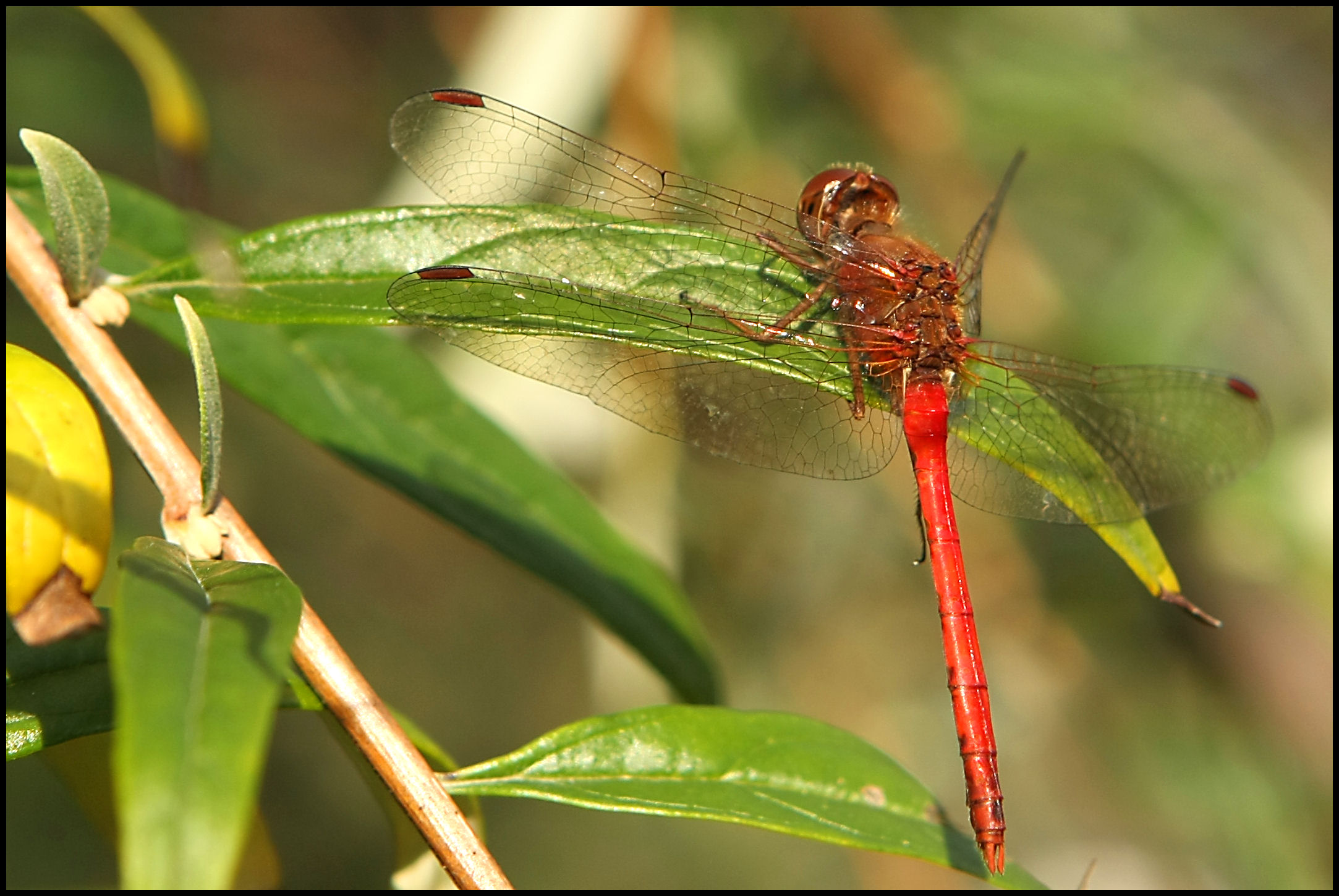
2013 – Learning Dragonflies and Damselflies

Ruby Meadowhawk Dragonfly, by Ron Rowan

Ruby Meadowhawk Dragonfly, by Ron Rowan

On Sunday, August 25th, at 2pm, we are hosting a free workshop called “Learning Dragonflies and Damselflies”. This event will be presented by Brenda van Ryswyk and is part of the UBG’s Summer Education Series.

Dragonflies and Damselflies, or Odonates, are powerful hunters, performing amazing feats of aerial agility to gobble up scores of smaller insects. Their life cycle is fascinating, beginning underwater before crawling to land, shedding their skins, and taking to the air.

We are fortunate to have an amazing diversity of these creatures in the garden.  Brenda van Ryswyk is a Natural Heritage Ecologist with Conservation Halton, and in this session, she will teach participants how to observe and identify Odonates, and help us learn to recognize some of the most common species in our area.

2013 – Working with Nature: An introduction to Chemical-free Gardening

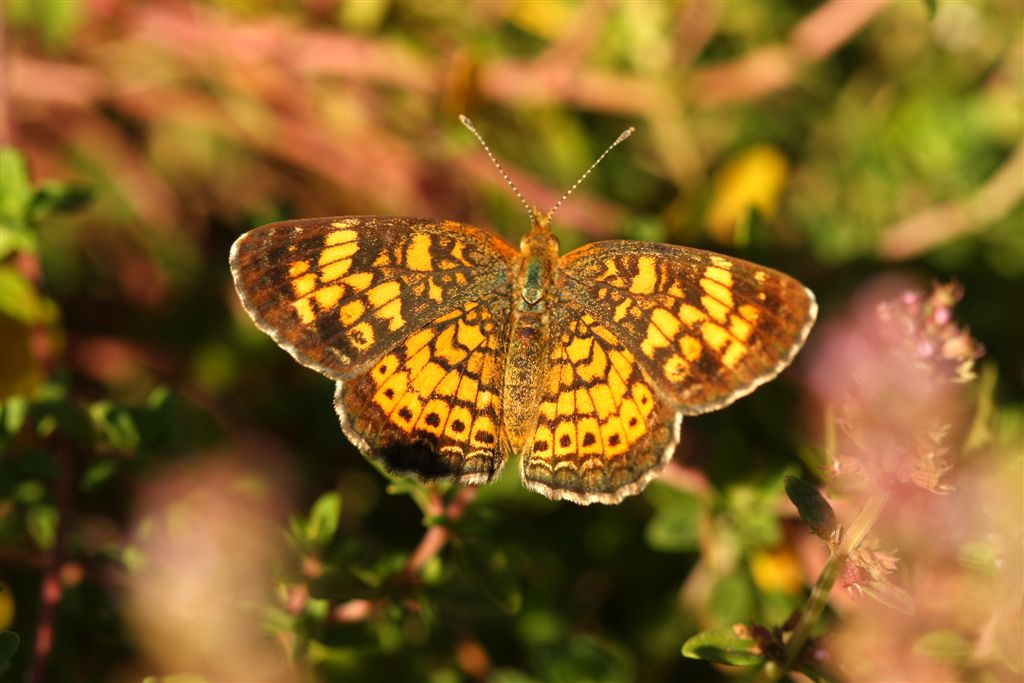
Pearl Crescent, by Ron Rowan

Pearl Crescent, by Ron Rowan

On Thursday August 22nd at 6pm, the Urquhart Butterfly Garden is hosting a presentation on how to help our gardens thrive without using chemicals as part of our Summer Education Series

The Urquhart Butterfly Garden is an ideal location for a workshop on organic growing. The garden has been chemical-free for the whole twenty years of its existence, serving as an example of what can be achieved when you garden with nature, not against her. Particularly this year, when we are all witnessing such a dramatic decline in the populations of Monarch Butterflies and Honey Bees, we should all be asking ourselves what we can do to make out gardens inviting for these beneficial insects.

This workshop will be conducted by Sapphire Singh, the chair of the local chapter of the Canadian Organic Growers. In addition to her role with the COG, Sapphire Singh is the Presentation Co-ordinator with the Hamilton Farmers’ Market and a long-time environmental activist. Using the UBG as an example, she will offer the public some simple tricks for building healthy soil, managing weeds, and dealing with pests, all without resorting to chemical fertilizers or pesticides.


2013 – Exploring Medicinal Herbs: A guided tour of the UBG

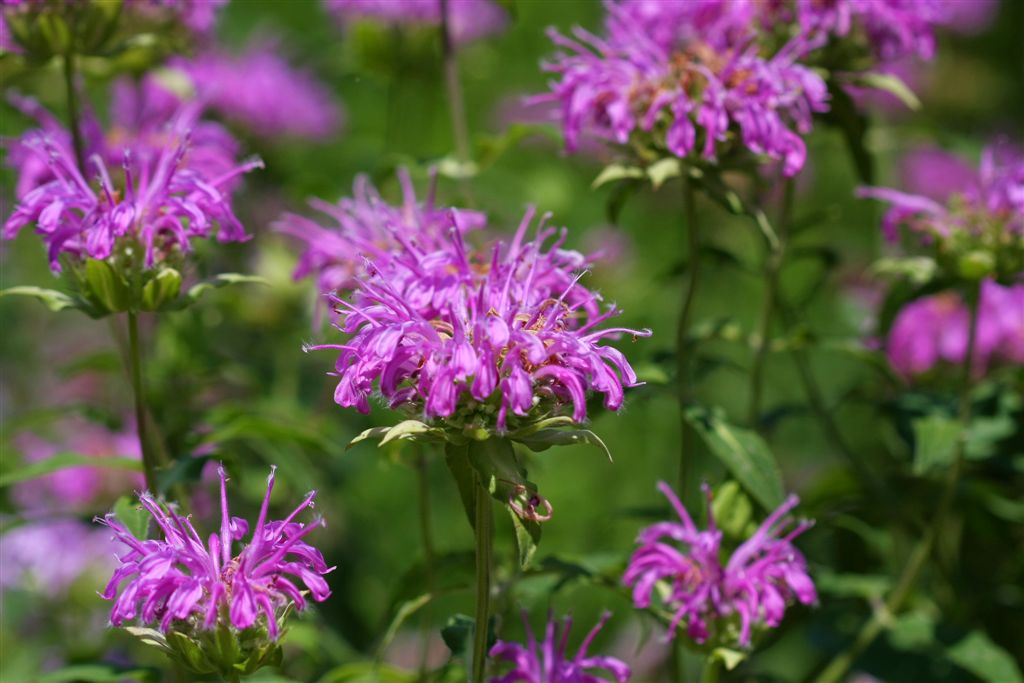
Bee Balm flower

Bee Balm flower

This Thursday, August 15th, at 6pm, we invite you to join us in the Urquhart Butterfly Garden to explore the medicinal uses of the plants that grow there with herbalist Julia Hitchcock. Although the UBG is planted with the intention of creating habitat for insects and birds, many of the plants growing there are useful for human health as well.

To use plants as medicine, we must begin by getting familiar with them, and our capacity to work with them grows as our knowledge of them does. From the biggest tree to the smallest weedy herb, we have much to gain by spending time identifying and looking closely at plant-life.

Julia Hitchcock is an organic farmer of veggies, herbs, fruit and
flowers. She has been studying herbs and making and using medicines
for more than five years. Her teachers include Rosemary Gladstar and
Michael Virtolli.