Below are all the entries for the 2020 contest. With hundreds of beautiful entries, it was a difficult decision for the judges. Thanks to all for participating and sharing your unique experiences in the Garden. Click any photo to enter a slideshow and see photographer and species details.
Some photos were received featuring Canal Park and could not be sent to the judges. Thank you to all for sharing. Click any photo to enter slideshow and view details.
Two weeks left to take your photos and enter the contest! Photos must be taken from the paths of the Urquhart Butterfly Garden between July 17 and September 8, 2020.
Read the rules carefully and submit all the required information. Please submit photos without watermarks. Good luck!
Seen In the Gardenis a snapshot of a few of the creatures and plants spotted on a particular day at a specific time. It in no way represents all the wonderful wildlife that could be seen throughout the day!
Michelle Sharp visits the Urquhart Butterfly regularly, usually every day. She spends about an hour meandering through the paths, and takes photos of many of the things that catch her eye. Most of the photos on the site will be hers. Michelle designed all the Urquhart Butterfly Garden signage, posters, and brochures – in fact everything! Added to her design abilities, Michelle is a keen amateur photographer & naturalist.
This year, two other photographers have been contributing to “Seen in the Garden”: Ken Kerr and Mark Williams. Both visit the Garden frequently and have added some great shots of interesting creatures. Many thanks to all for sharing their photos.
Click to enlarge each photo to observe the details.
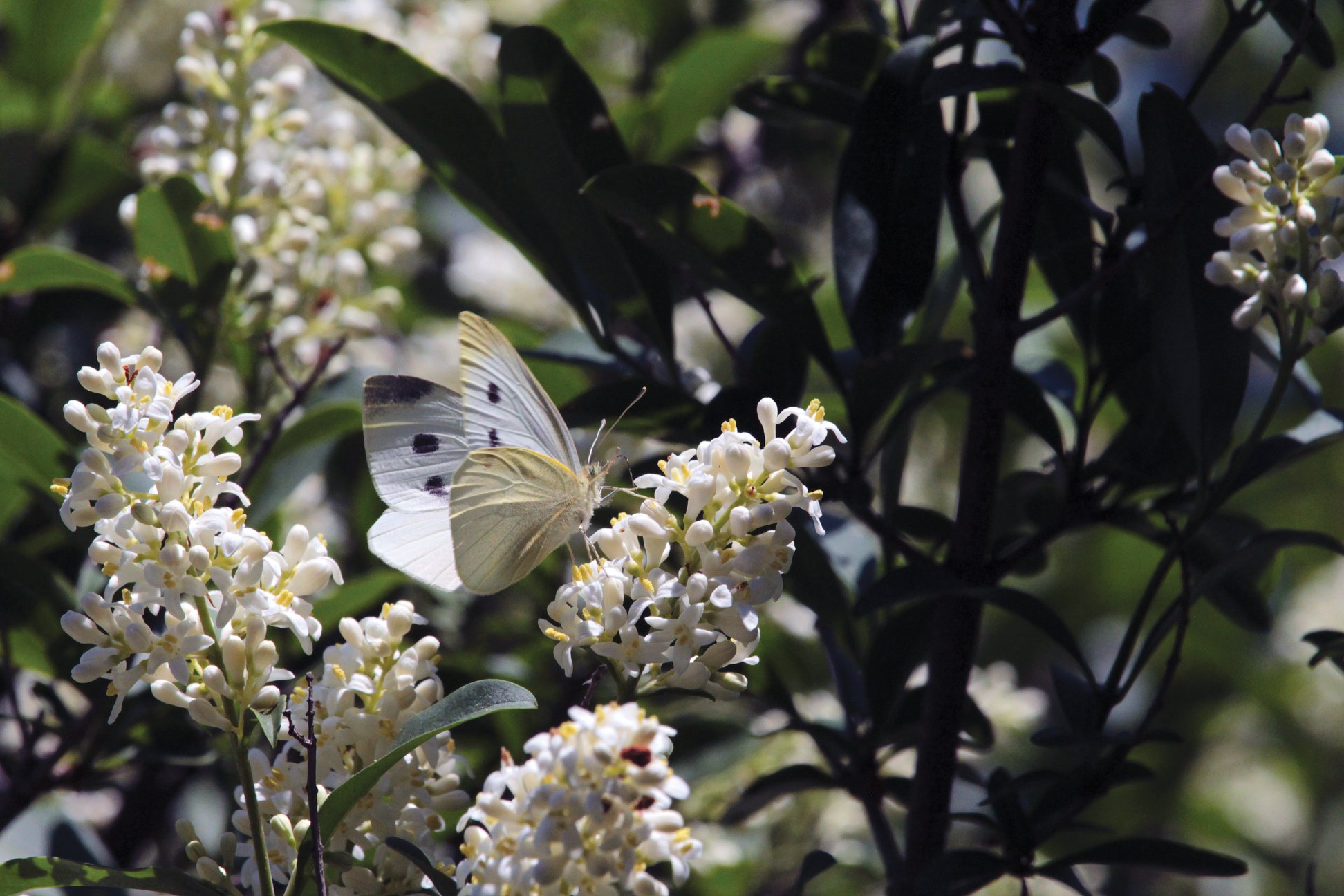
Cabbage white on Verbena September 25, 2020 Photo by Michelle Sharp
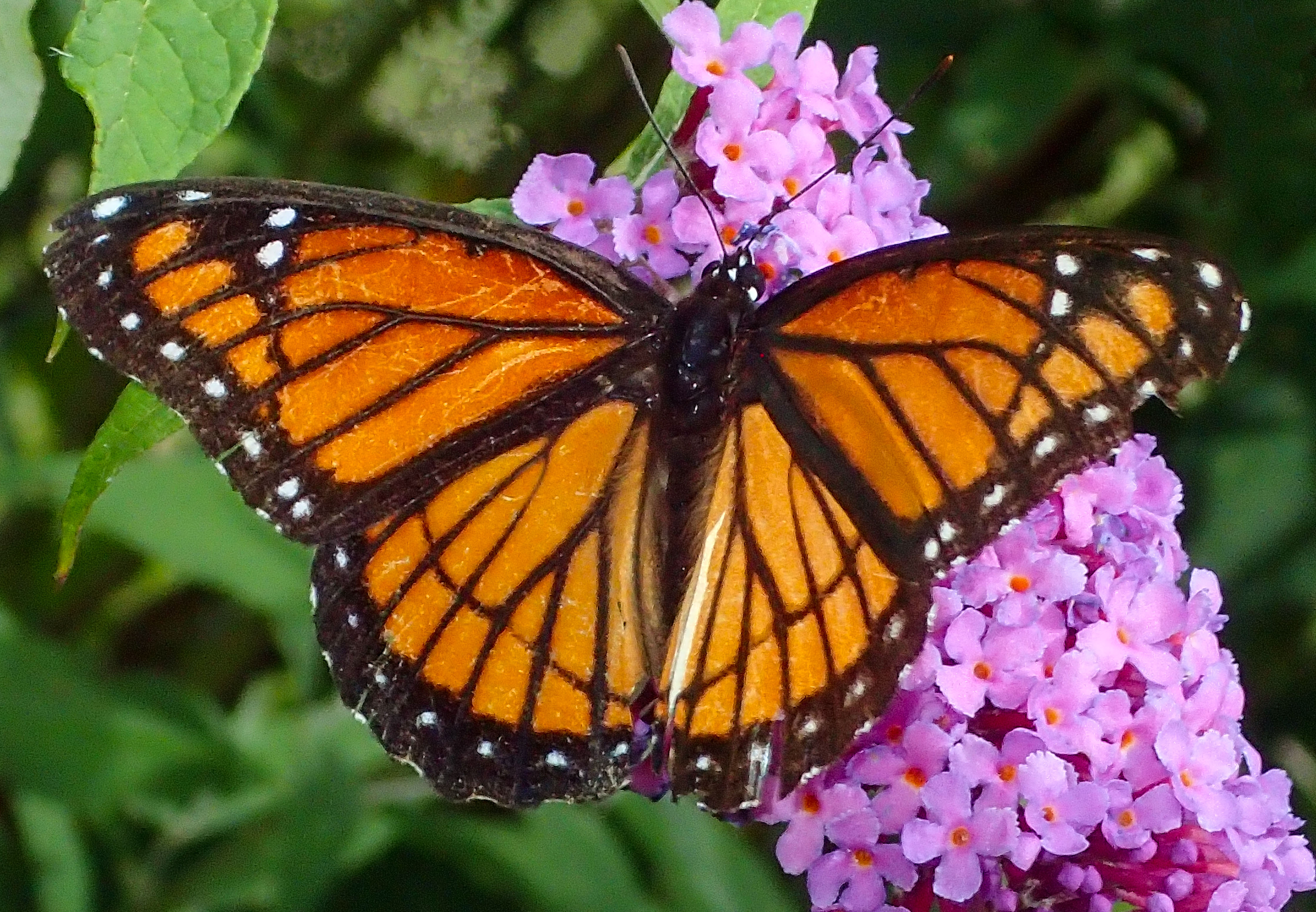
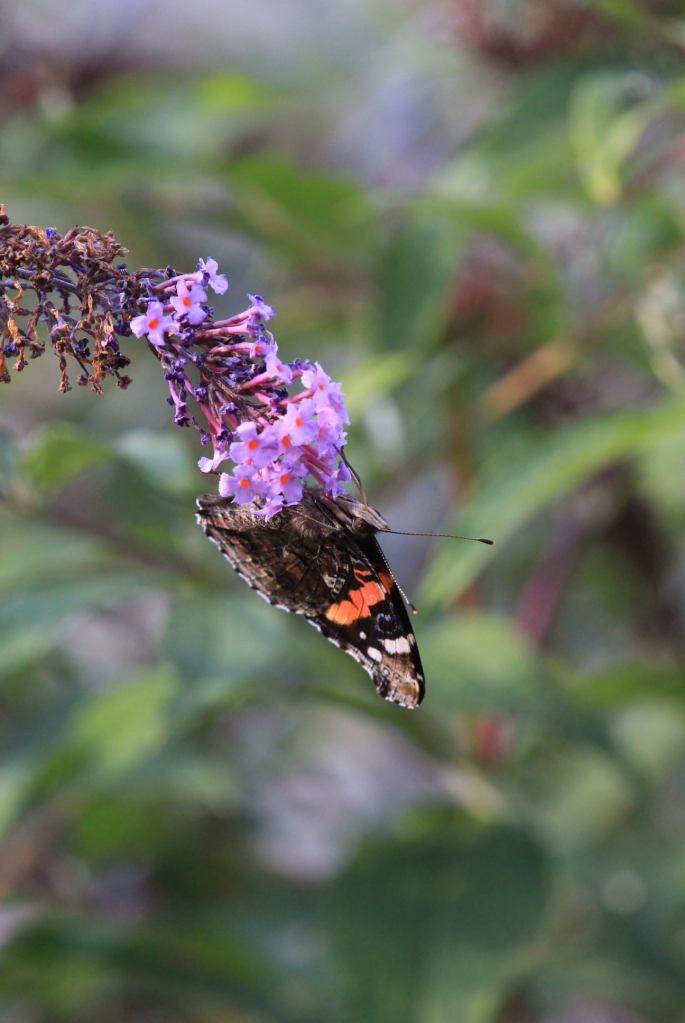
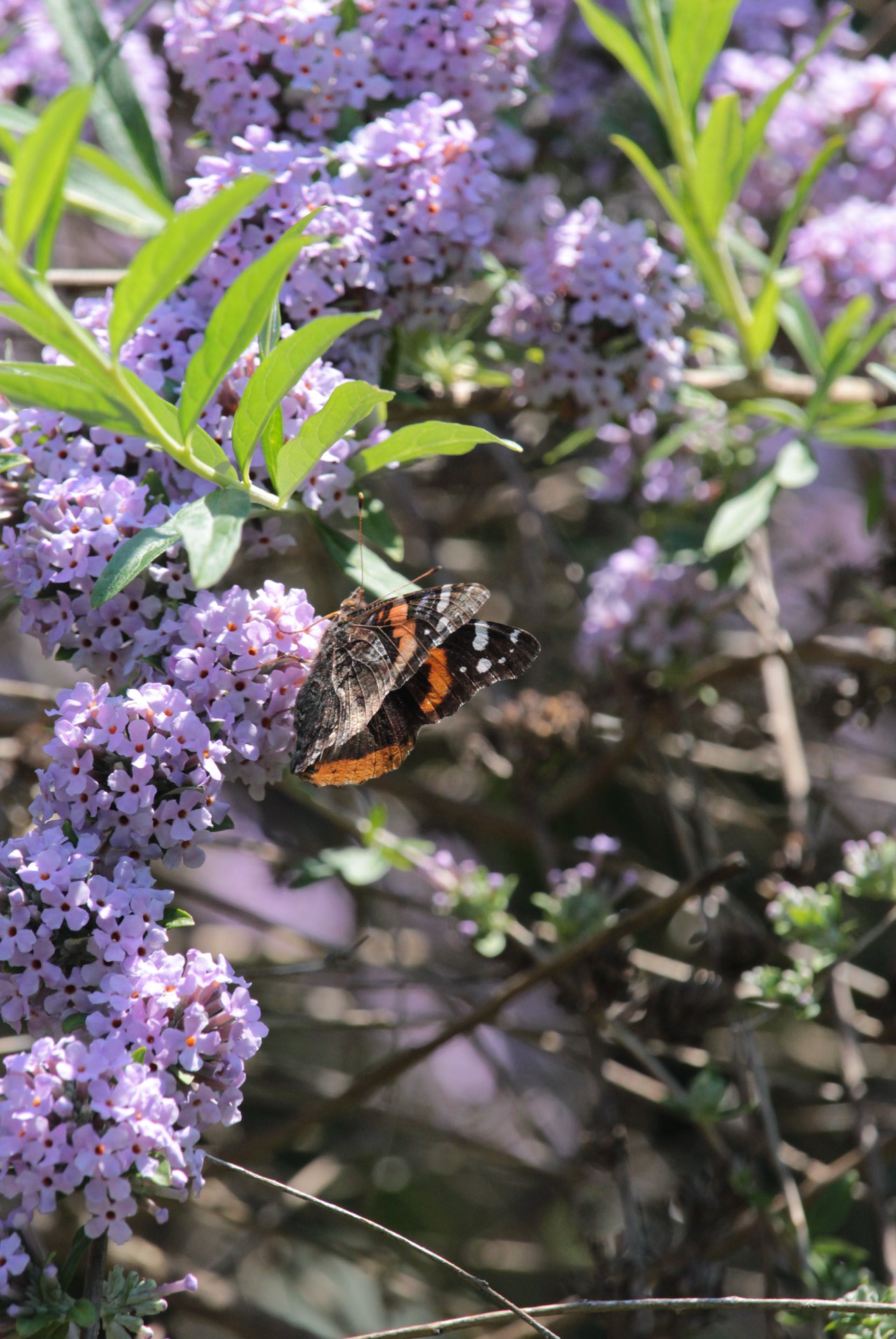
Red Admiral on Buddleia September 24, 2020 Photo by Michelle Sharp
Summer Azure on Goldenrod September 23, 2020 Photo by Michelle Sharp
Jumping Spider September 23, 2020 Photo by Ken Kerr
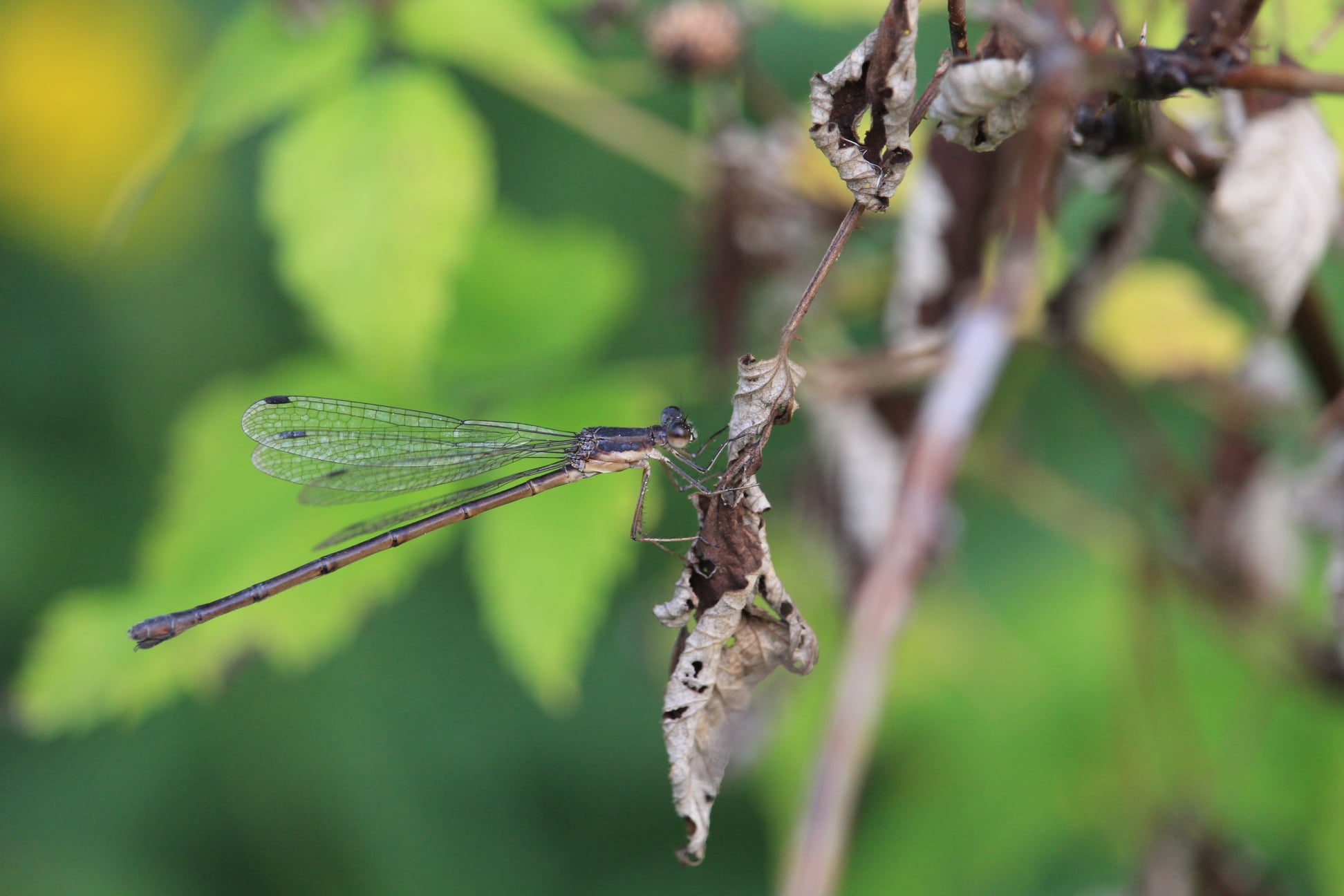
Spreadwing Damselfly September 15, 2020 Photo by Michelle Sharp
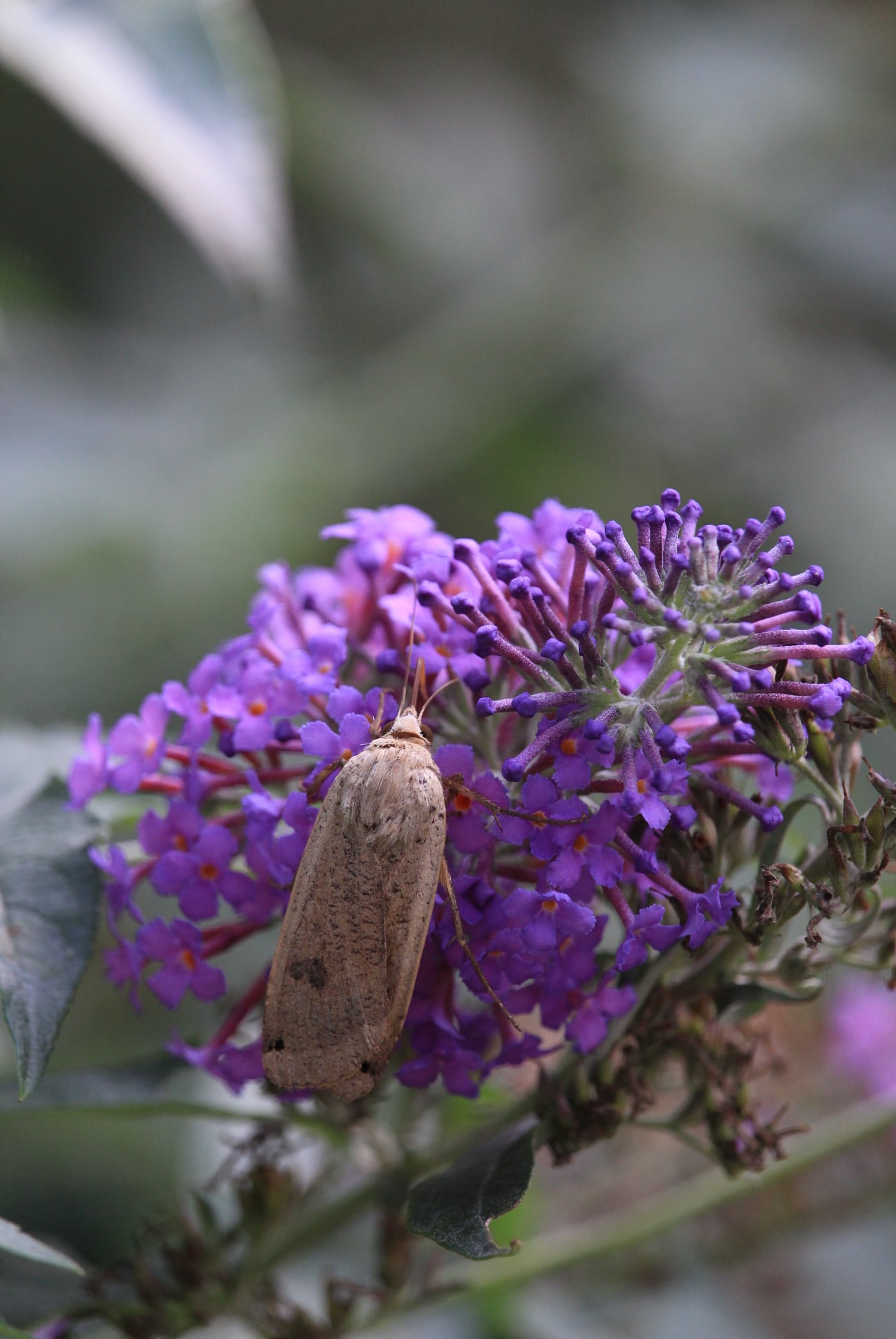
Underwing on Buddleia September 14, 2020 Photo by Michelle Sharp
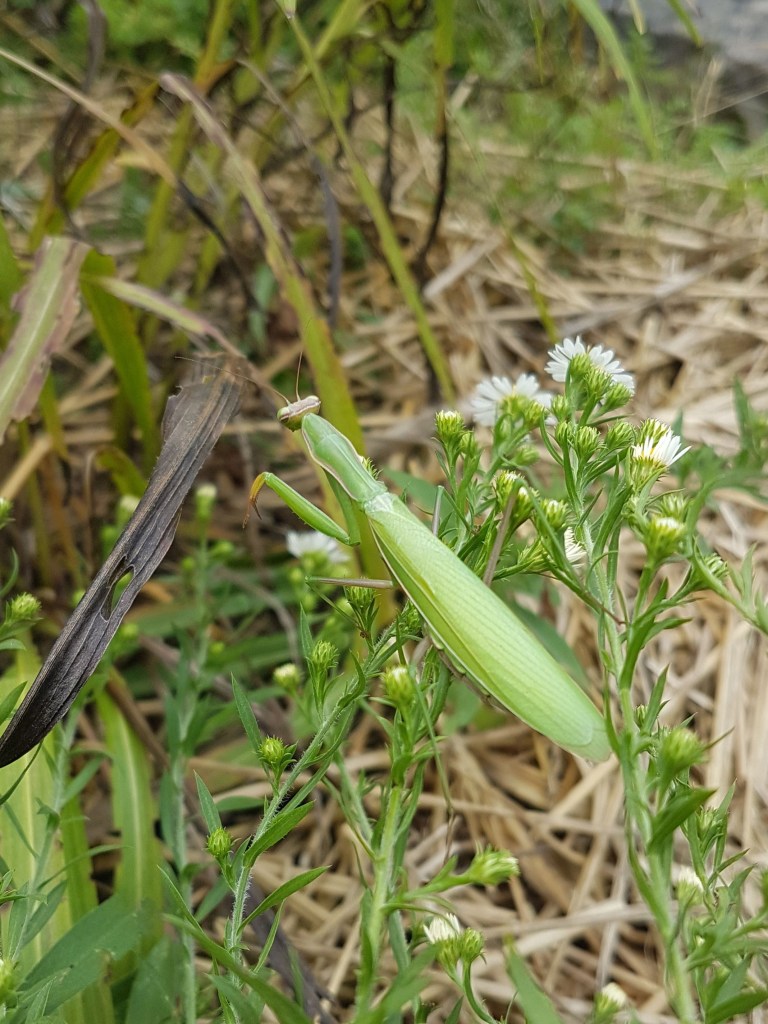
Mantis September 14, 2020 Photo by Carolyn Zanchetta
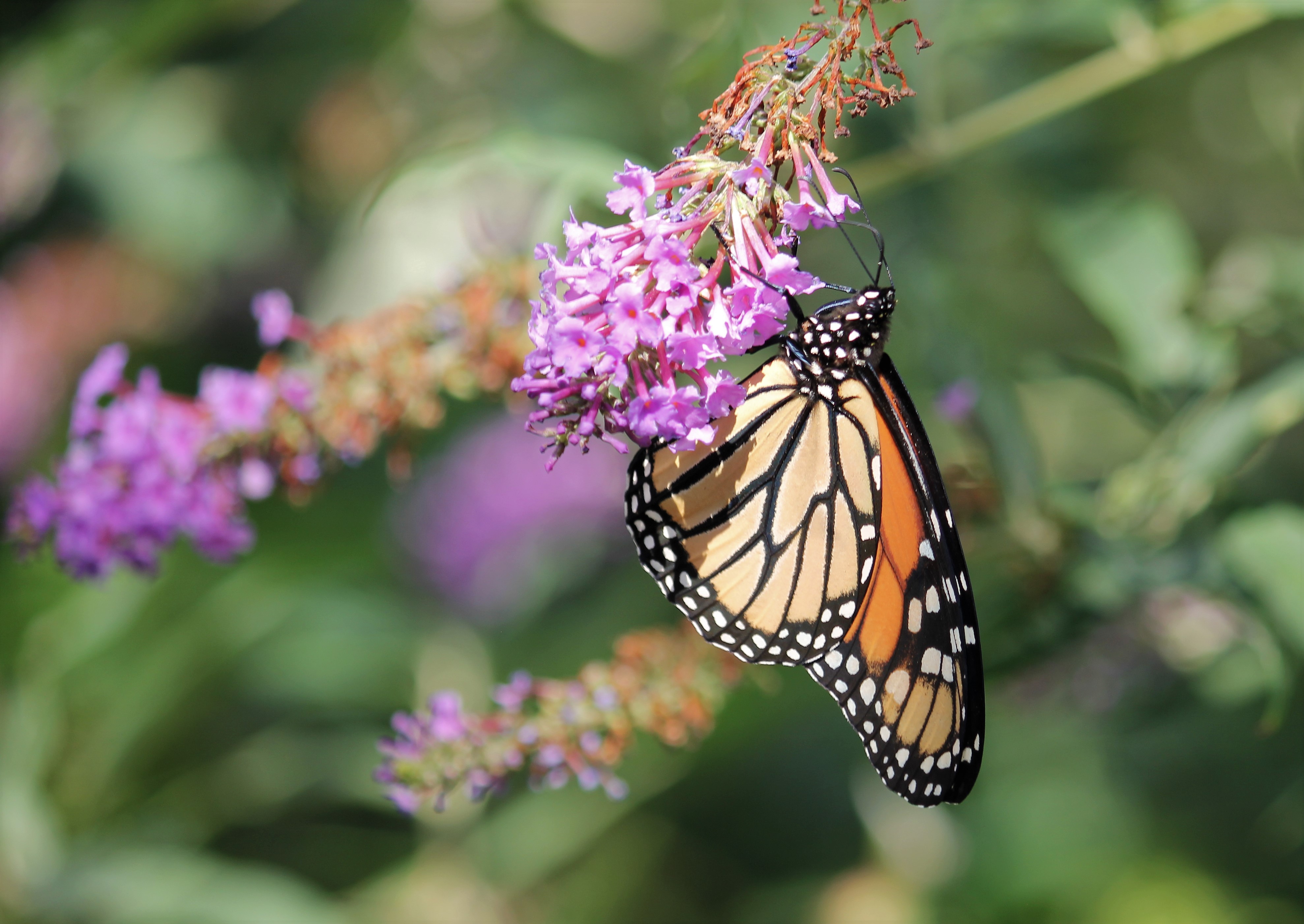
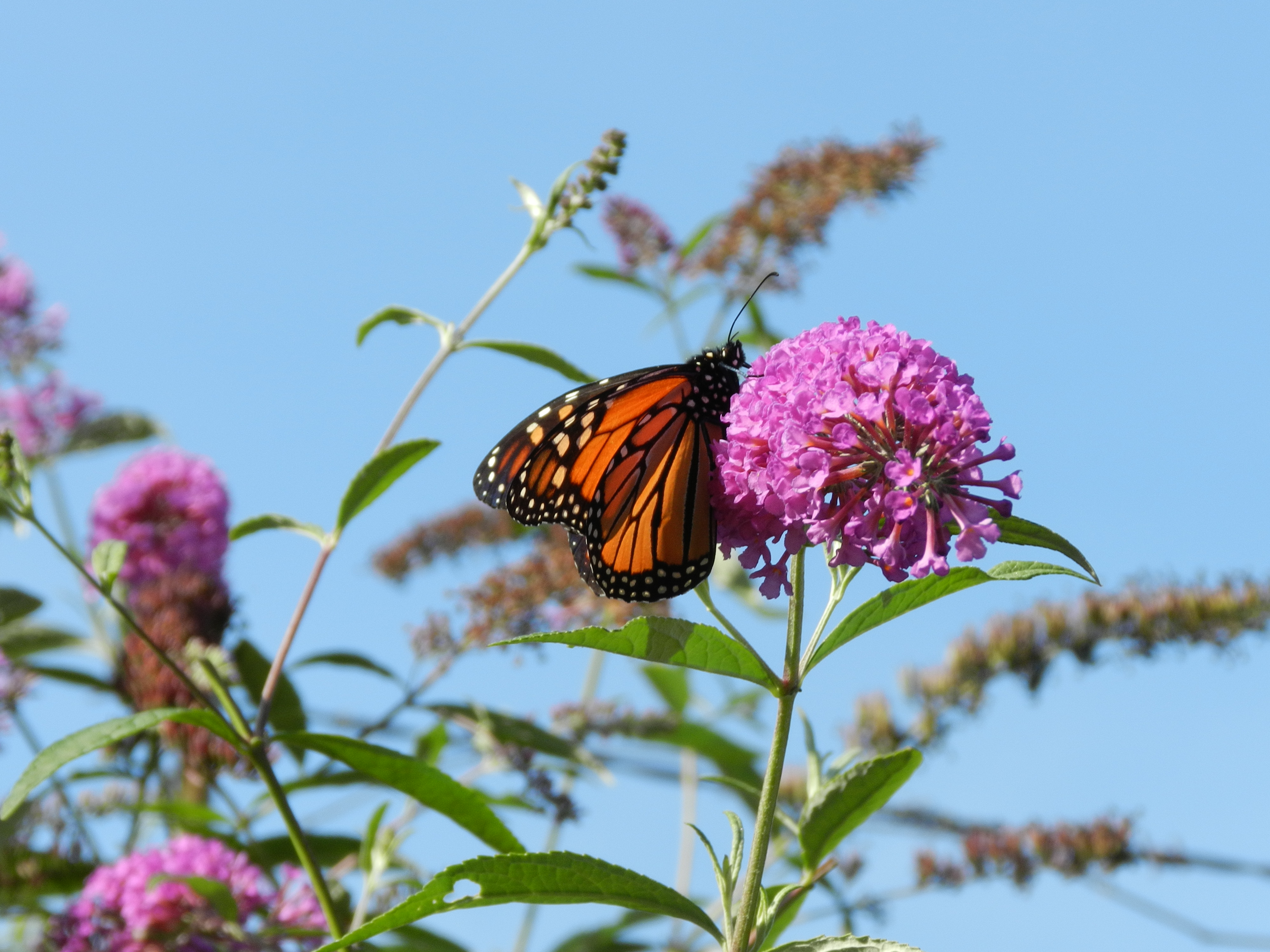
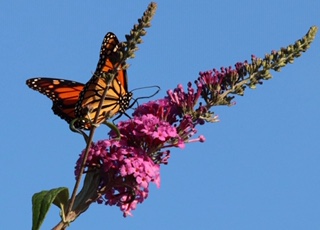
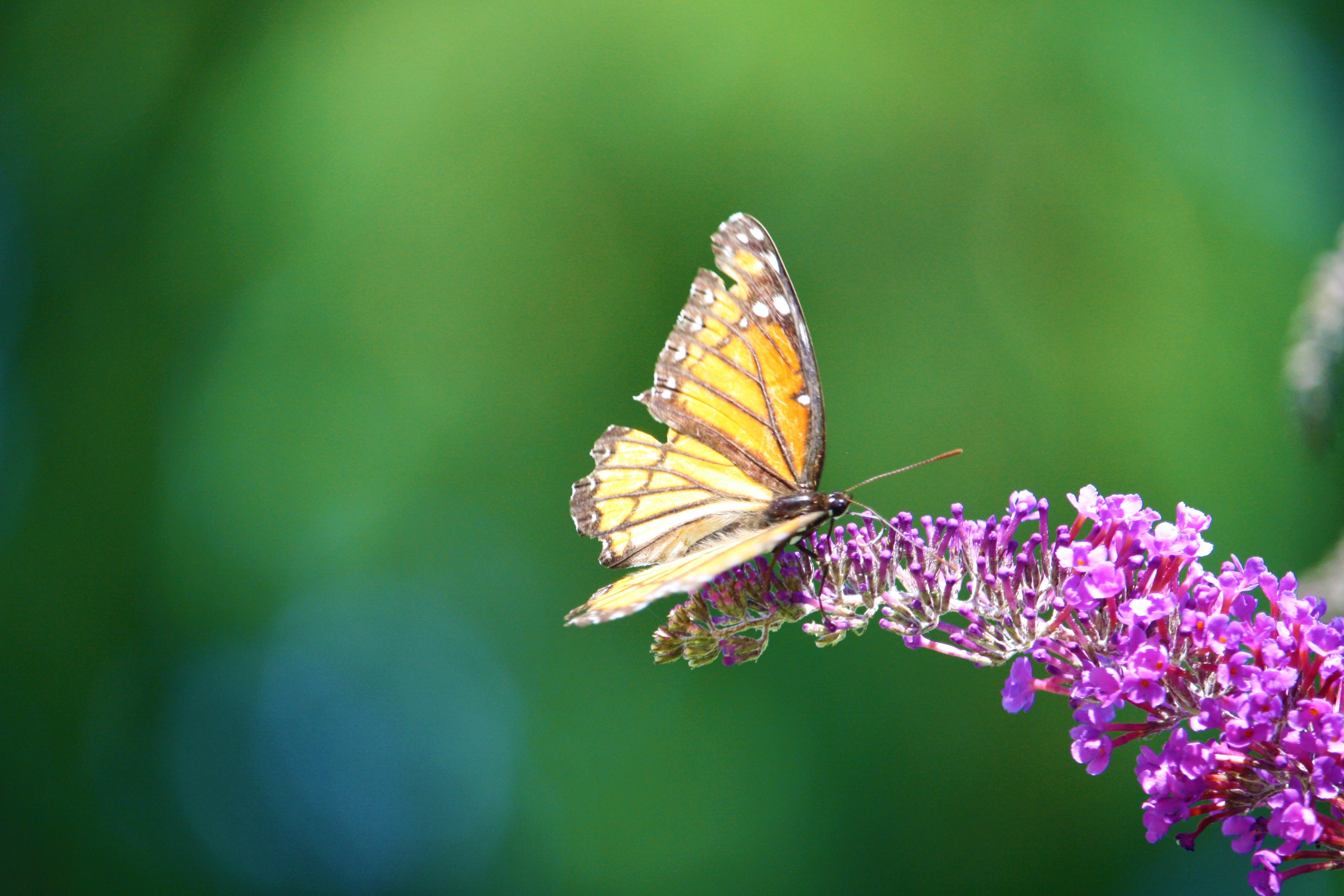
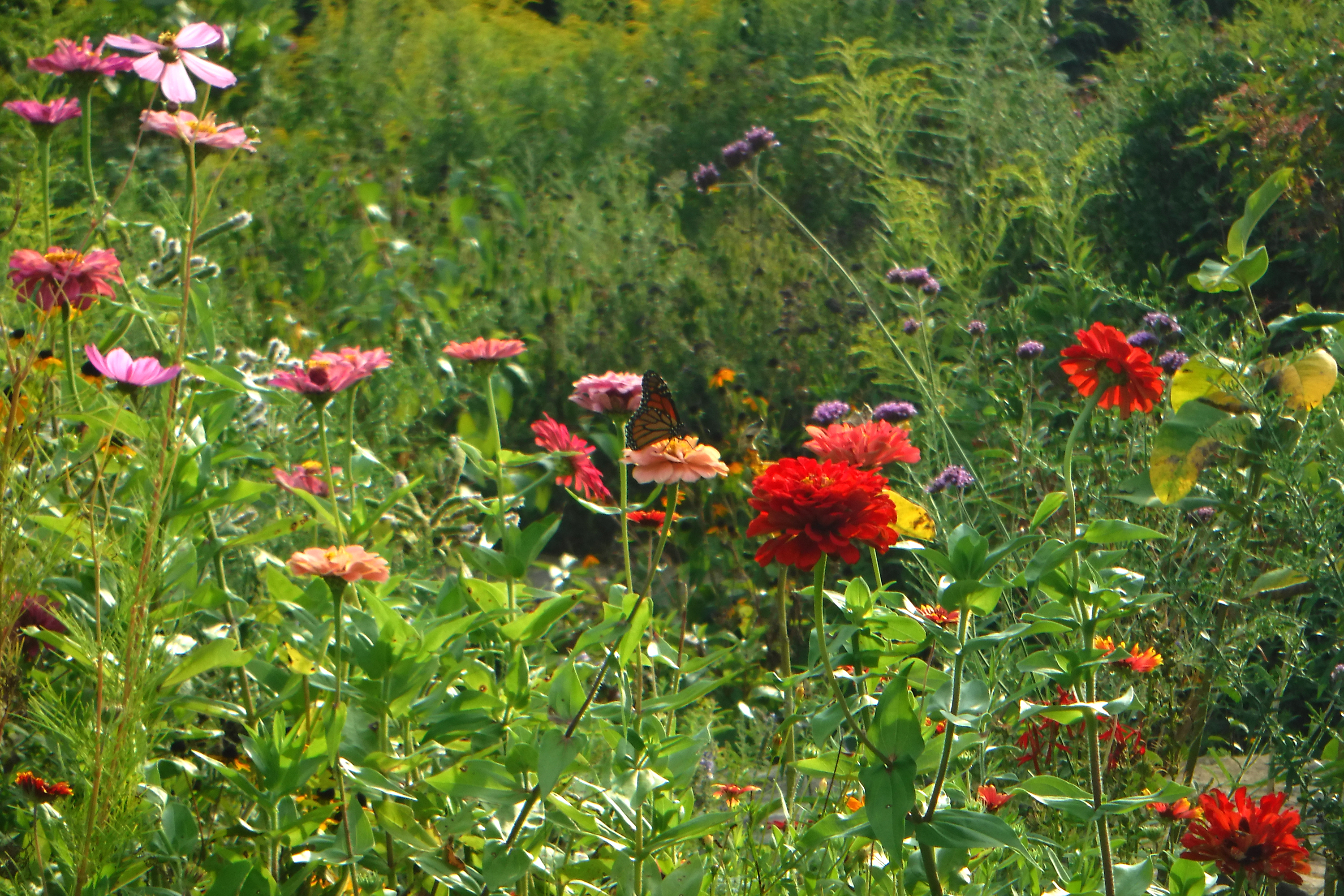
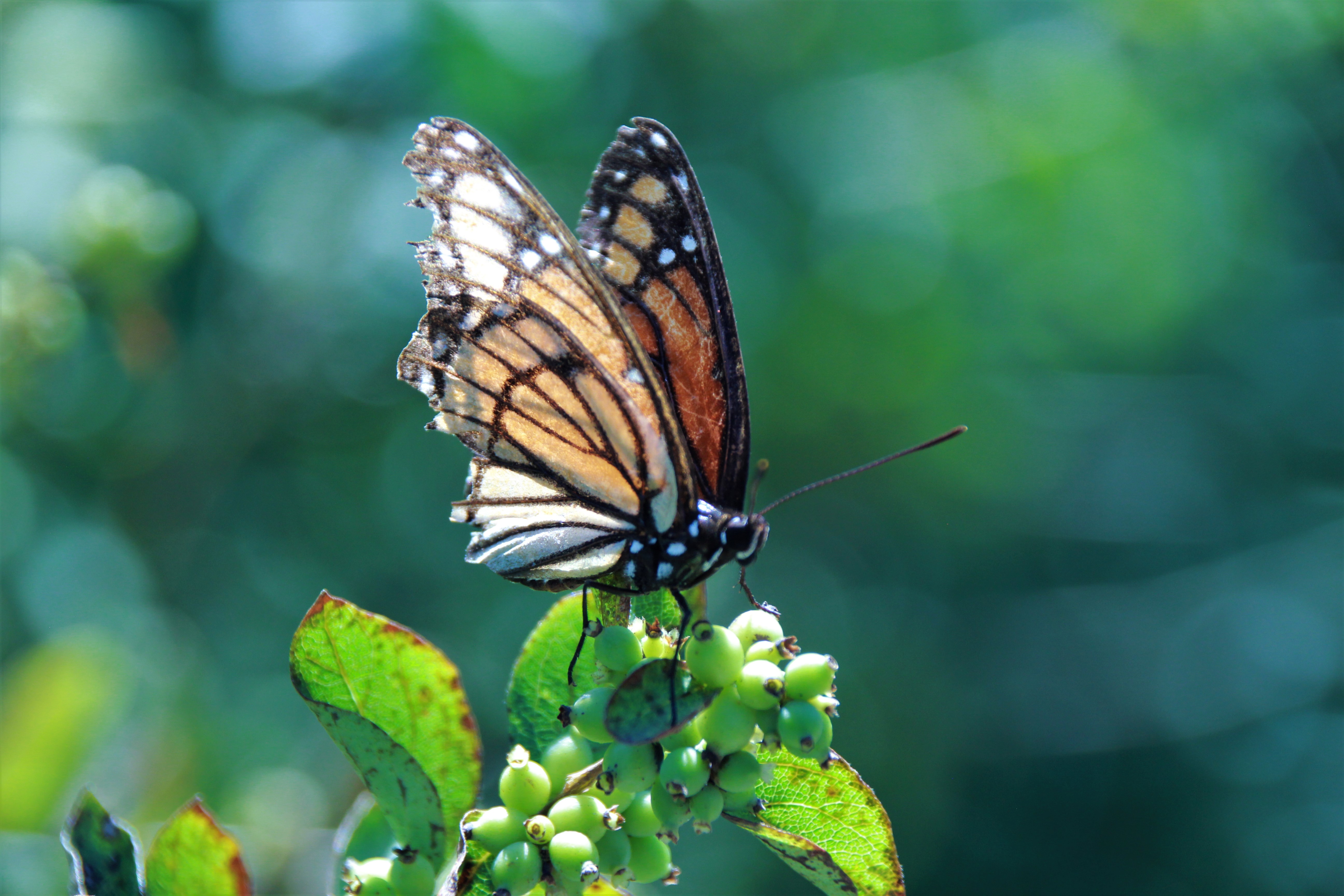
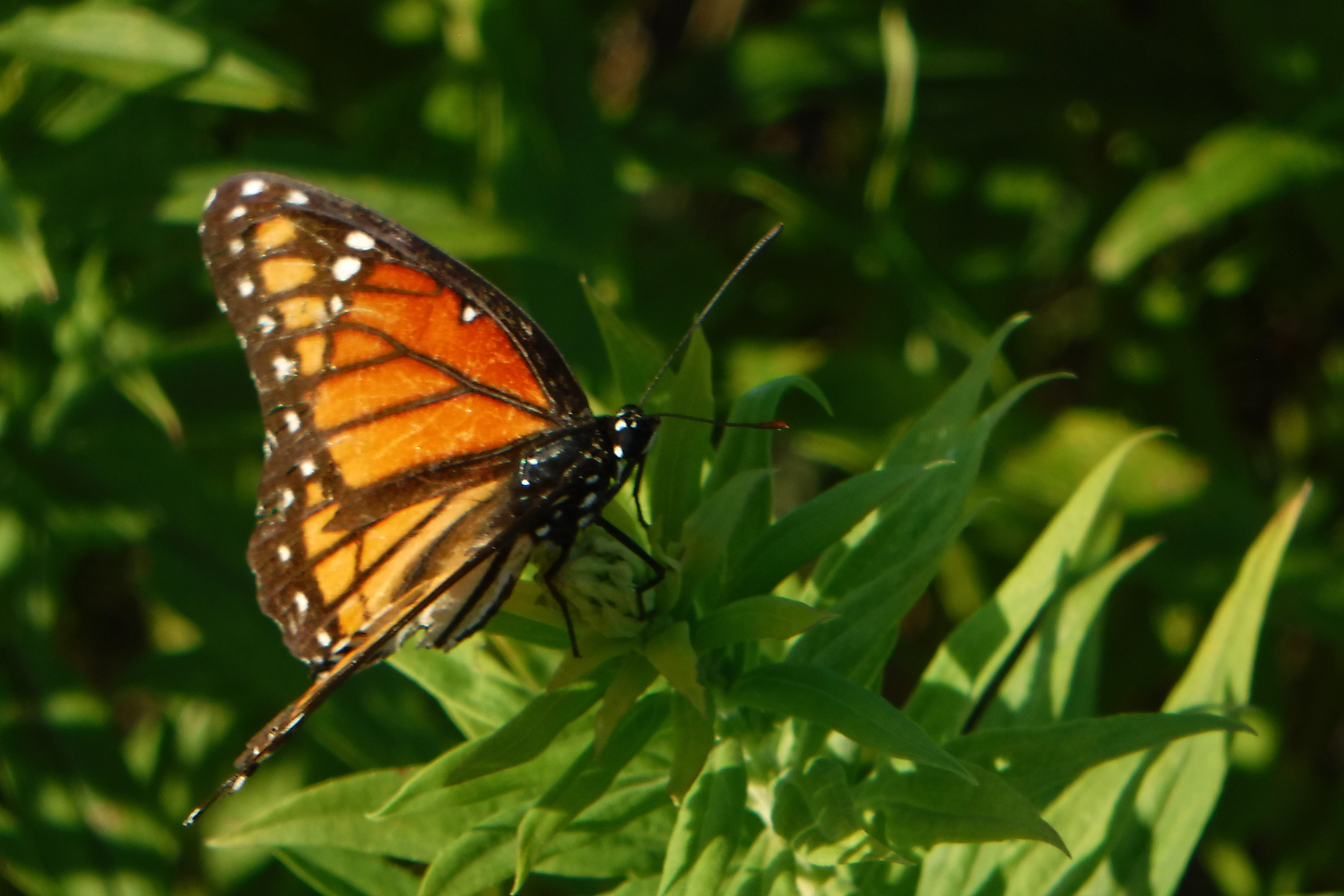
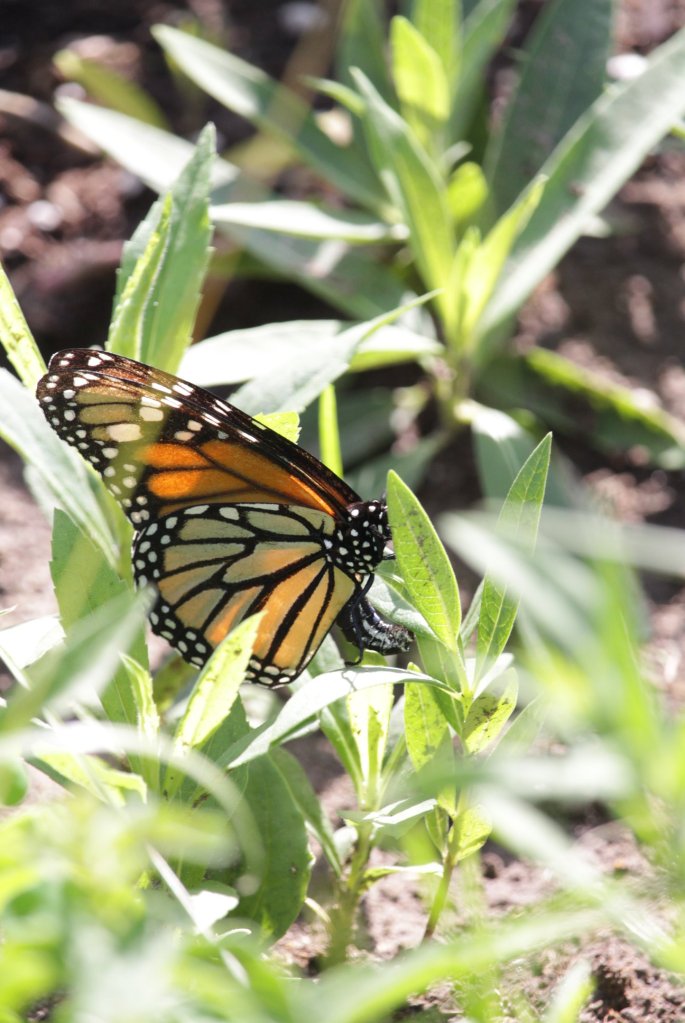
Monarch on Verbena September 13, 2020 Photo by Michelle Sharp
Smoky-winged Beetle Bandit September 13, 2020 Photo by Joanne Redwood
Common Eupithecia Moth Caterpillar on Black-Eyed Susan September 13, 2020 Photo by Ken Kerr
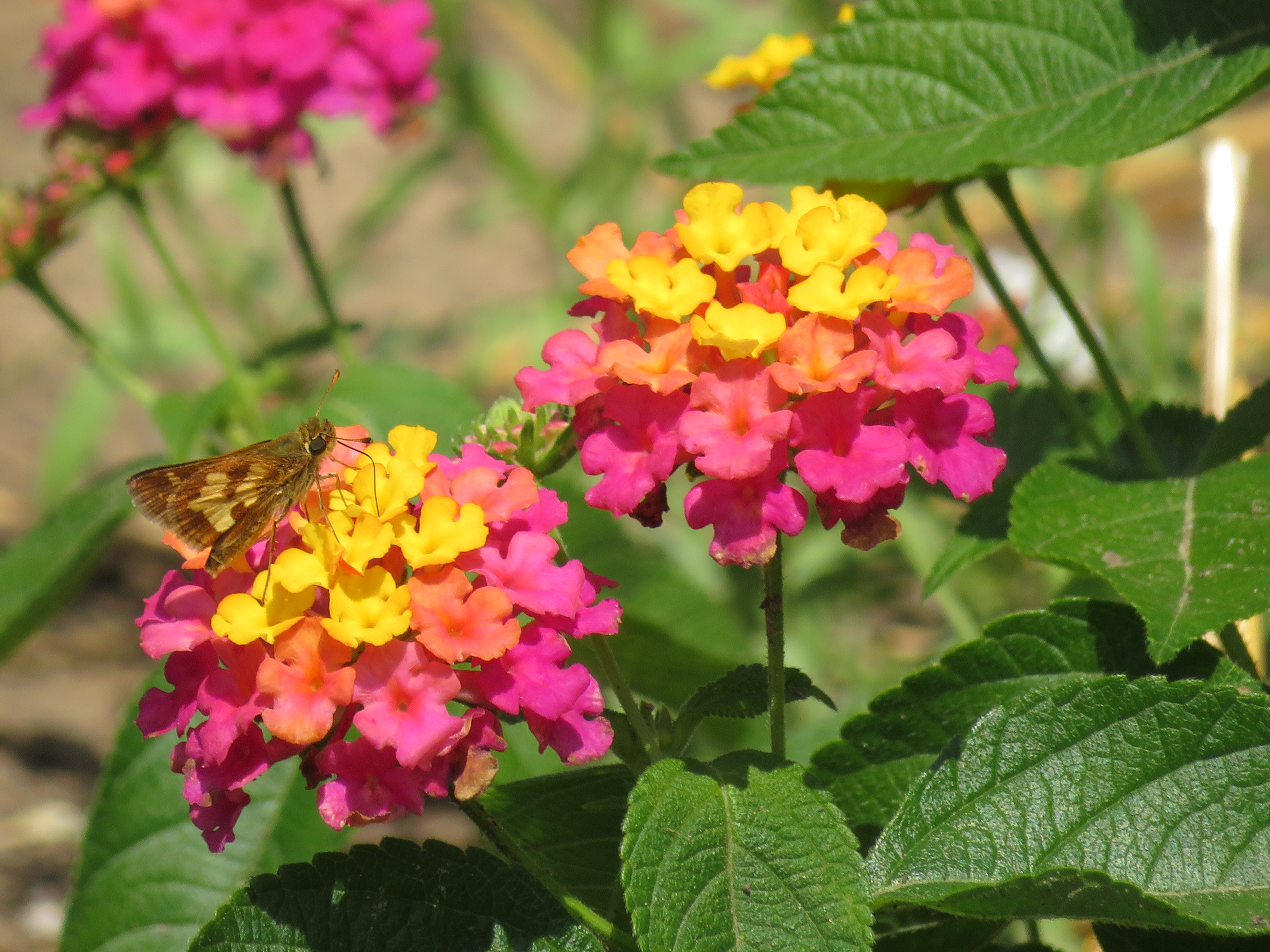
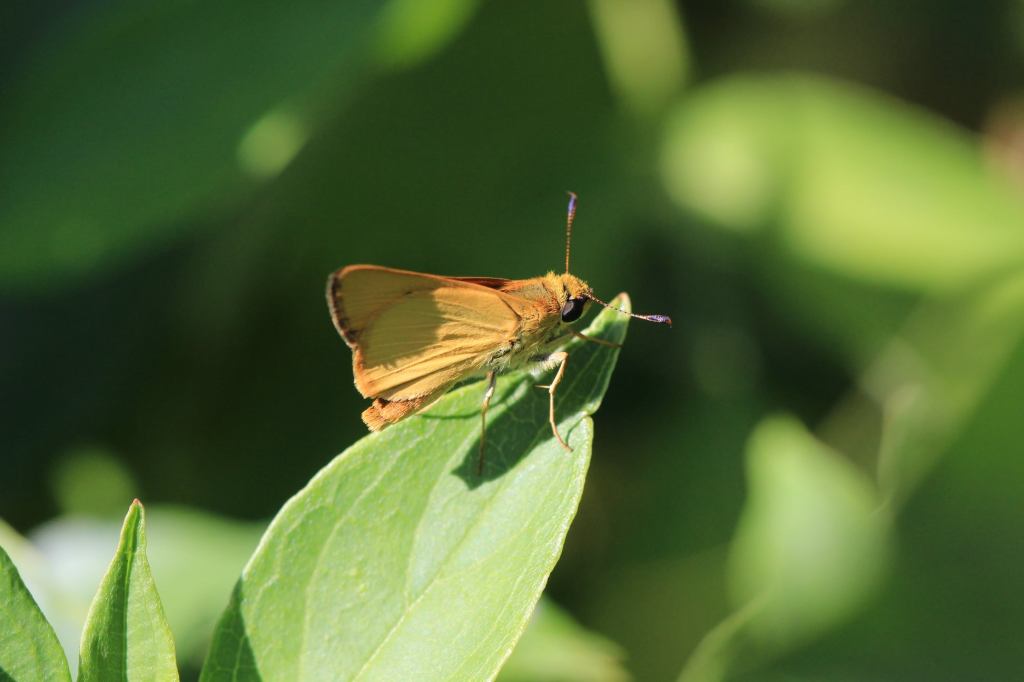
Fiery Skipper August 31, 2020 Photo by Michelle Sharp
Compton Tortoiseshell August 31, 2020 Photo by Carmel Mothersill.
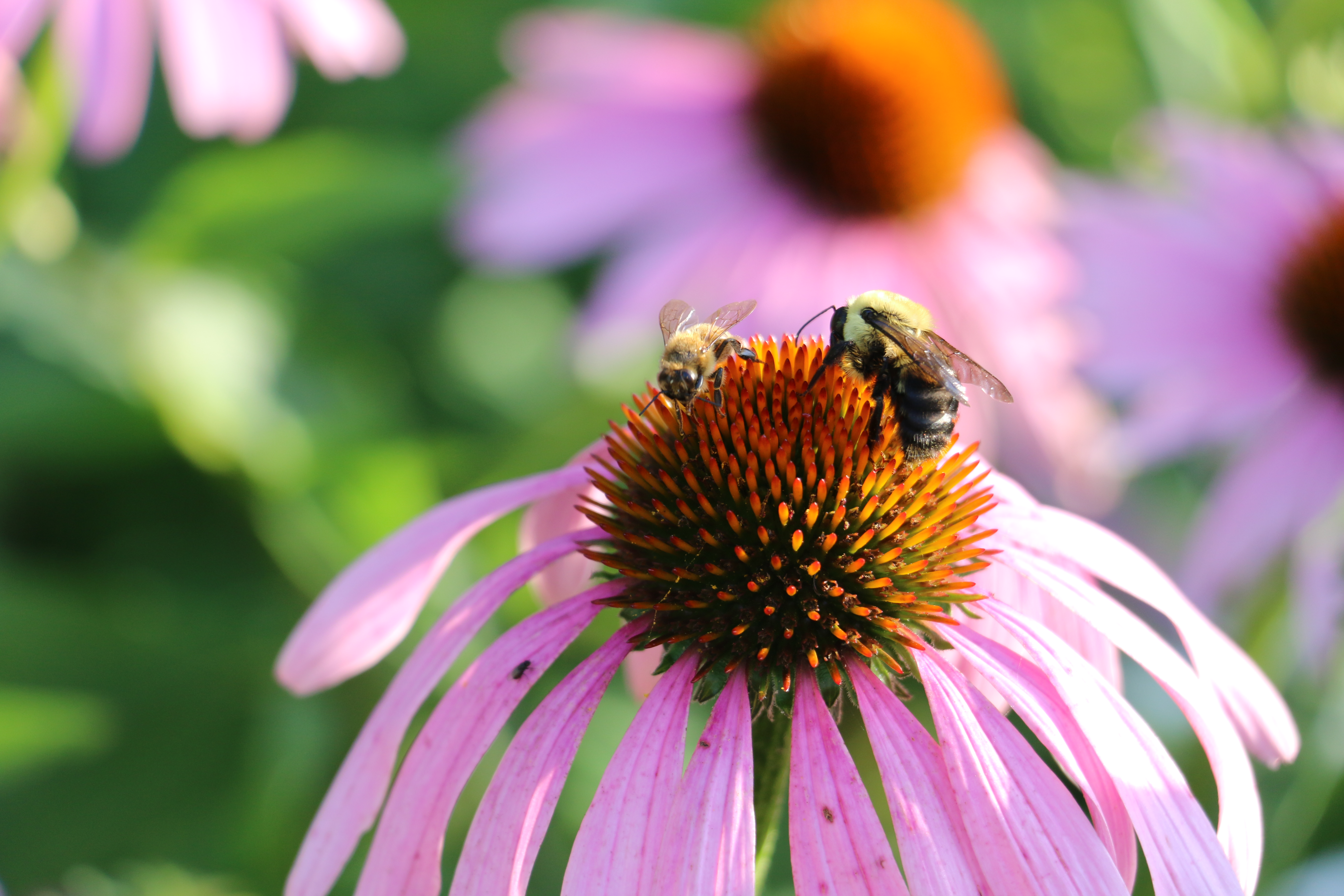
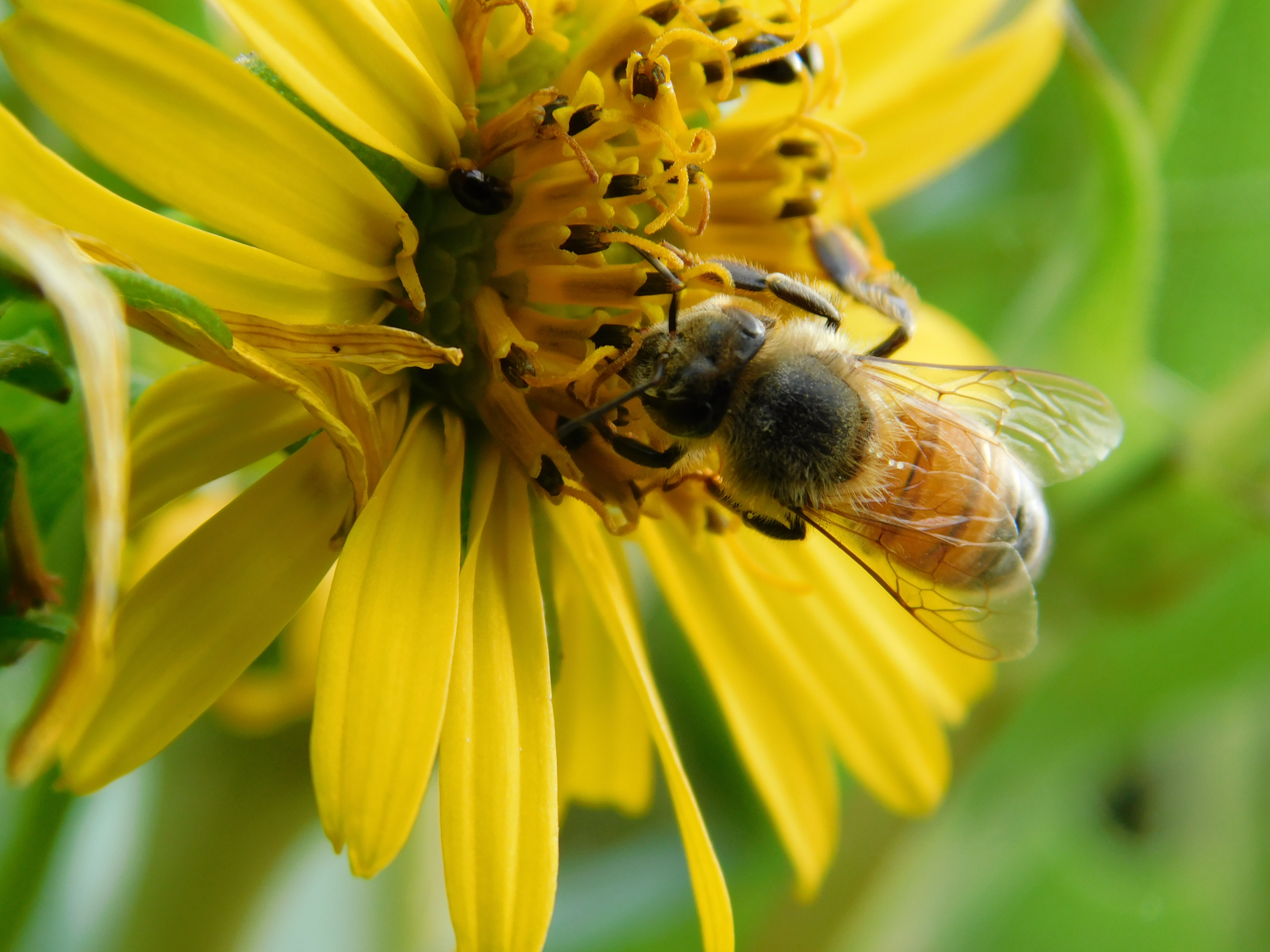
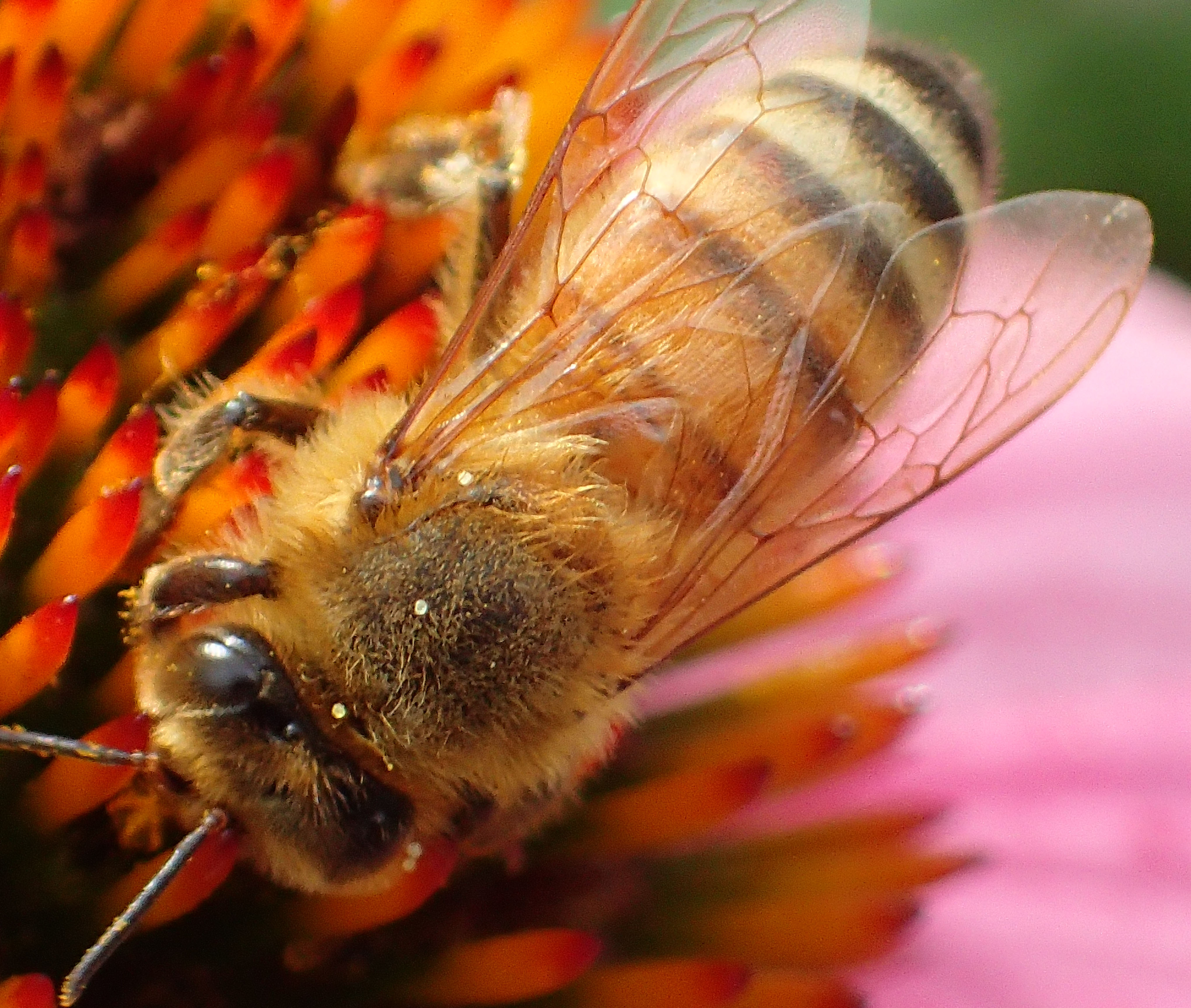
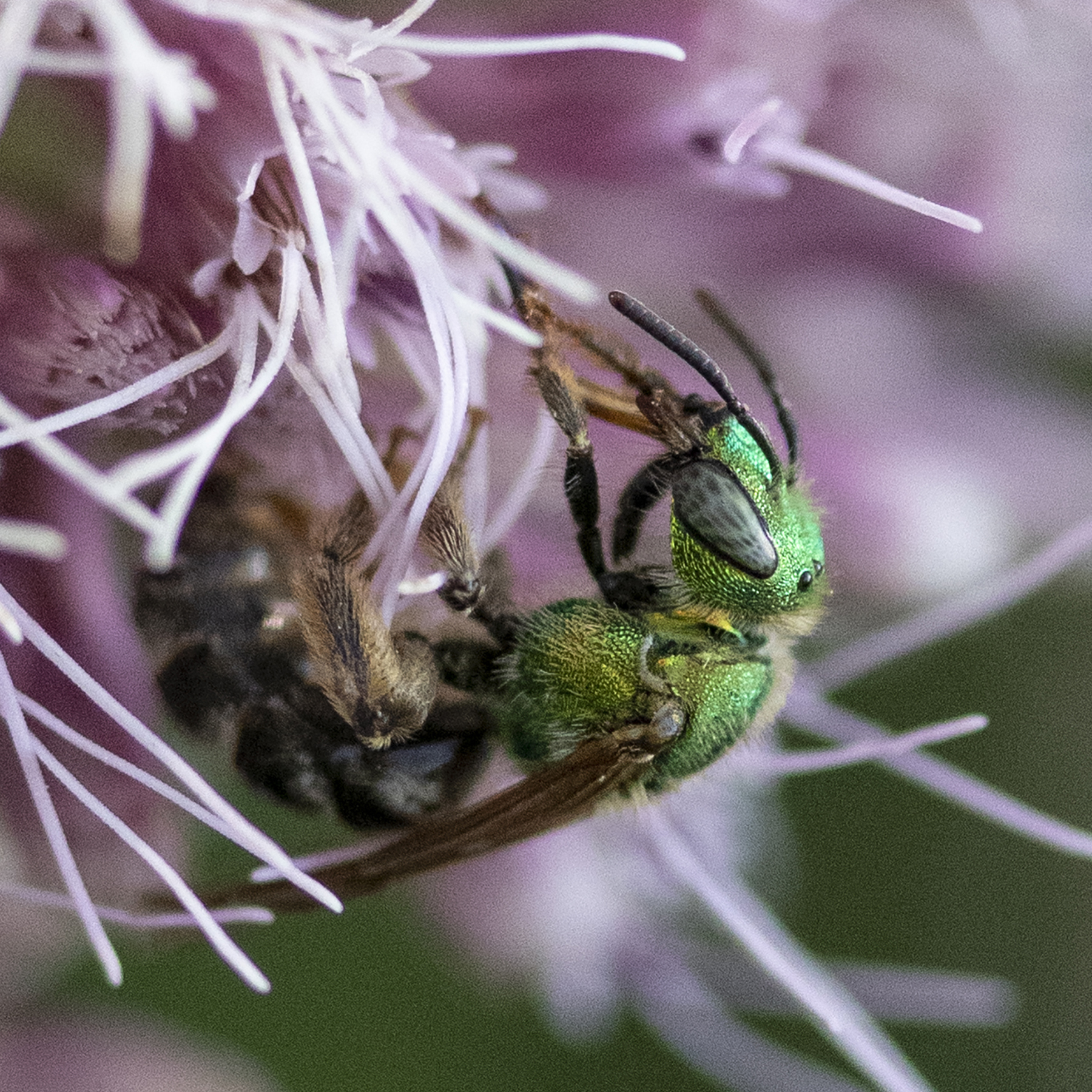
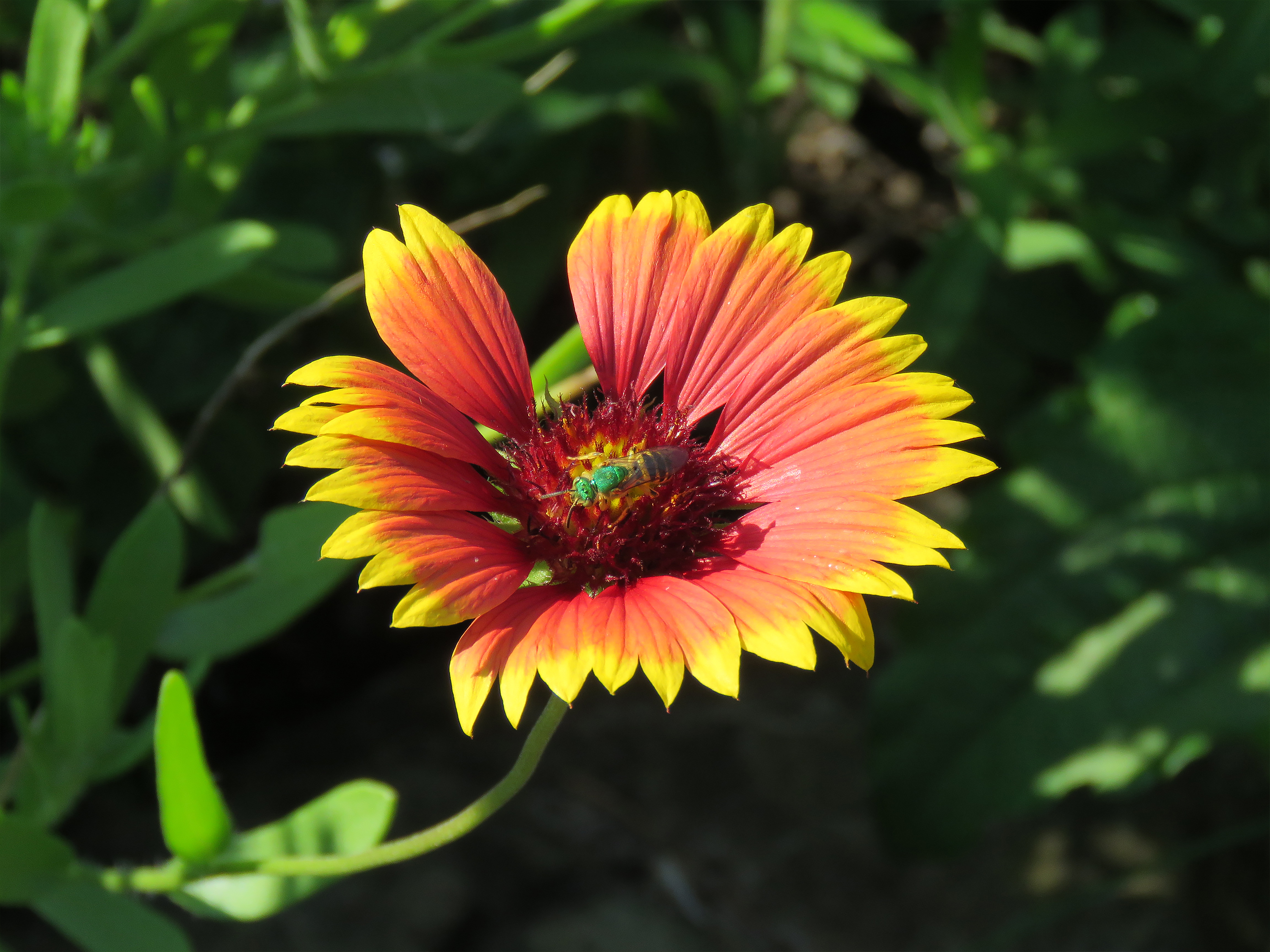
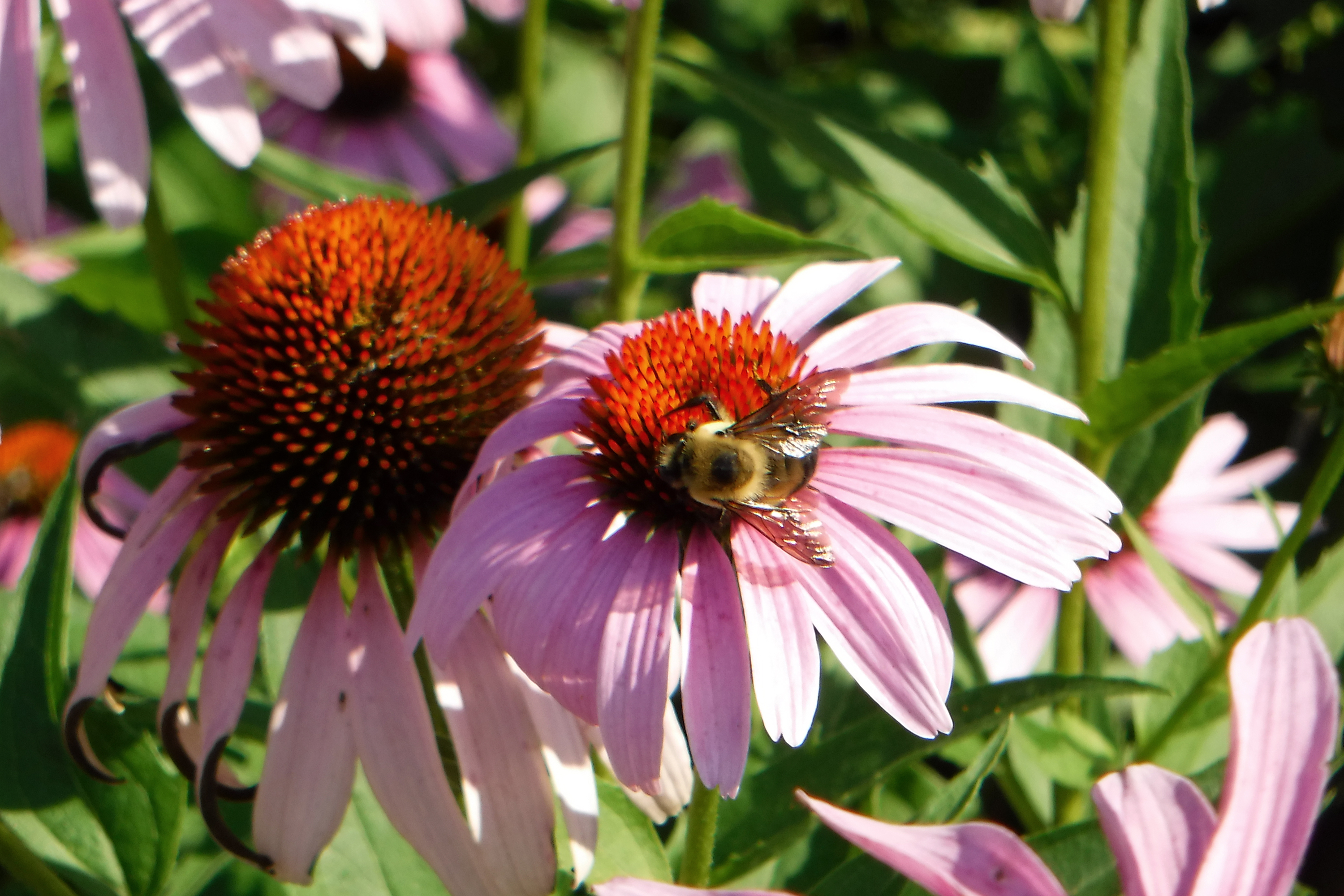
Sweat Bee August 30, 2020 Photo by Michelle Sharp
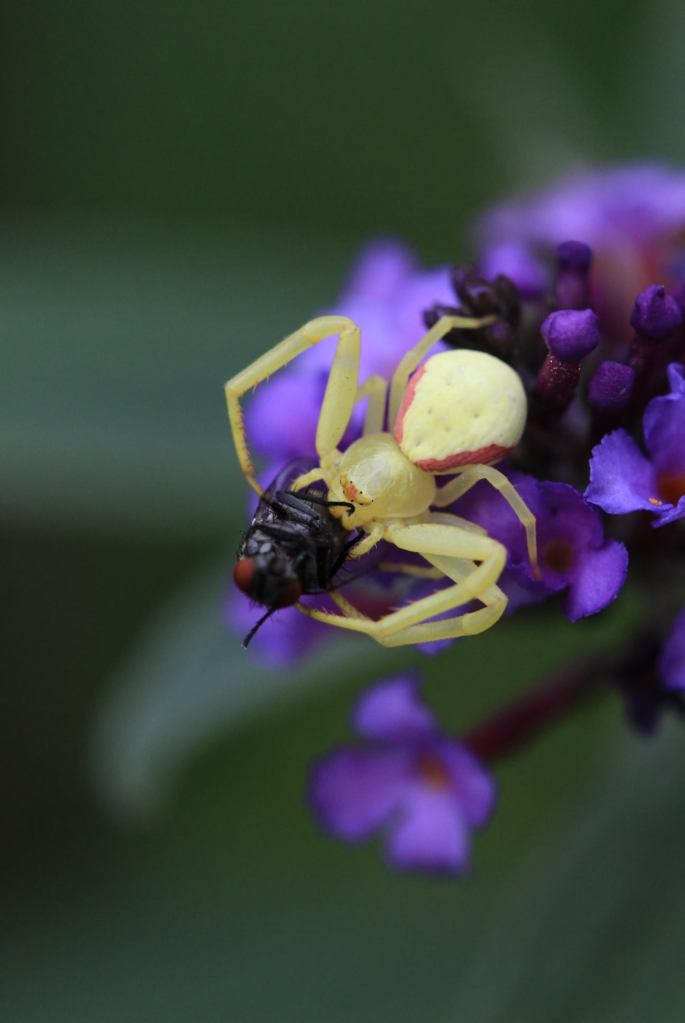
Crab spider eating Flesh Fly August 28, 2020 Photo by Michelle Sharp
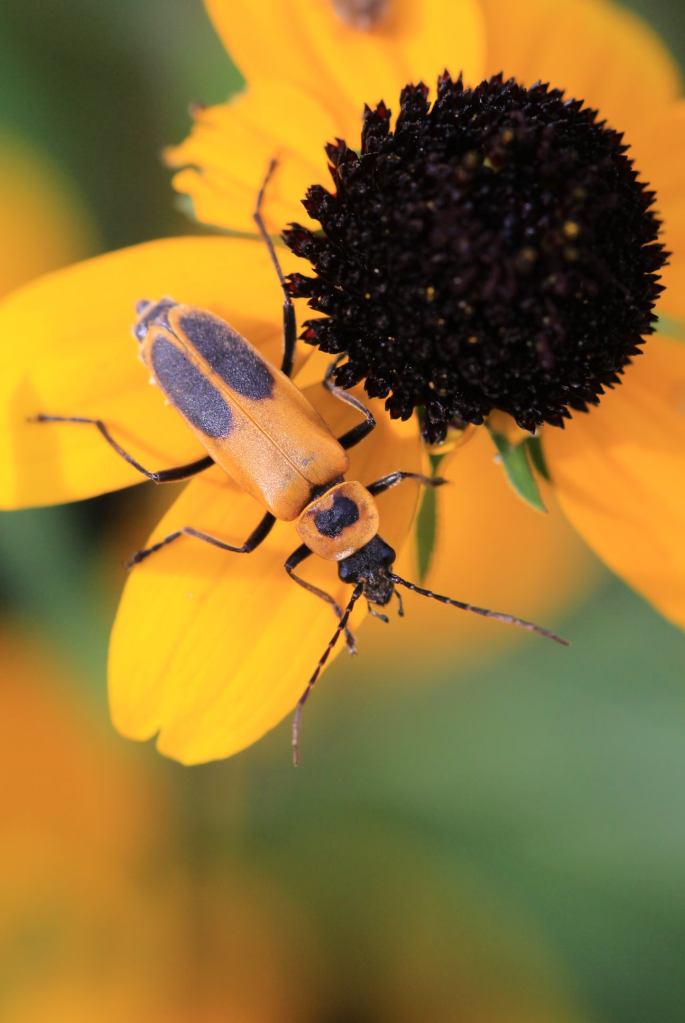
Goldenrod Soldier Beetle on Black-eyed Susan August 28, 2020 Photo by Michelle Sharp
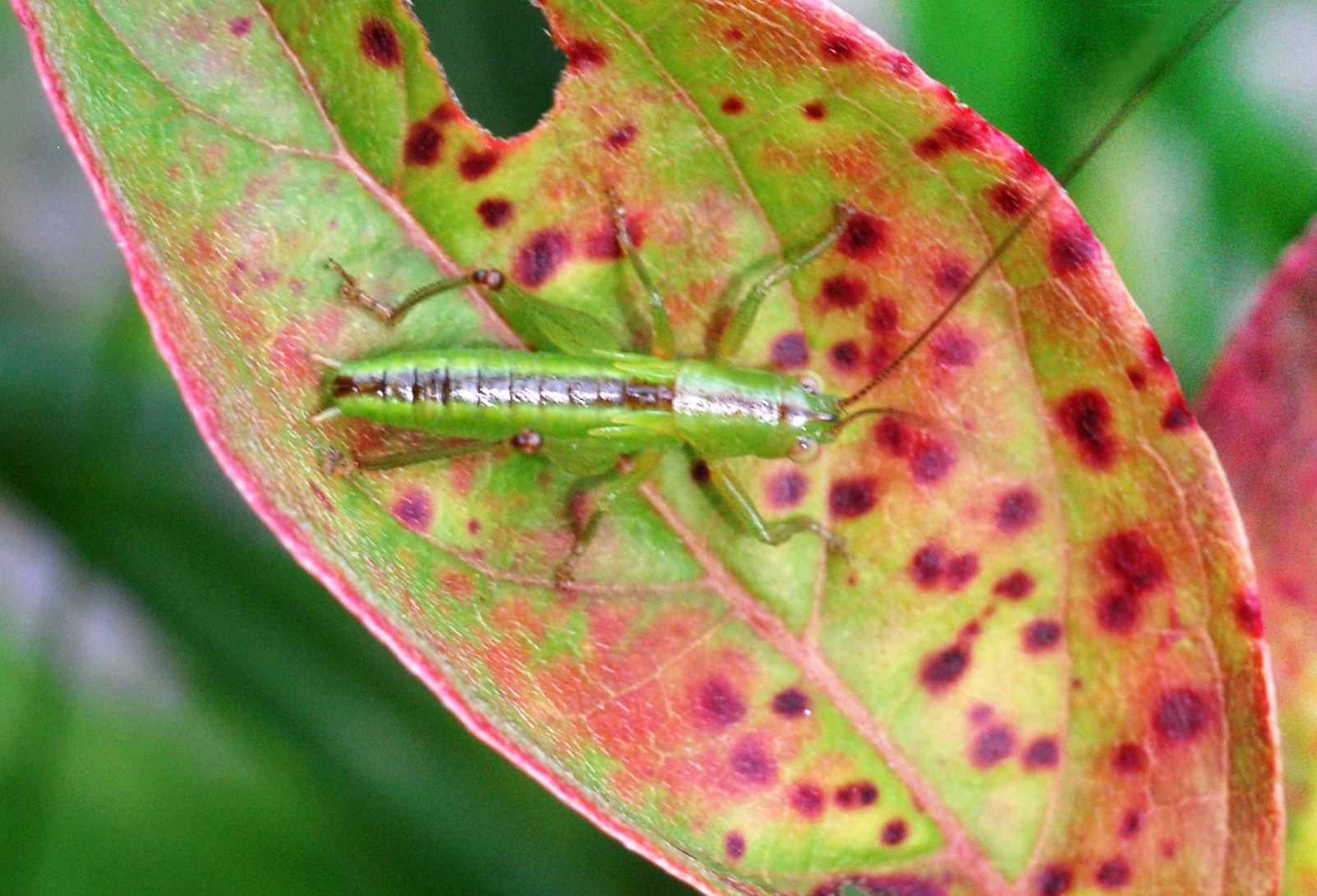
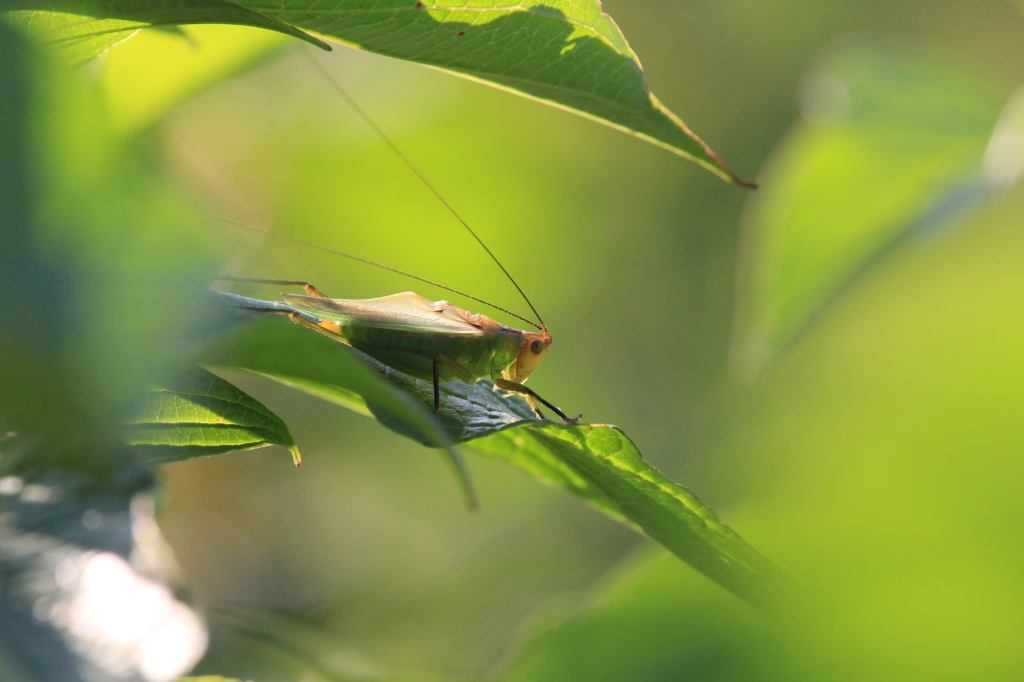
Black-Legged Meadow Katydid August 27, 2020 Photo by Michelle Sharp
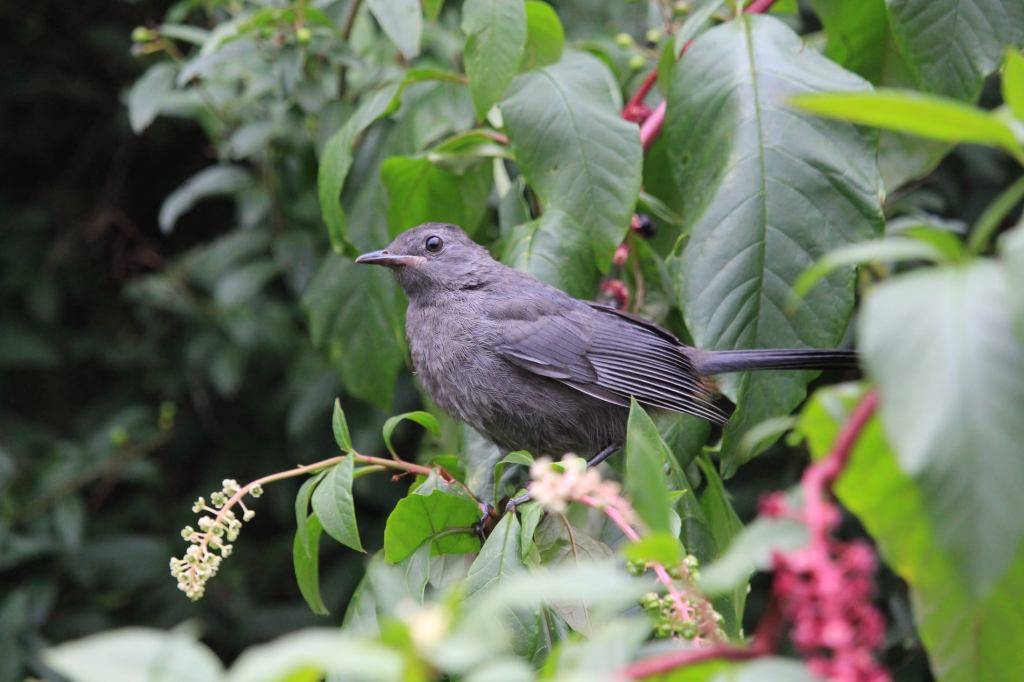
Catbird on Pokeweed August 26, 2020 Photo by Michelle Sharp
Delaware Skipper August 25, 2020 Photo by Michelle Sharp
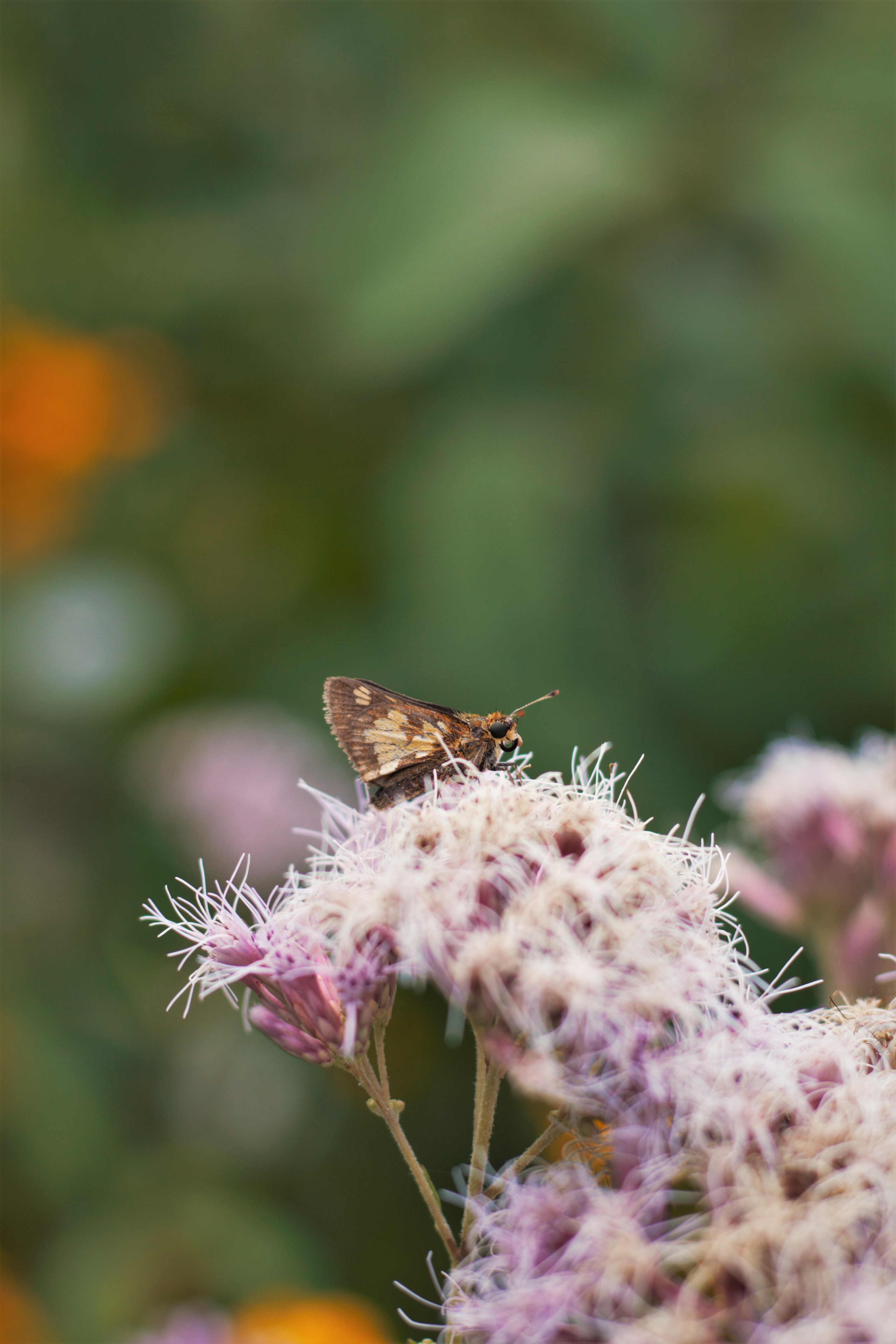
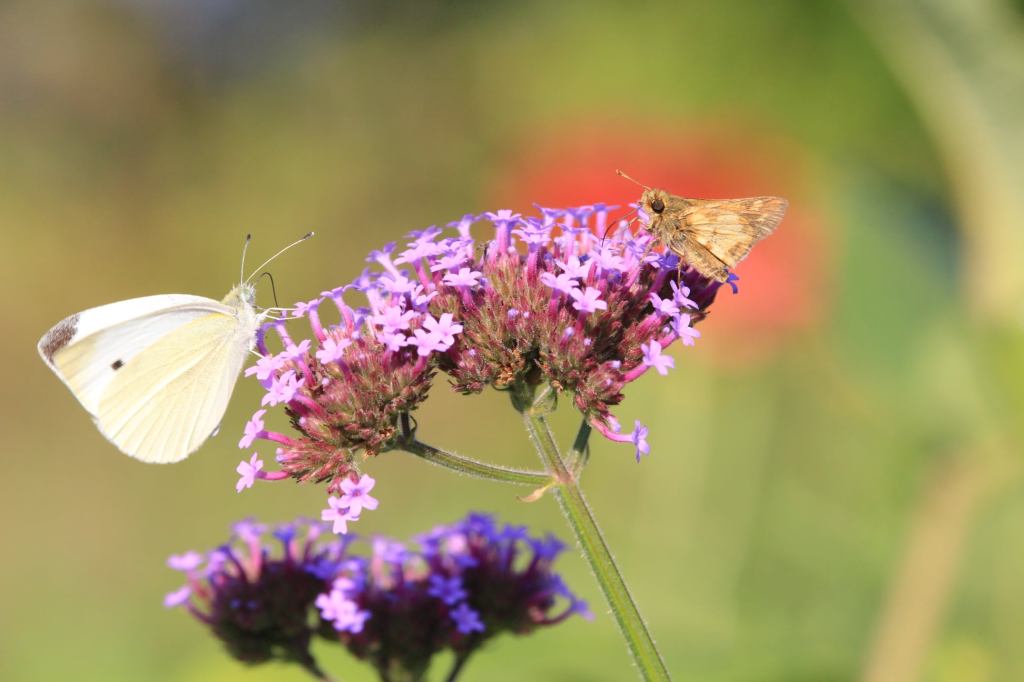
Cabbage White and Peck’s Skipper August 24, 2020 Photo by Michelle Sharp
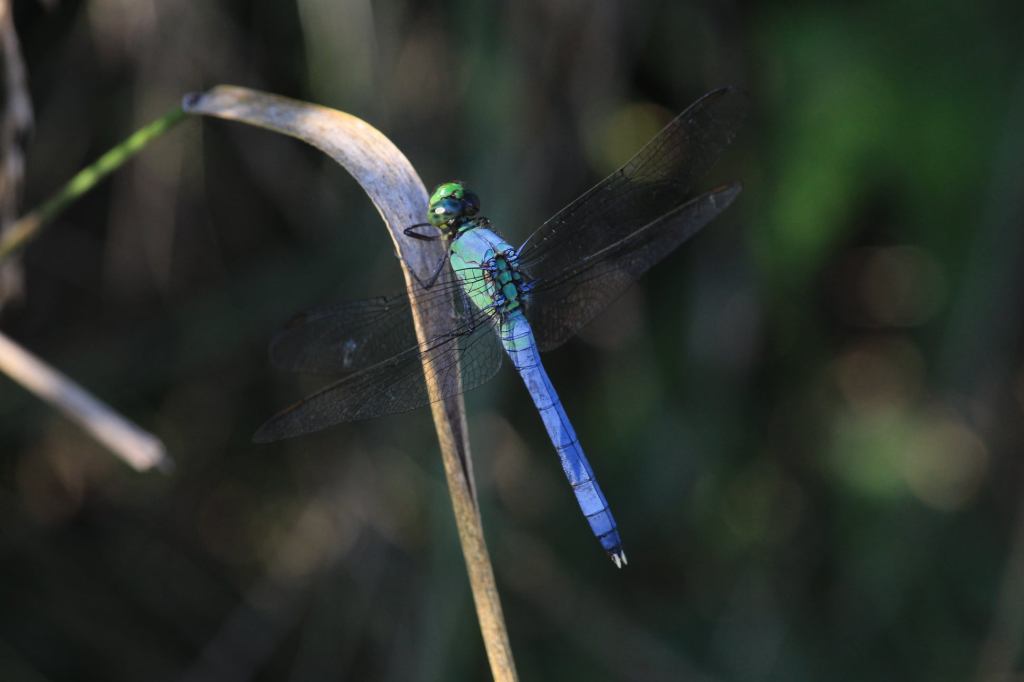
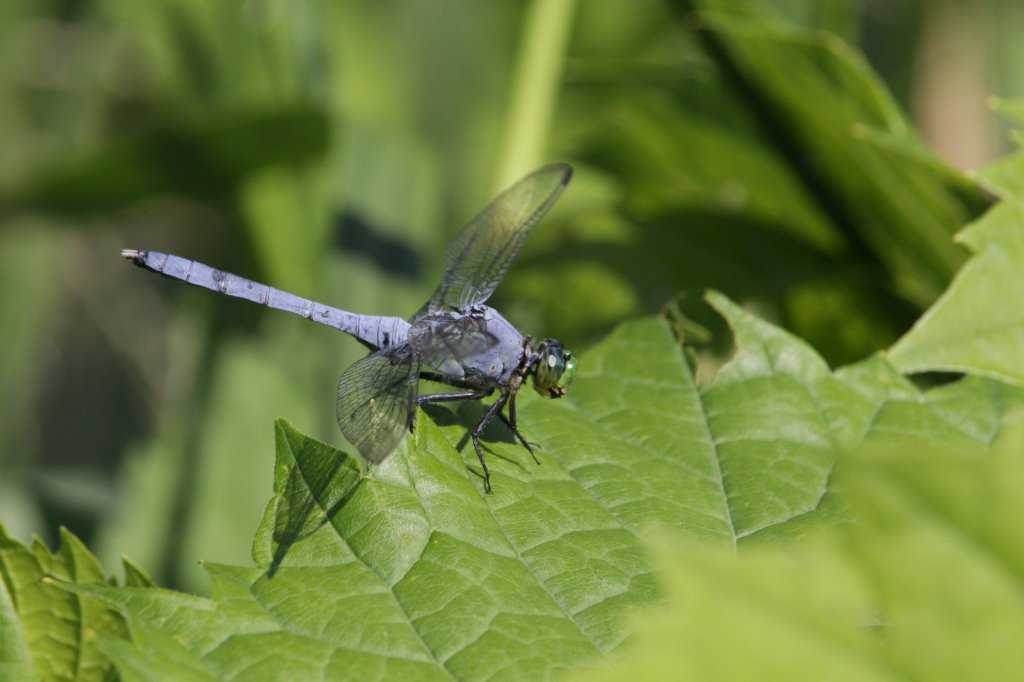
Eastern Pondhawk August 24, 2020 Photo by Michelle Sharp
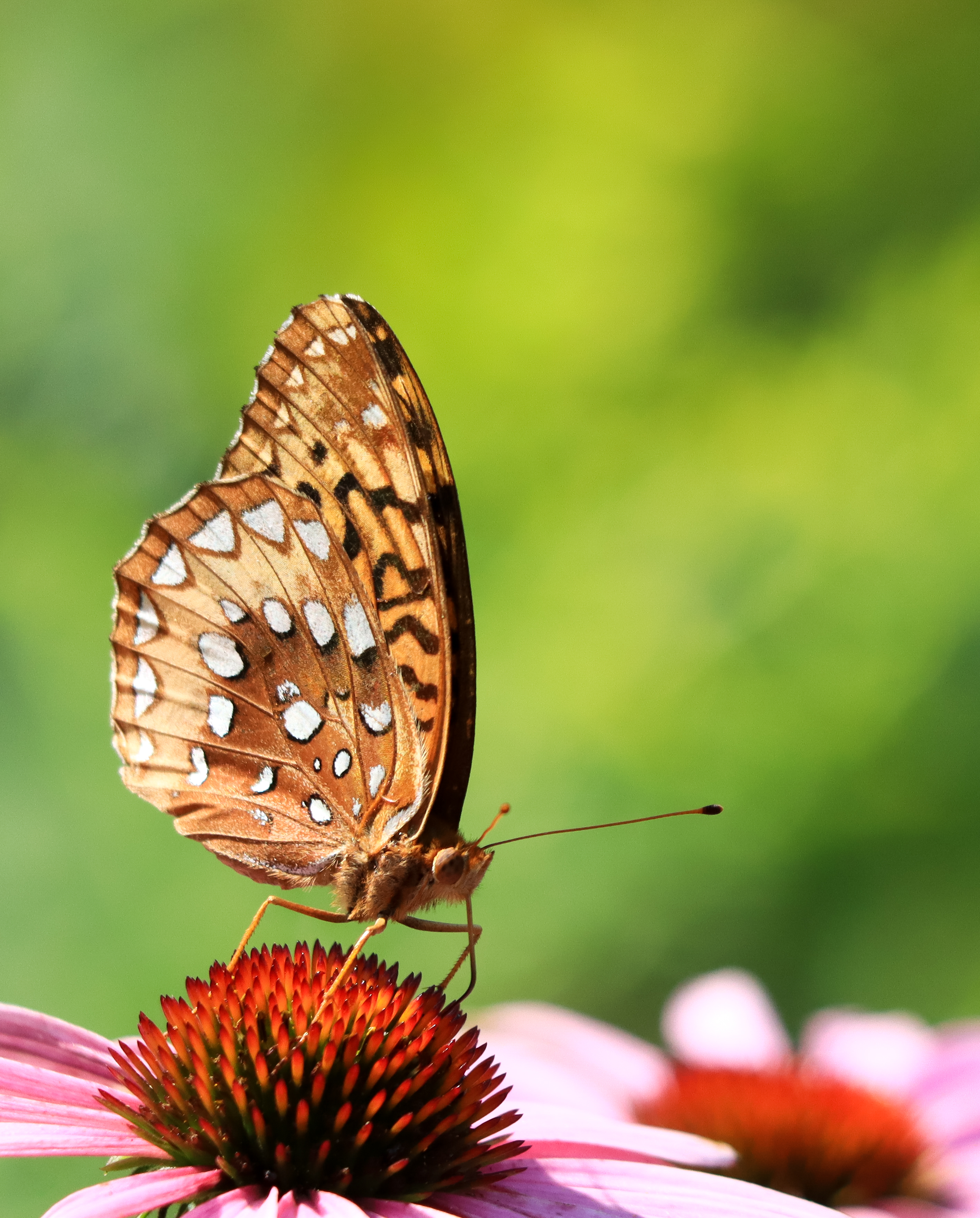
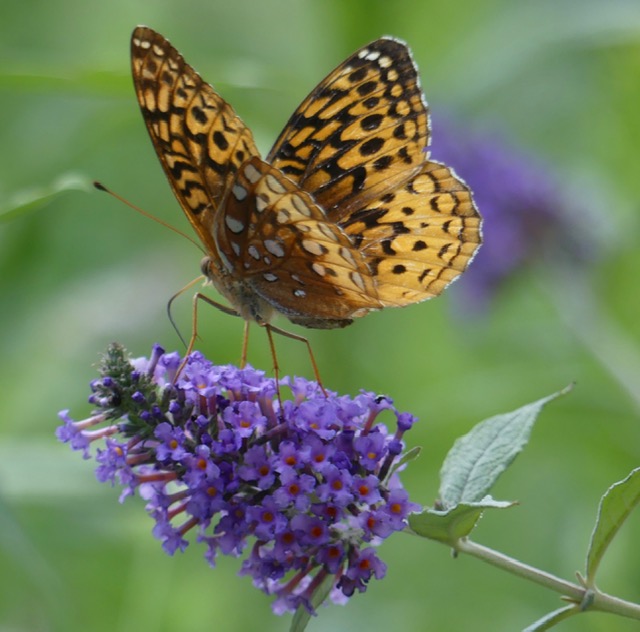
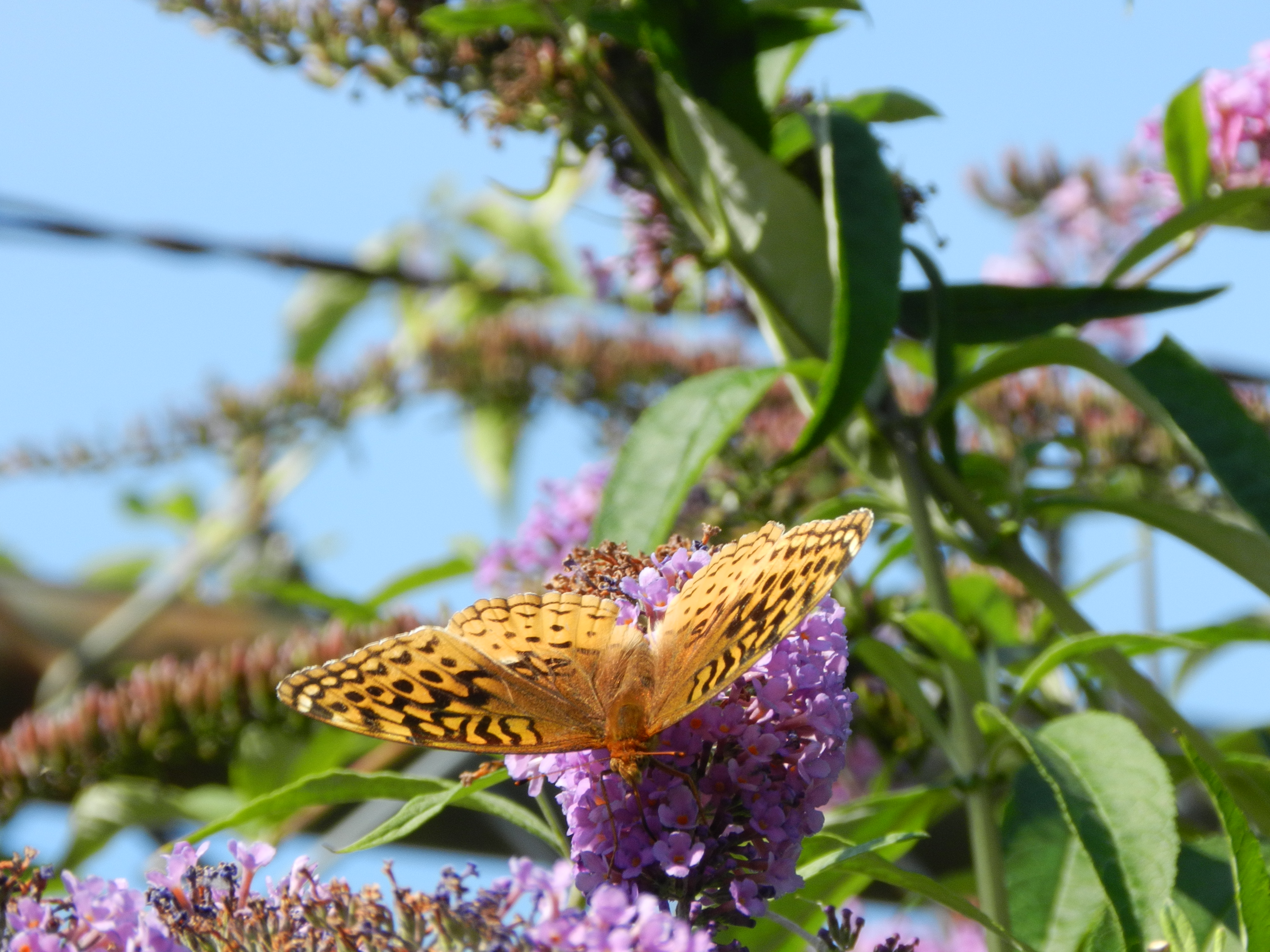
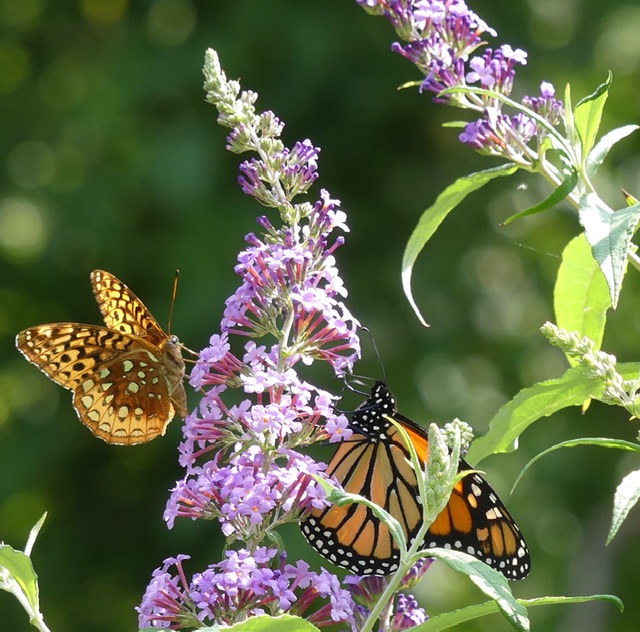
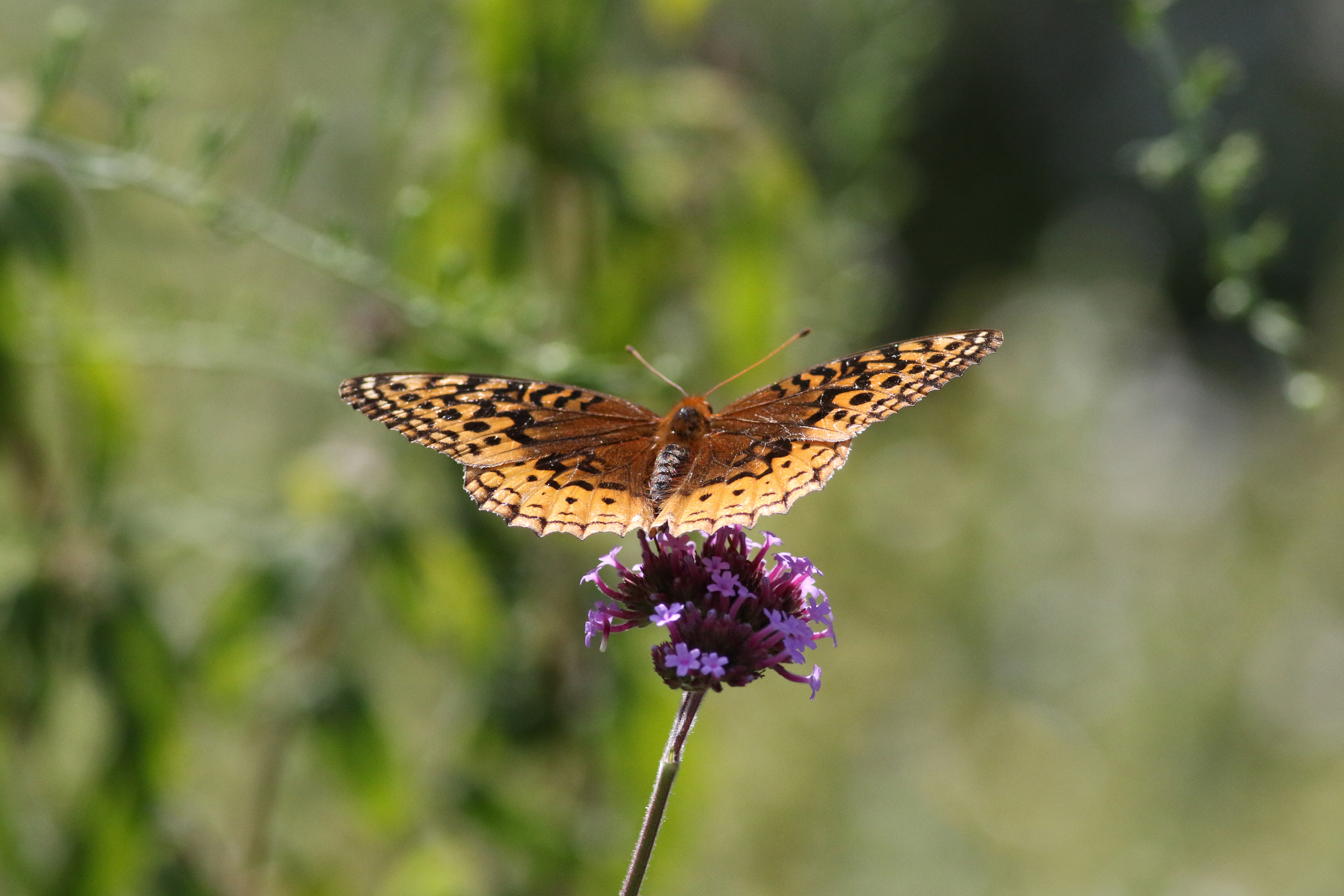
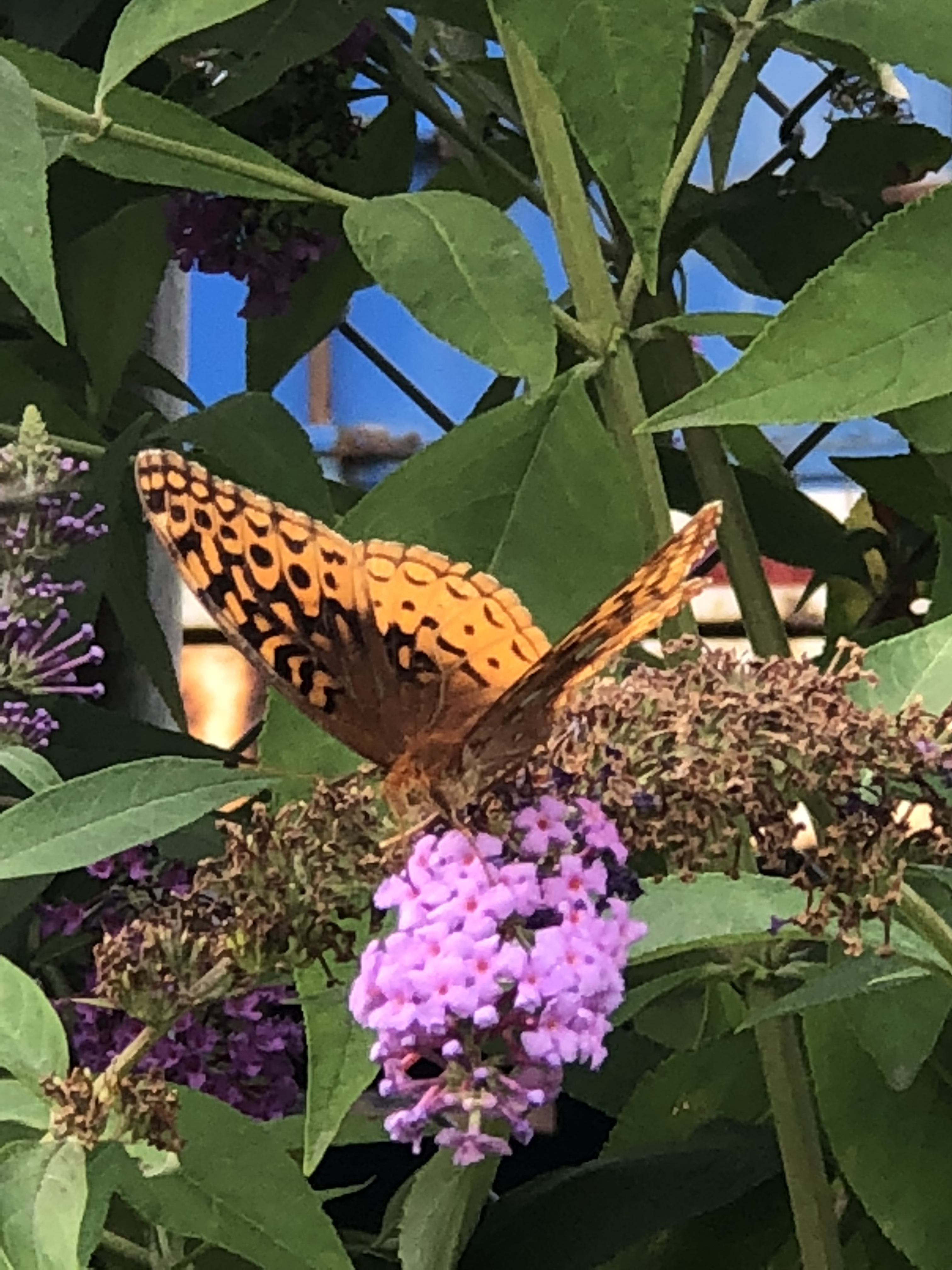
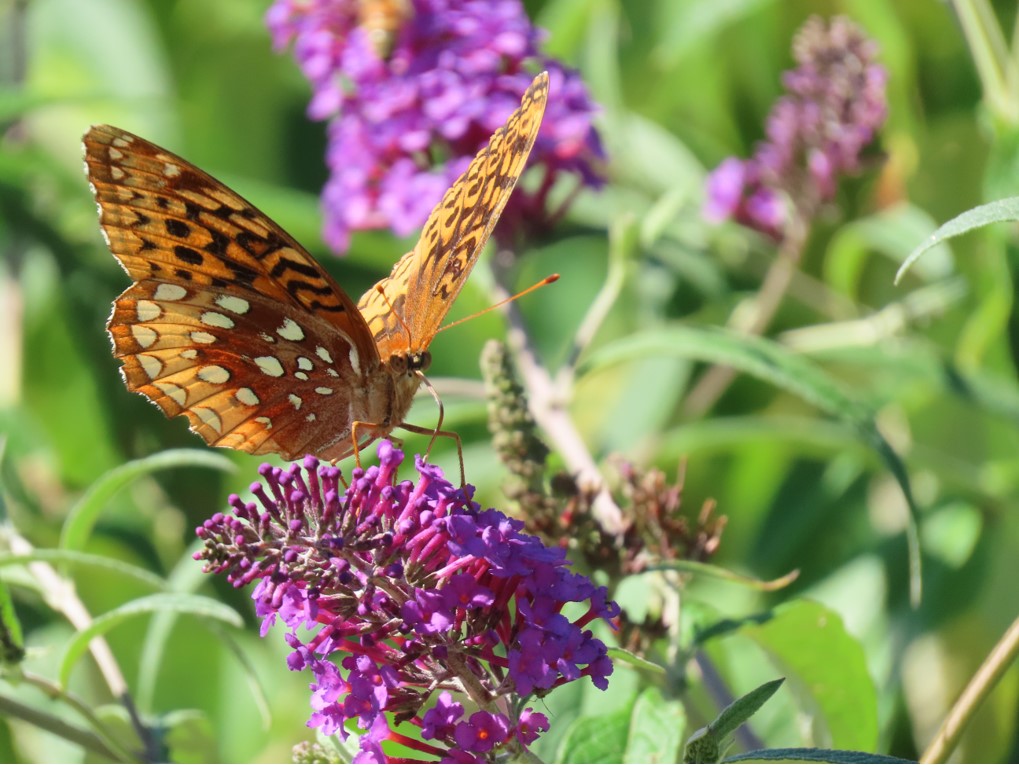
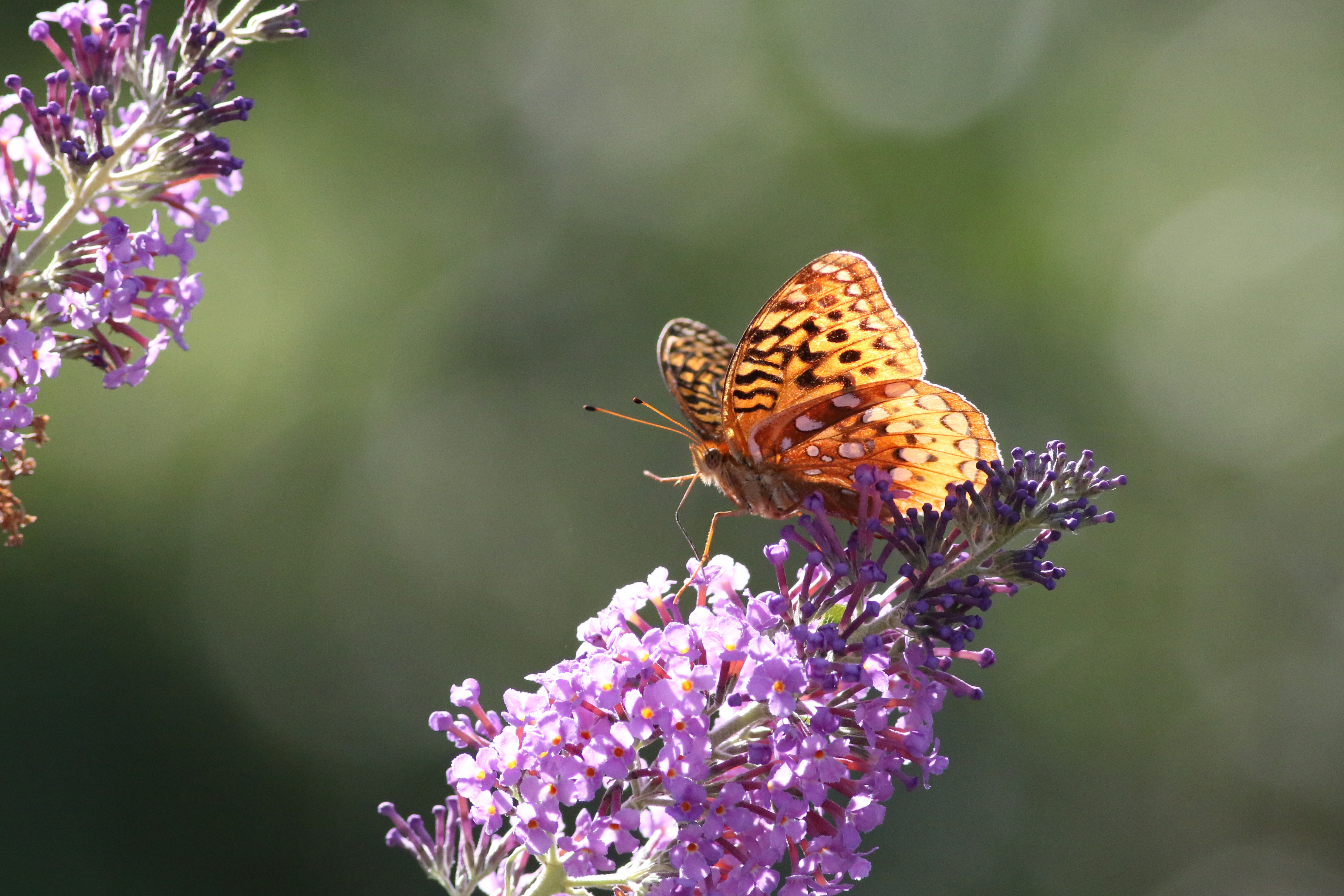
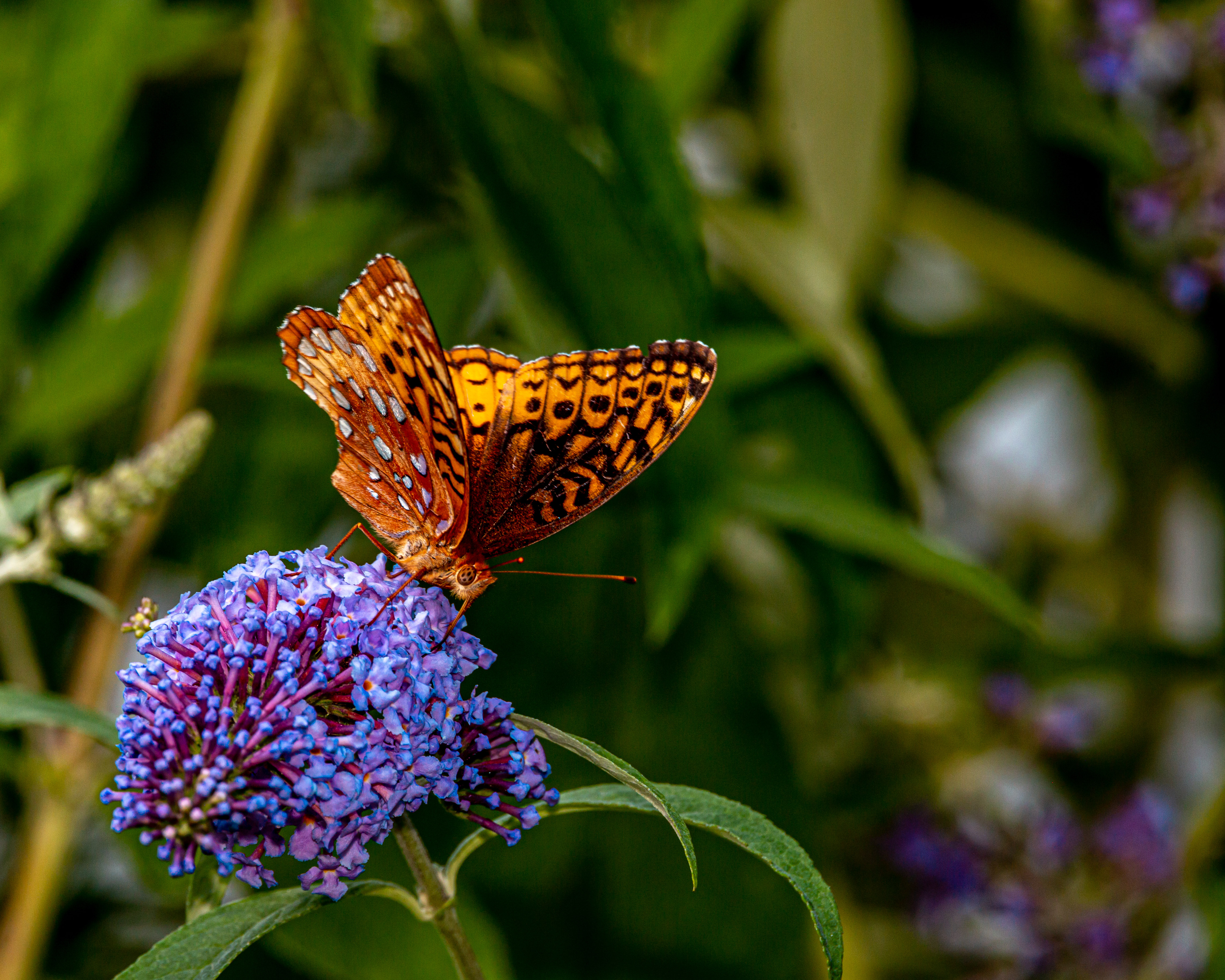
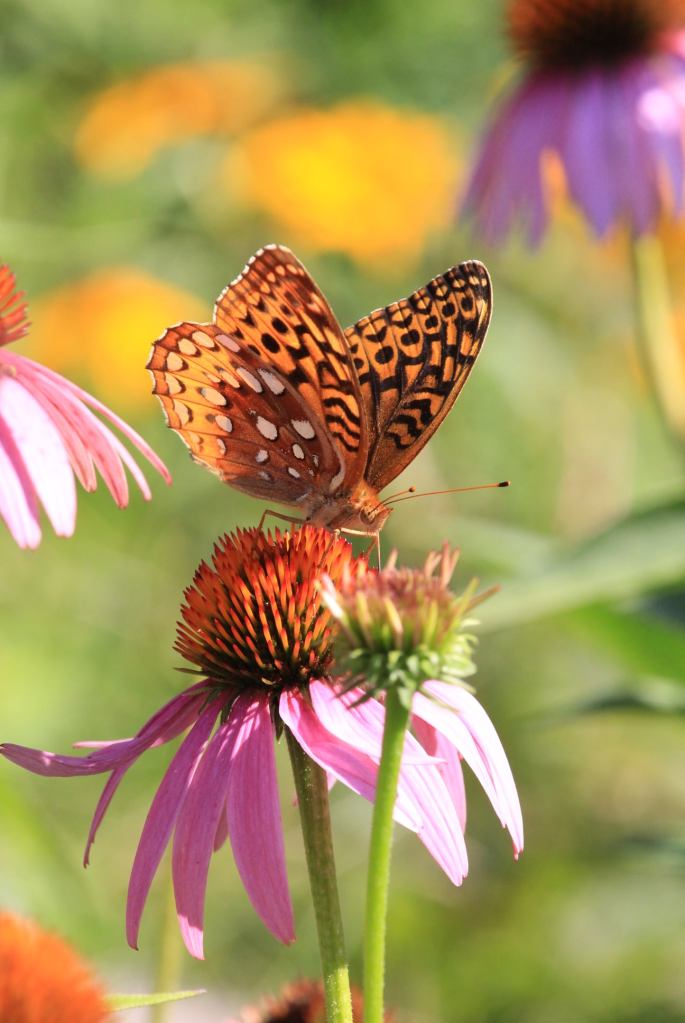
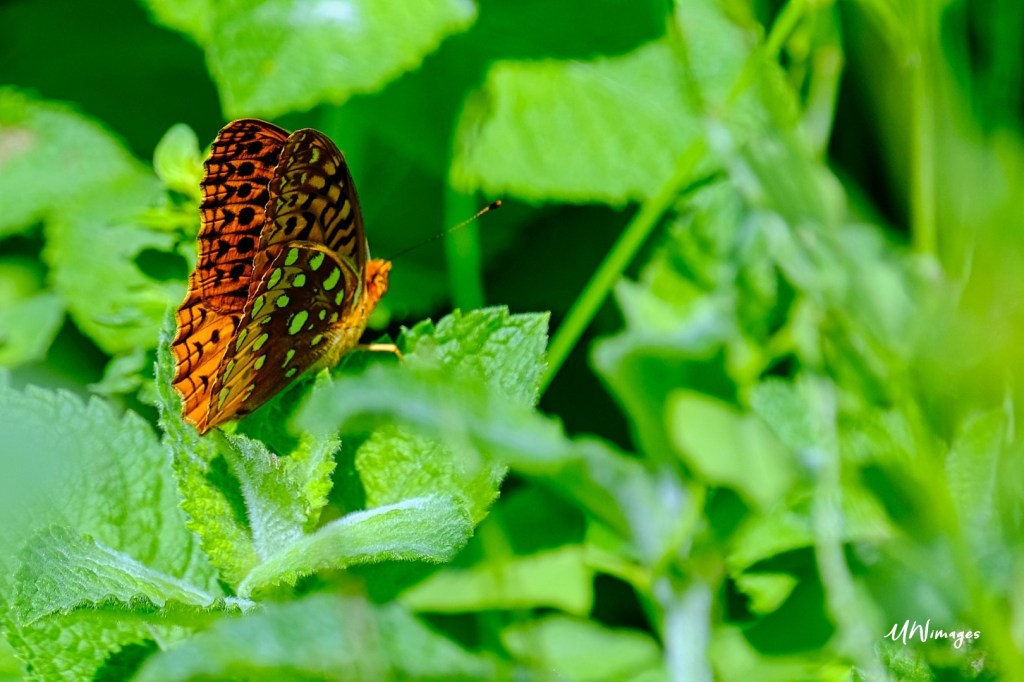
Great Spangled Fritillary August 24, 2020 Photo by Michelle Sharp
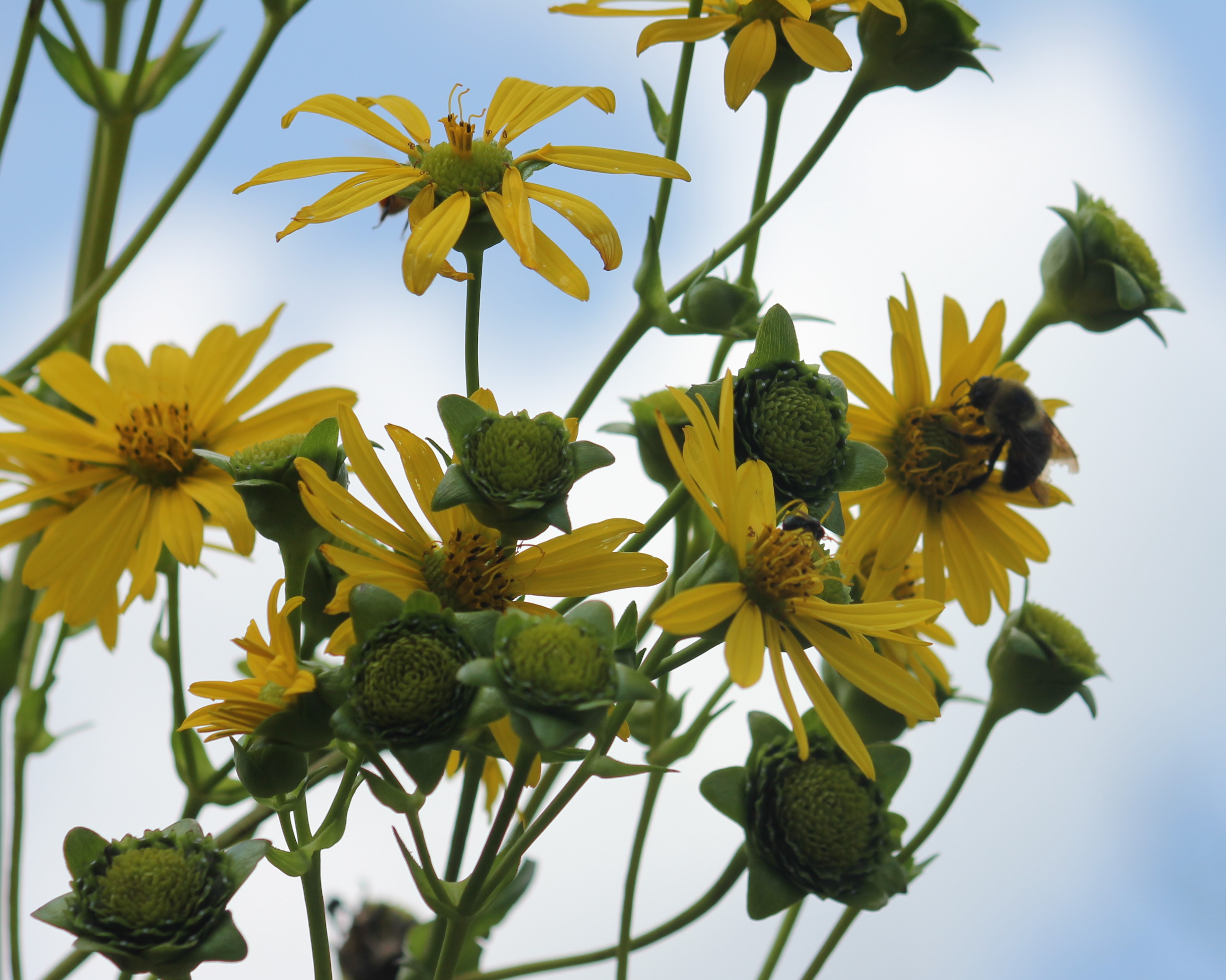
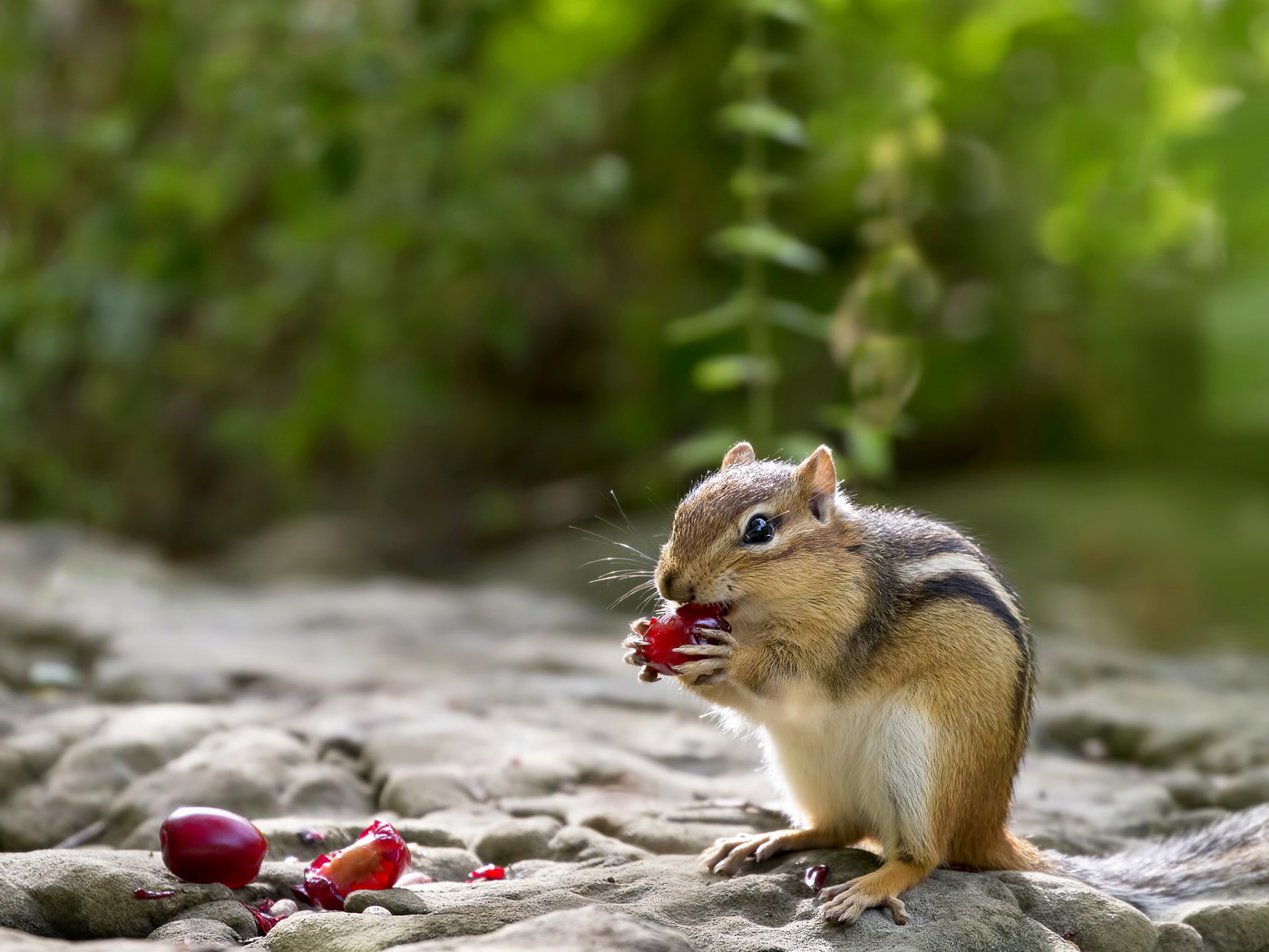
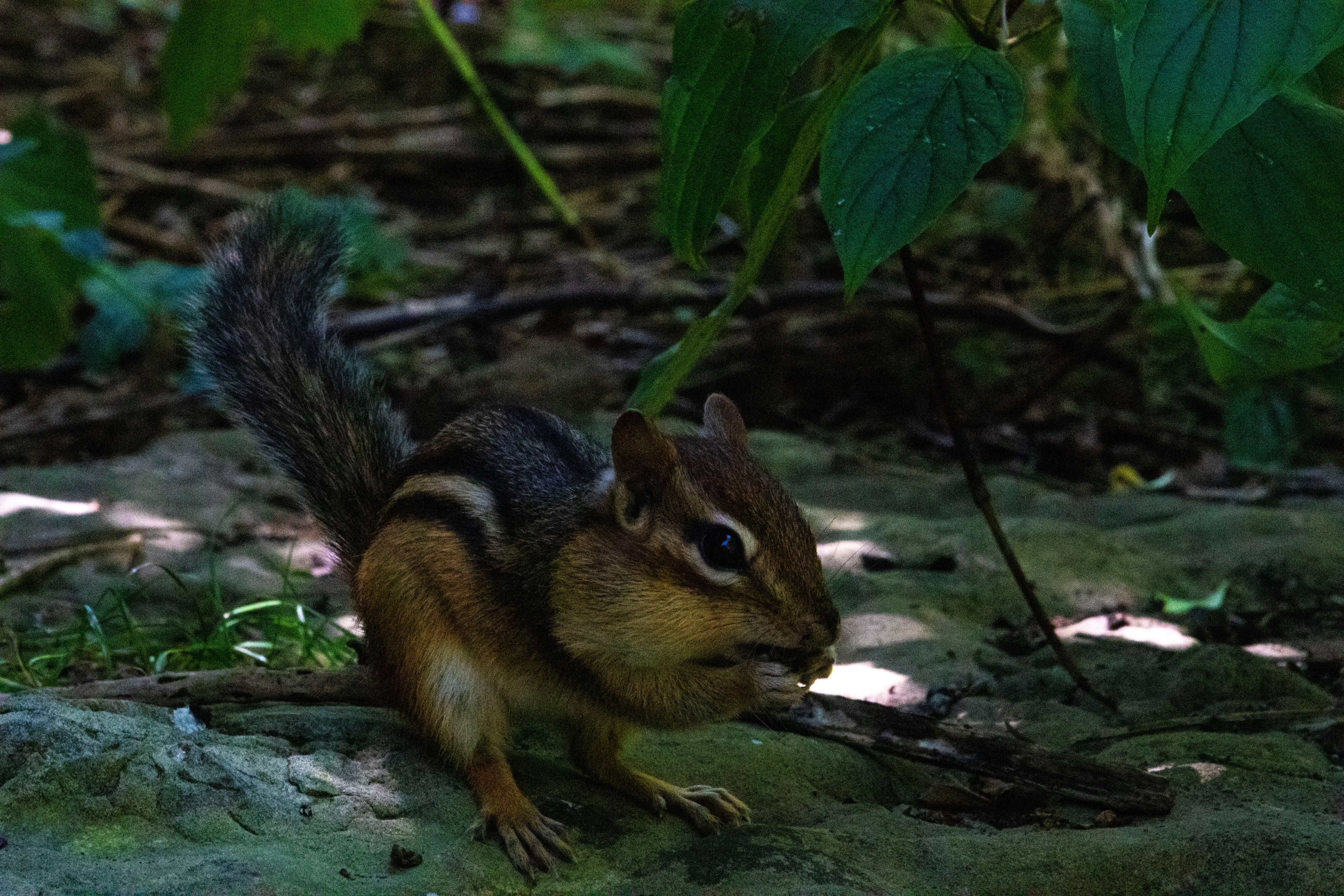
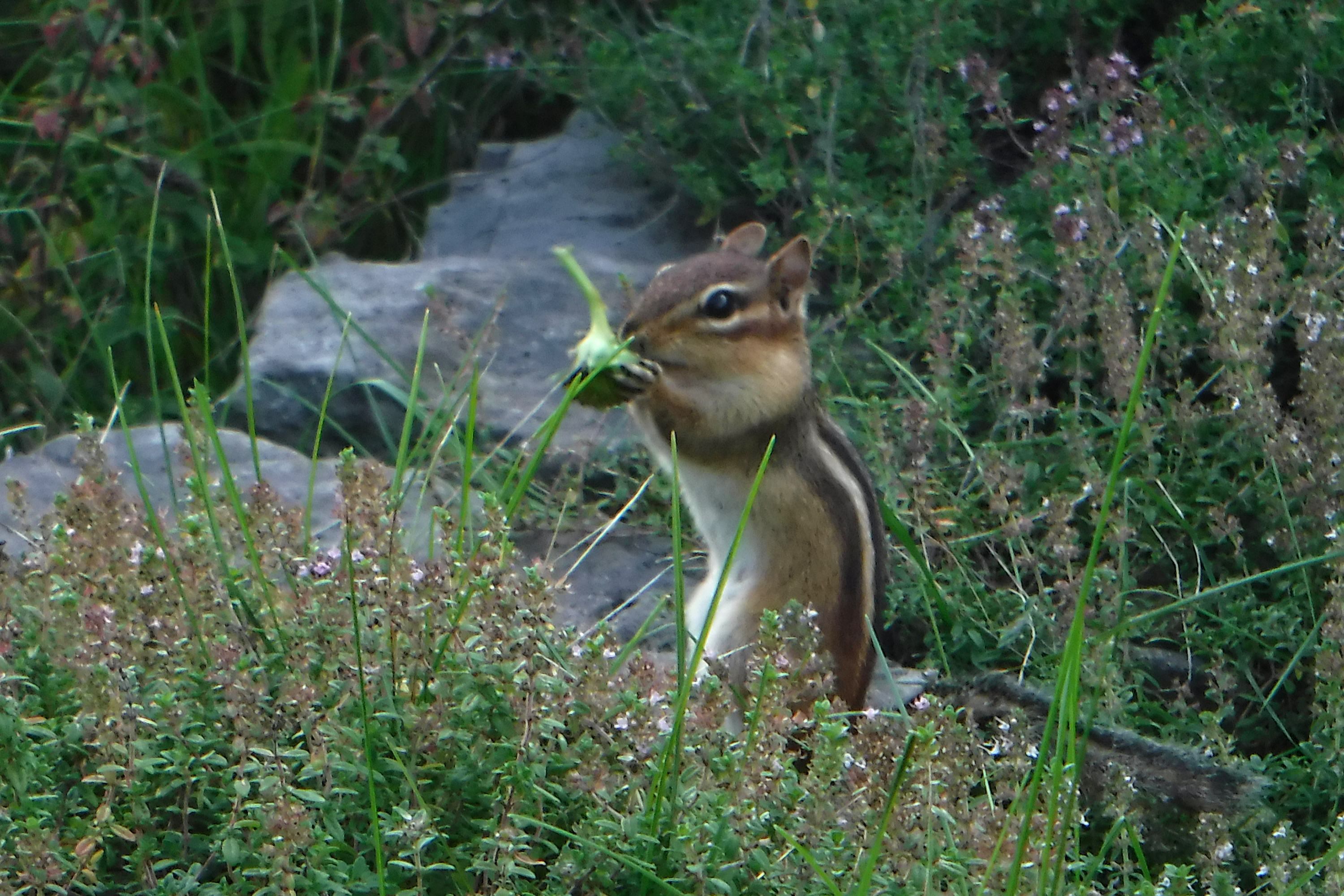
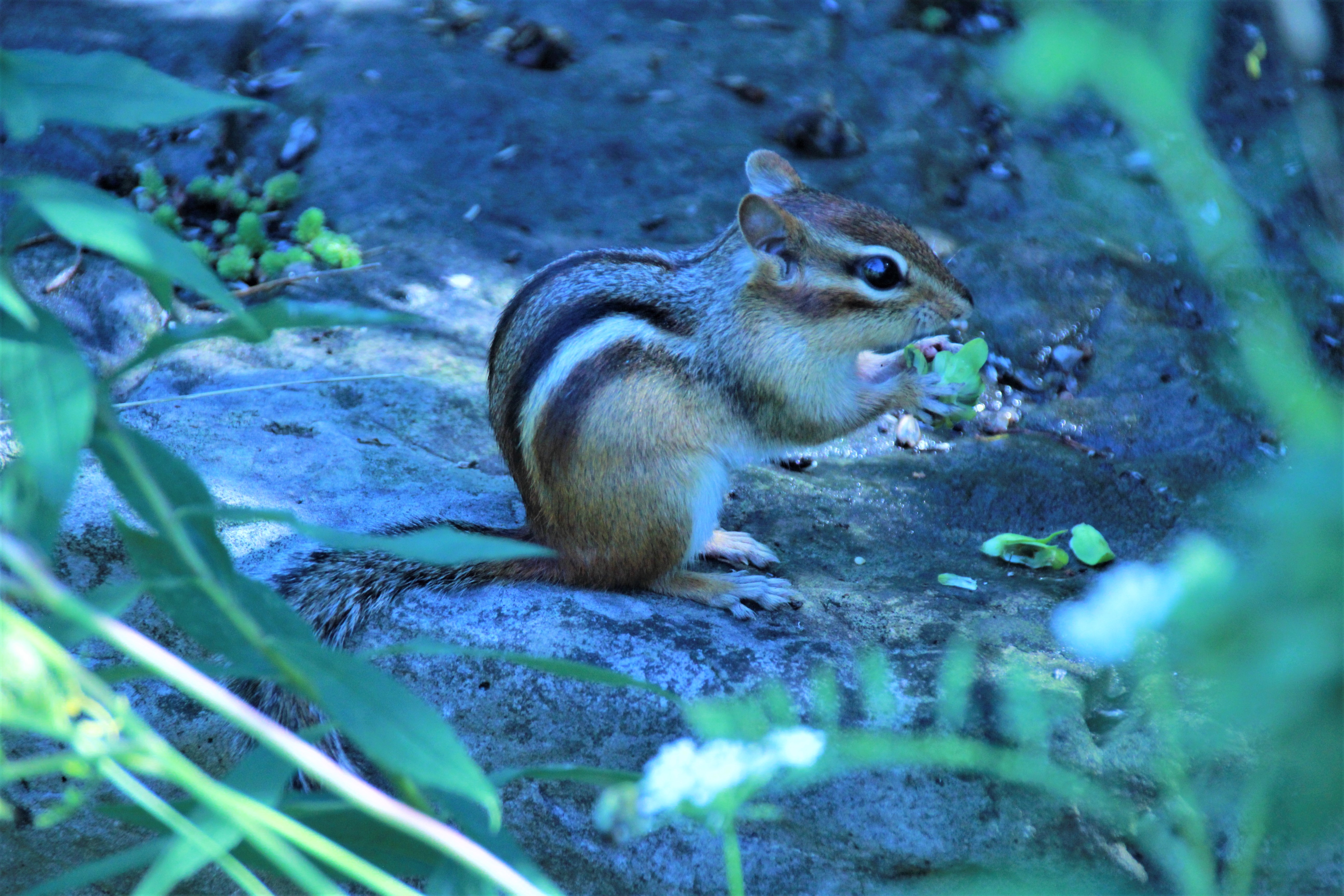
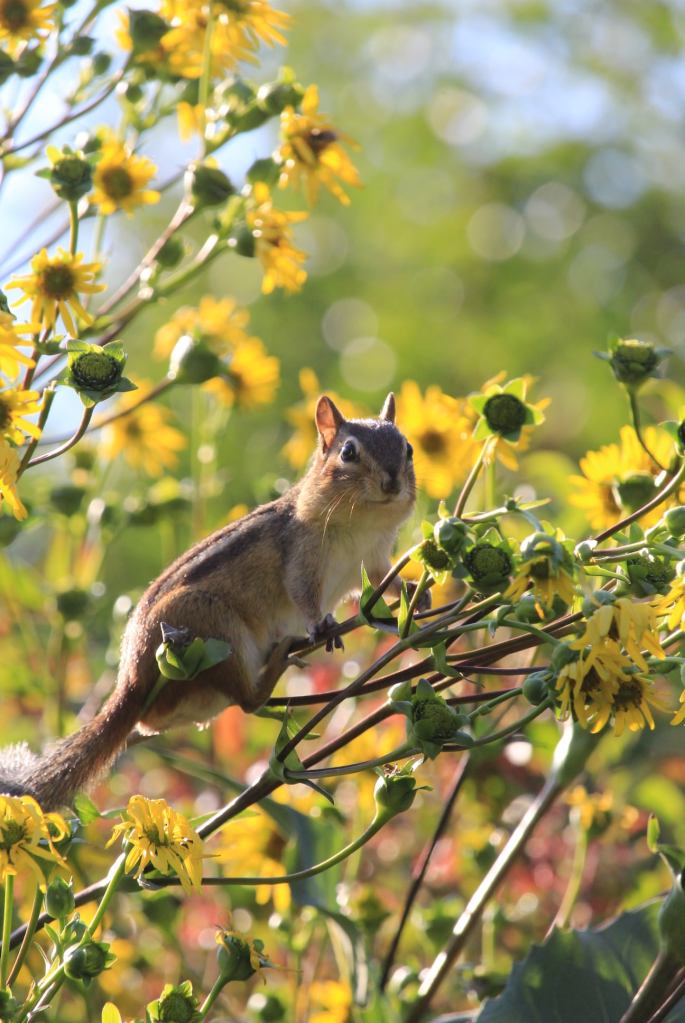
Chipmunk on Cup Plant August 22, 2020 Photo by Michelle Sharp
Yellow-collared Scape Moth August 22, 2020 Photo by Michelle Sharp
Great Spangled Fritillary August 20, 2020 Photo by Michelle Sharp
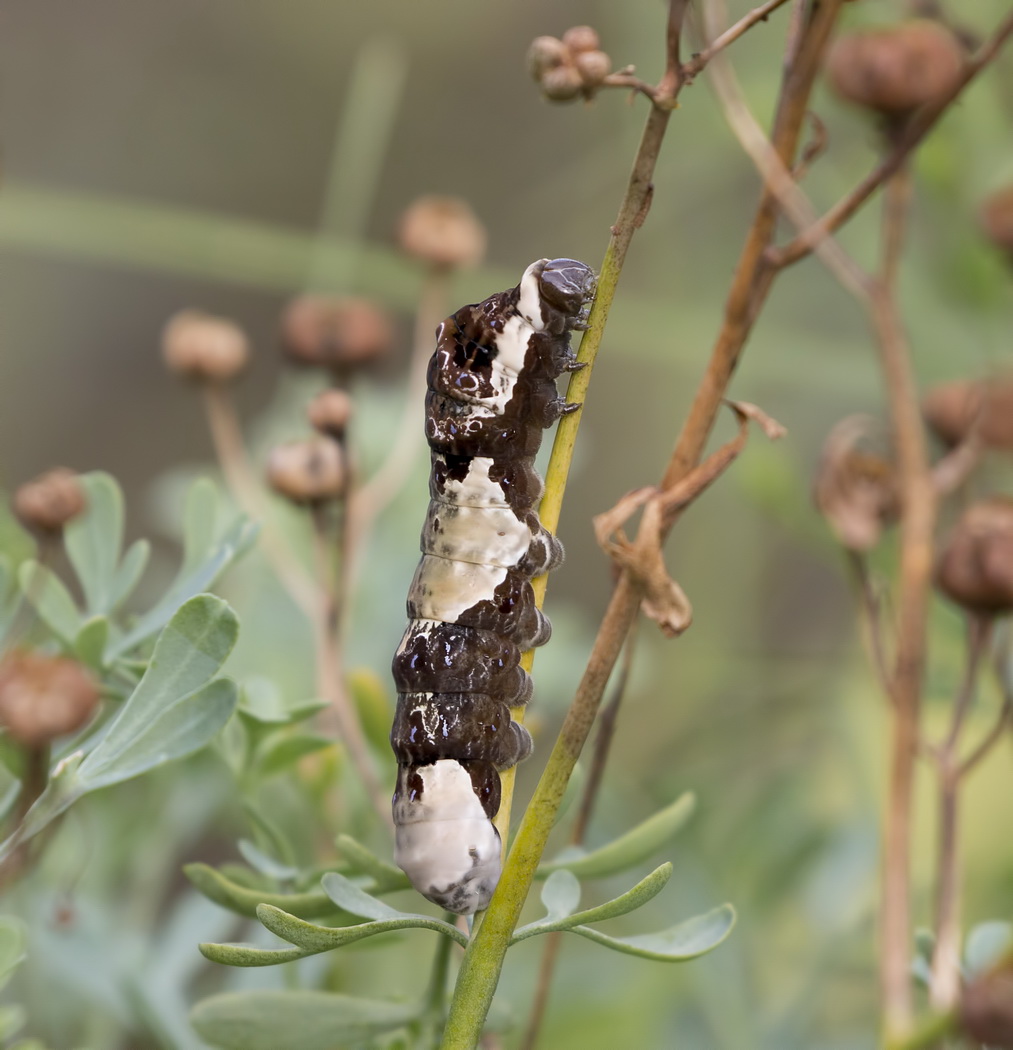
Dogbane Tiger Moth Caterpillar August 19, 2020 Photo by Michelle Sharp
Eastern Tailed Blue, female August 18, 2020 Photo by Michelle Sharp
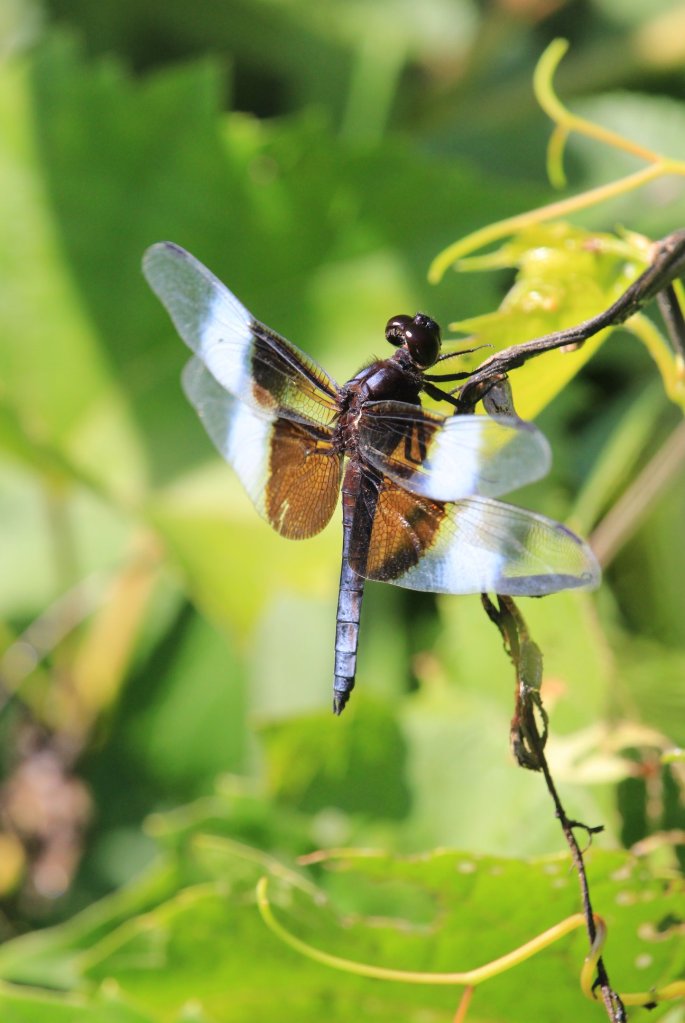
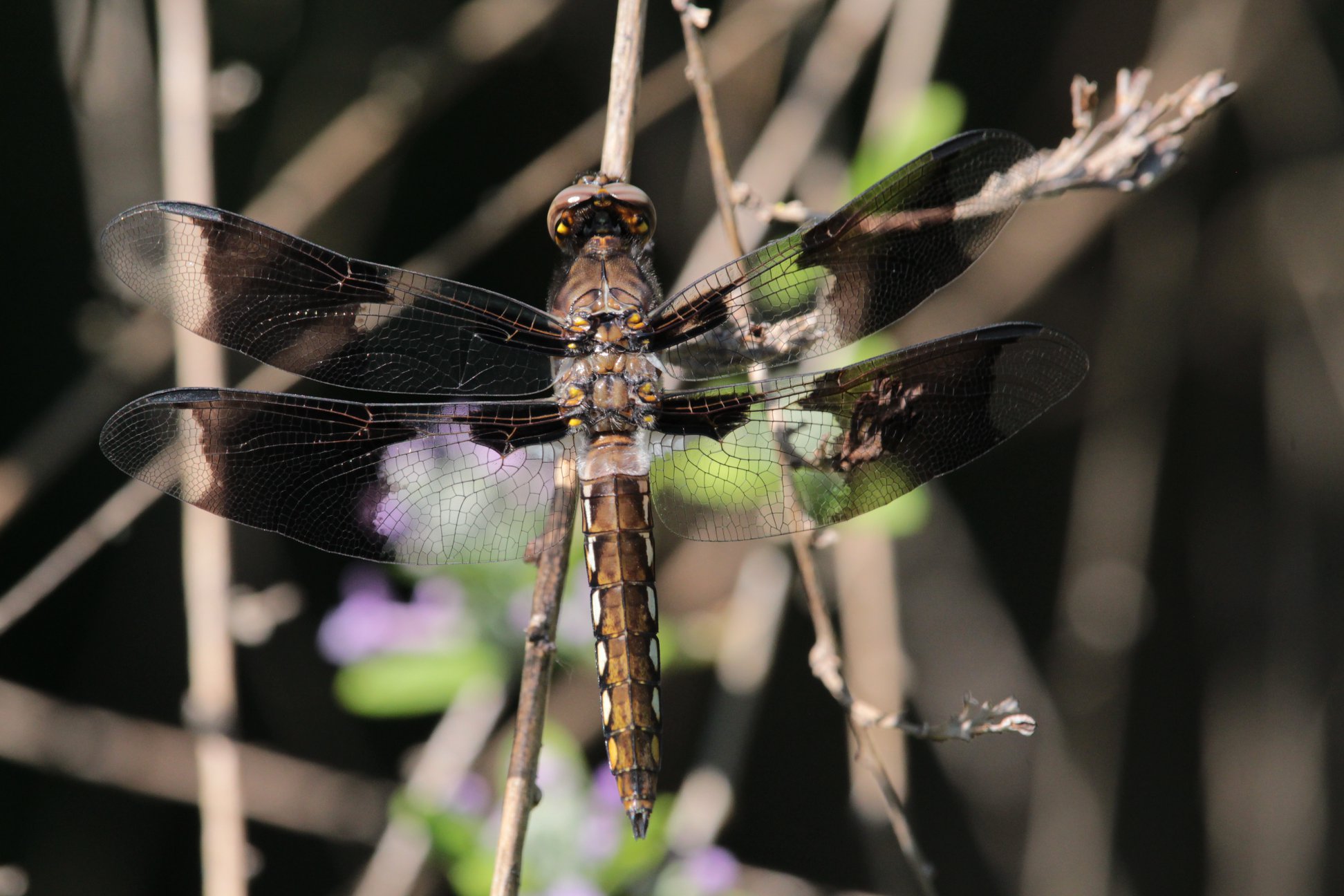
Widow Skimmer August 14, 2020 Photo by Michelle Sharp
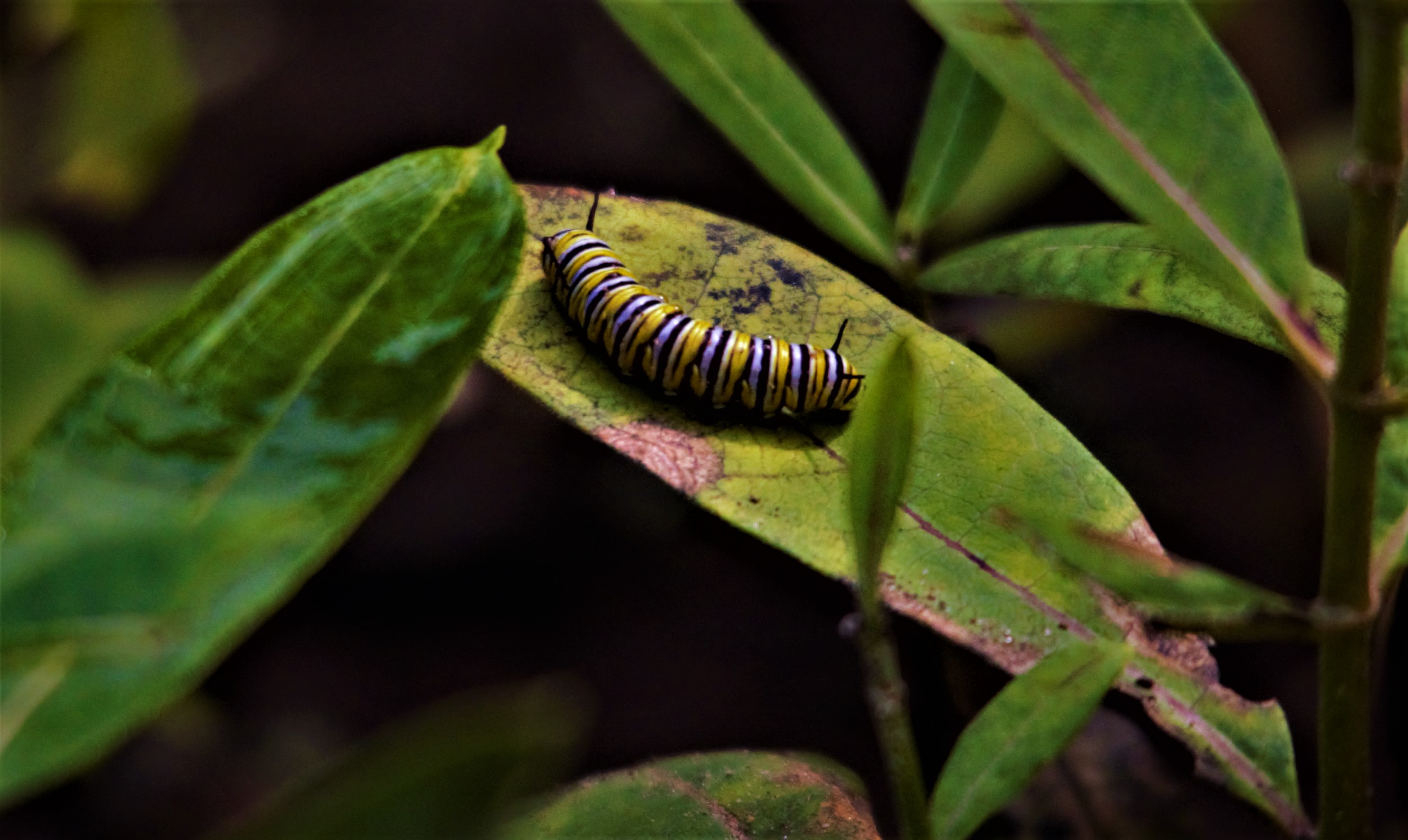
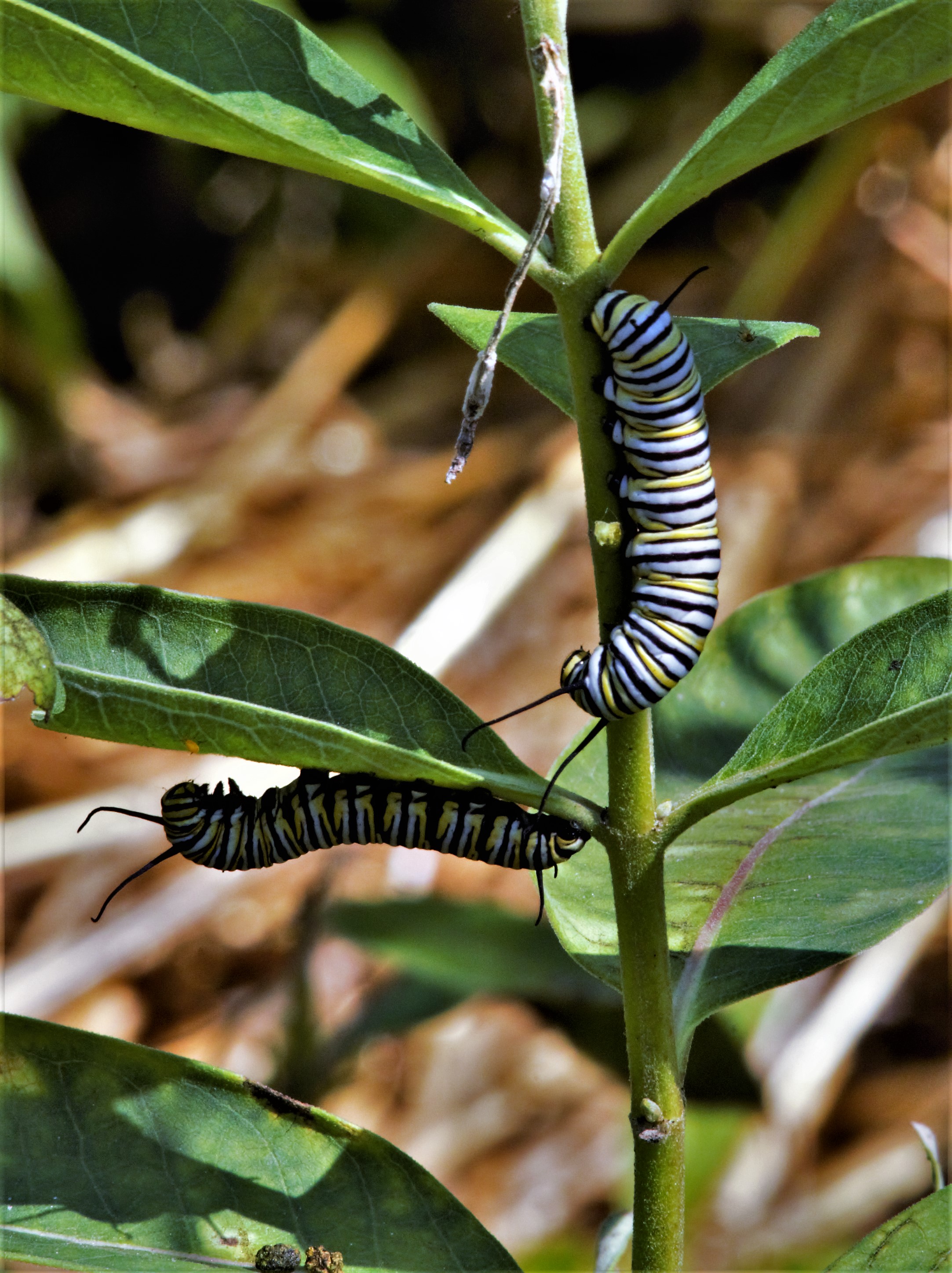
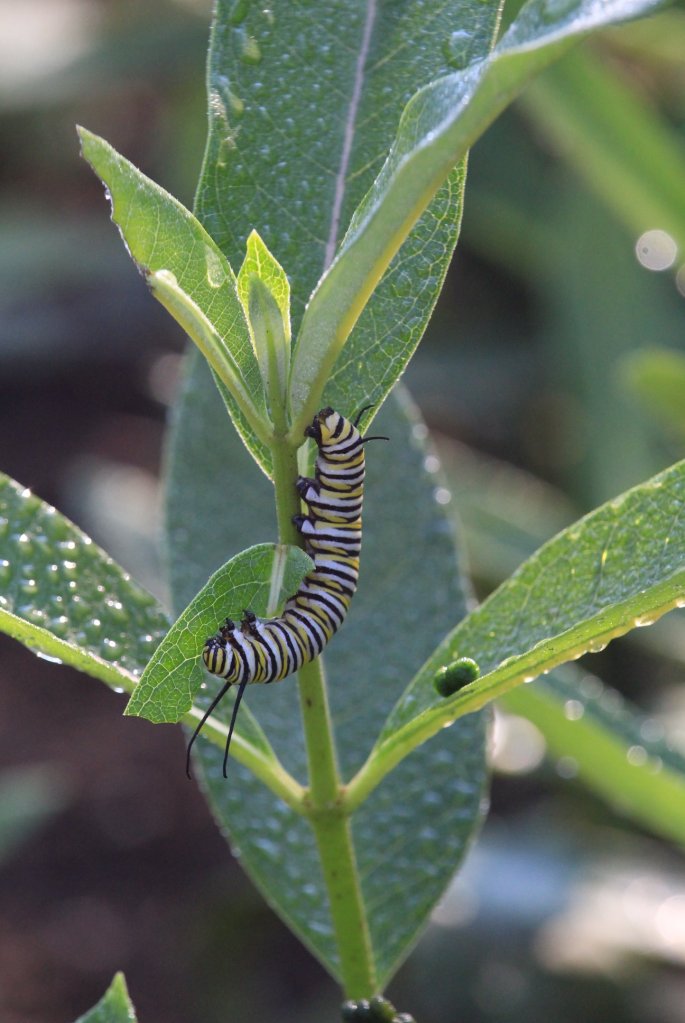
Monarch Caterpillar August 14, 2020 Photo by Michelle Sharp
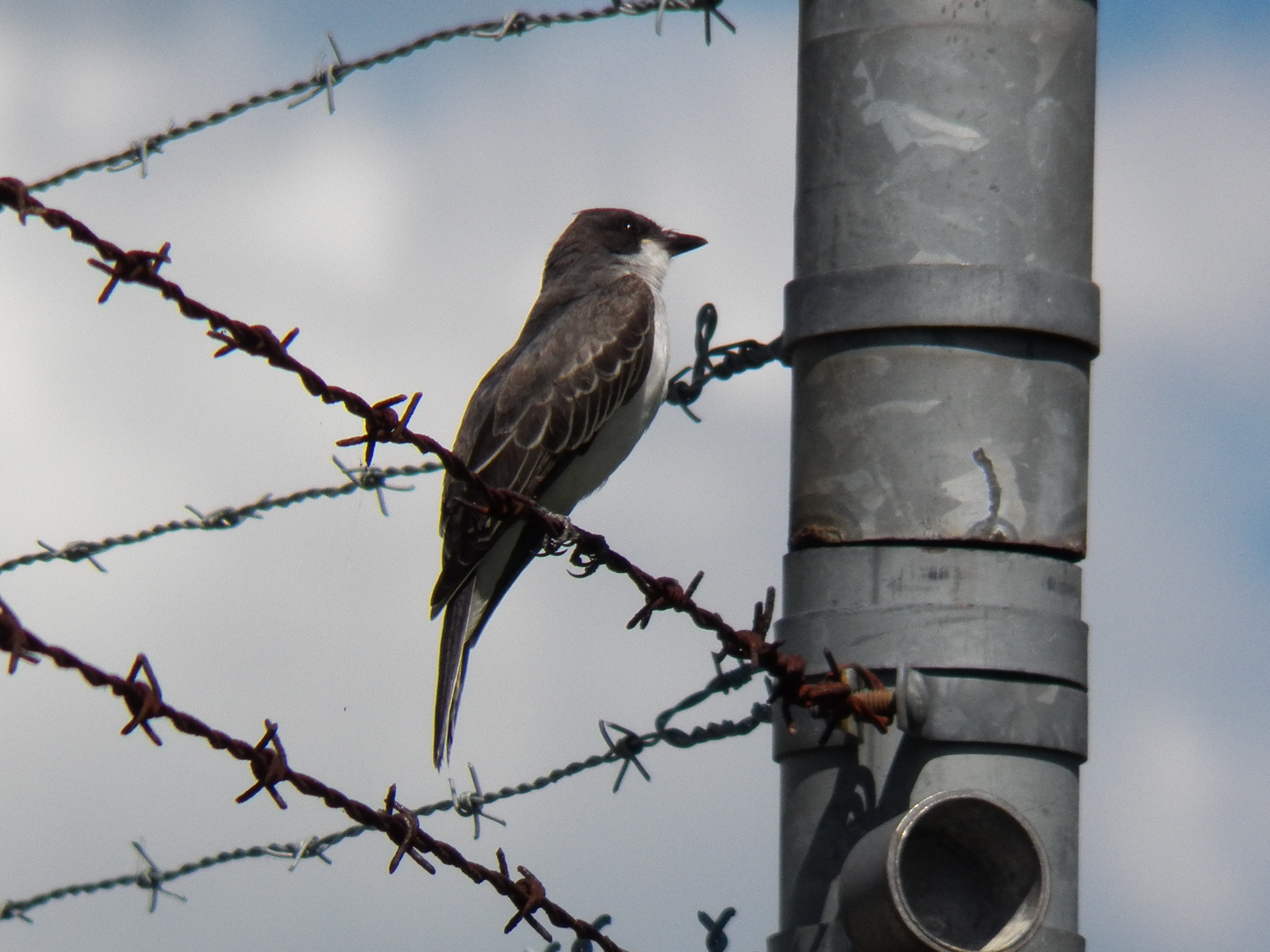
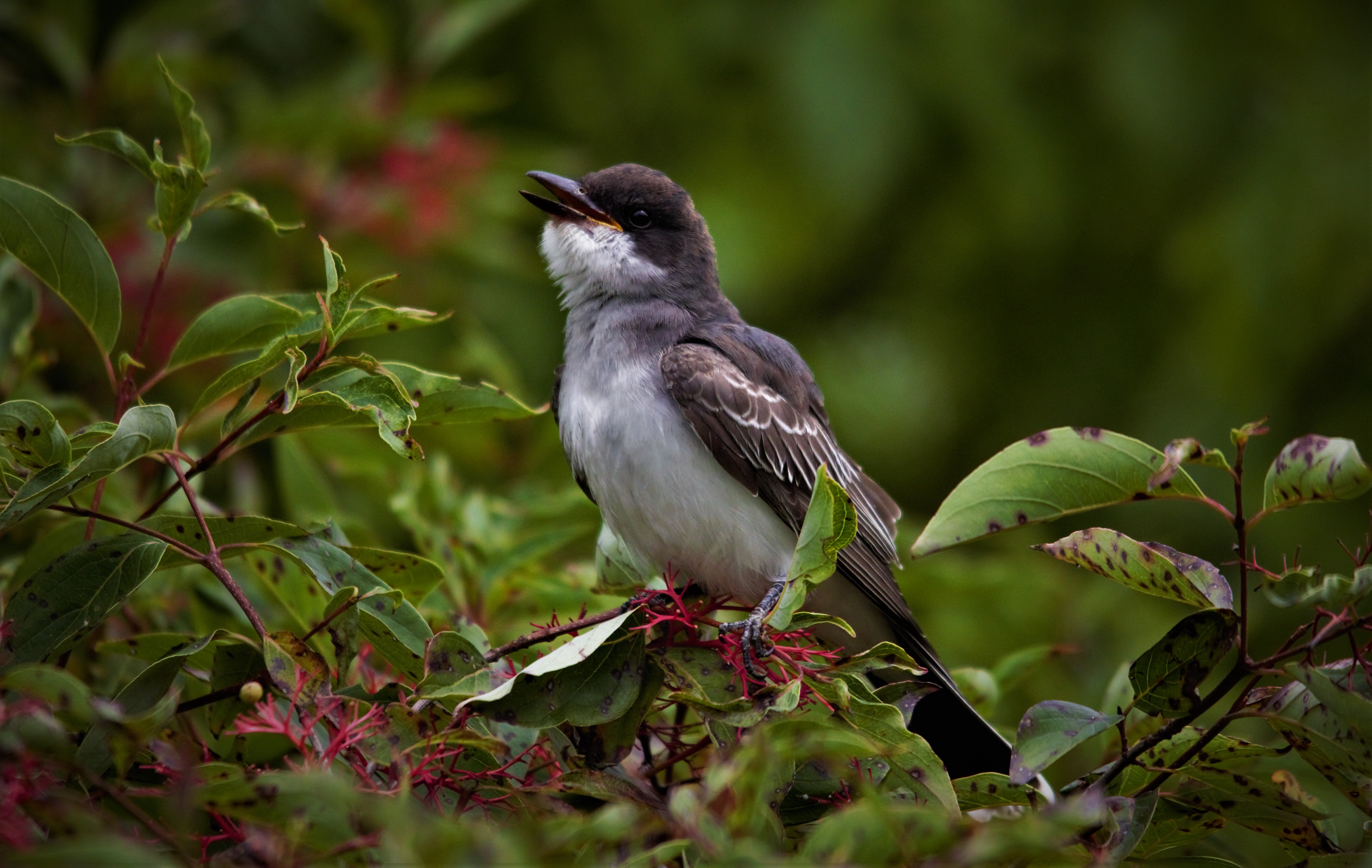
Eastern Kingbird in Dogwood August 14, 2020 Photo by Michelle Sharp
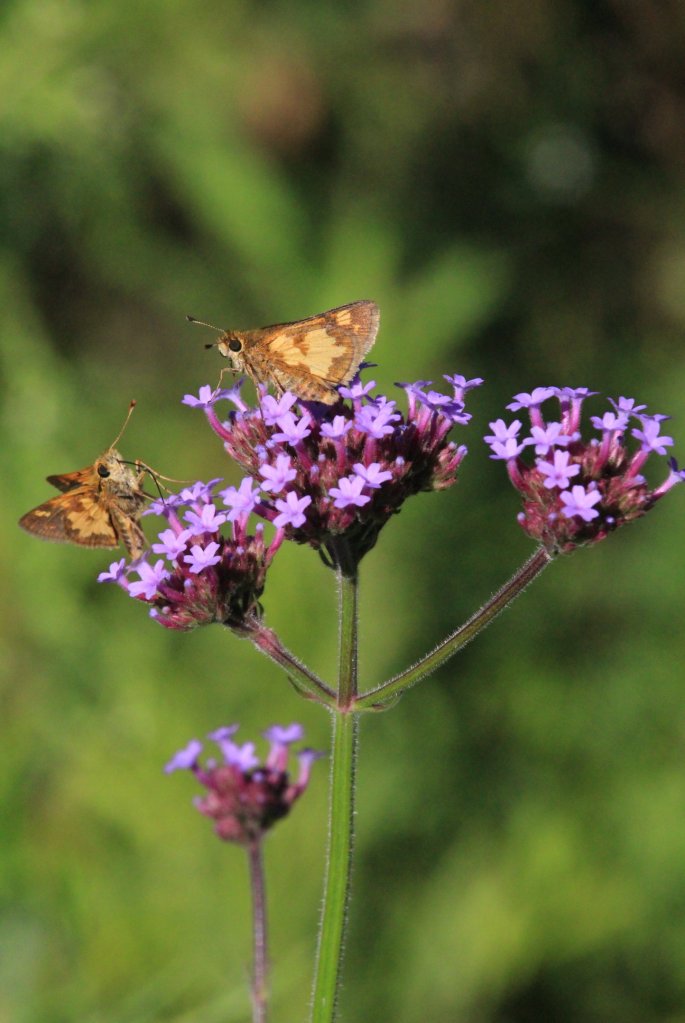
Skippers on Verbena Bonariensis August 12, 2020 Photo by Michelle Sharp
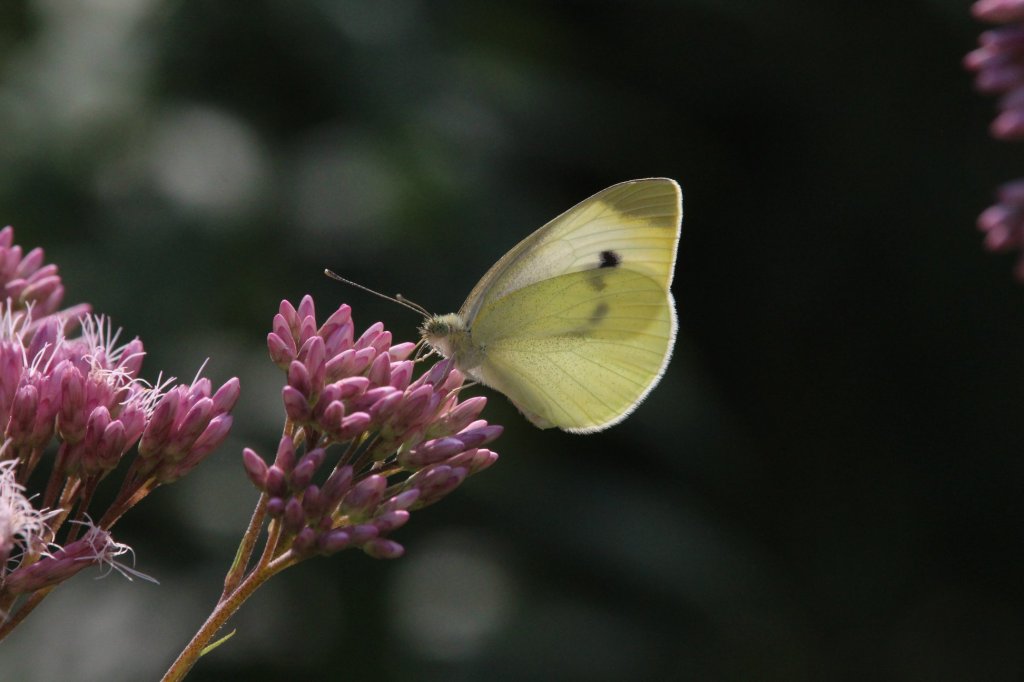
Cabbage White on Joe Pye Weed August 10, 2020 Photo by Michelle Sharp
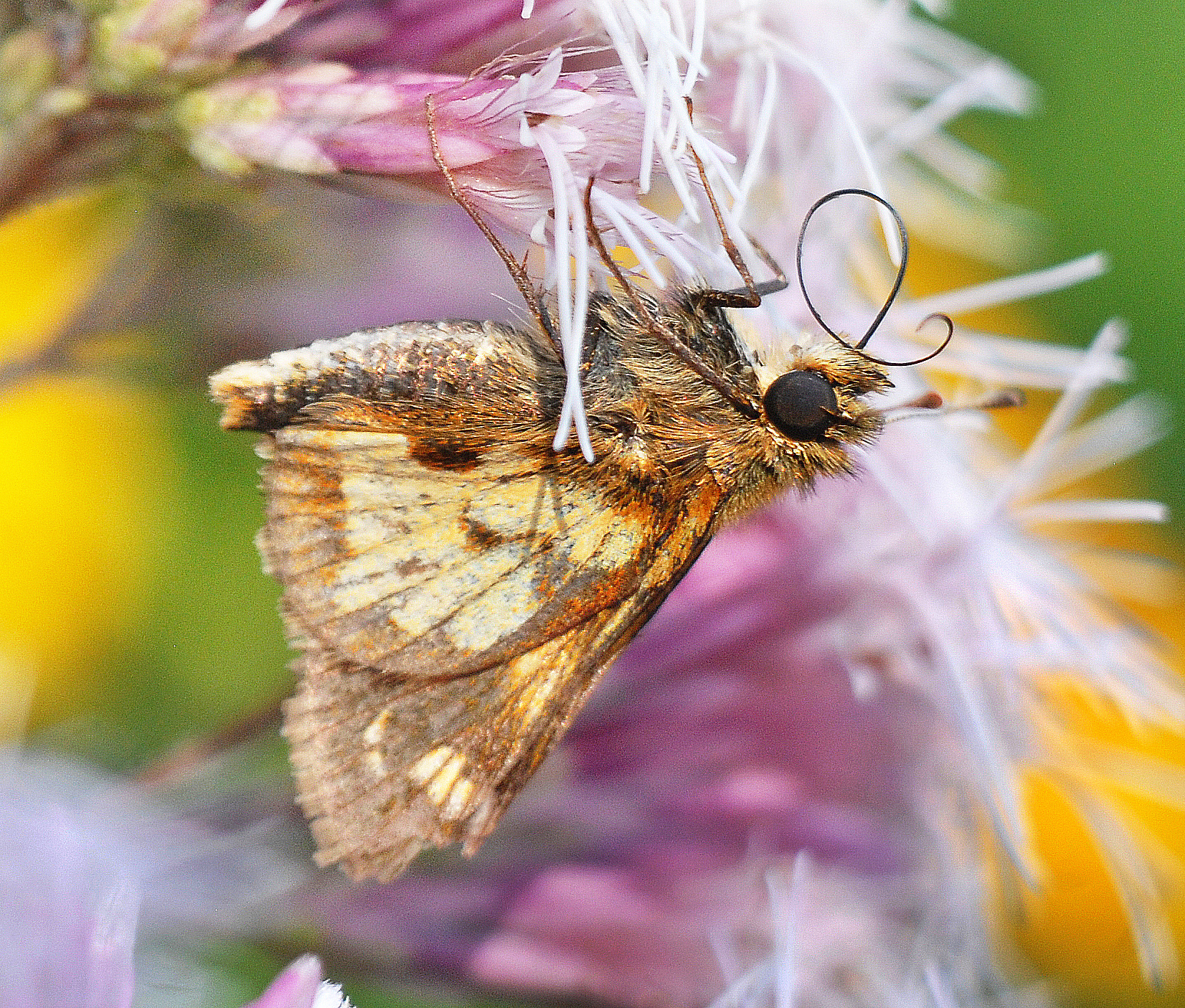
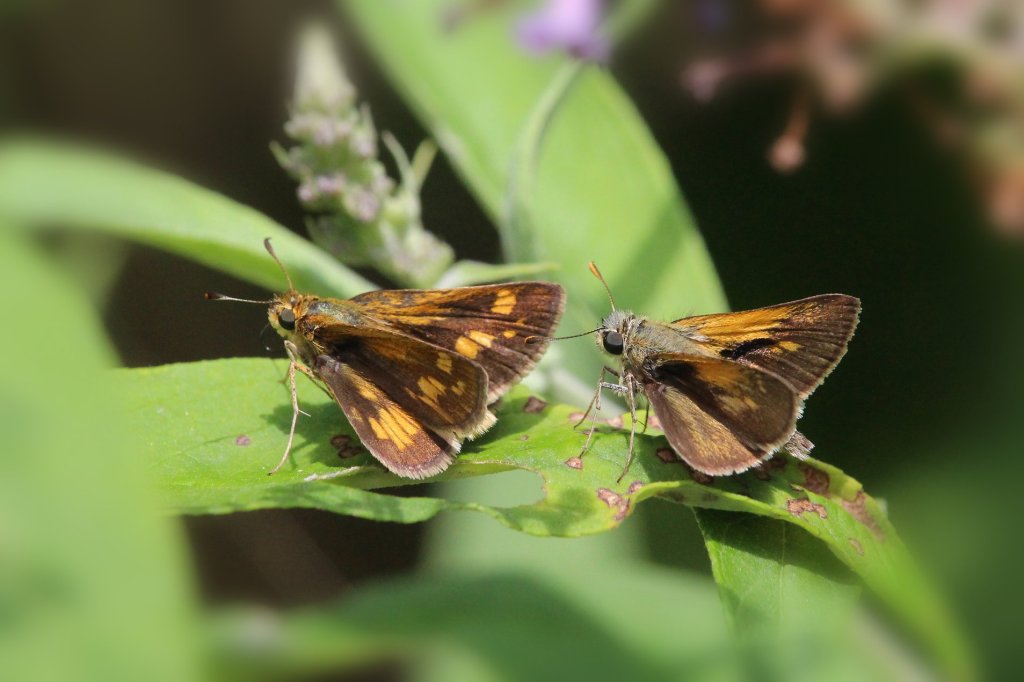
Tawny Edged Skipper with Peck’s Skipper August 9, 2020 Photo by Michelle Sharp
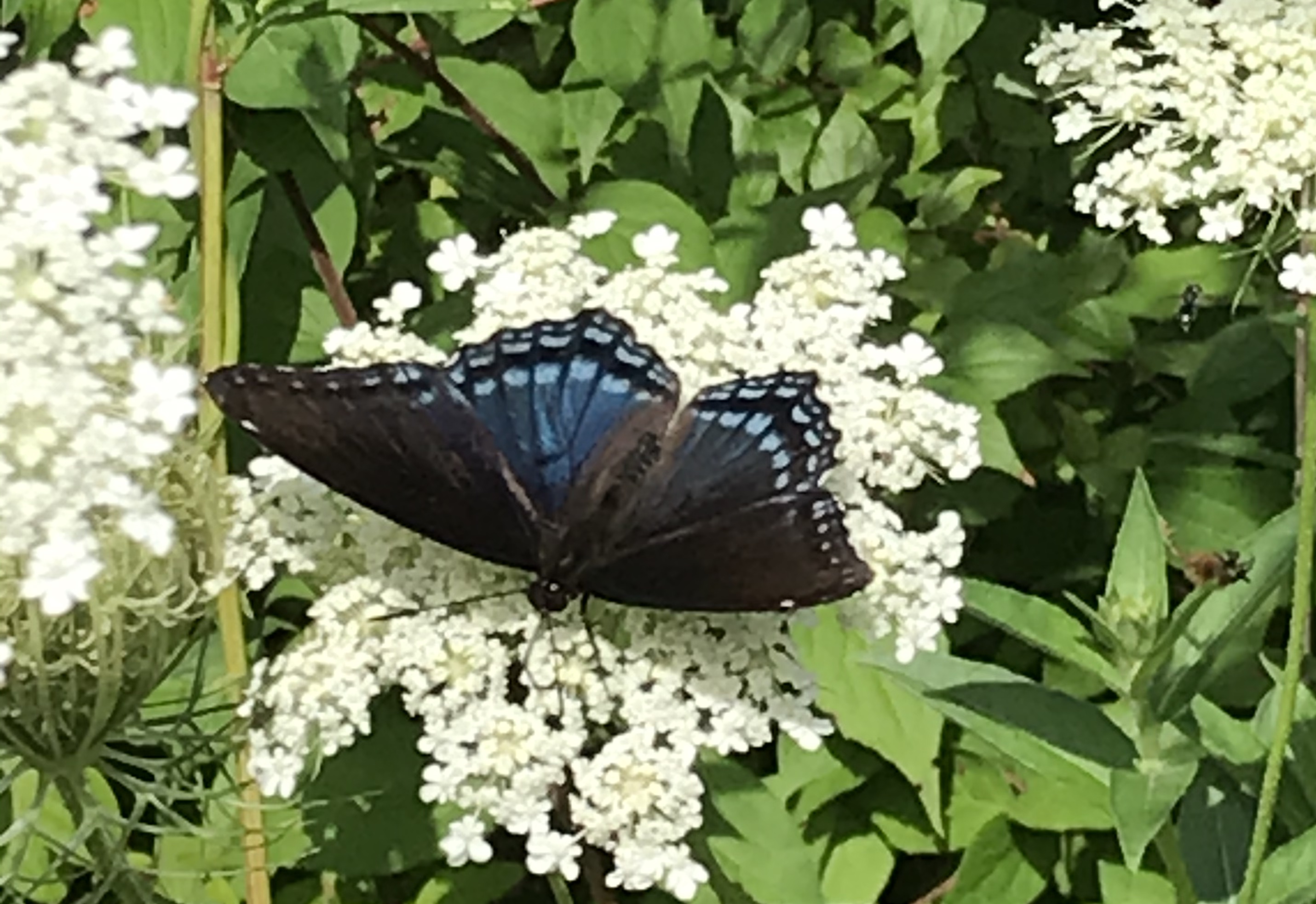
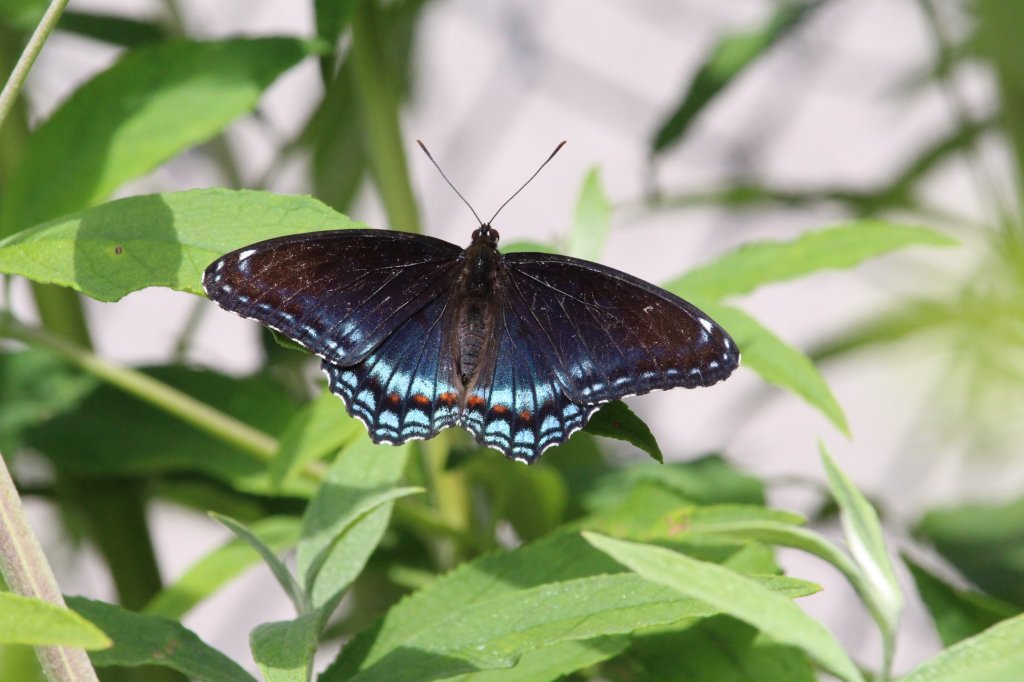
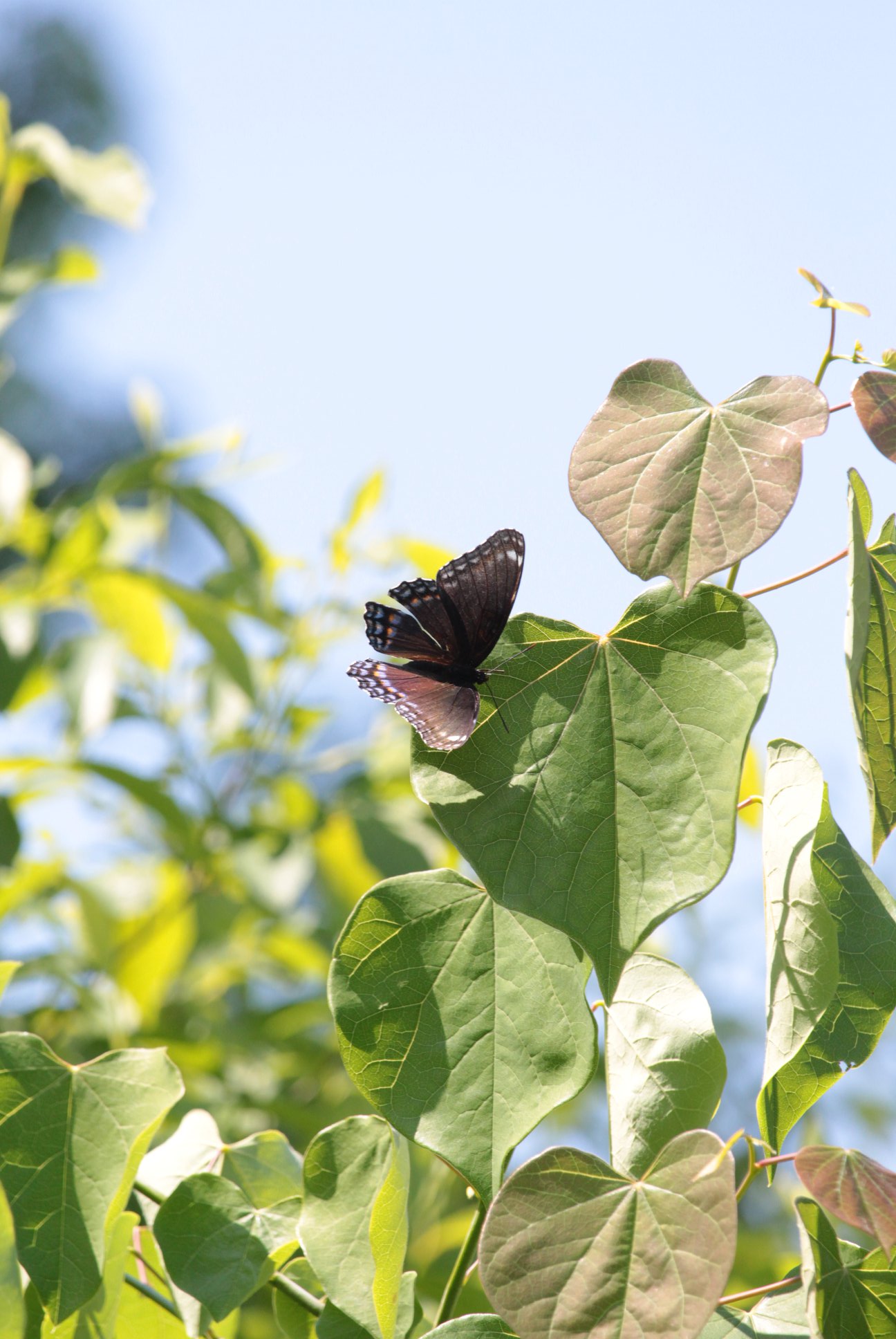
Red-spotted Purple August 9, 2020 Photo by Michelle Sharp
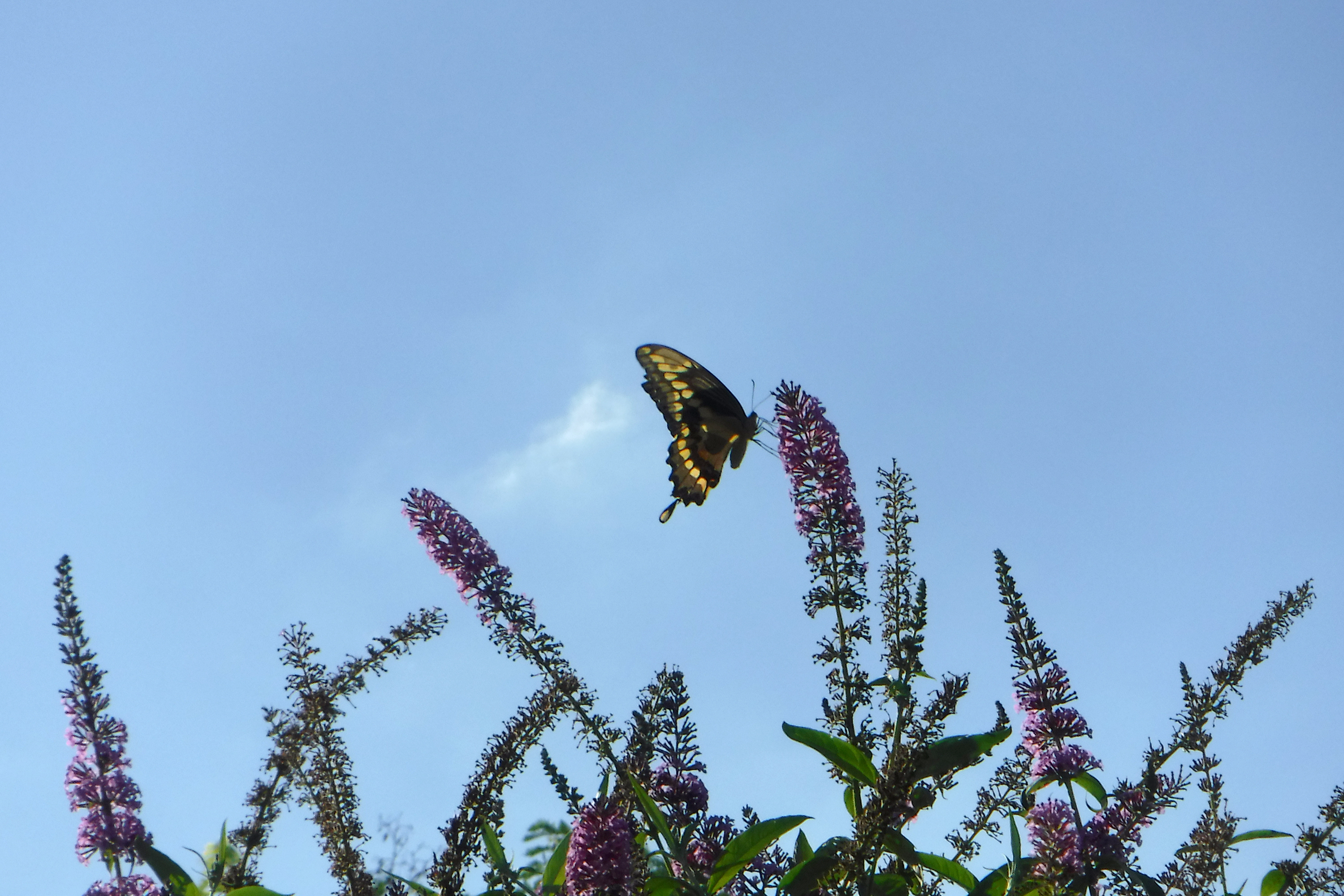
Giant Swallowtail August 3, 2020 Photo by Michelle Sharp
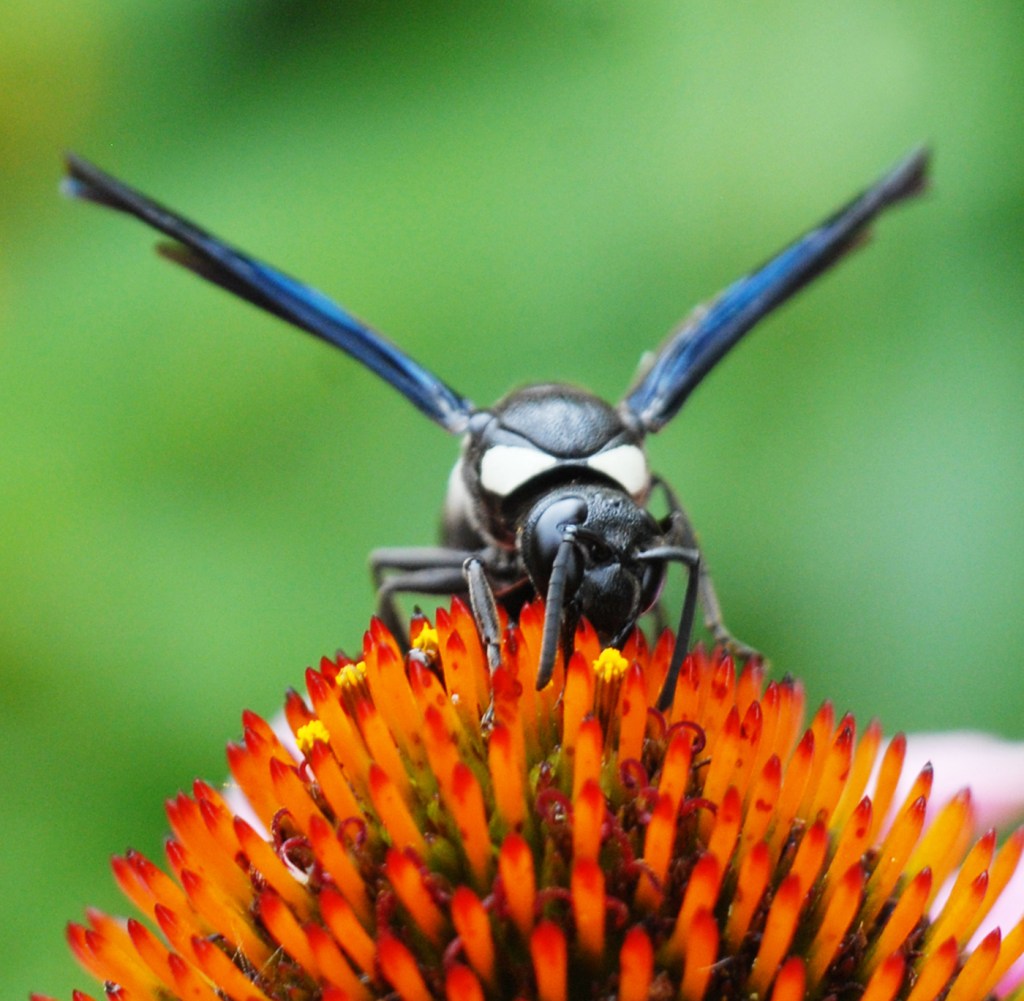
Four-Toothed Mason Wasp August 2, 2020 Photo by Ken Kerr
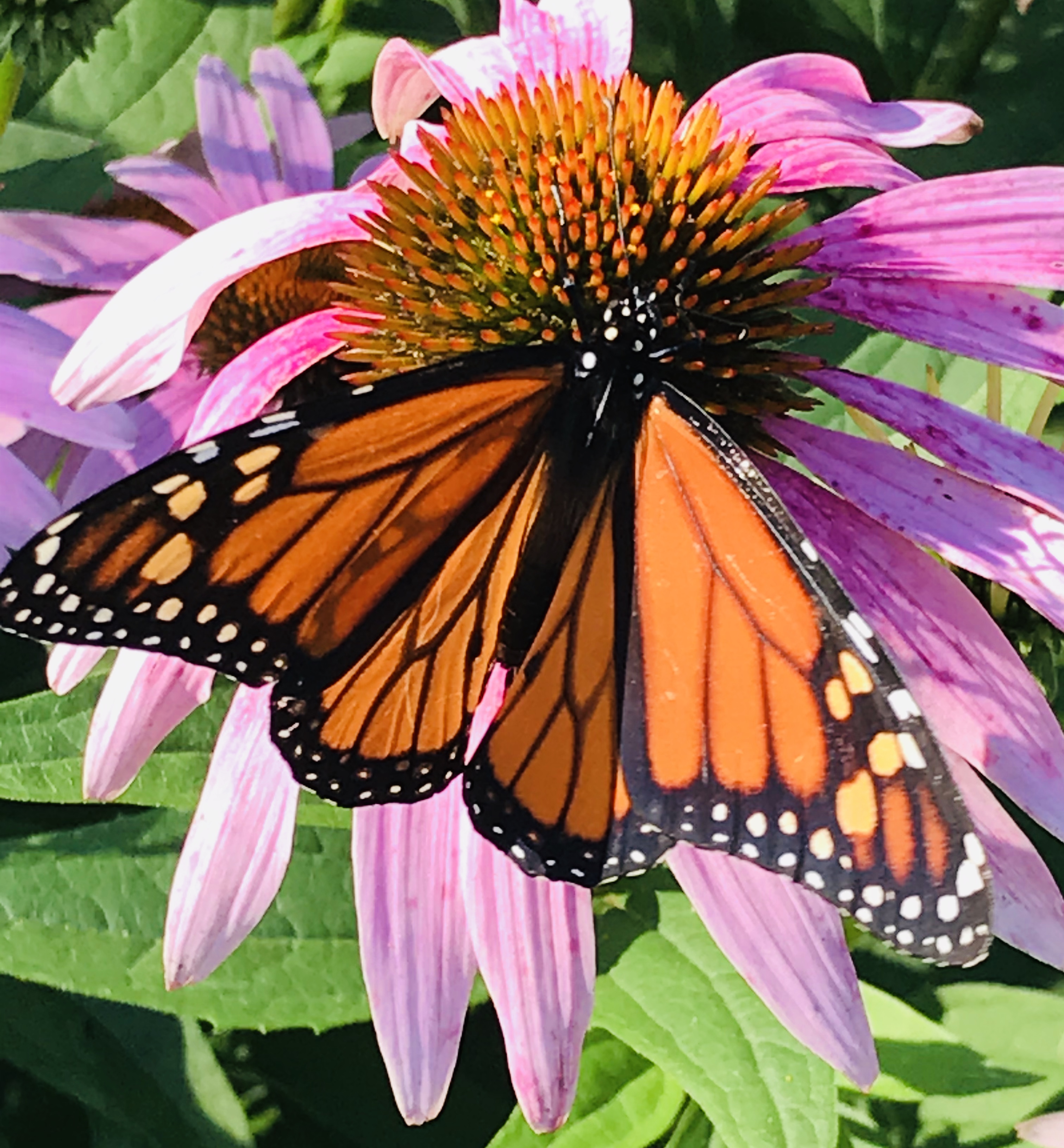
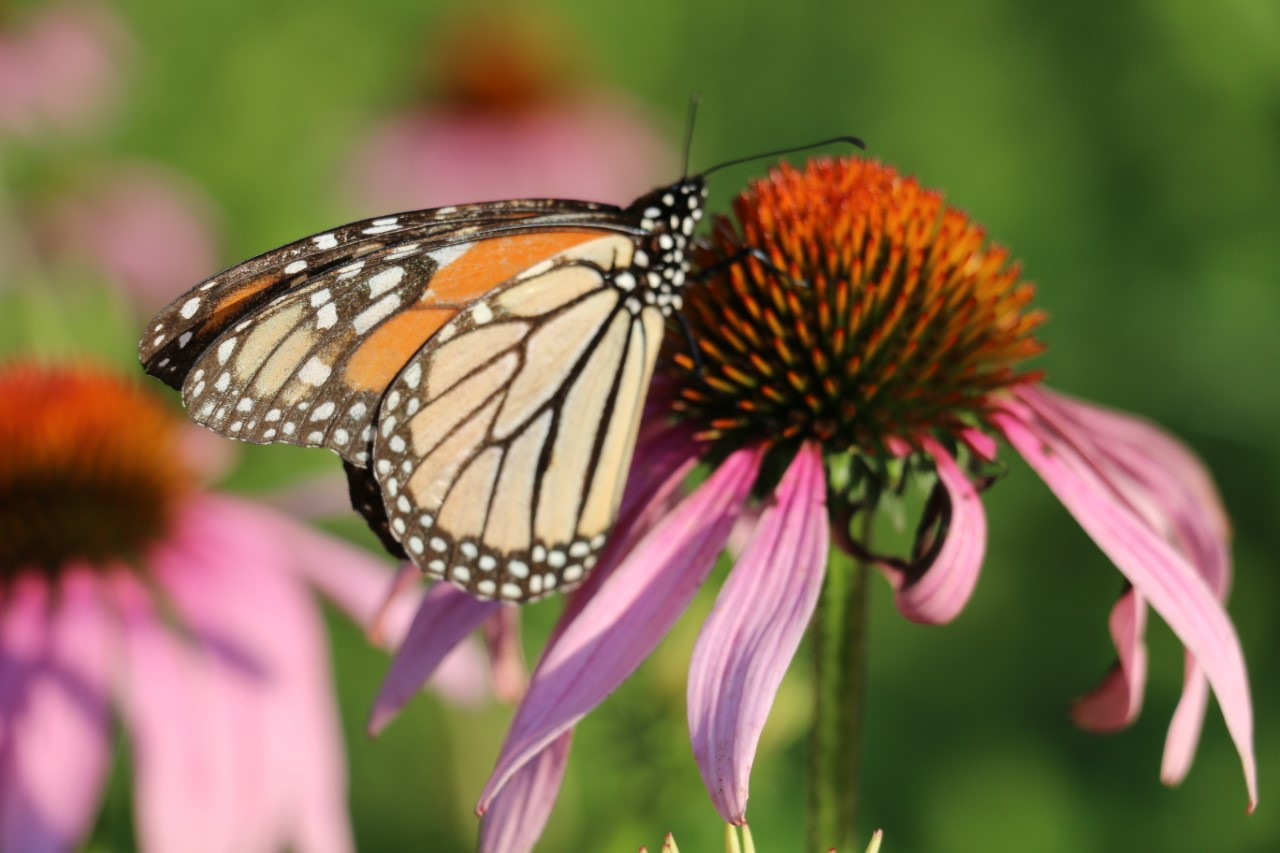
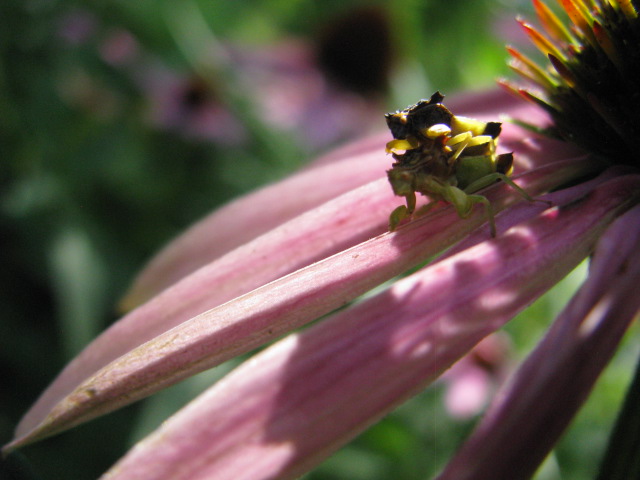
Monarch and Ambush Bug on Purple Coneflower August 1, 2020 Photo by Michelle Sharp
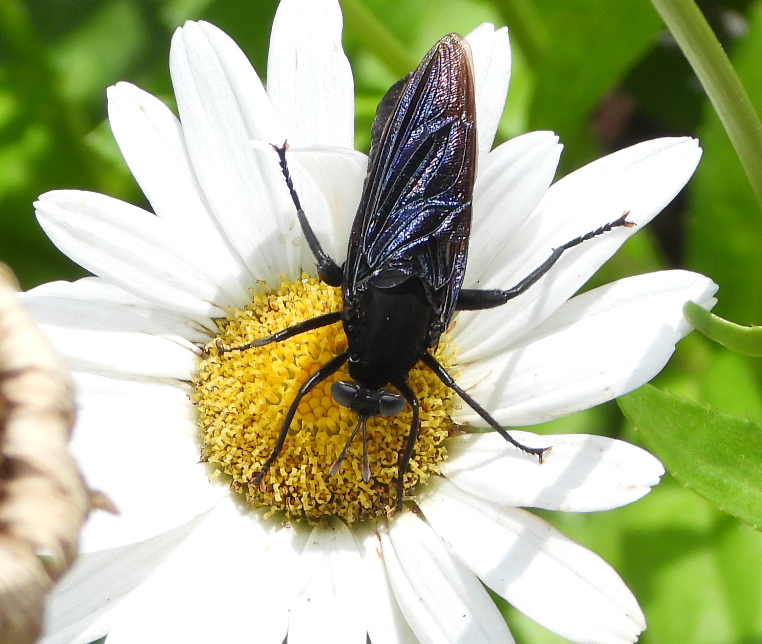
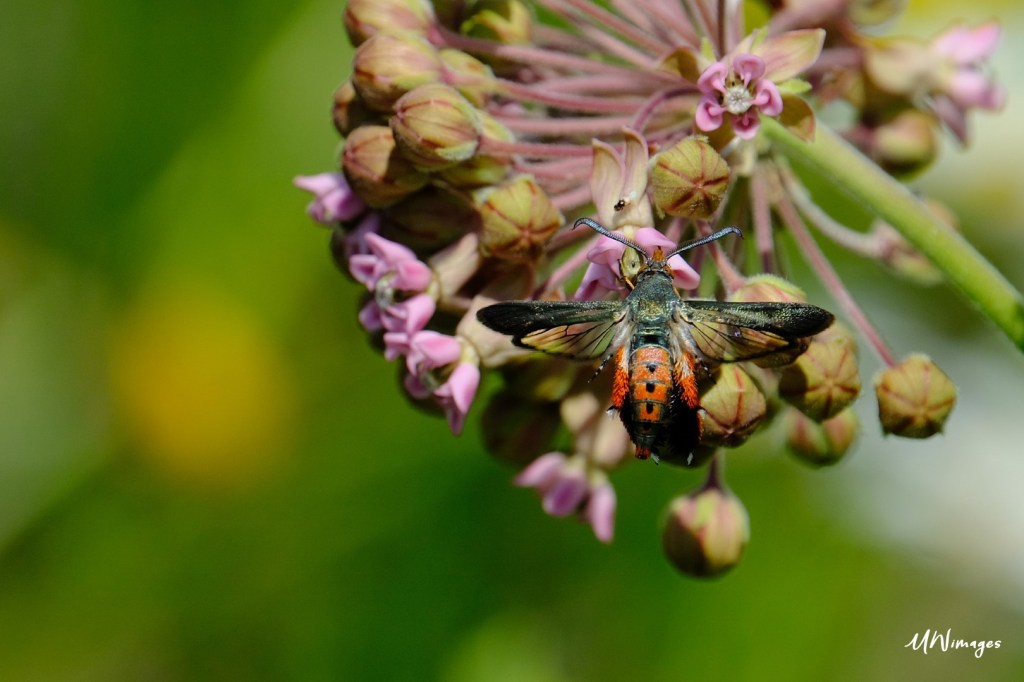
Rhipiphoridae Beetle July 31, 2020 Photo by Michelle Sharp
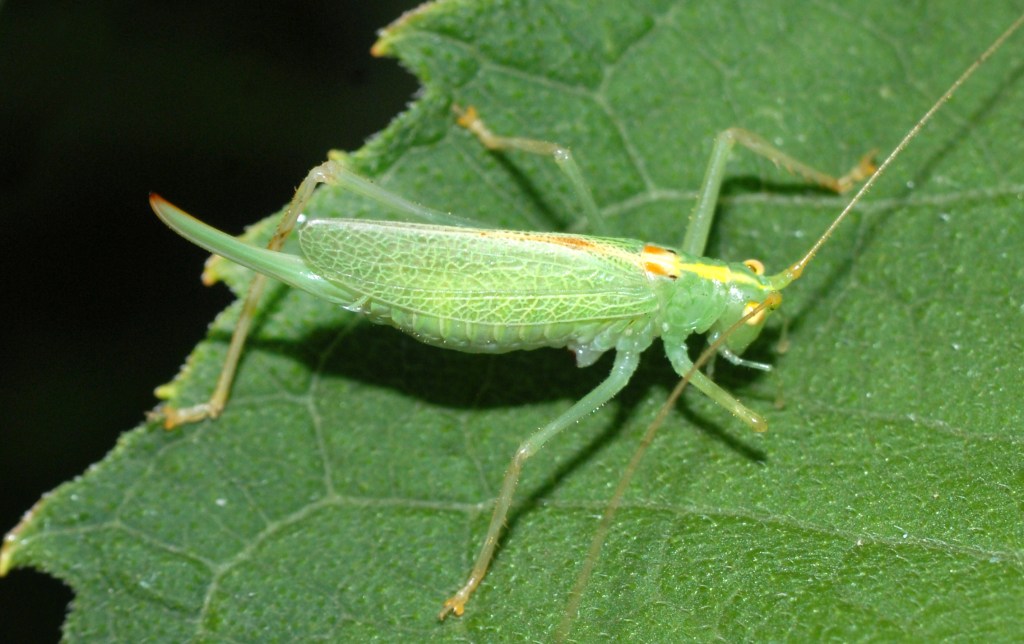
Meadow Katydid July 31, 2020 Photo by Ken Kerr
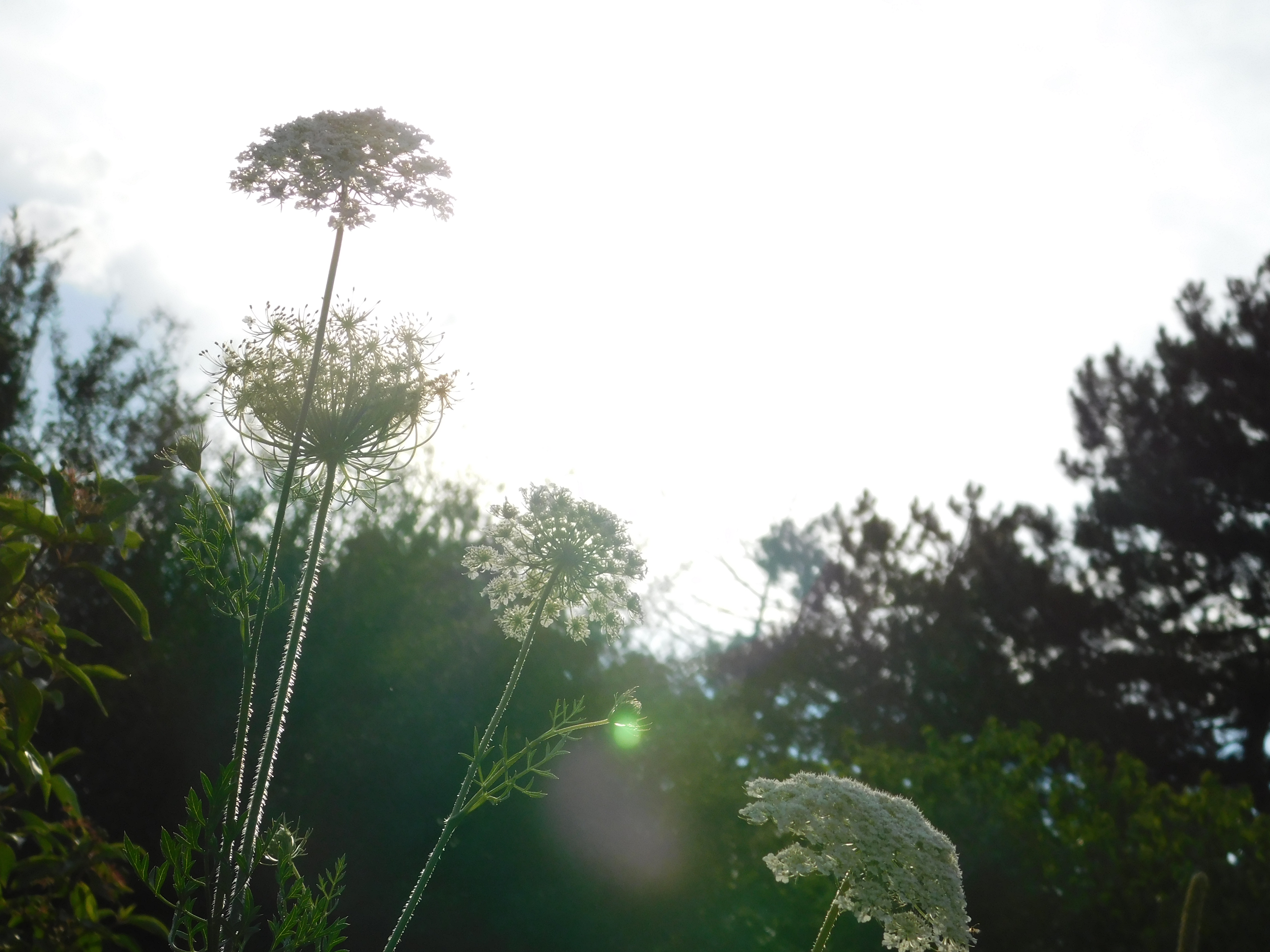
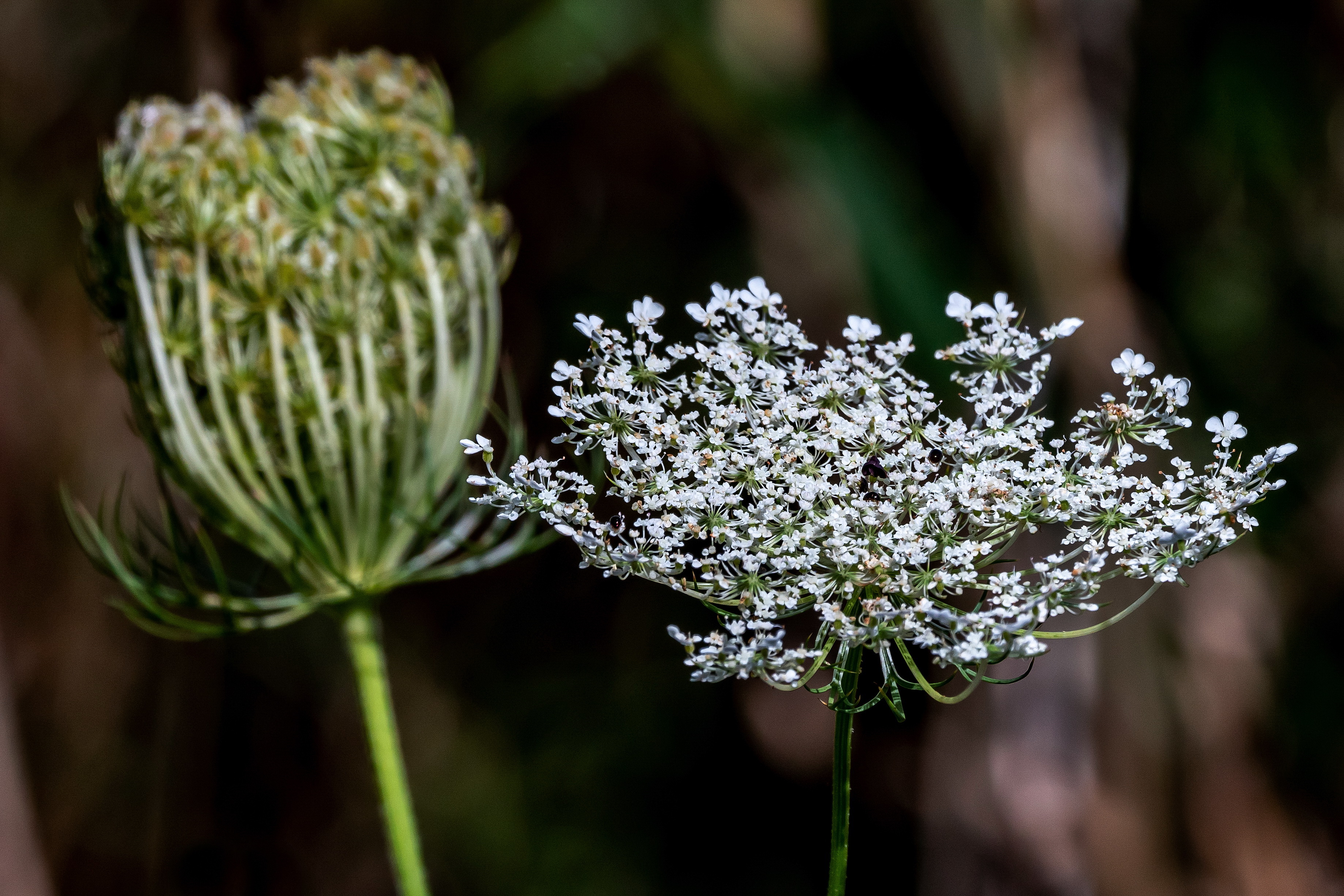
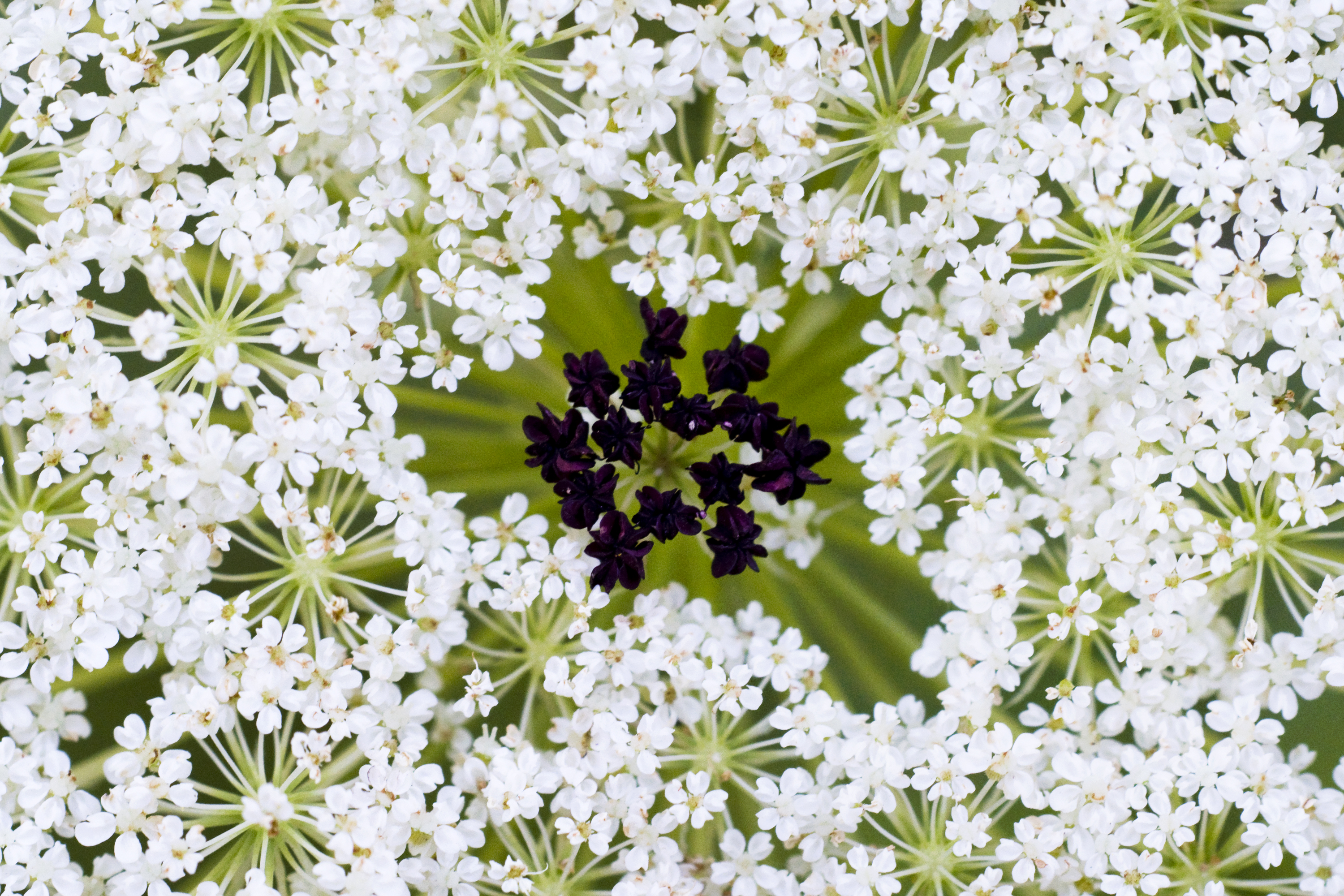
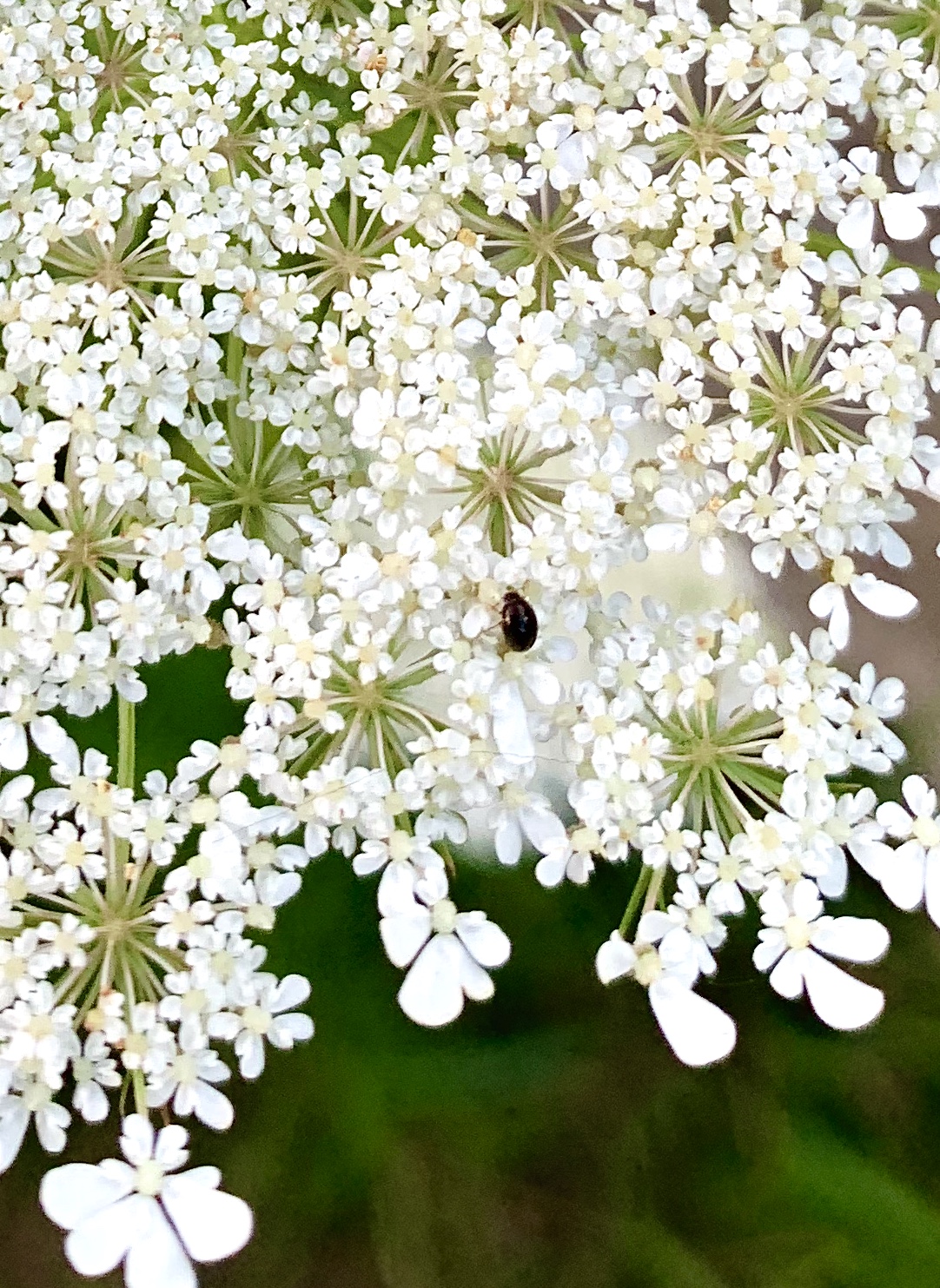
Black Swallowtail Egg on Queen Anne’s Lace July 30, 2020 Photo by Michelle Sharp
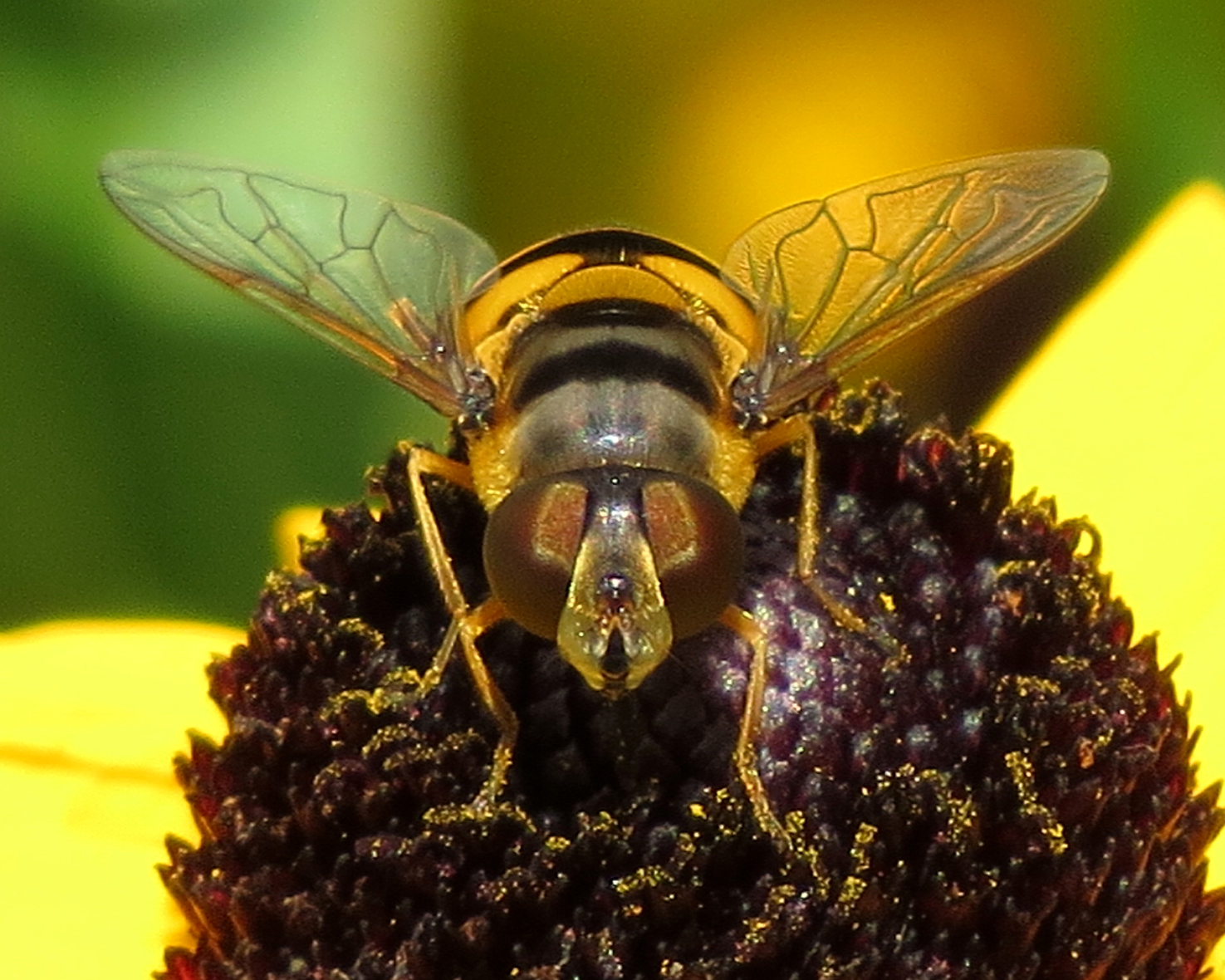
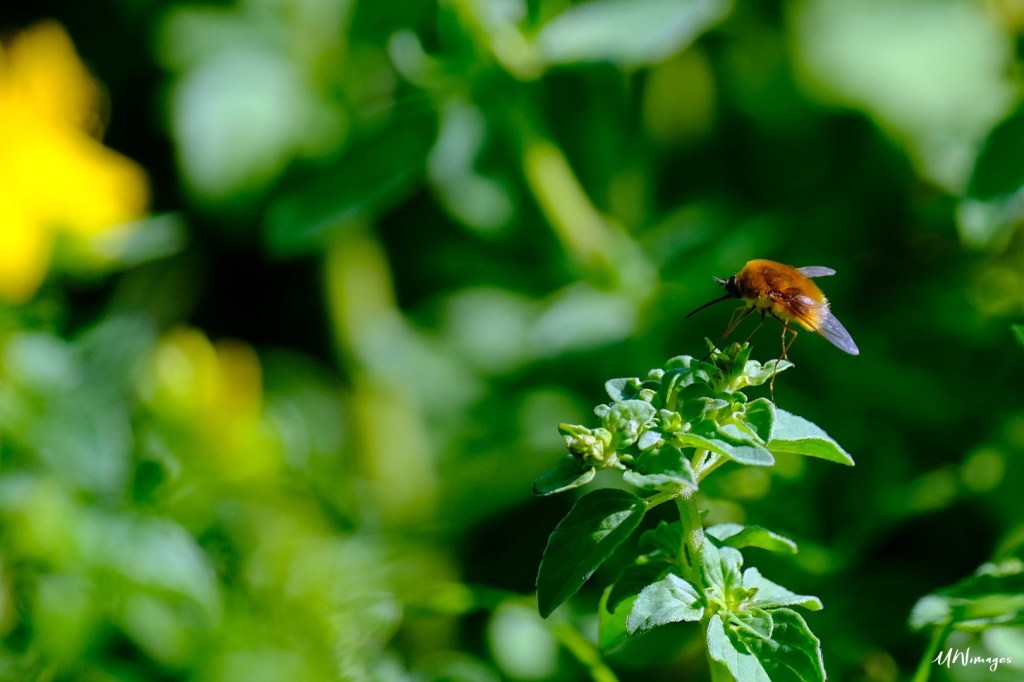
Tiger Bee Fly July 29, 2020 Photo by Mark Williams
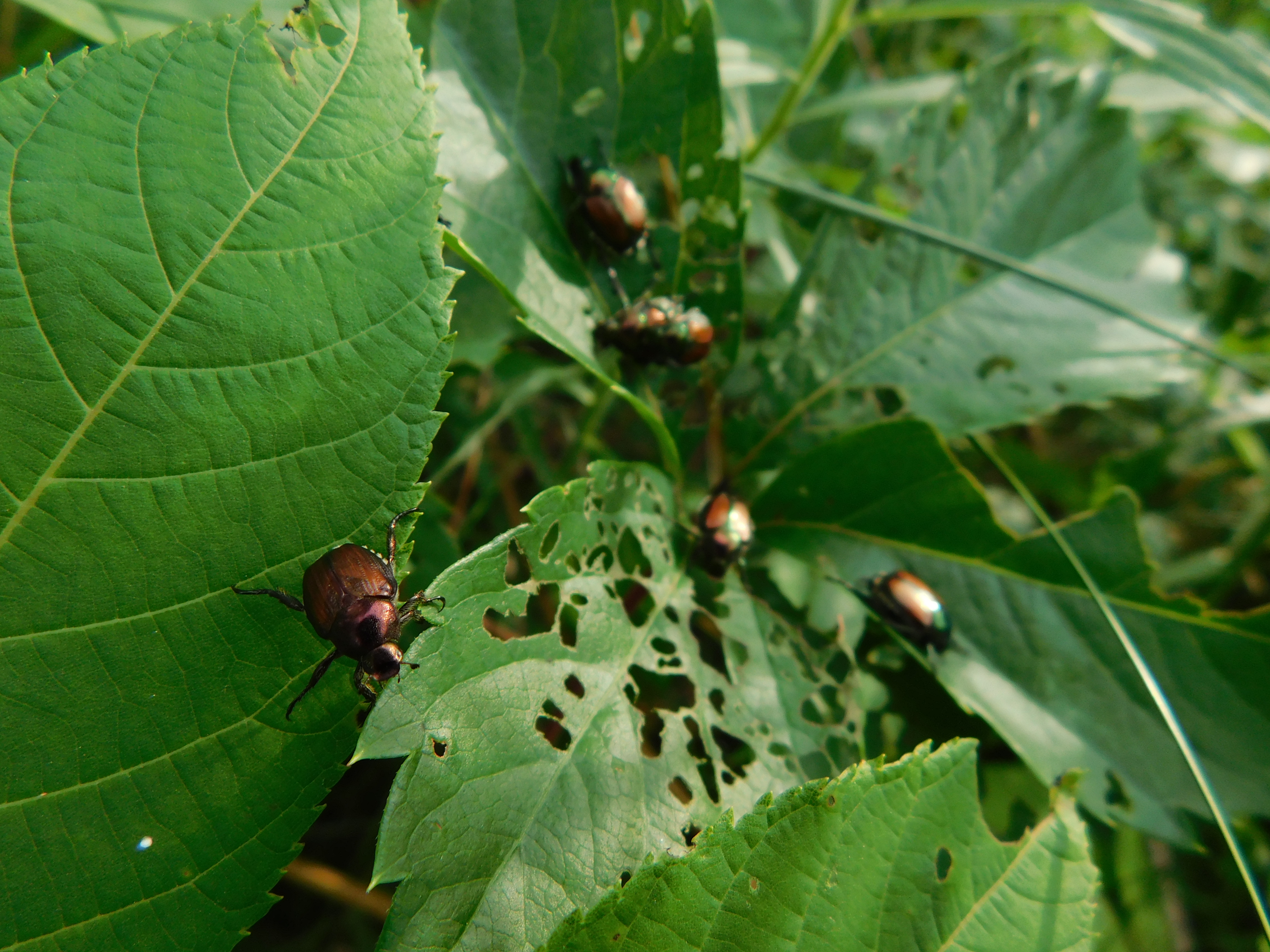
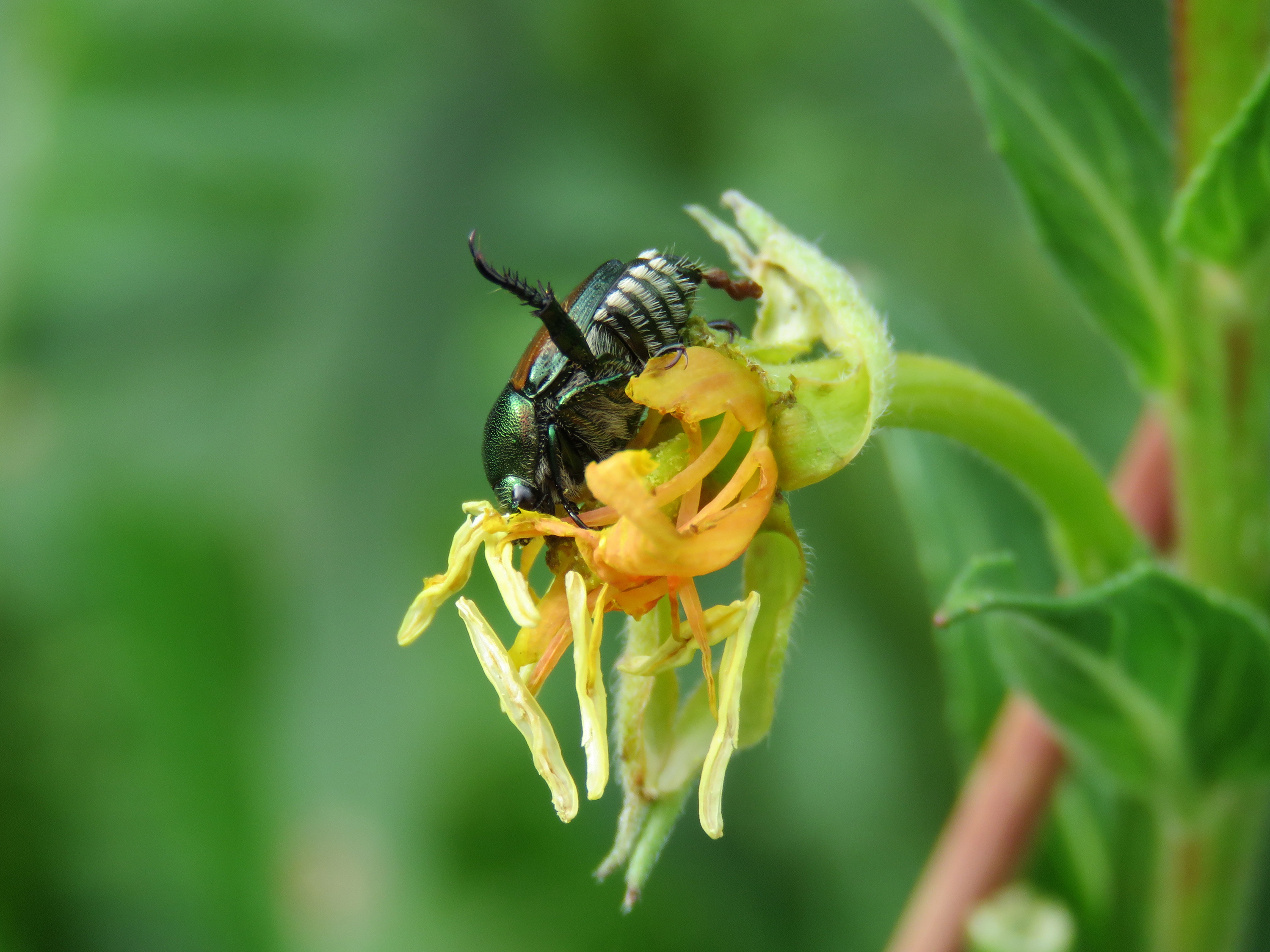
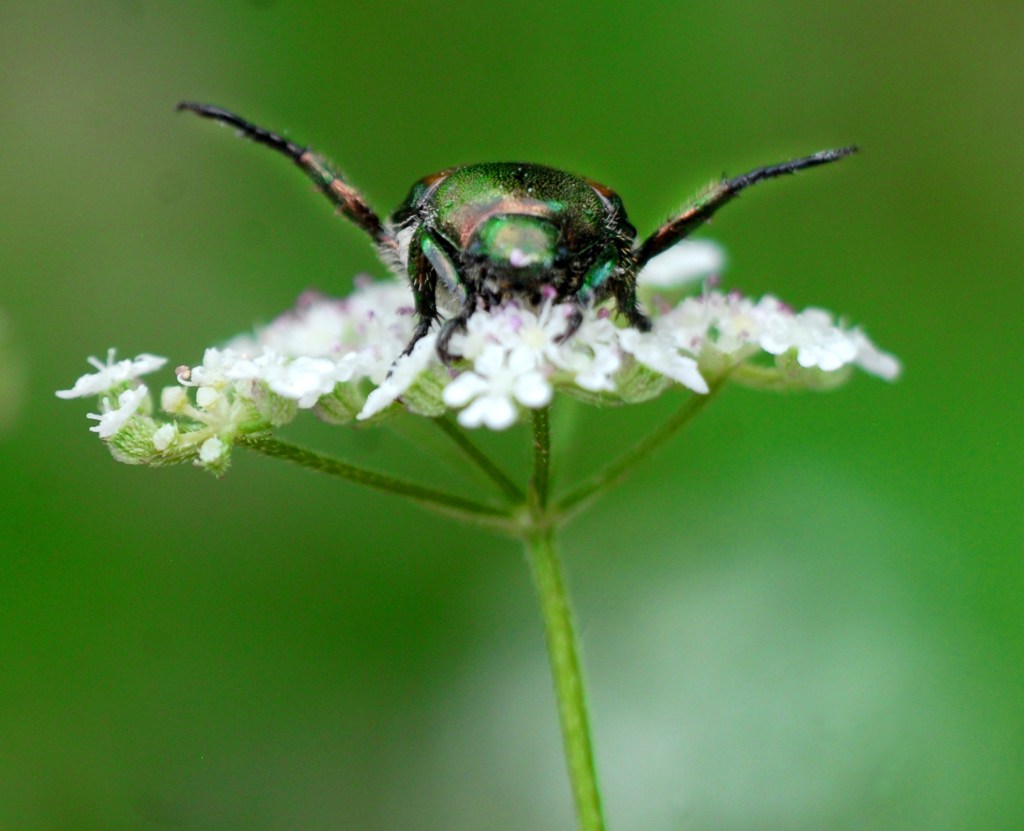
Japanese Beetle on Queen Anne’s Lace July 29, 2020 Photo by Ken Kerr
Planthopper Nymph July 28, 2020 Photo by Michelle Sharp
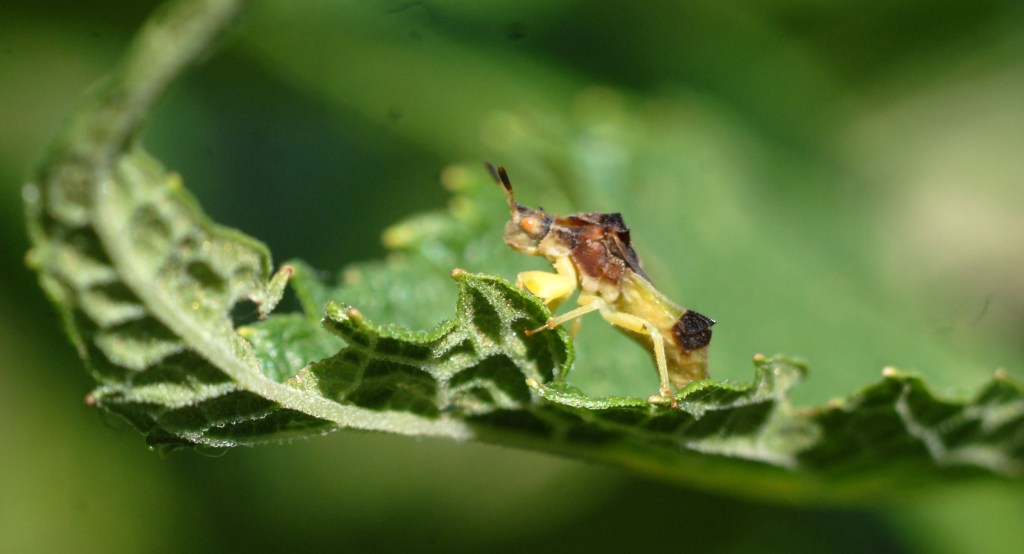
Ambush Bug July 28, 2020 Photo by Ken Kerr
Clouded Sulphur July 27, 2020 Photo by Mark Williams
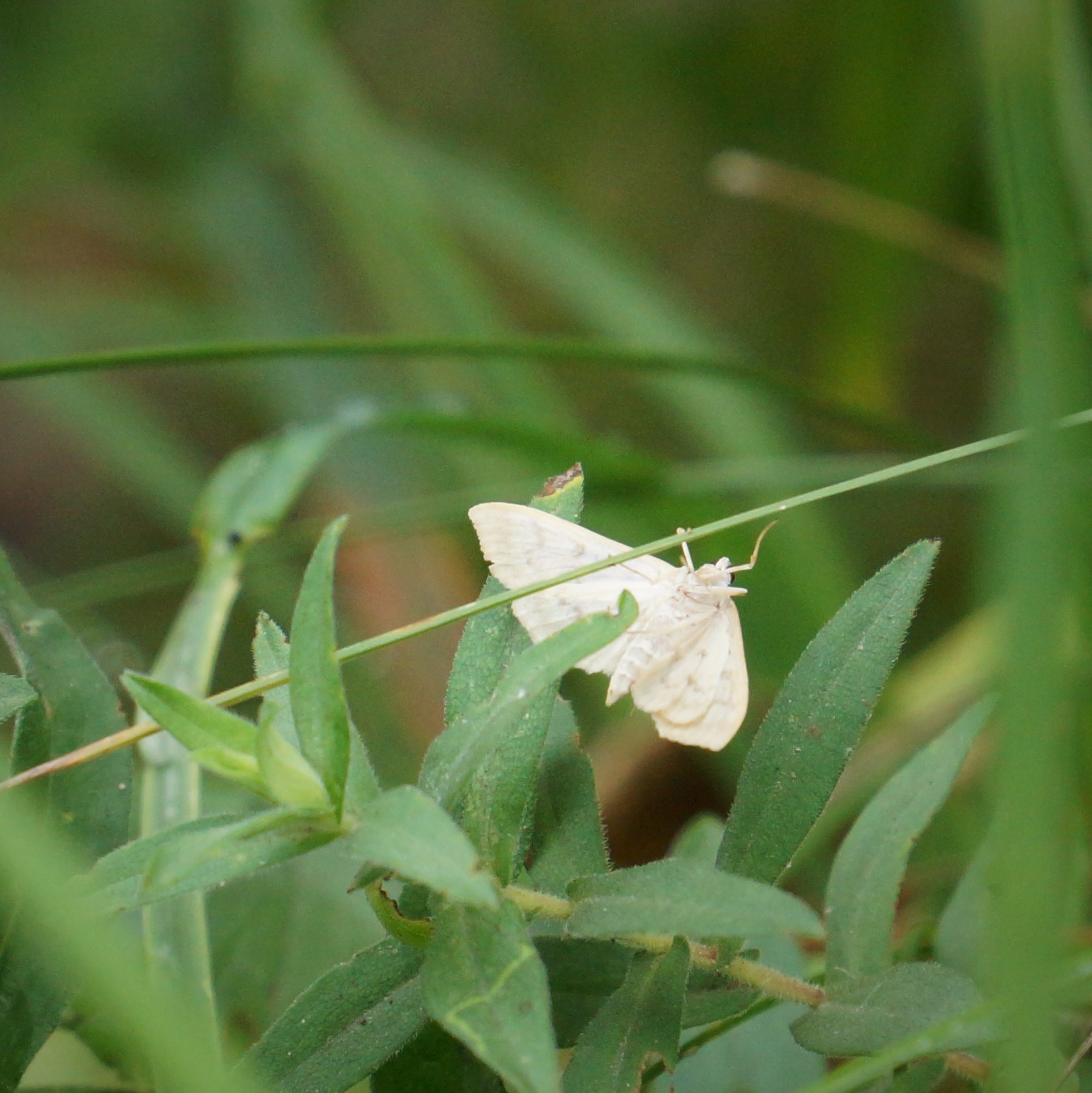
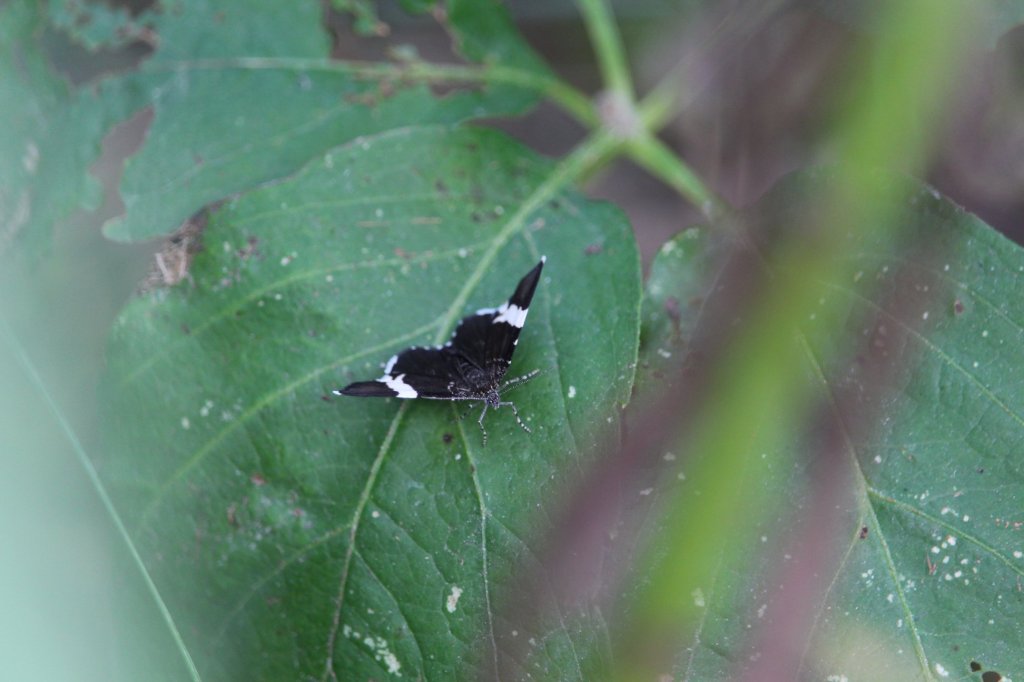
White-striped Black Moth July 27, 2020 Photo by Michelle Sharp
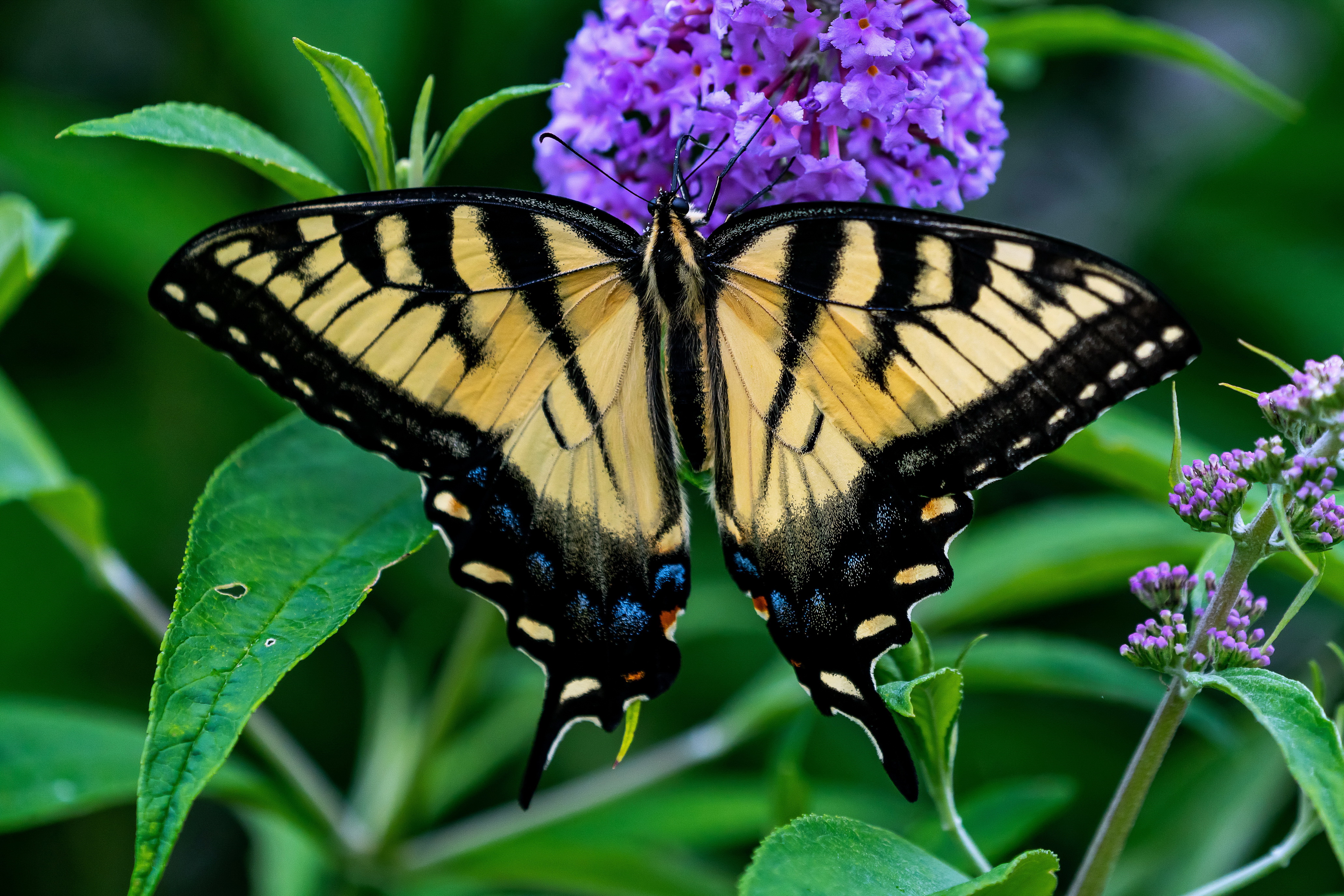
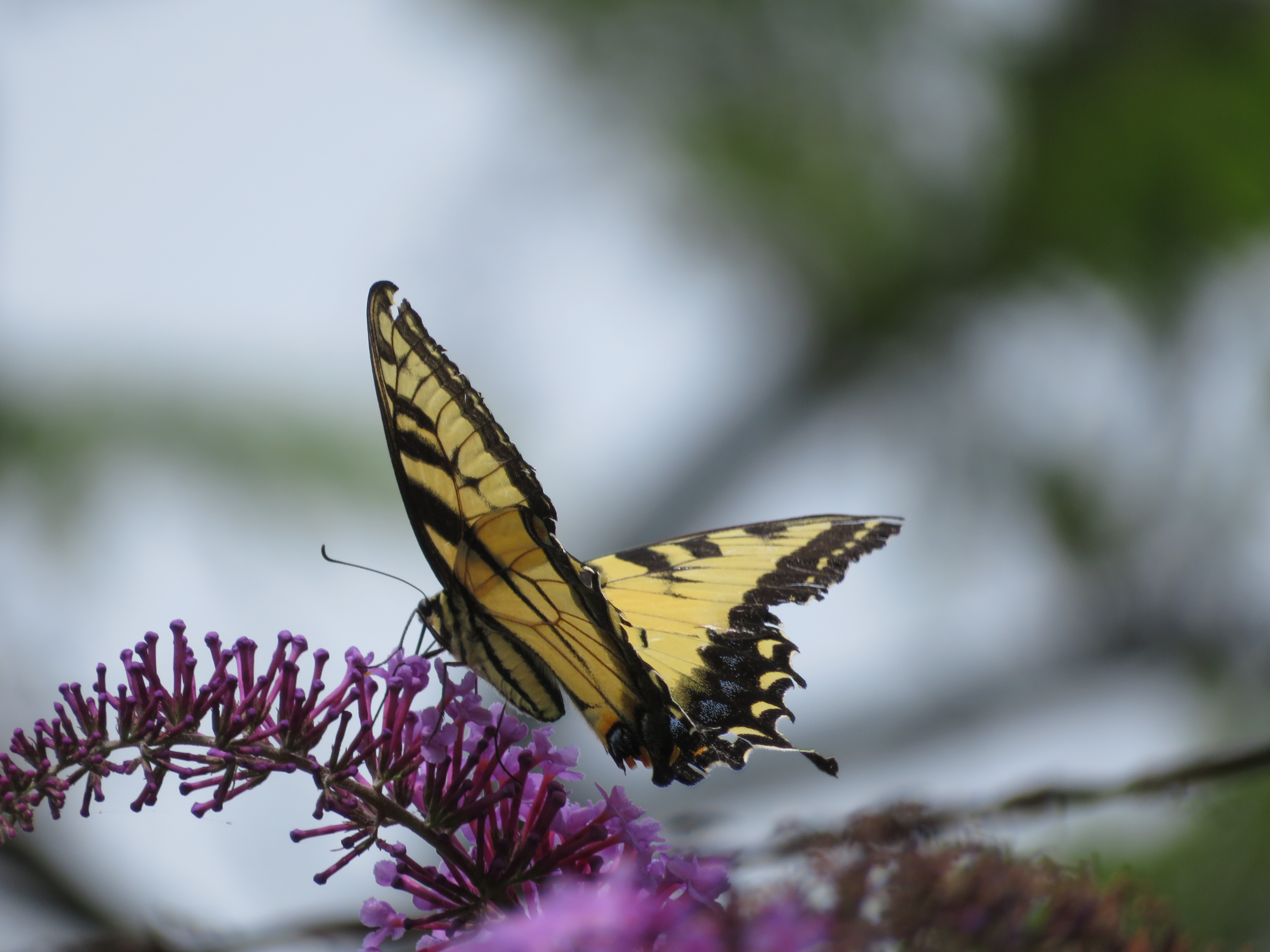
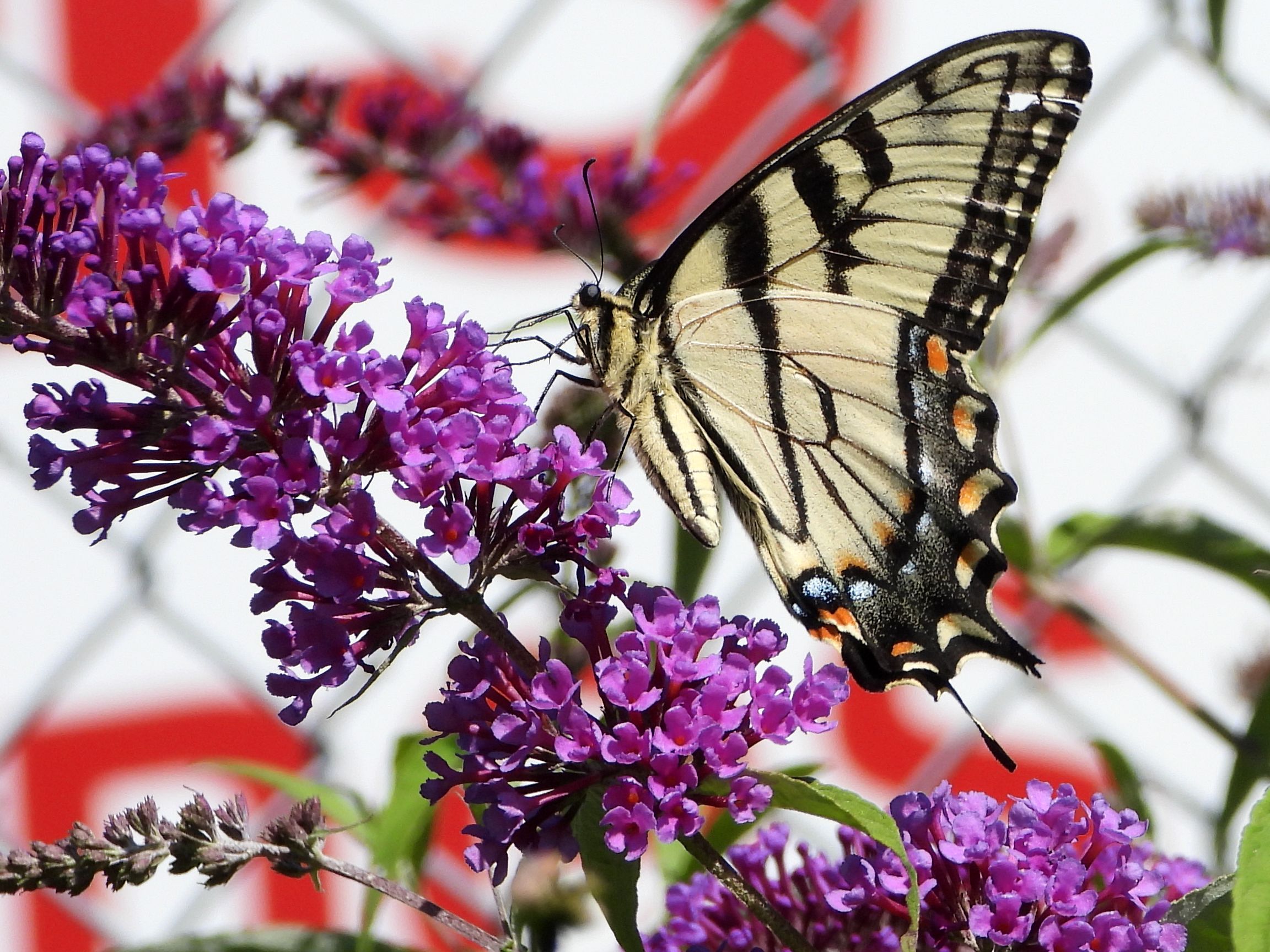
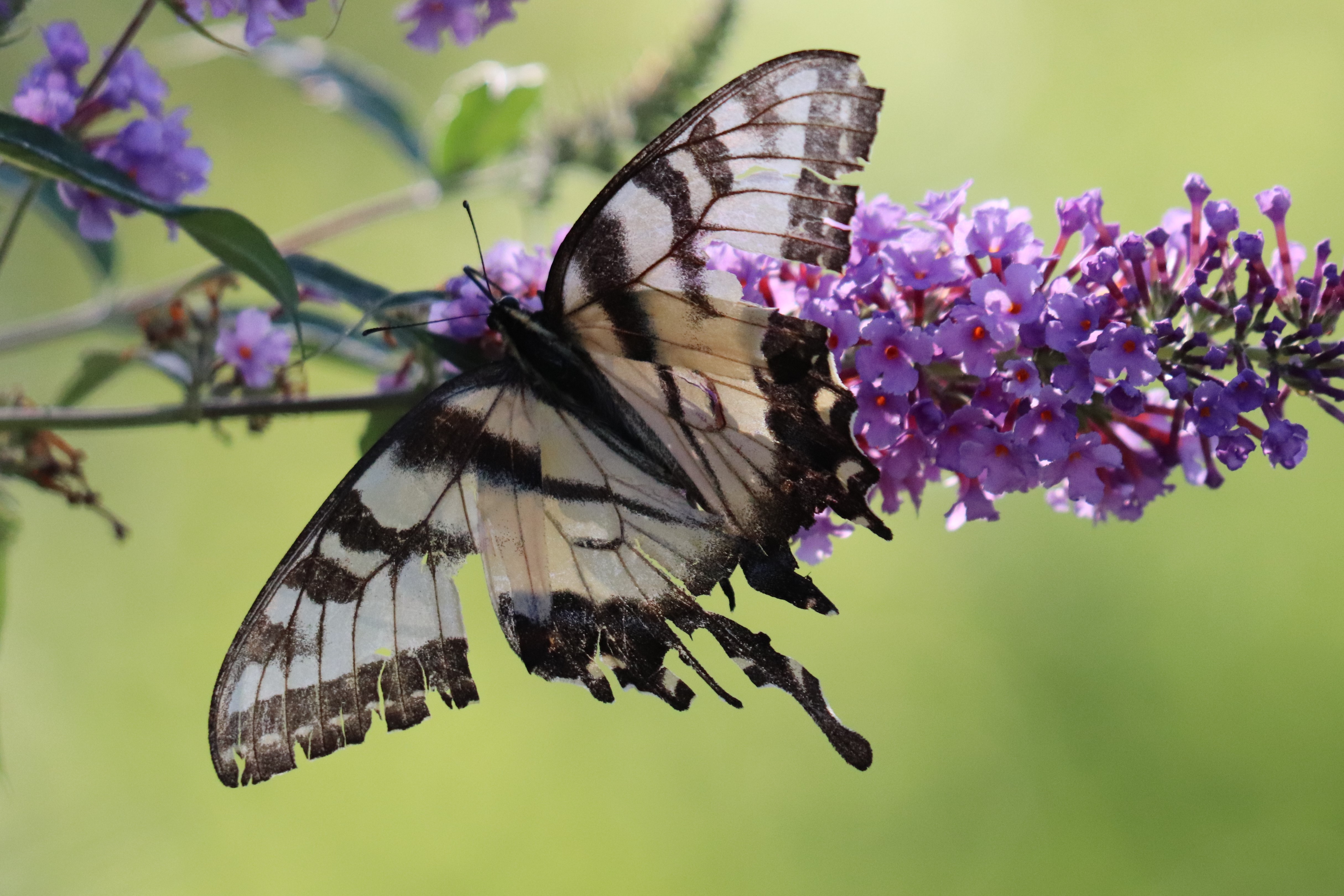
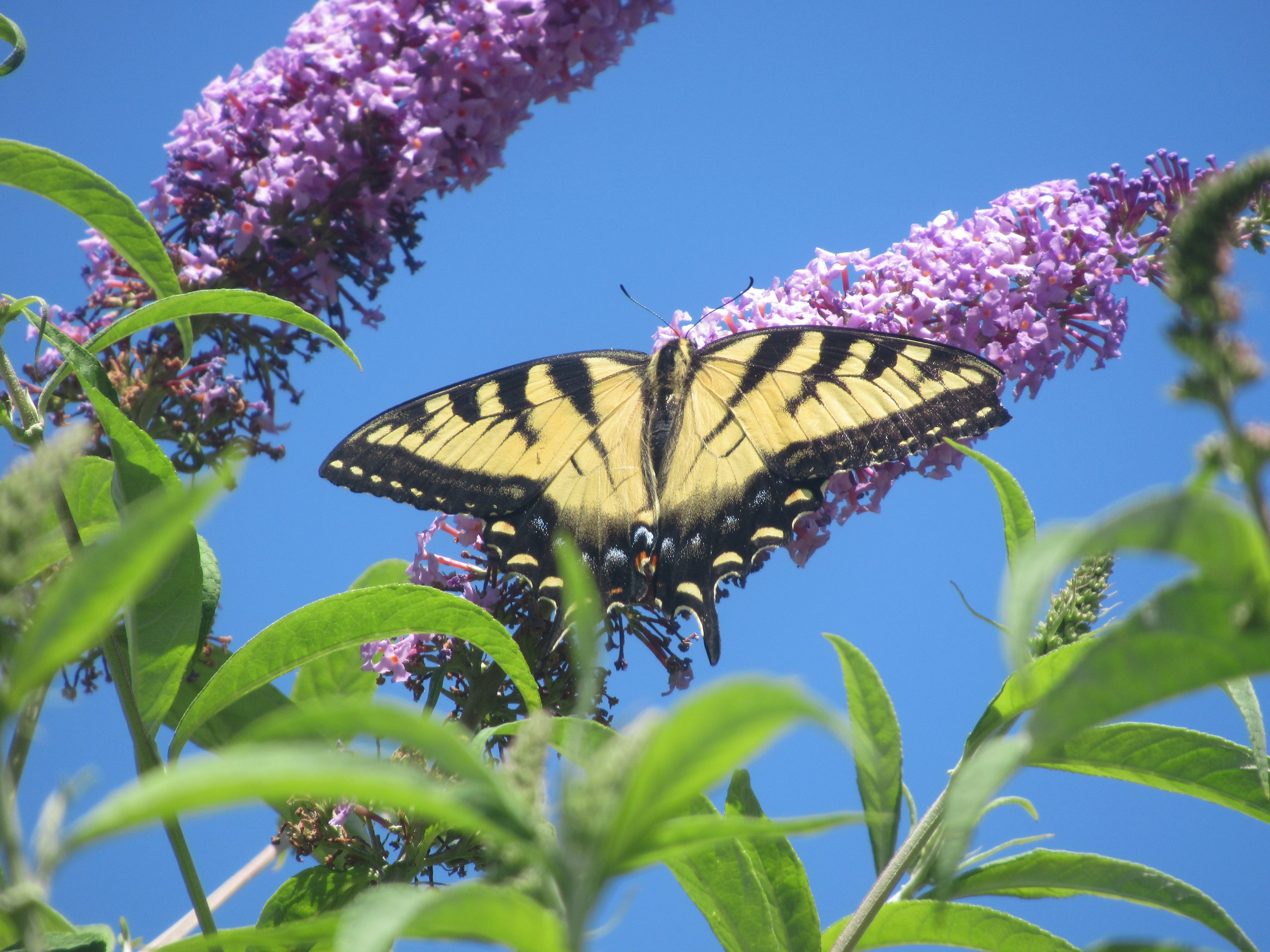
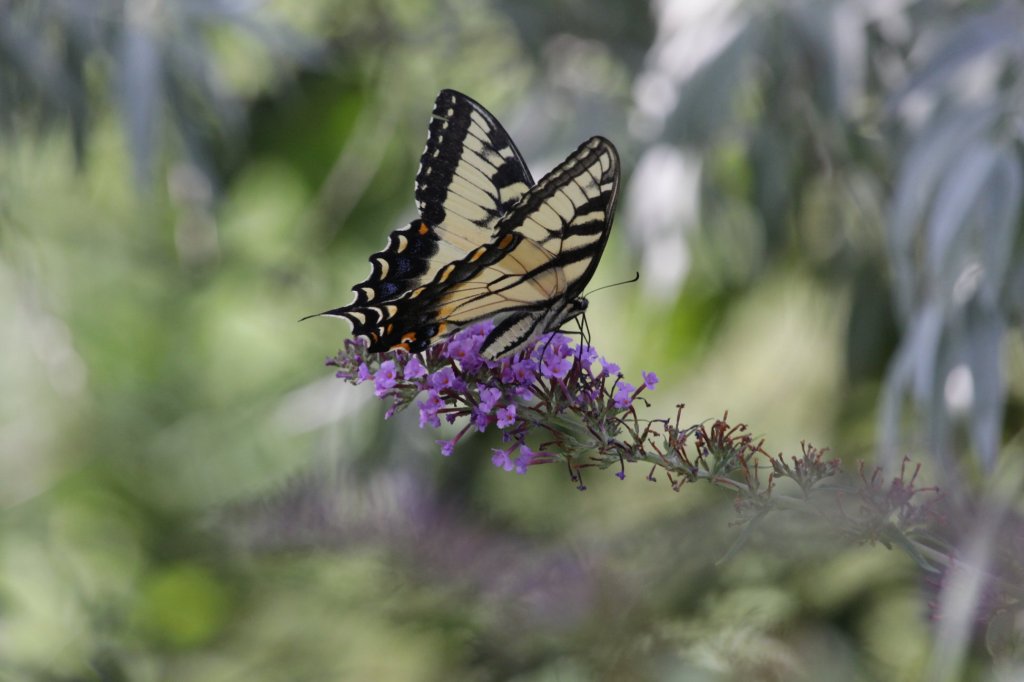
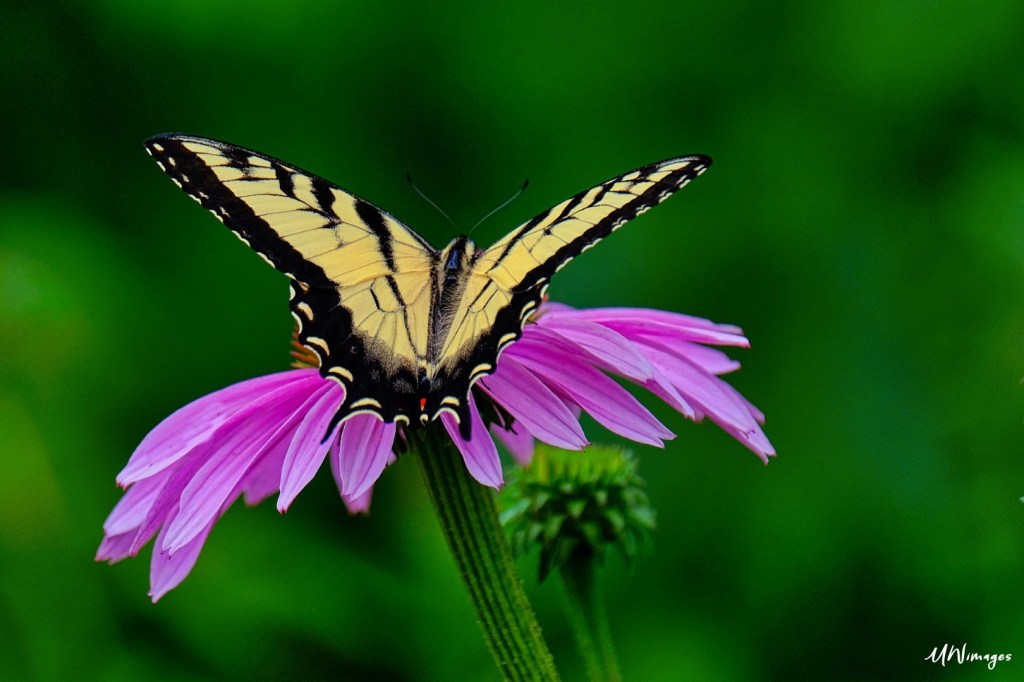
Eastern Tiger Swallowtail on Buddleia July 26, 2020 Photo by Michelle Sharp
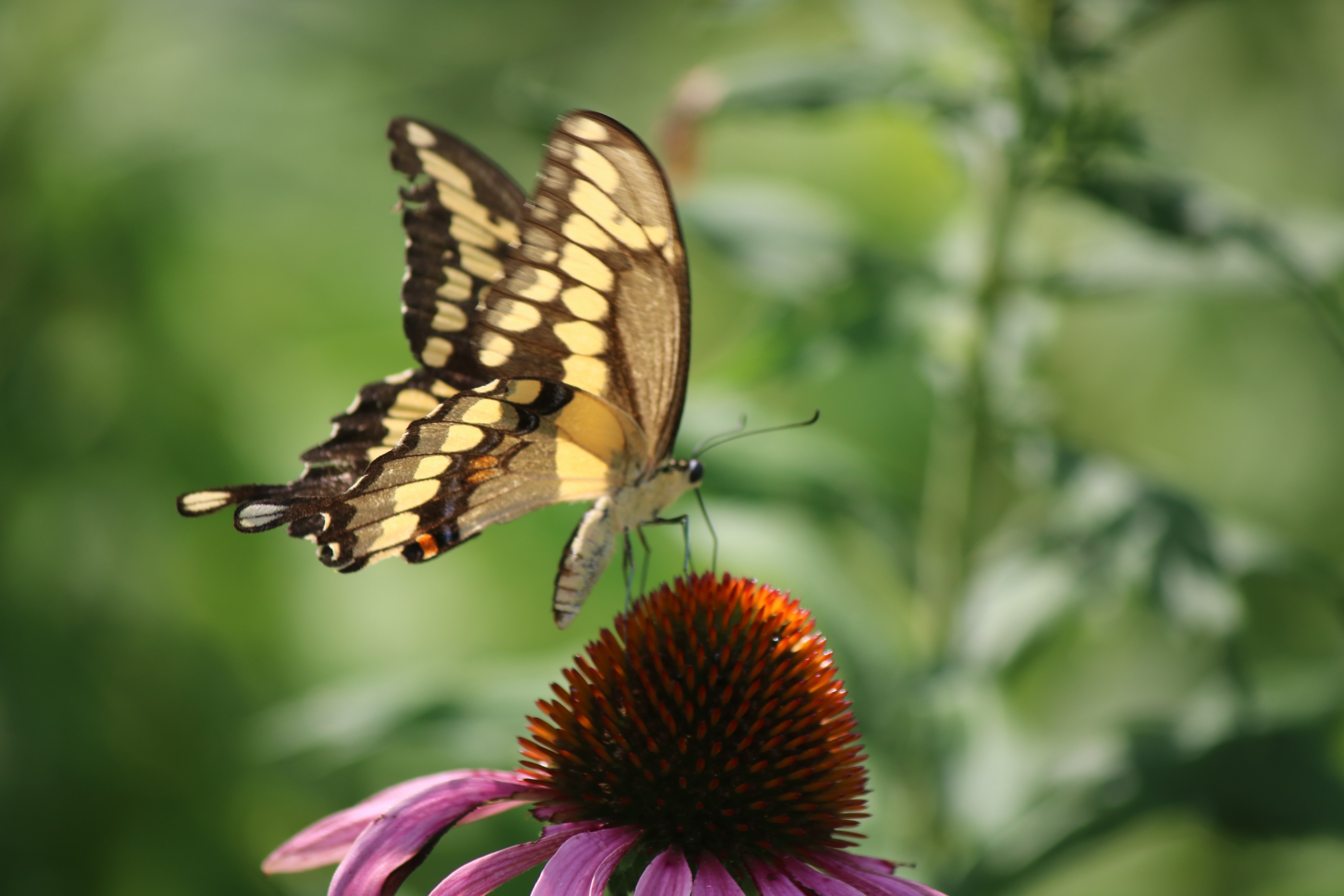
Giant Swallowtail on Coneflower July 25, 2020 Photo by Mark Williams
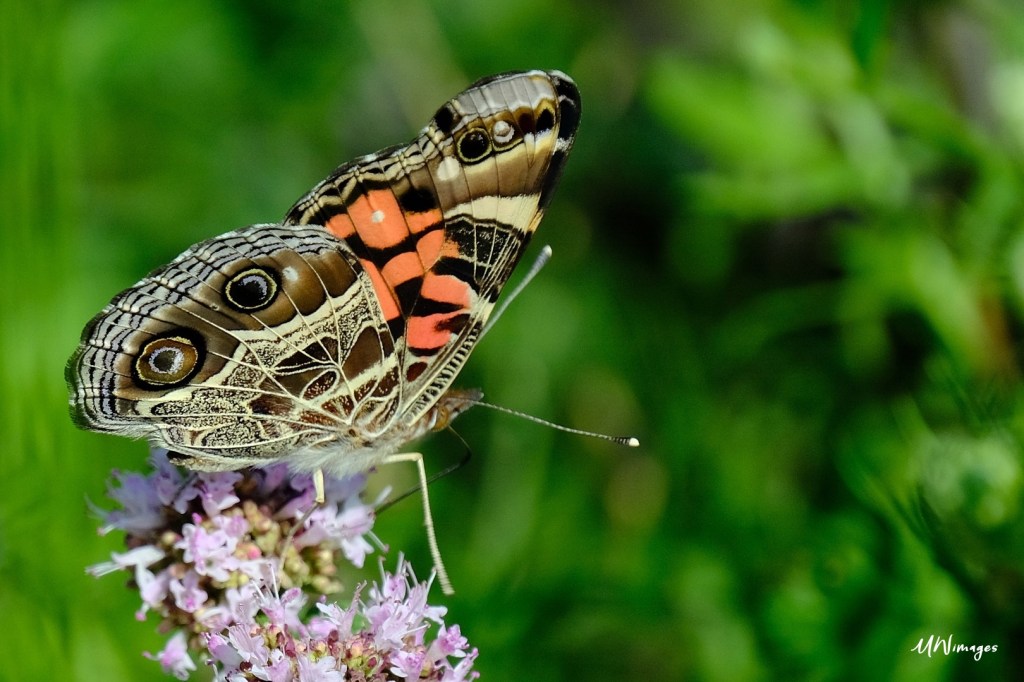
American Lady on Oregano July 25, 2020 Photo by Mark Williams
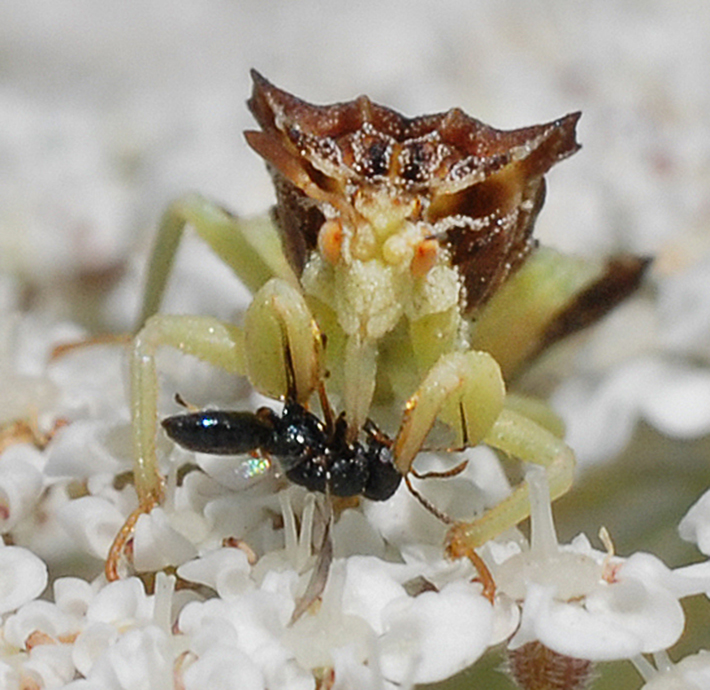
Ambush Bug with Ant on Queen Anne’s Lace July 25, 2020 Photo by Ken Kerr
Stink Bugs Mating July 25, 2020 Photo by Ken Kerr
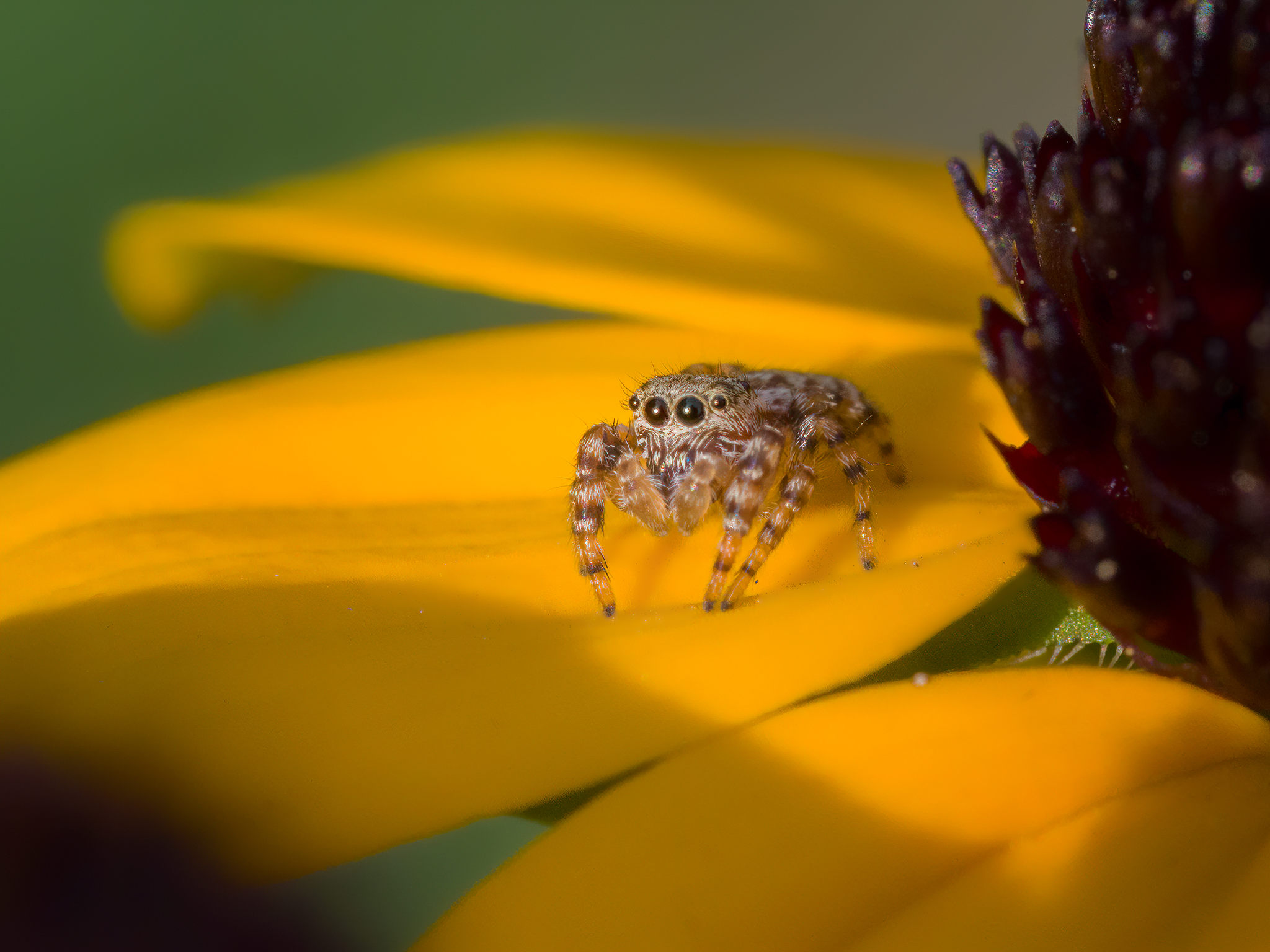
Jumping Spider July 25, 2020 Photo by Ken Kerr
Black Swallowtail Caterpillar on Queen Anne’s Lace July 25, 2020 Photo by Michelle Sharp.
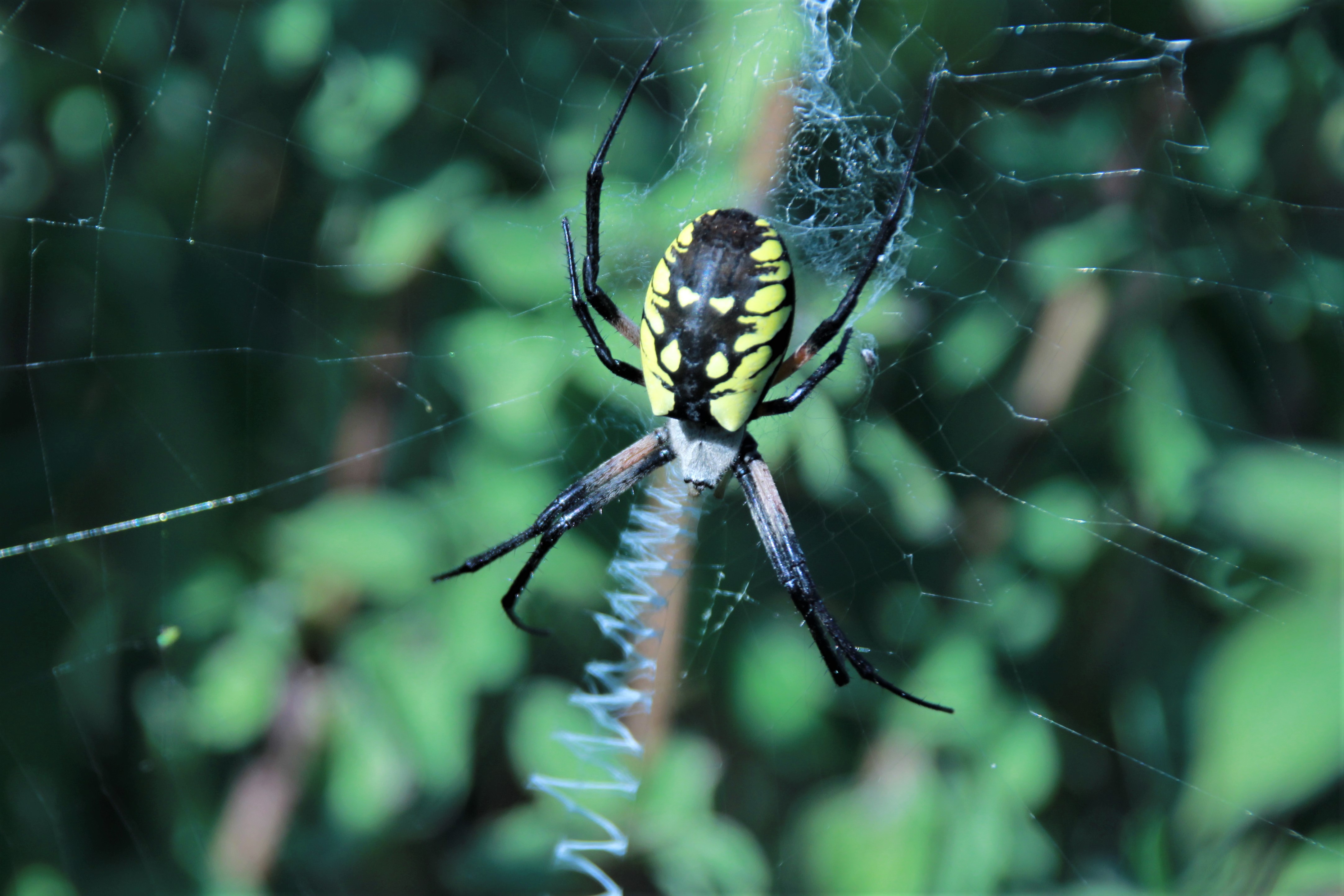
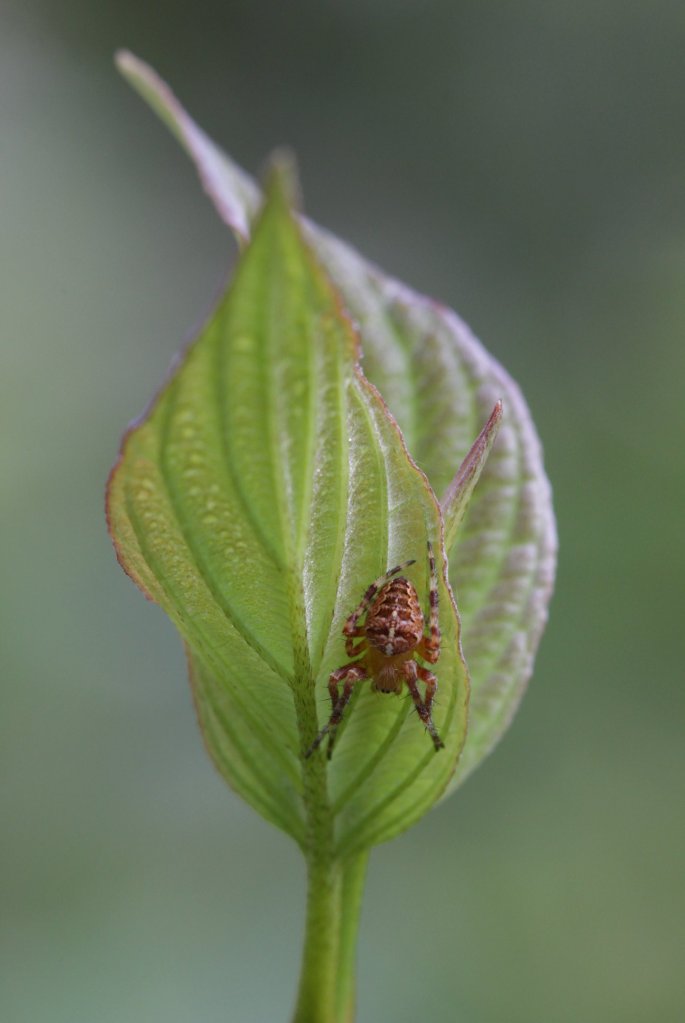
Orbweaver Spider July 25, 2020 Photo by Michelle Sharp.
Yellow Aphids July 25, 2020 Photo by Michelle Sharp.
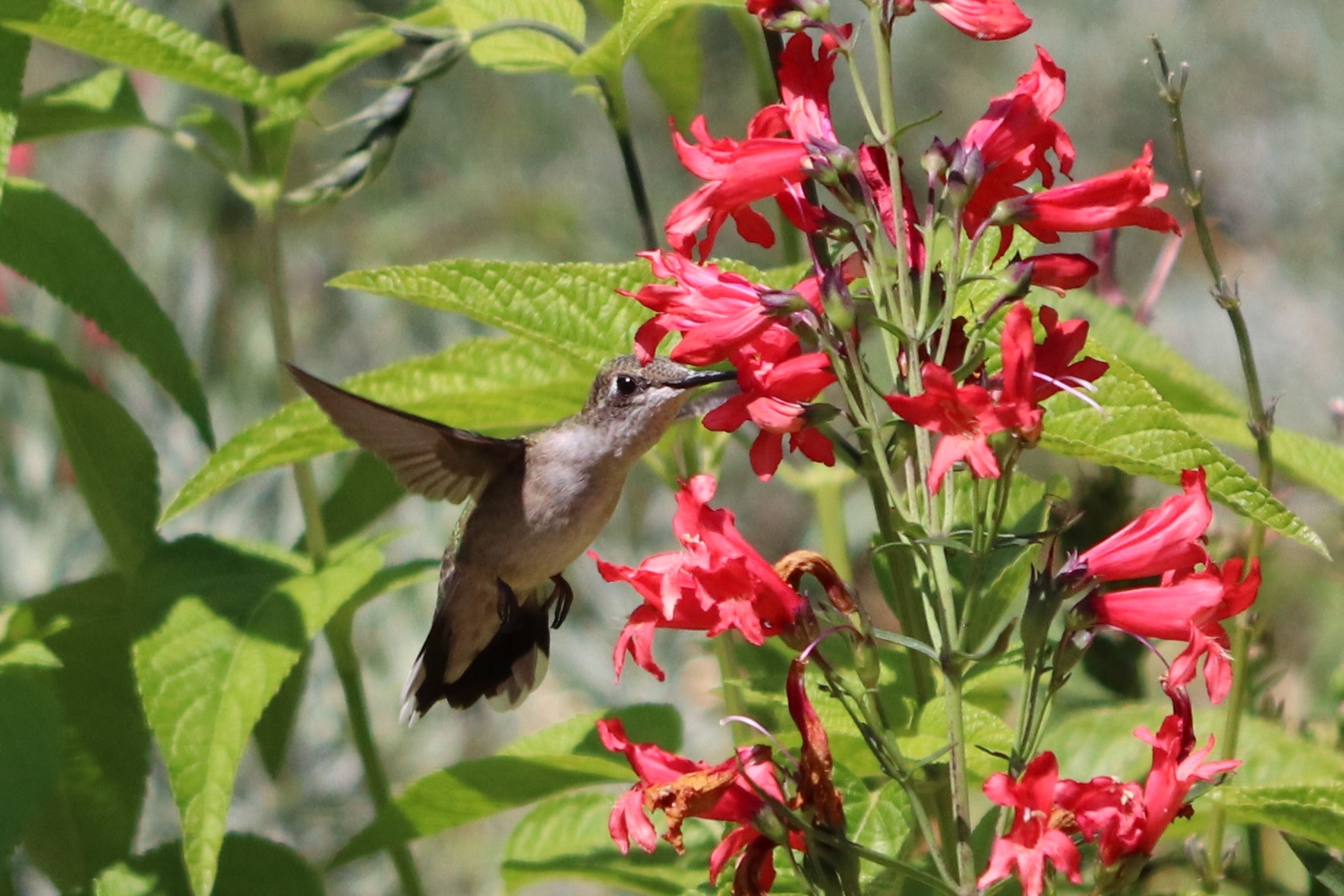
Ruby-throated Hummingbird on Teasel July 24, 2020 Photo by Mark Williams
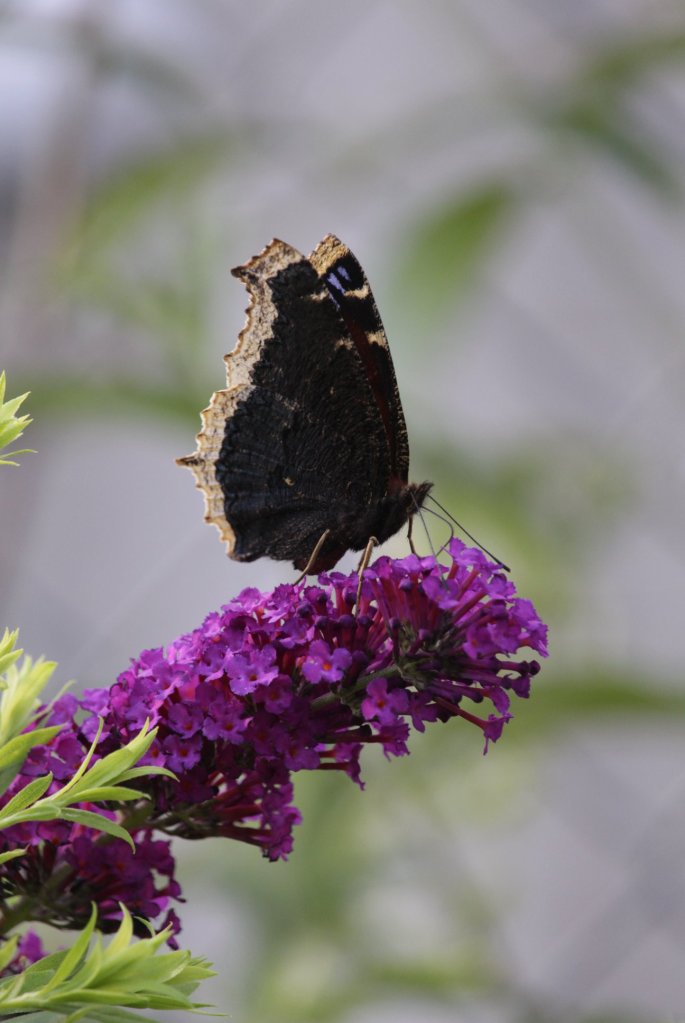
Mourning Cloak on Oregano July 24, 2020 Photo by Mark Williams
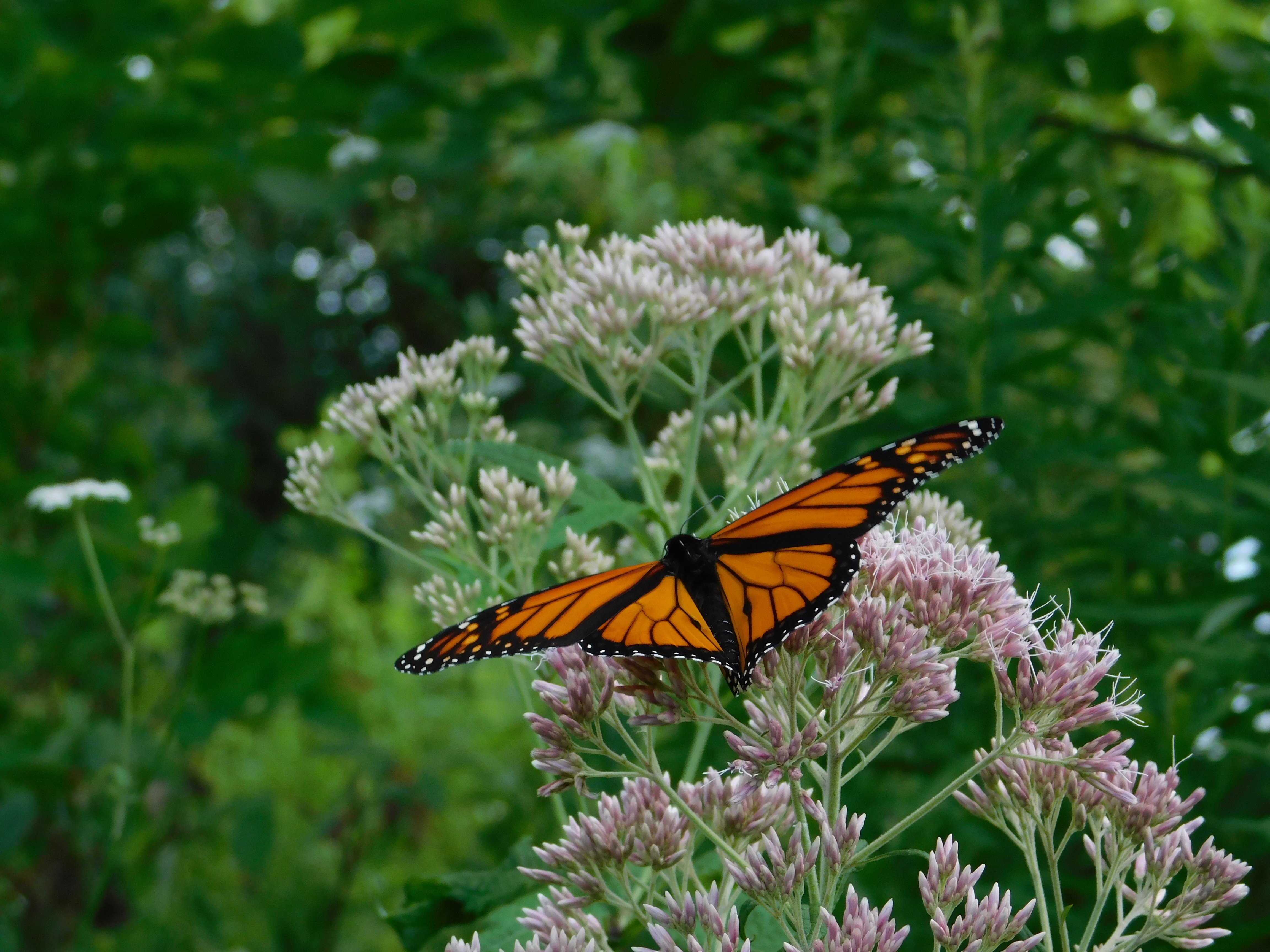
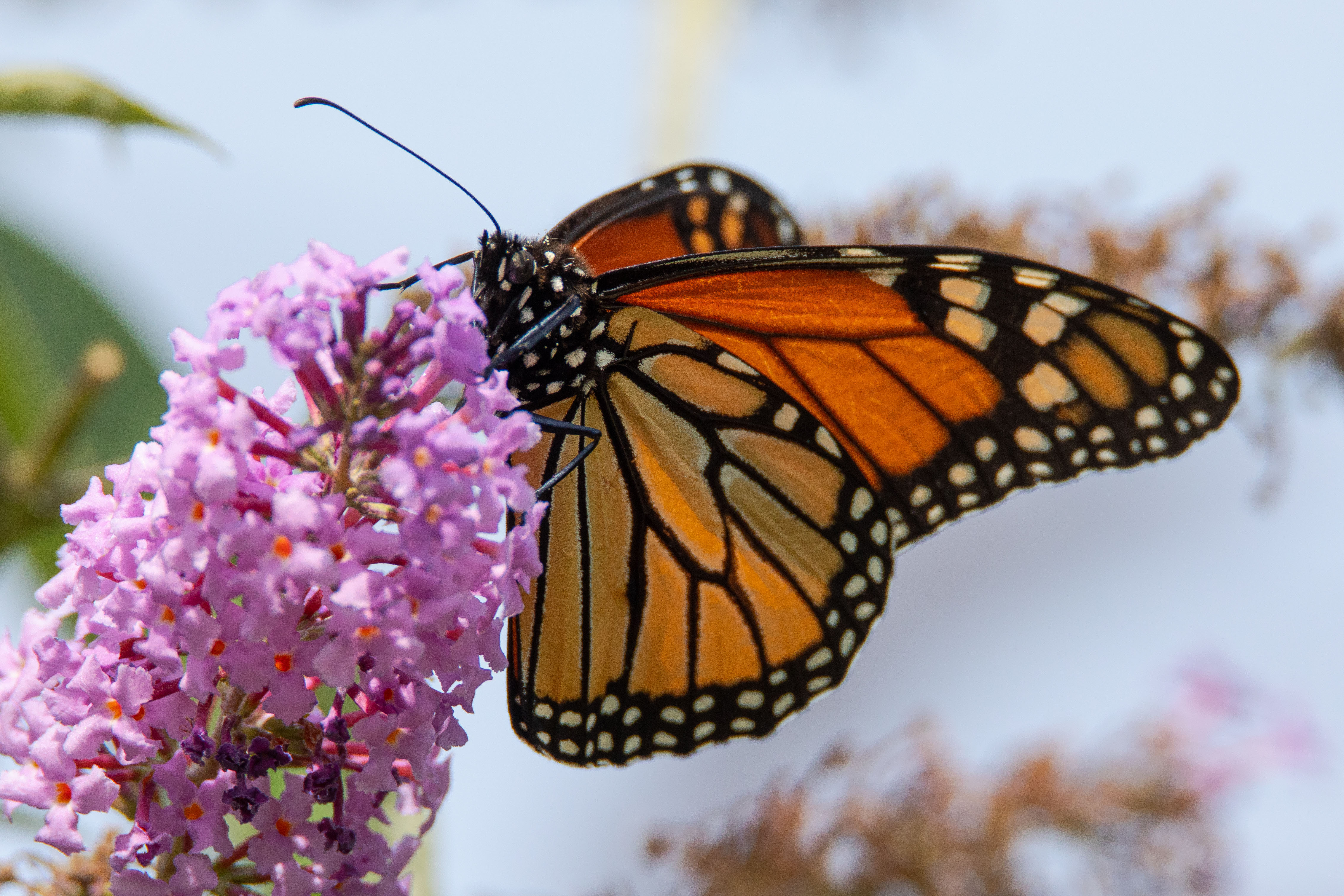
Monarch on Joe Pye Weed July 24, 2020 Photo by Mark Williams
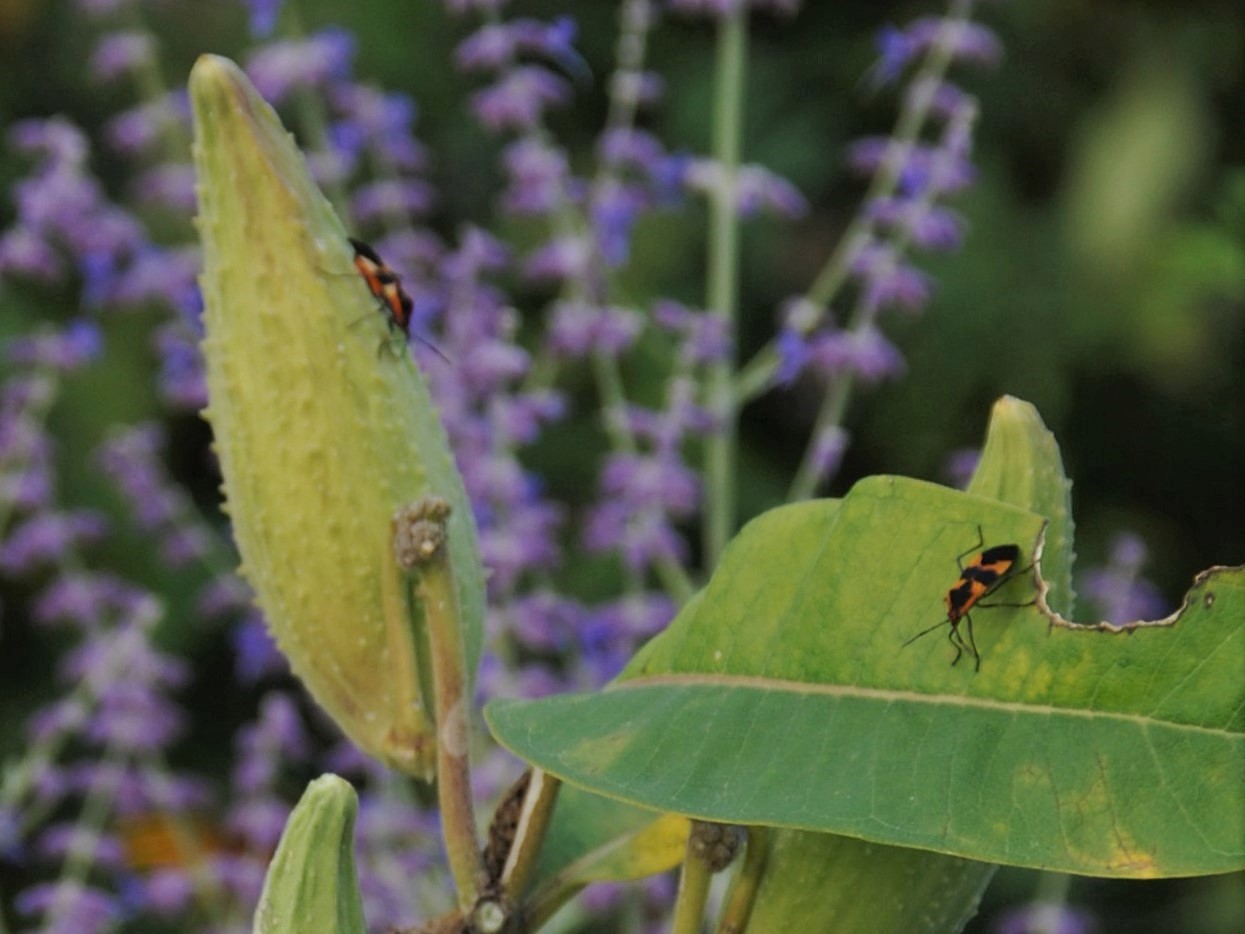
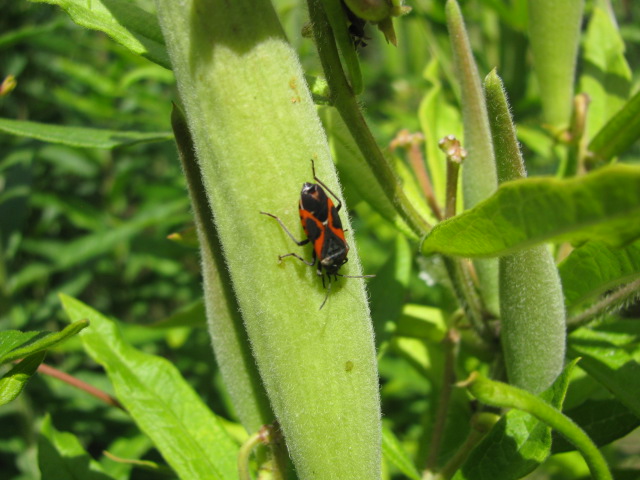
Common Milkweed Bug July 23, 2020 Photo by Ken Kerr
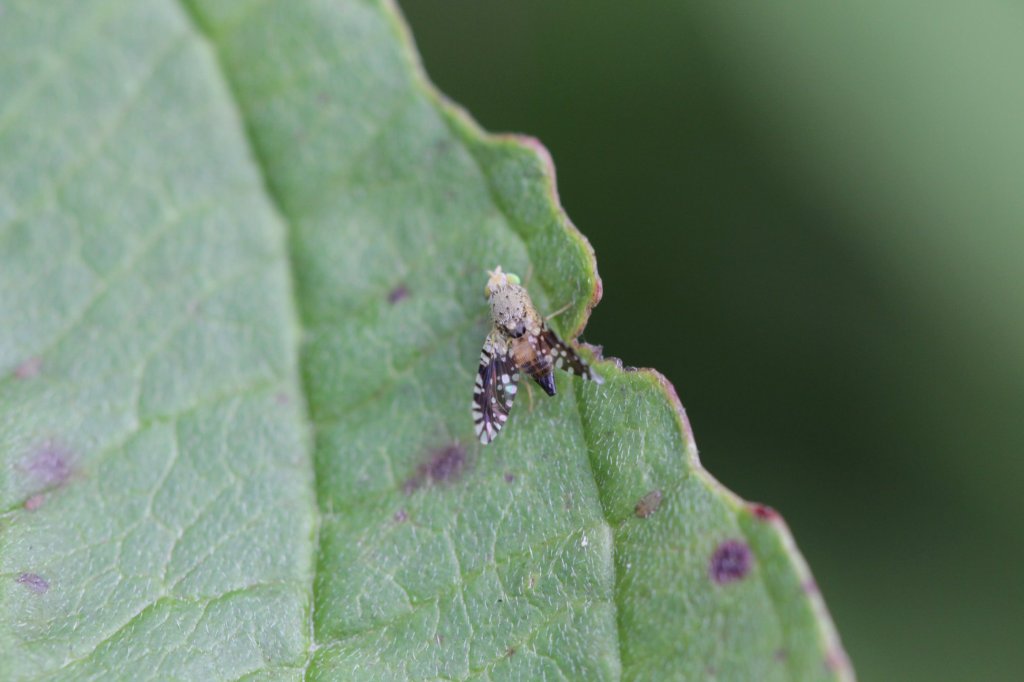
Picture-winged Fly July 22, 2020 Photo by Michelle Sharp
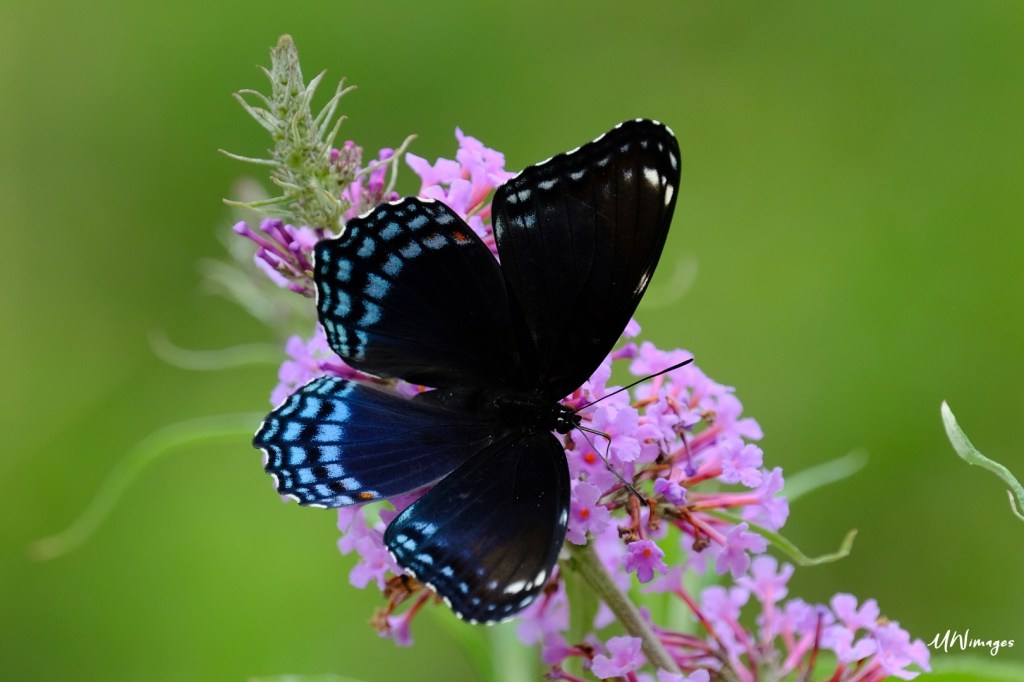
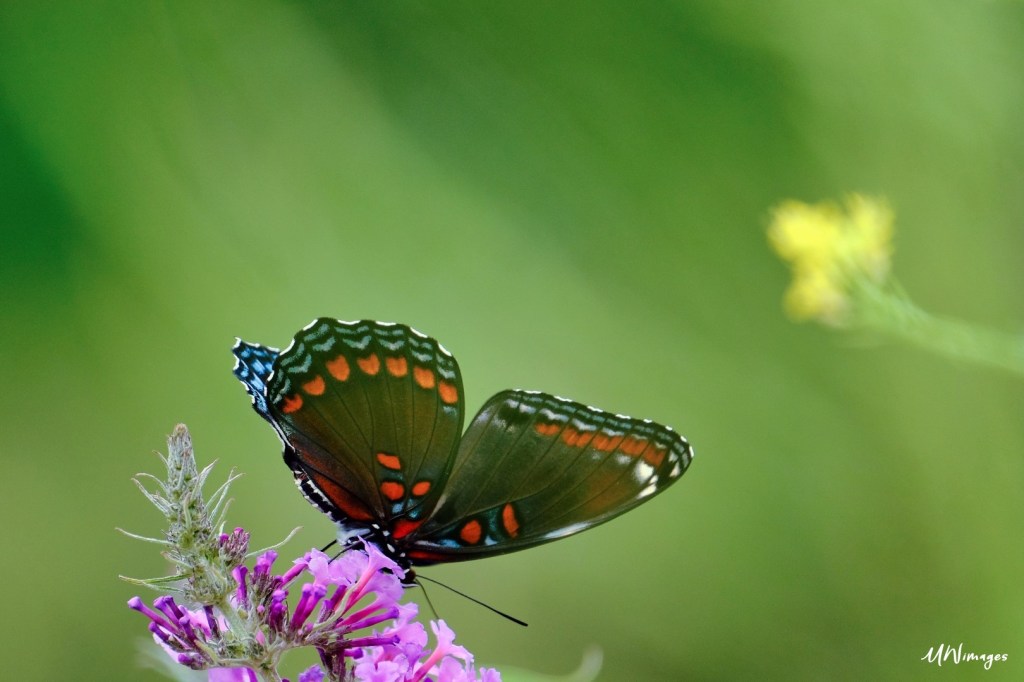
Red-spotted Purple July 22, 2020 Photo by Mark Williams
Red-spotted Purple July 22, 2020 Photo by Mark Williams
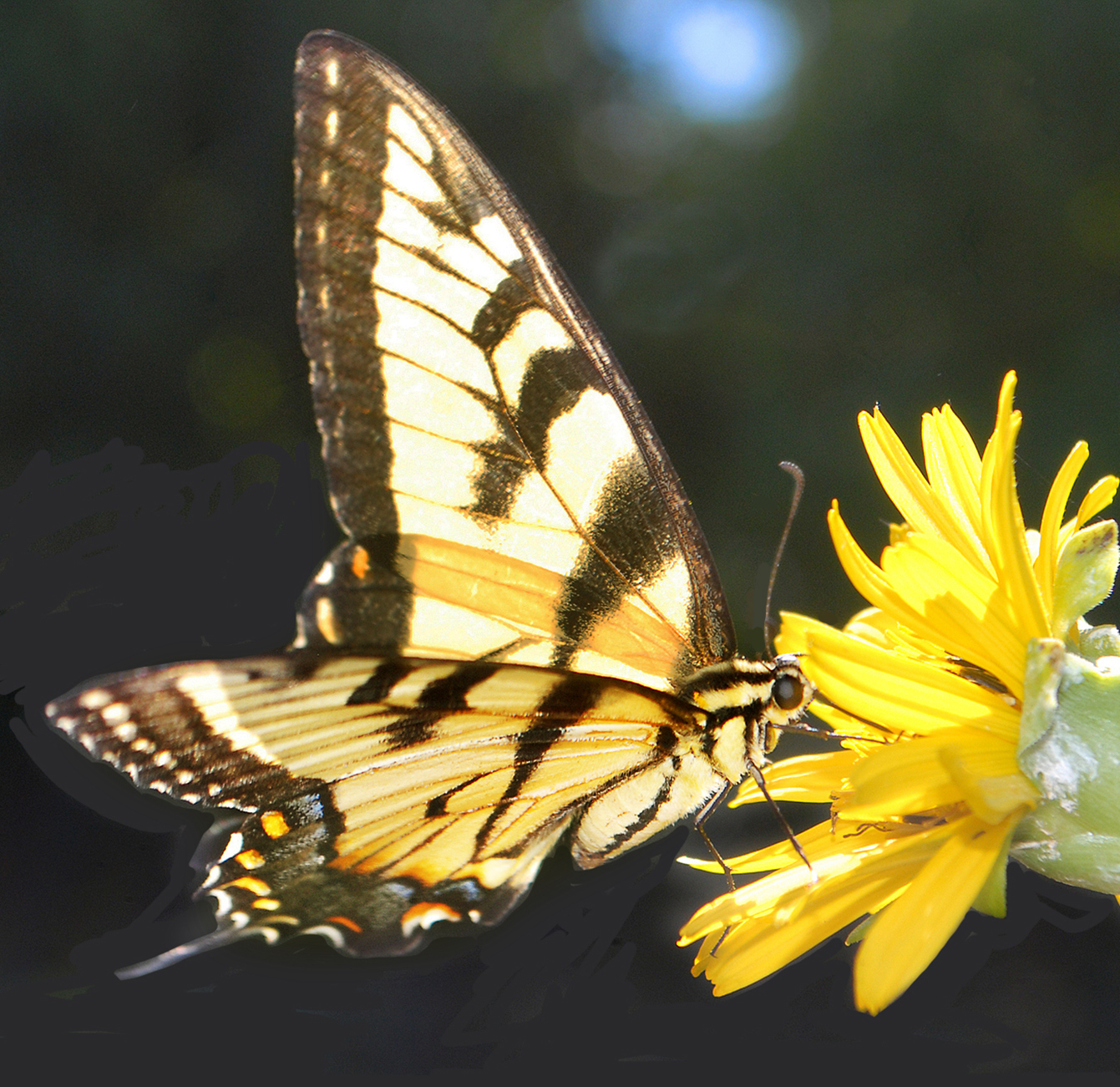
Tiger Swallowtail July 22, 2020 Photo by Mark Williams
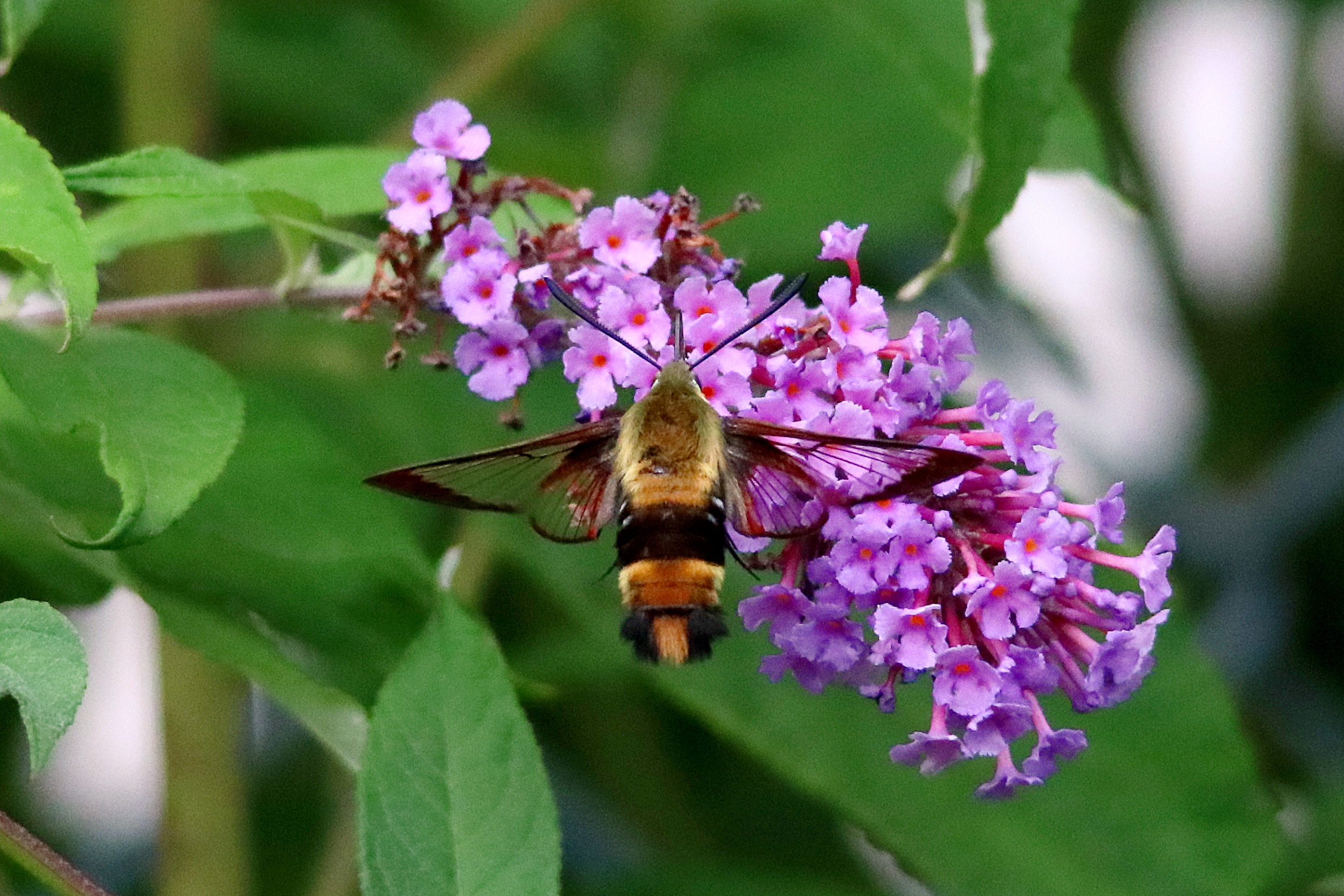
Virginia Creeper Clearwing Moth July 21, 2020 Photo by Ken Kerr
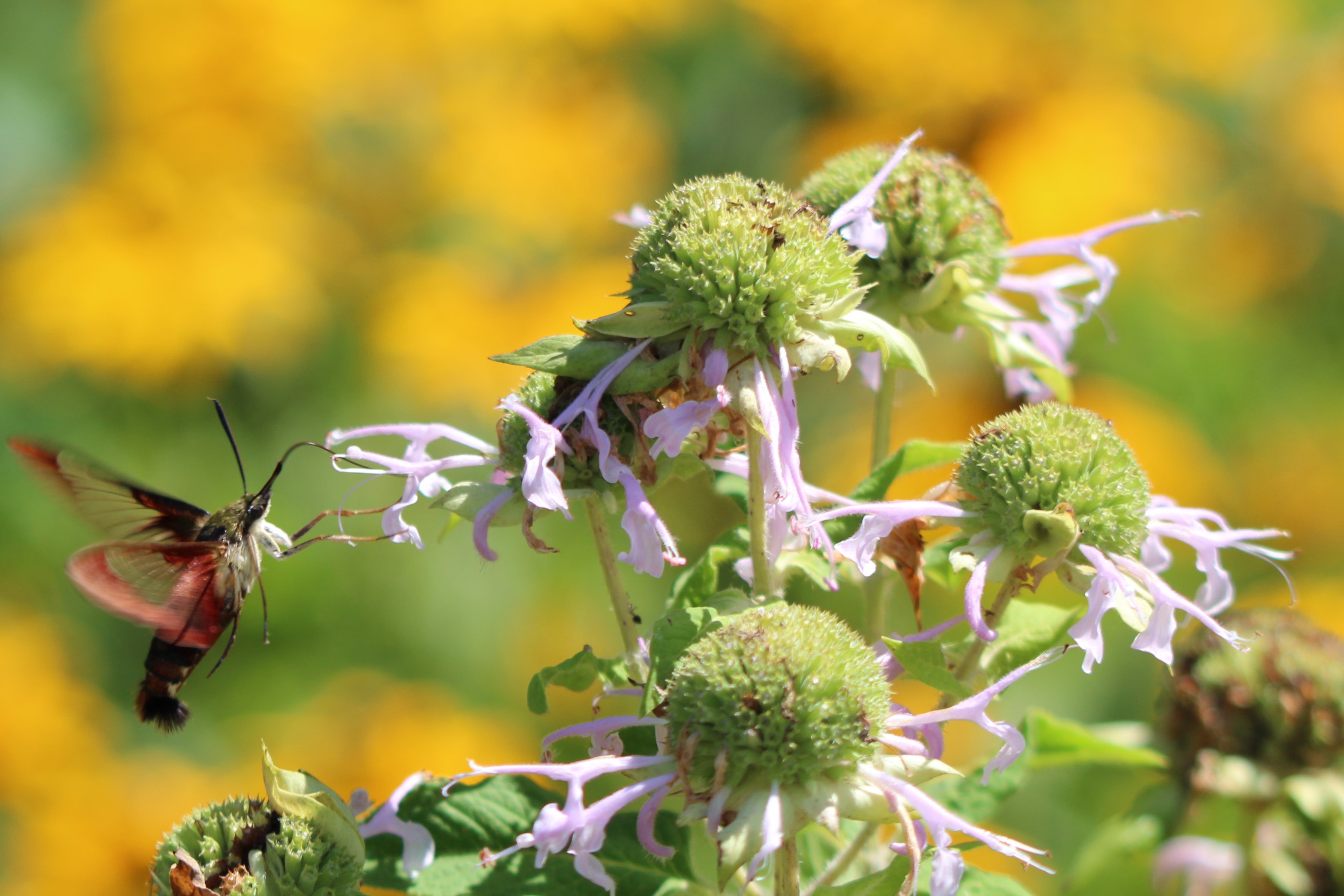
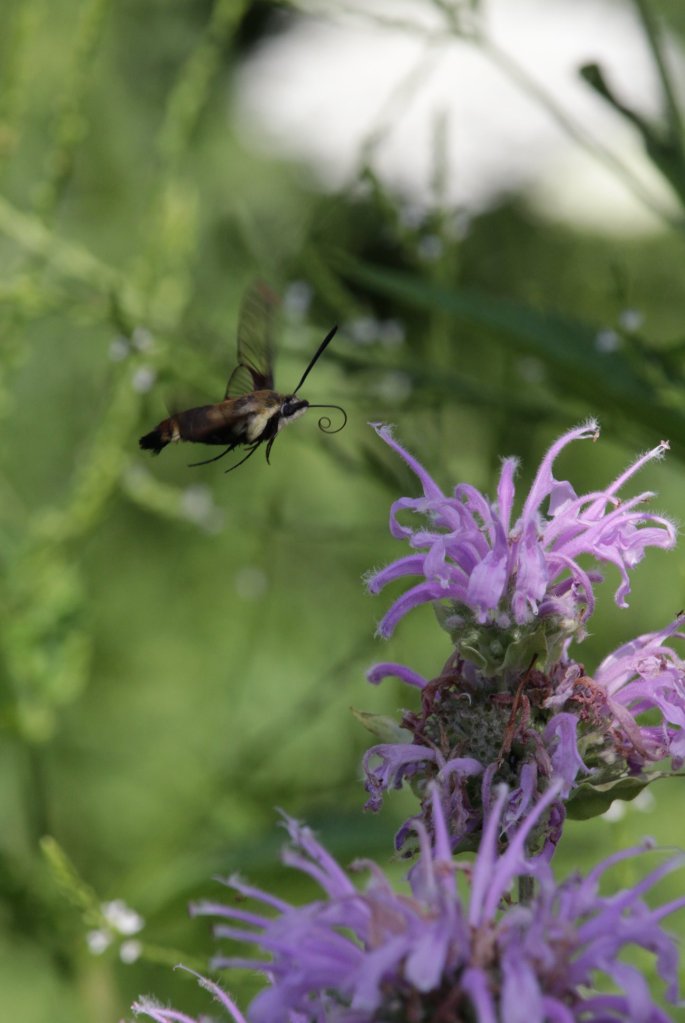
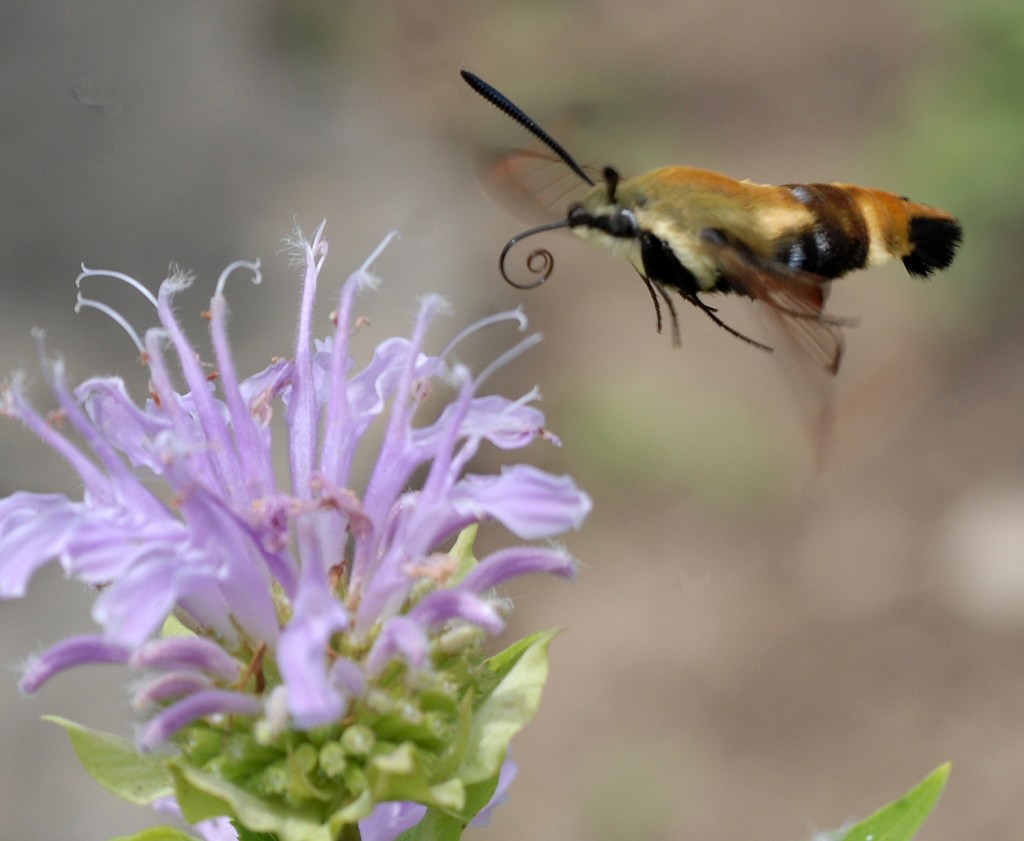
Snowberry Clearwing Moth July 21, 2020 Photo by Michelle Sharp
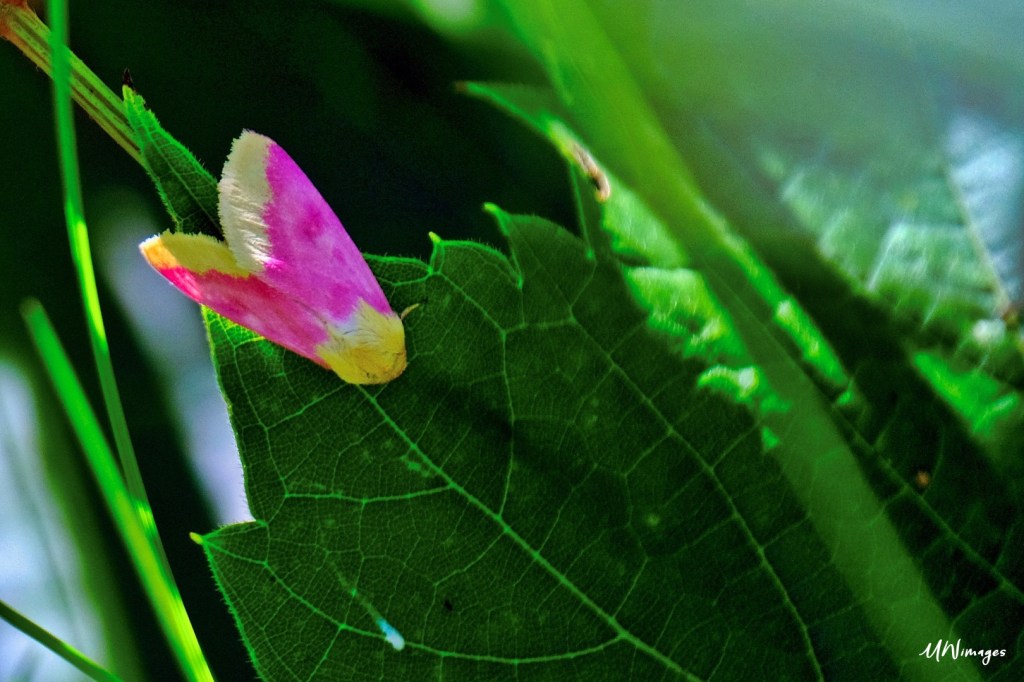
Primrose Moth July 20, 2020 Photo by Mark Williams
Mourning Cloak July 20, 2020 Photo by Michelle Sharp
Cabbage Whites July 19, 2020 Photo by Michelle Sharp
Long-legged Fly July 18, 2020 Photo by Michelle Sharp
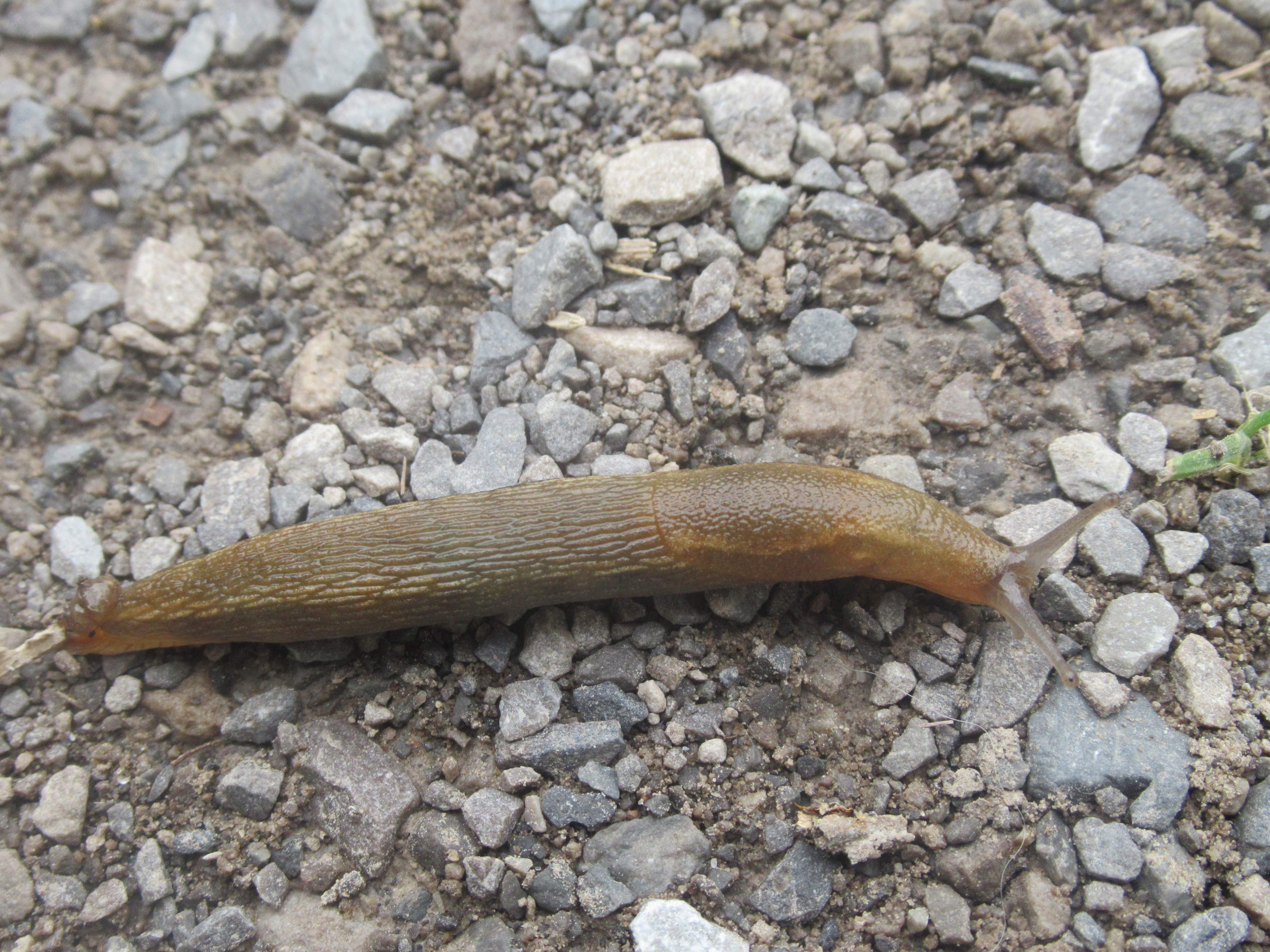
Amber Snail July 18, 2020 Photo by Michelle Sharp
Eastern Pondhawk July 17, 2020 Photo by Michelle Sharp
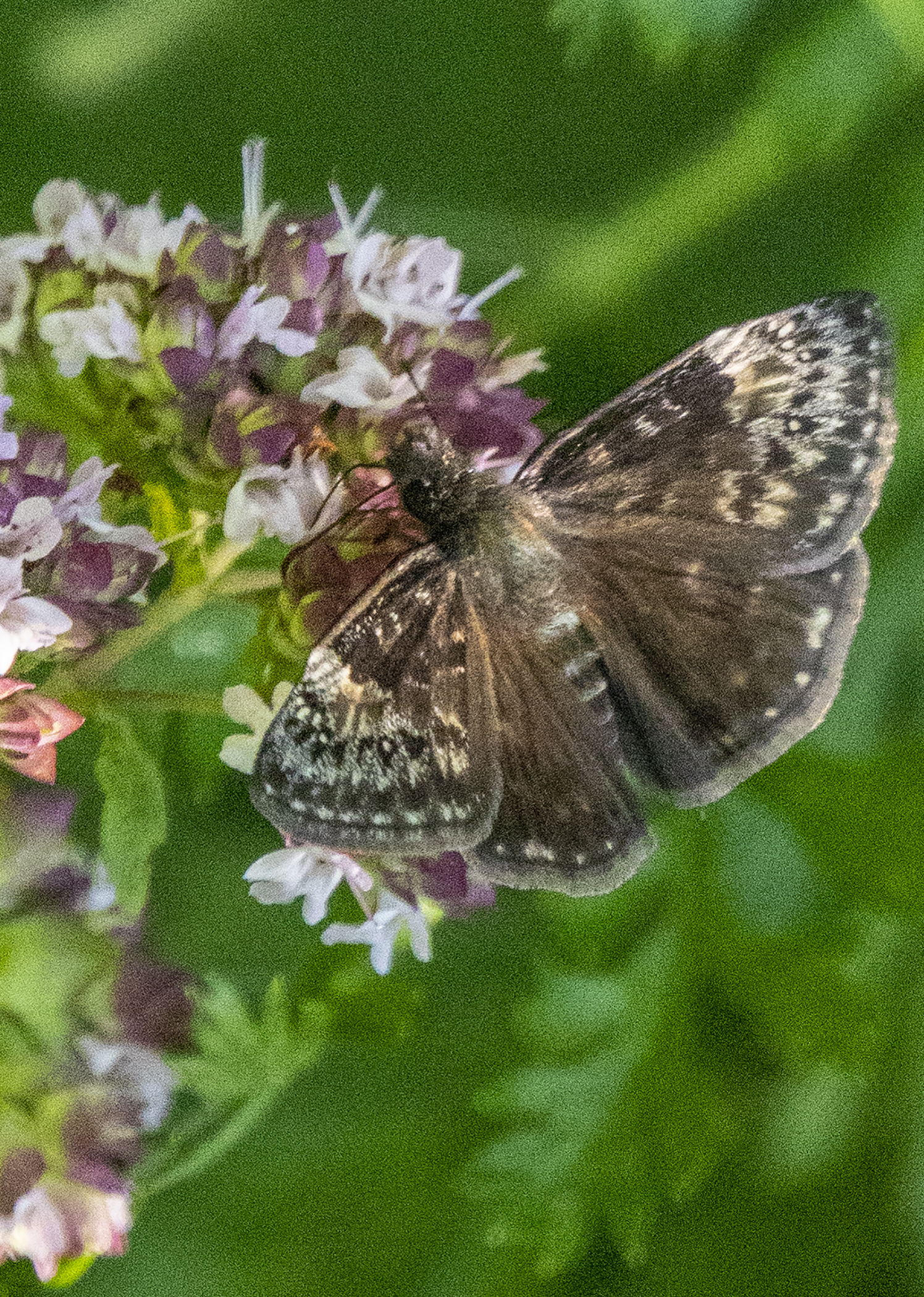
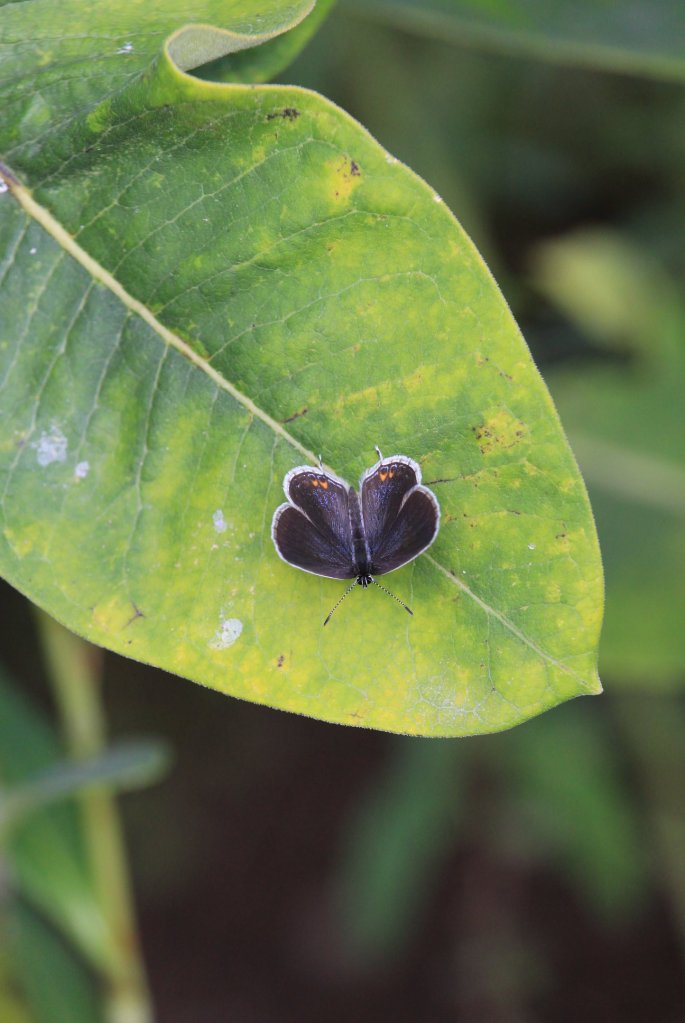
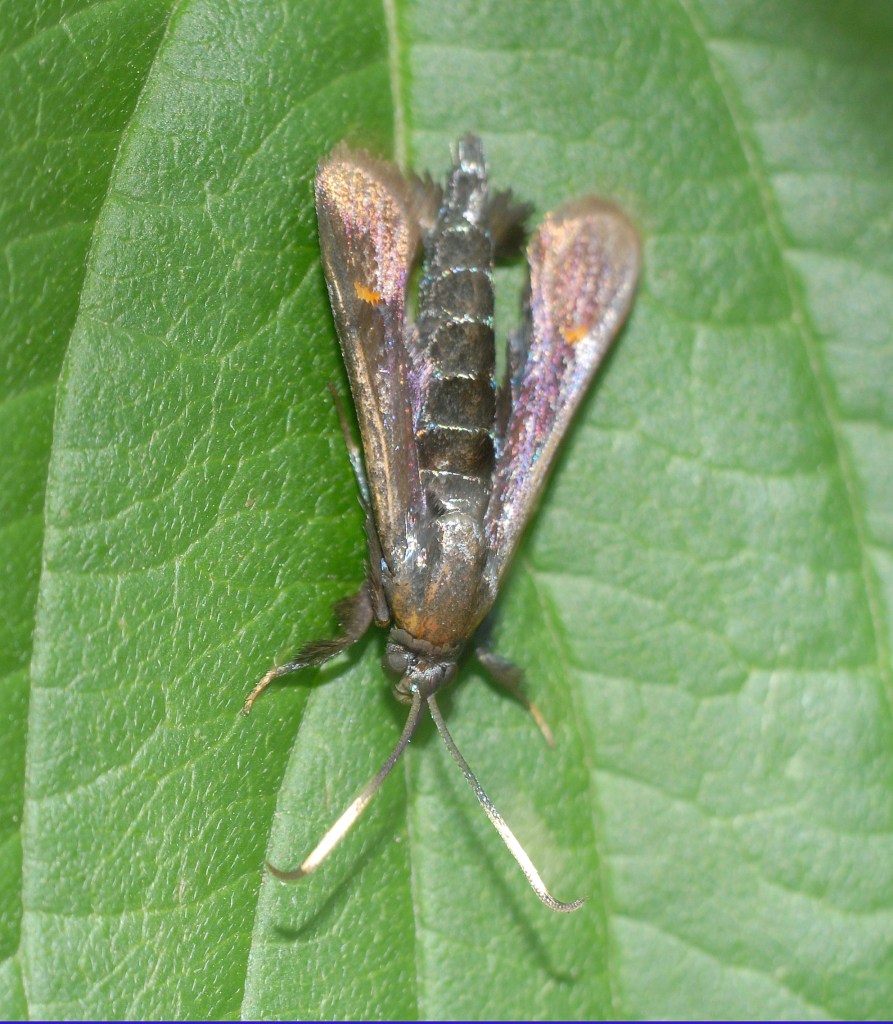
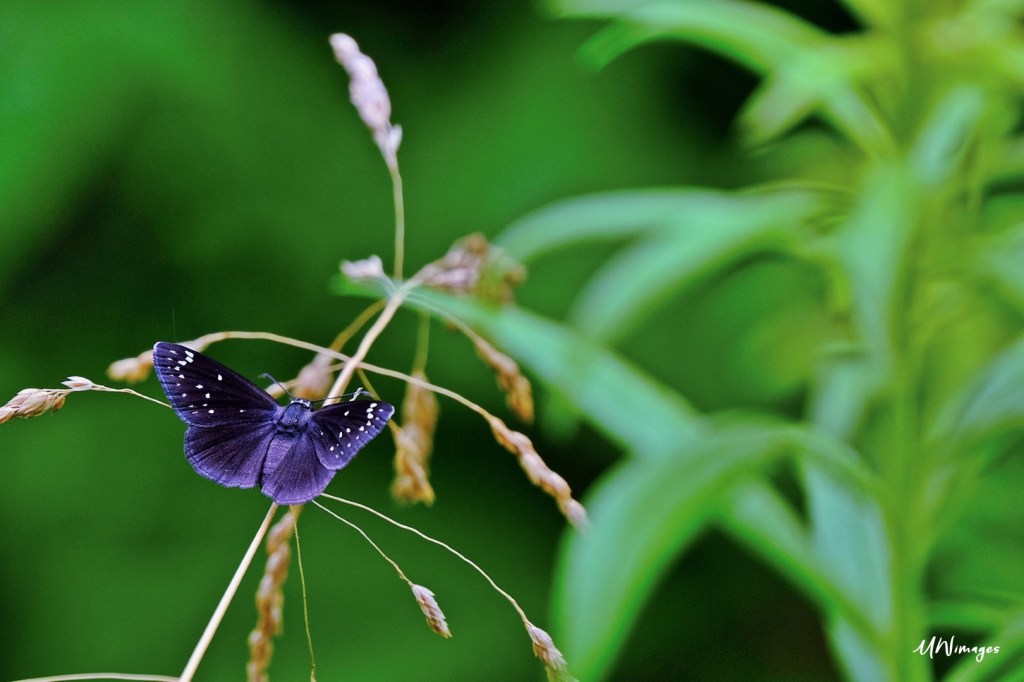
Common Sootywing July 16, 2020 Photo by Mark Williams
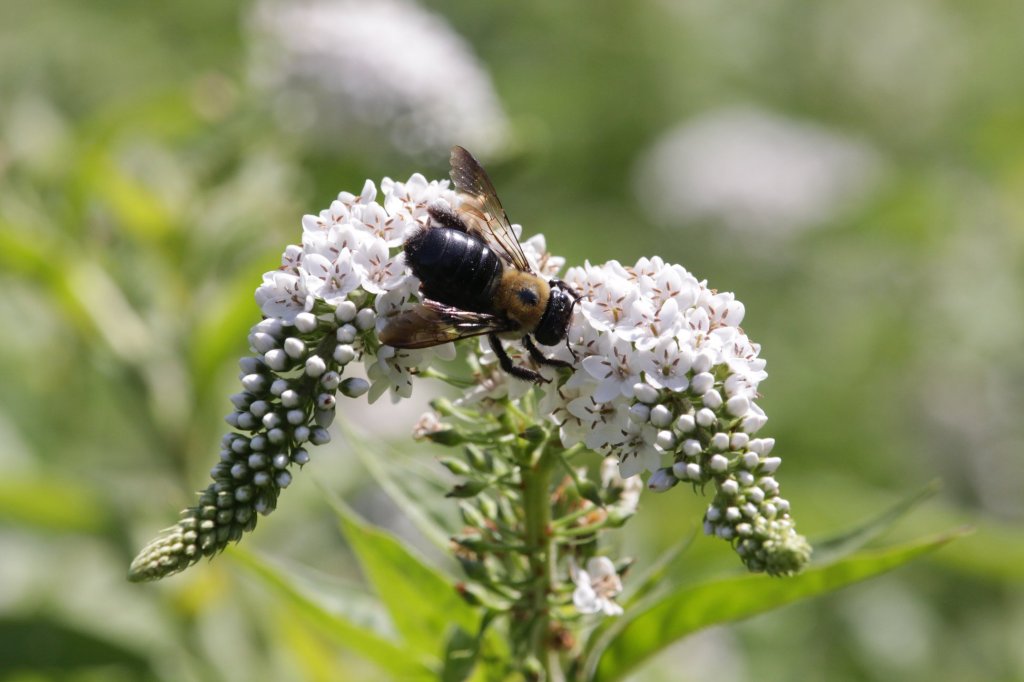
Carpenter Bee on Gooseneck July 15, 2020 Photo by Michelle Sharp
Robber Fly July 14, 2020 Photo by Ken Kerr
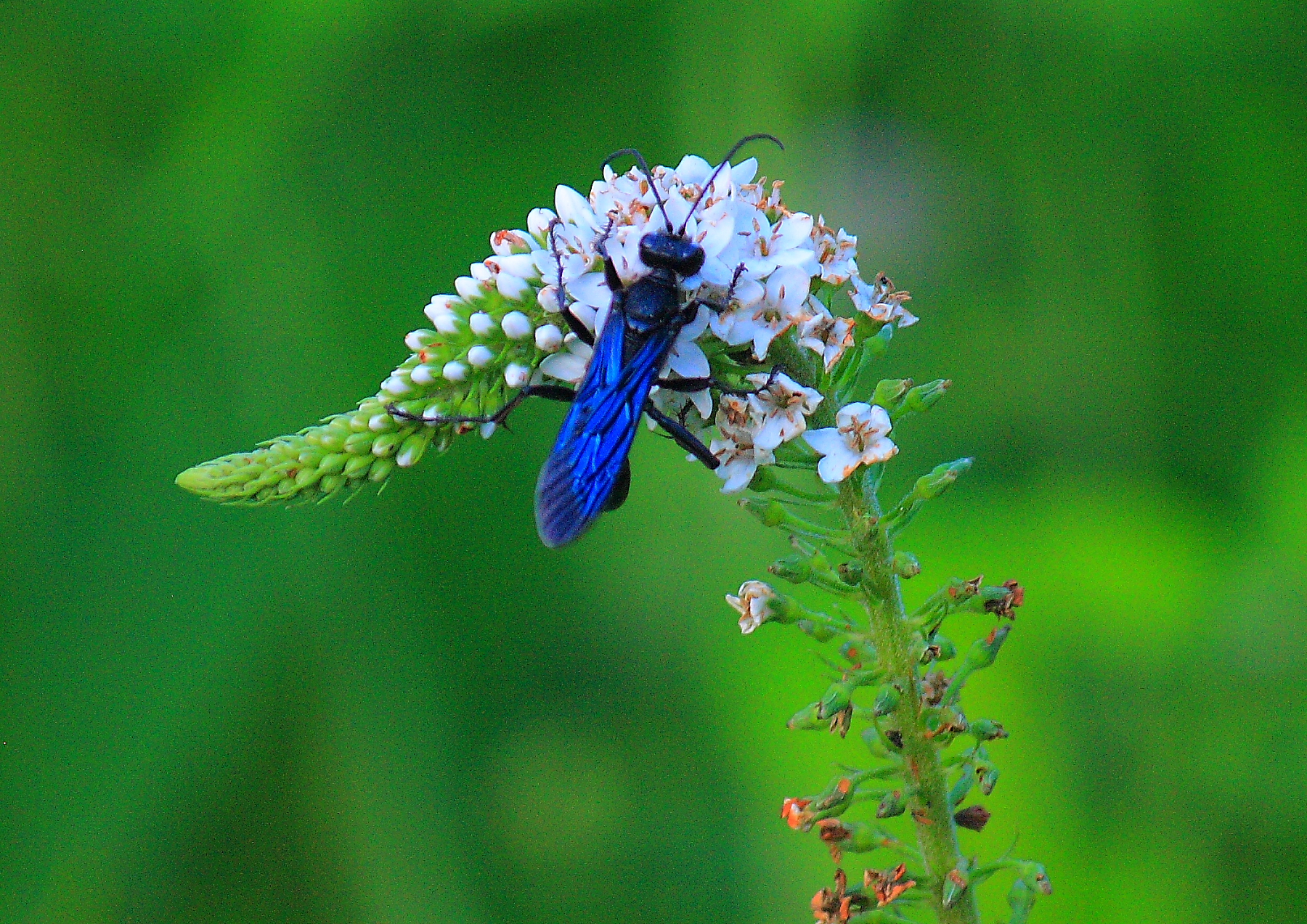
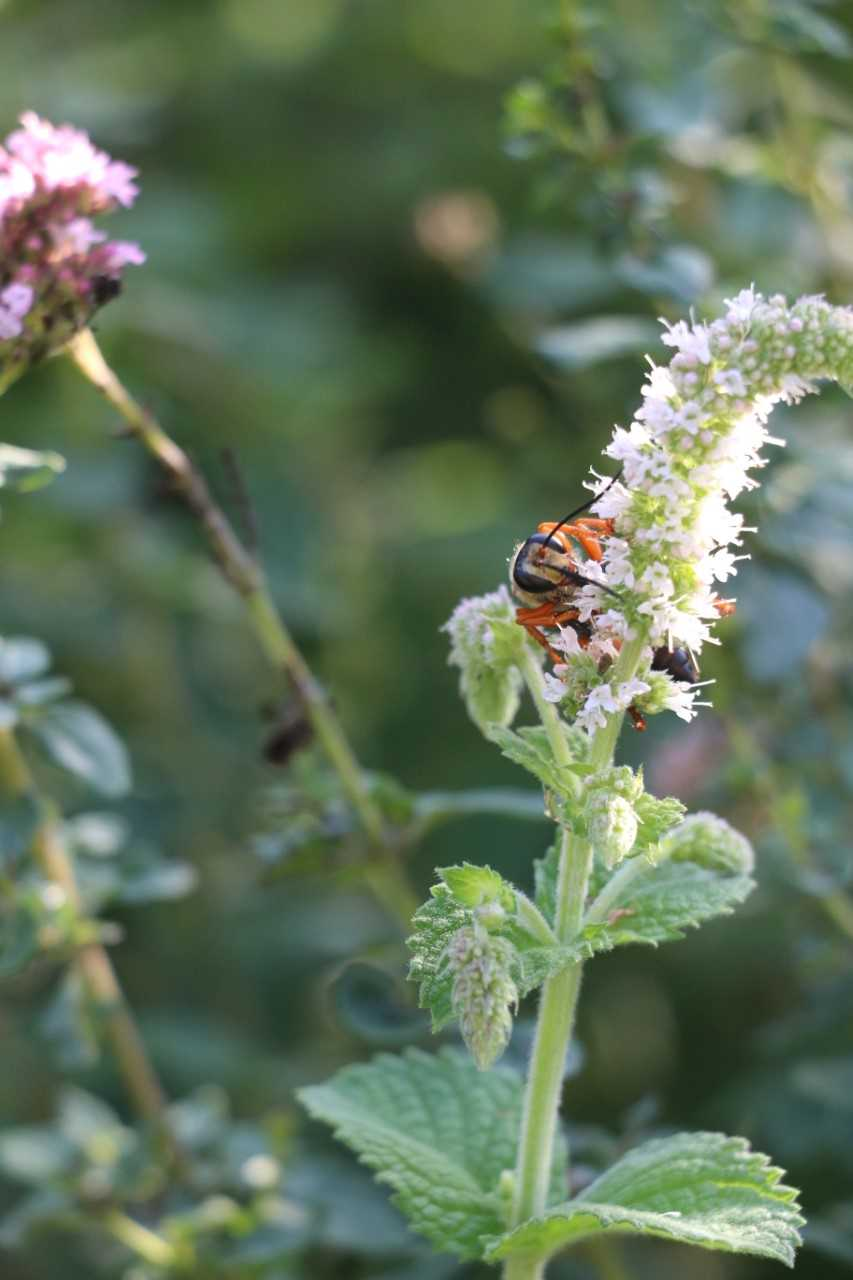
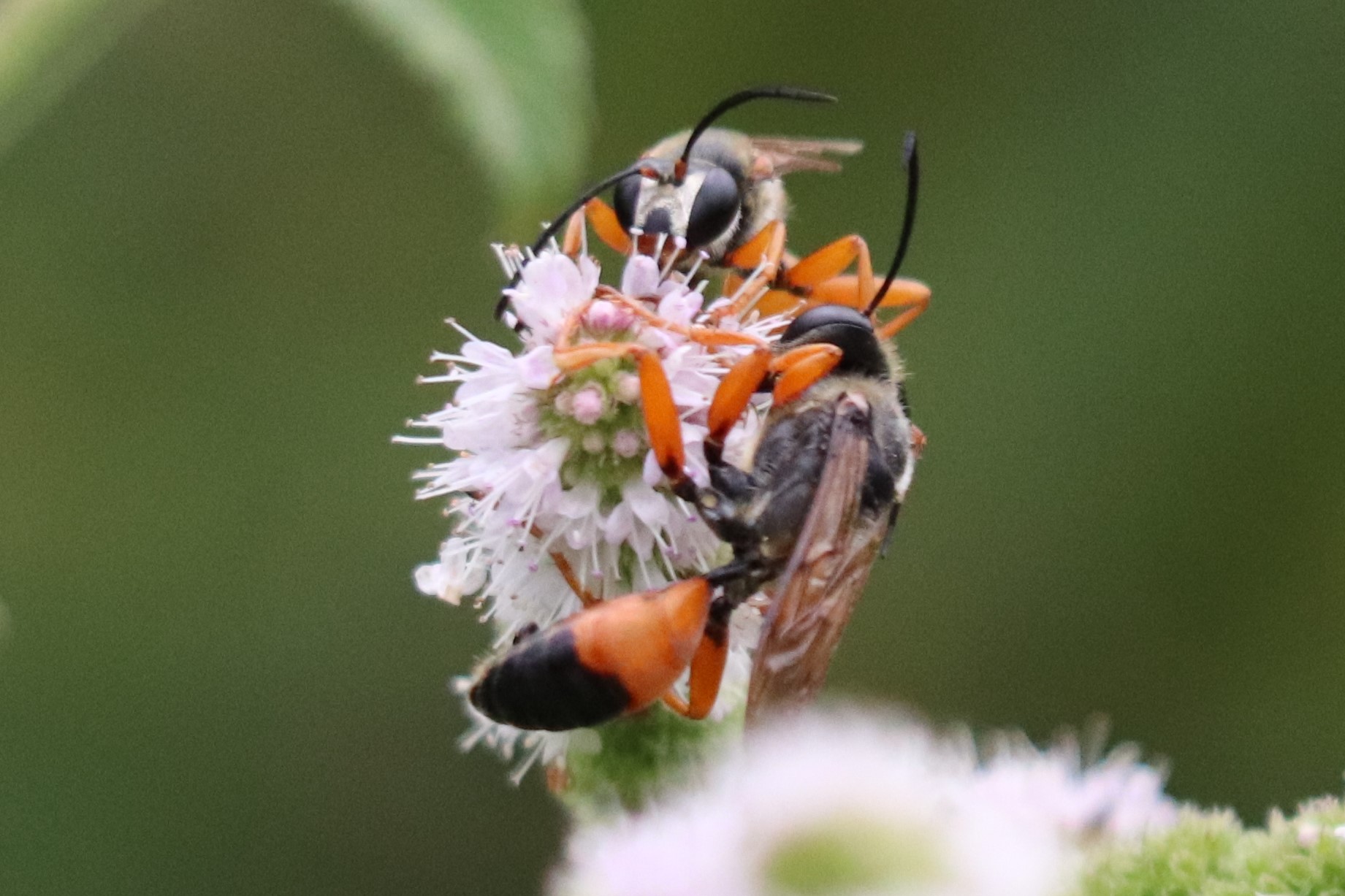
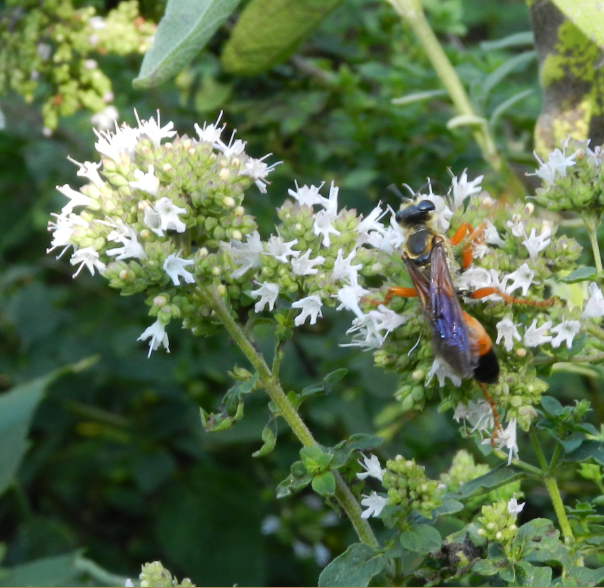
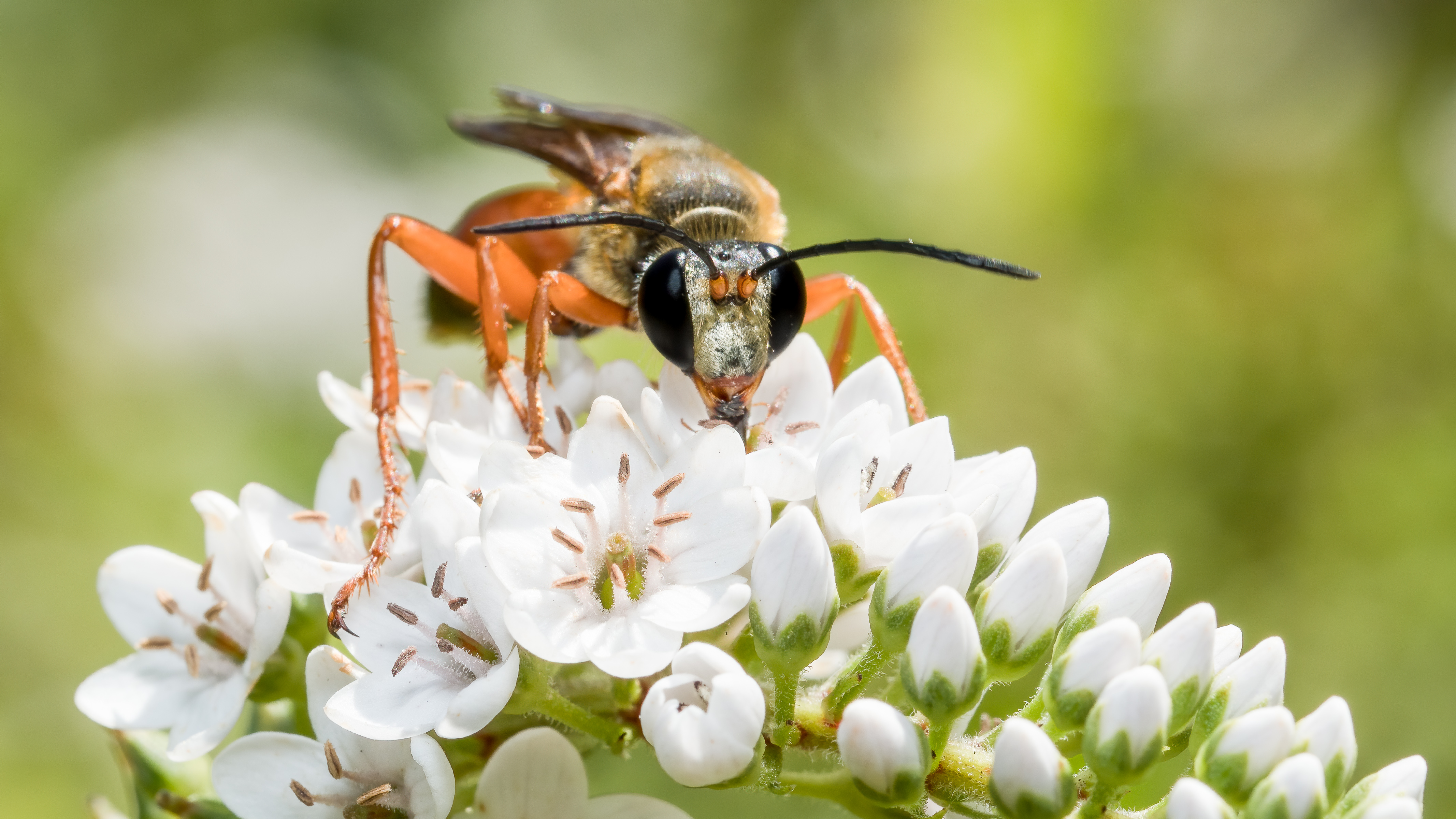
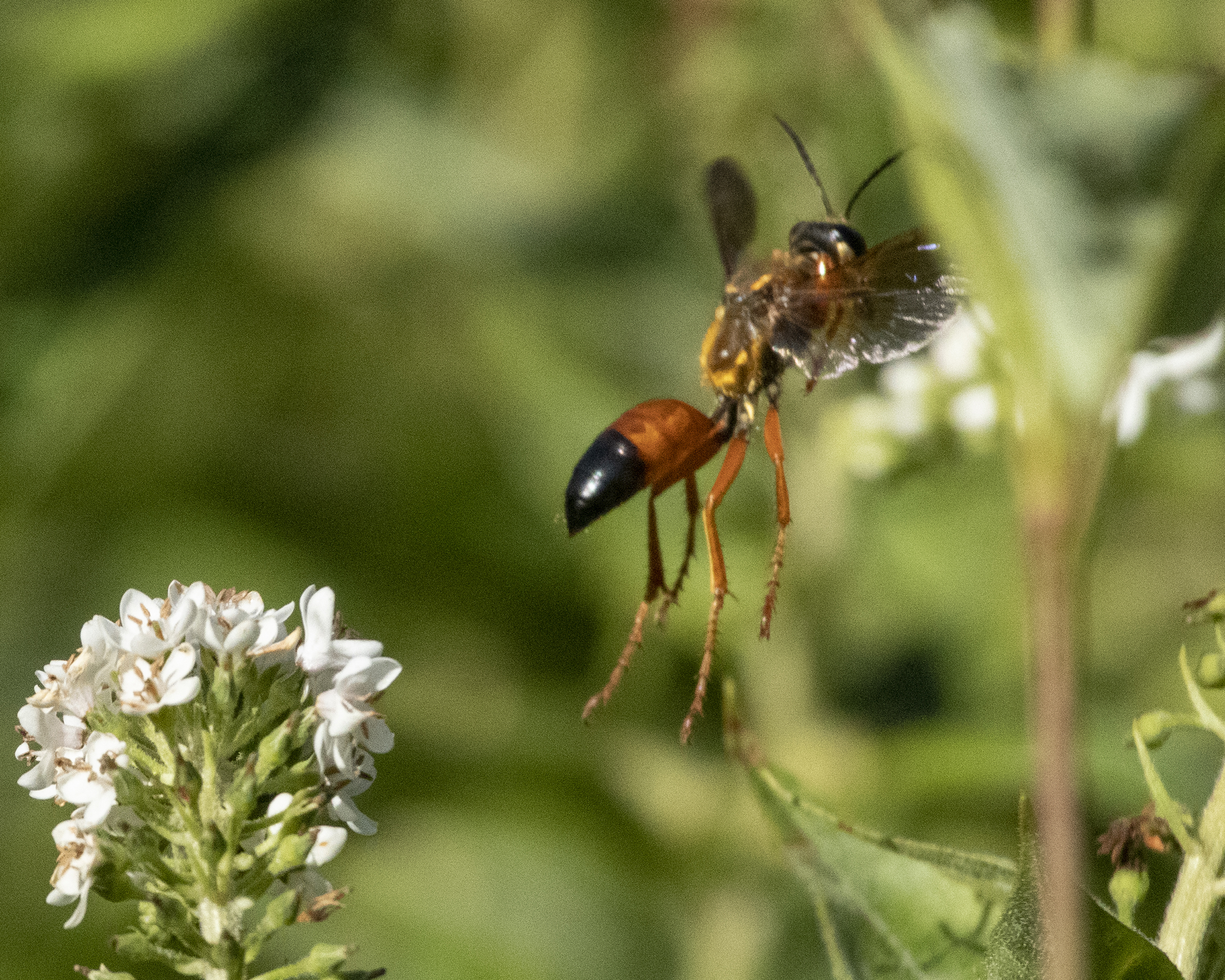
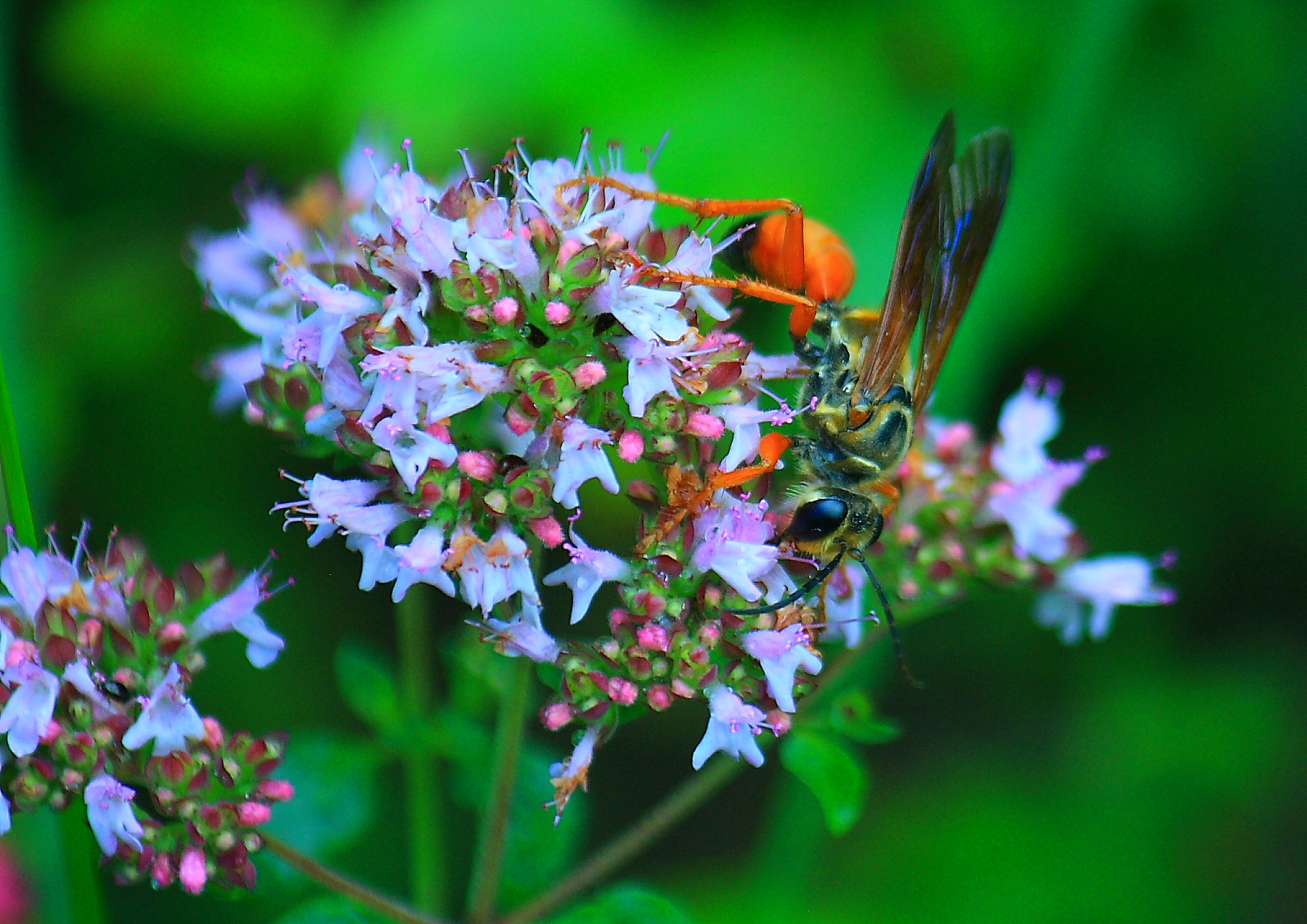
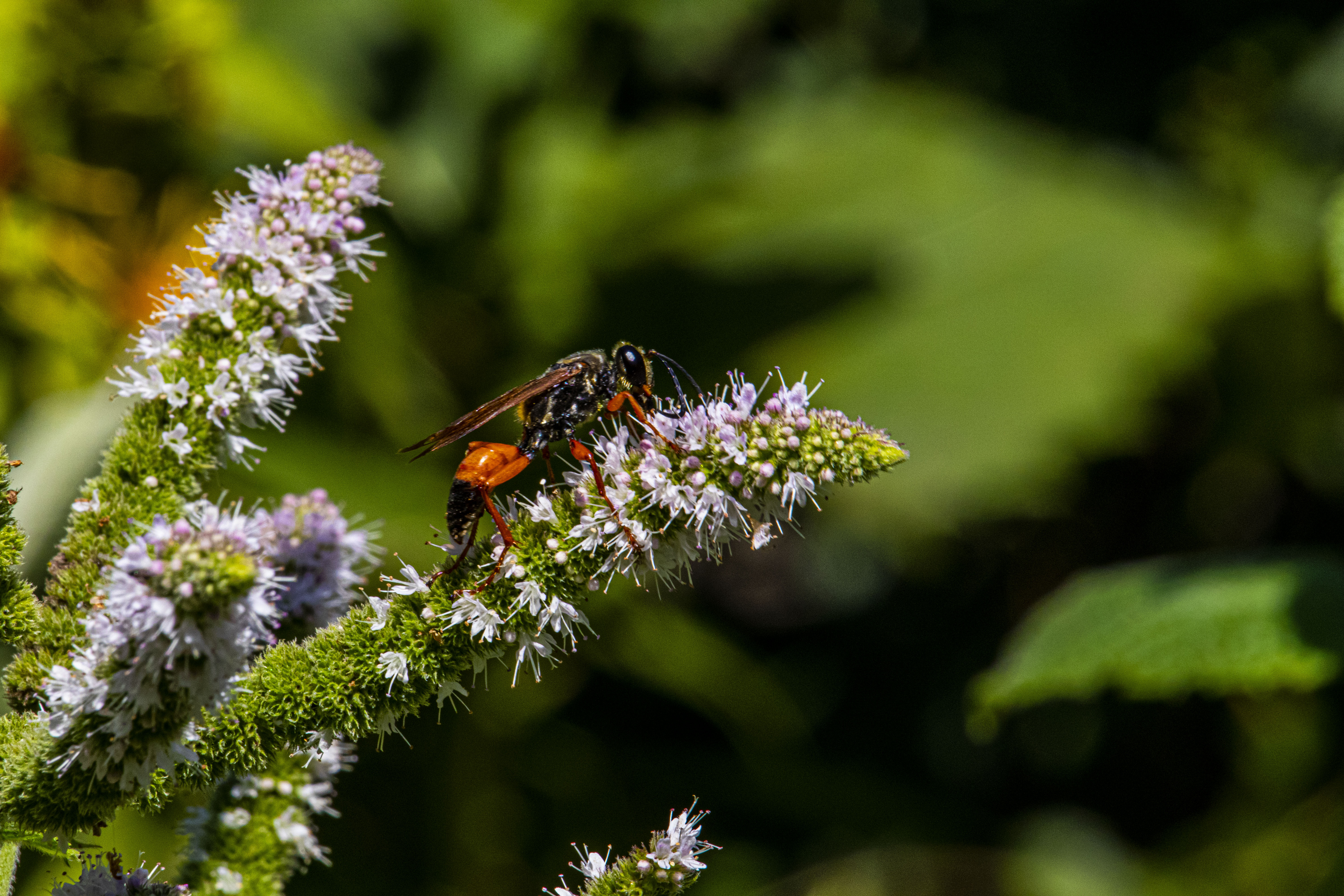
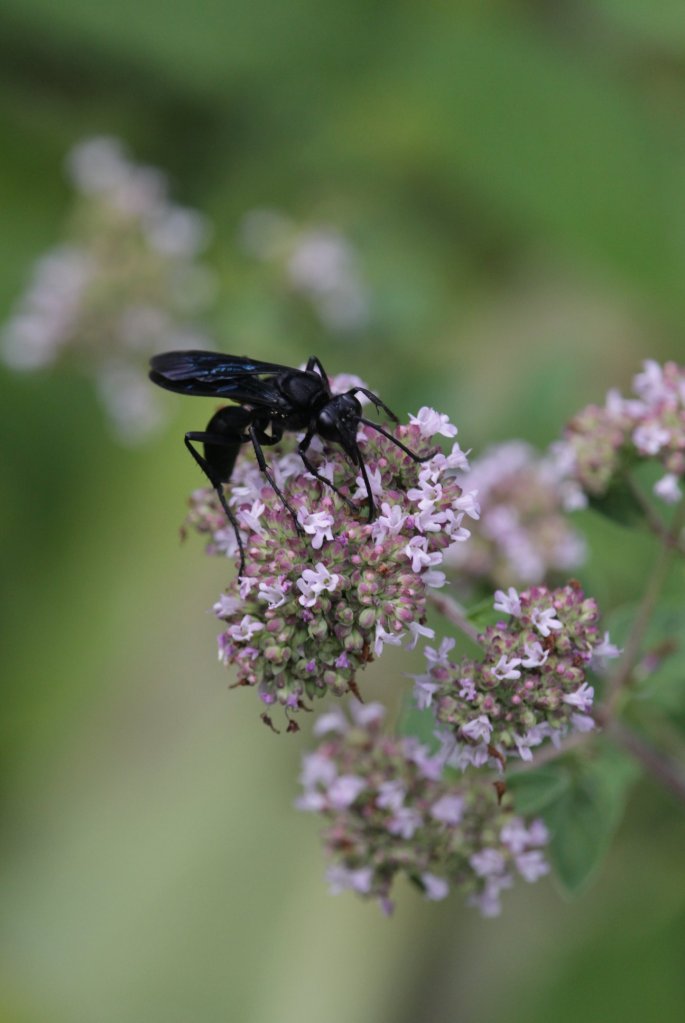
Great Black Wasp on Oregano July 14, 2020 Photo by Michelle Sharp
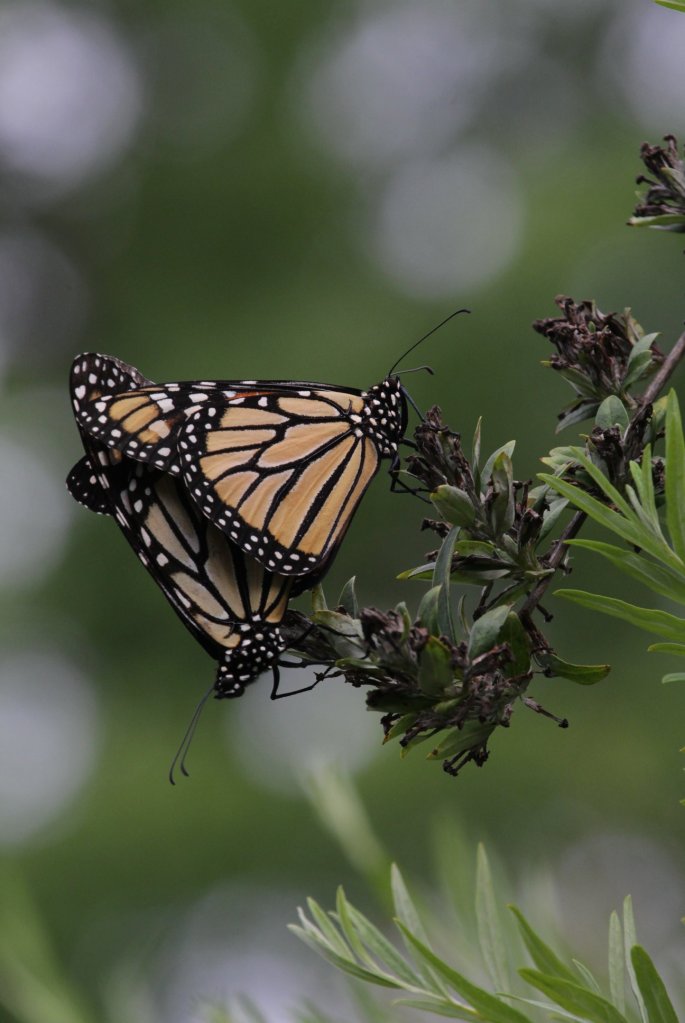
Mating Monarchs July 13, 2020 Photo by Michelle Sharp.
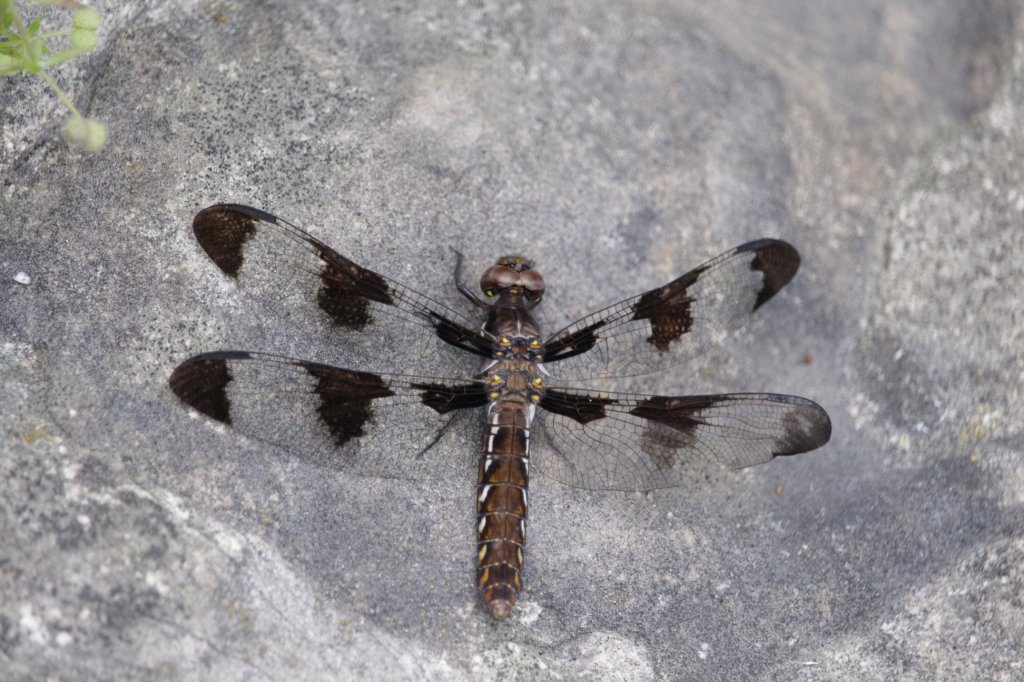
Twelve-spotted Skimmer July 13, 2020 Photo by Michelle Sharp.
Swift Feather-legged Fly July 13, 2020 Photo by Ken Kerr
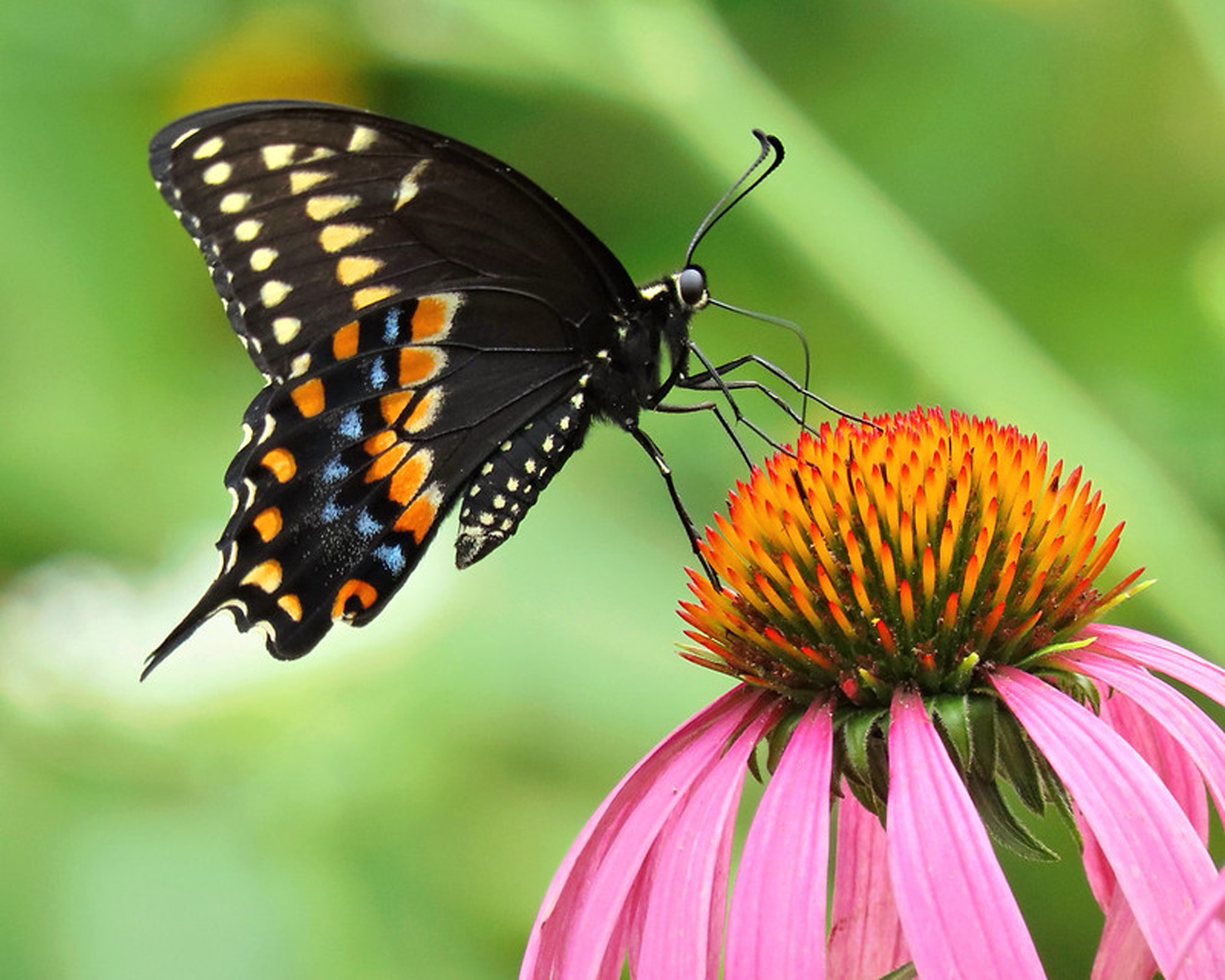
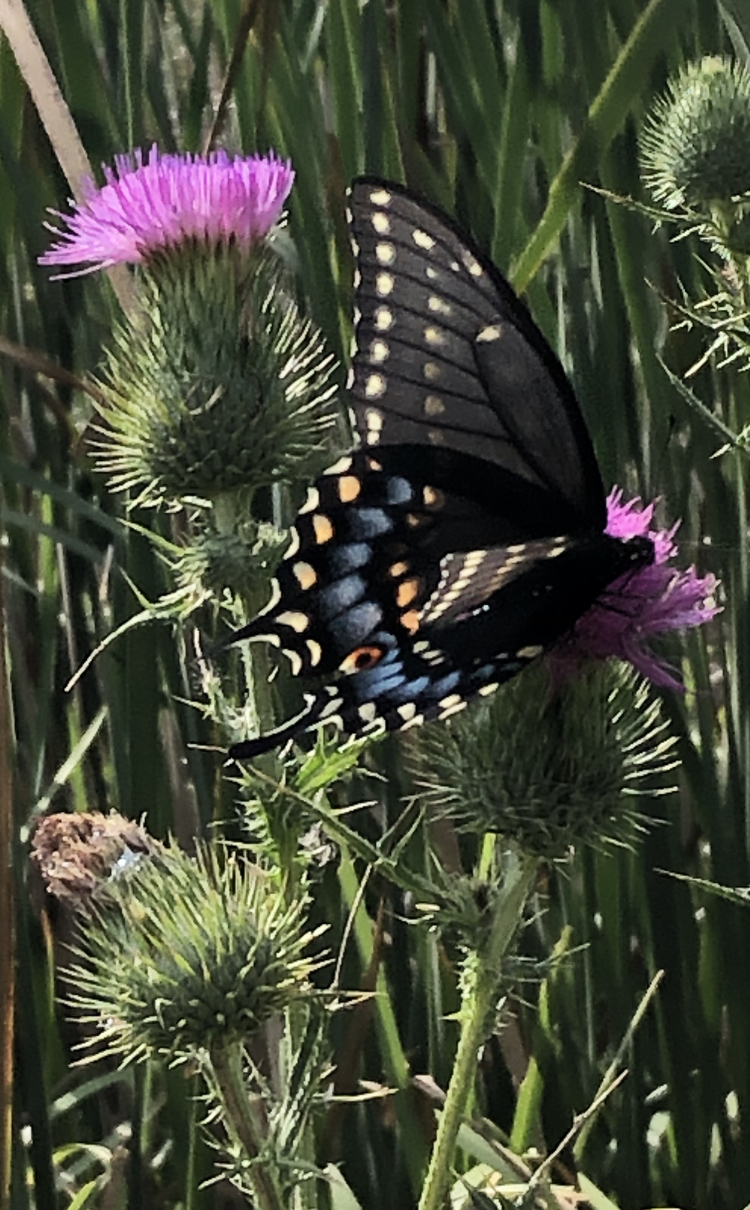
Black Swallowtail on Butterfly Weed July 13, 2020 Photo by Mark Williams
Monarch laying eggs on Milkweed July 12, 2020 Photo by Michelle Sharp
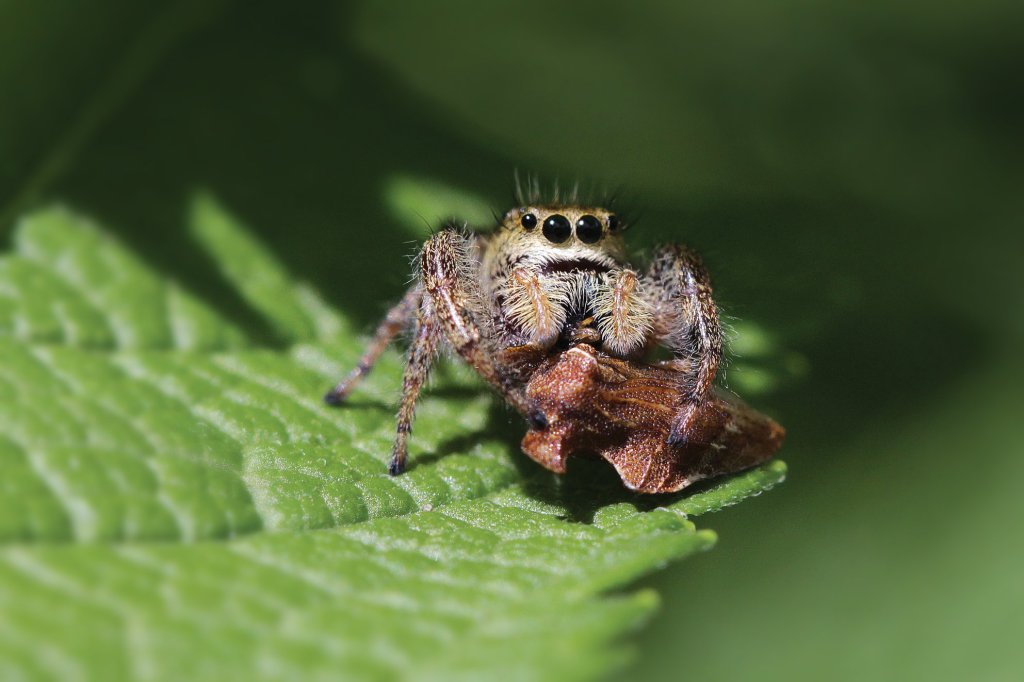
Jumping Spider with a Keeled Treehopper July 12, 2020 Photo by Michelle Sharp
Snowberry Clearwing Moth July 12, 2020 Photo by Ken Kerr
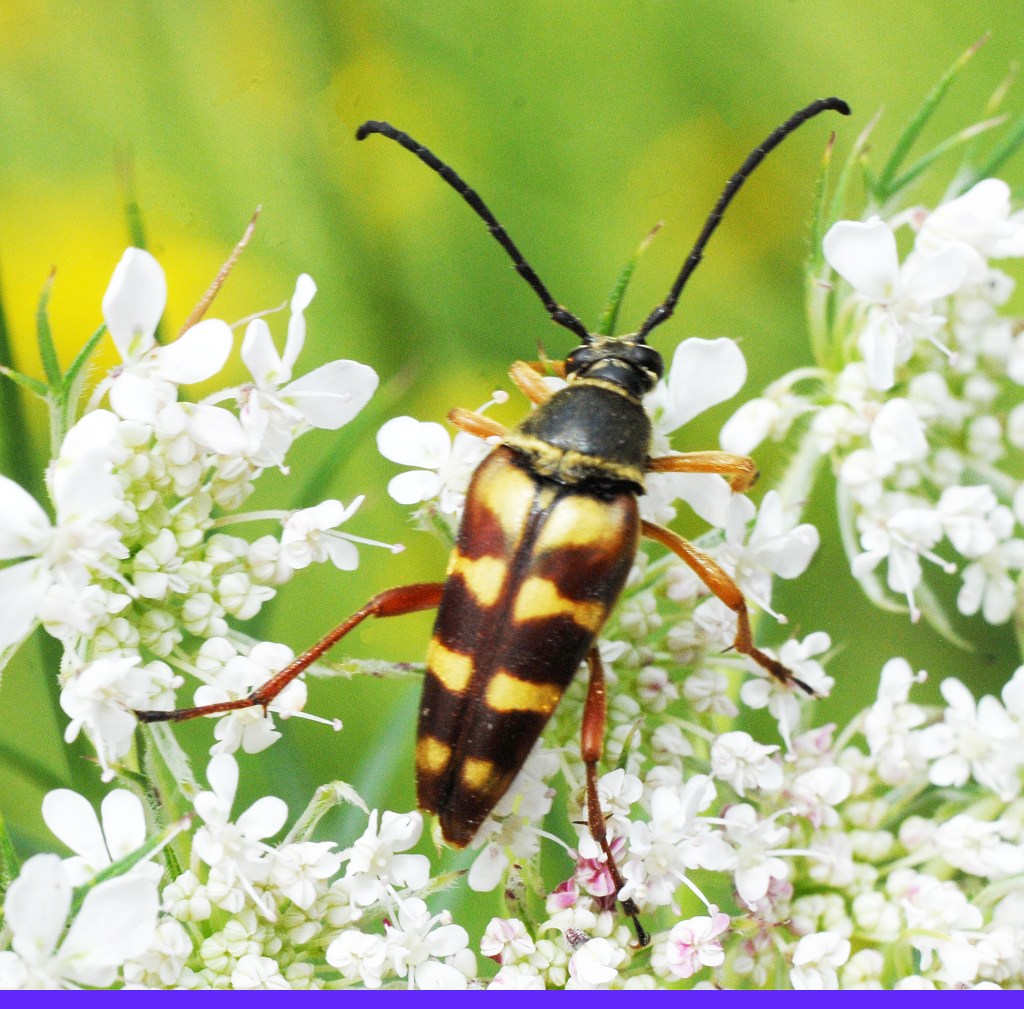
Yellow Banded Longhorn Beetle July 12, 2020 Photo by Ken Kerr
Bluet Damselfly July 10, 2020 Photo by Michelle Sharp
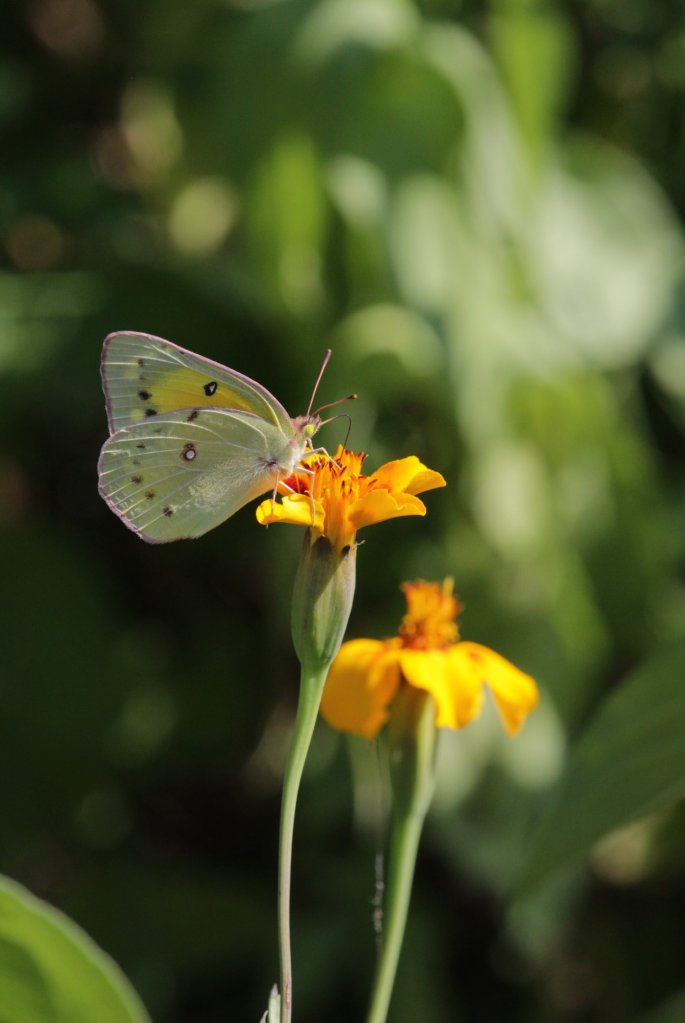
Orange Sulphur on Marigold July 9, 2020 Photo by Michelle Sharp
Pondhawk Female July 9, 2020 Photo by Michelle Sharp
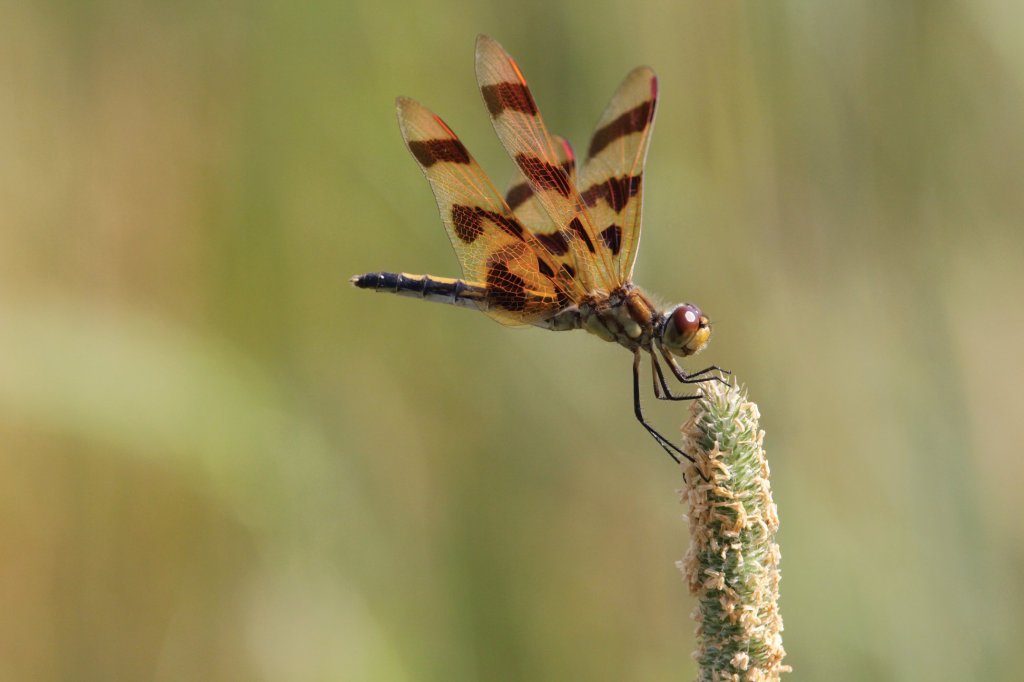
Halloween Pennant July 8, 2020 Photo by Michelle Sharp
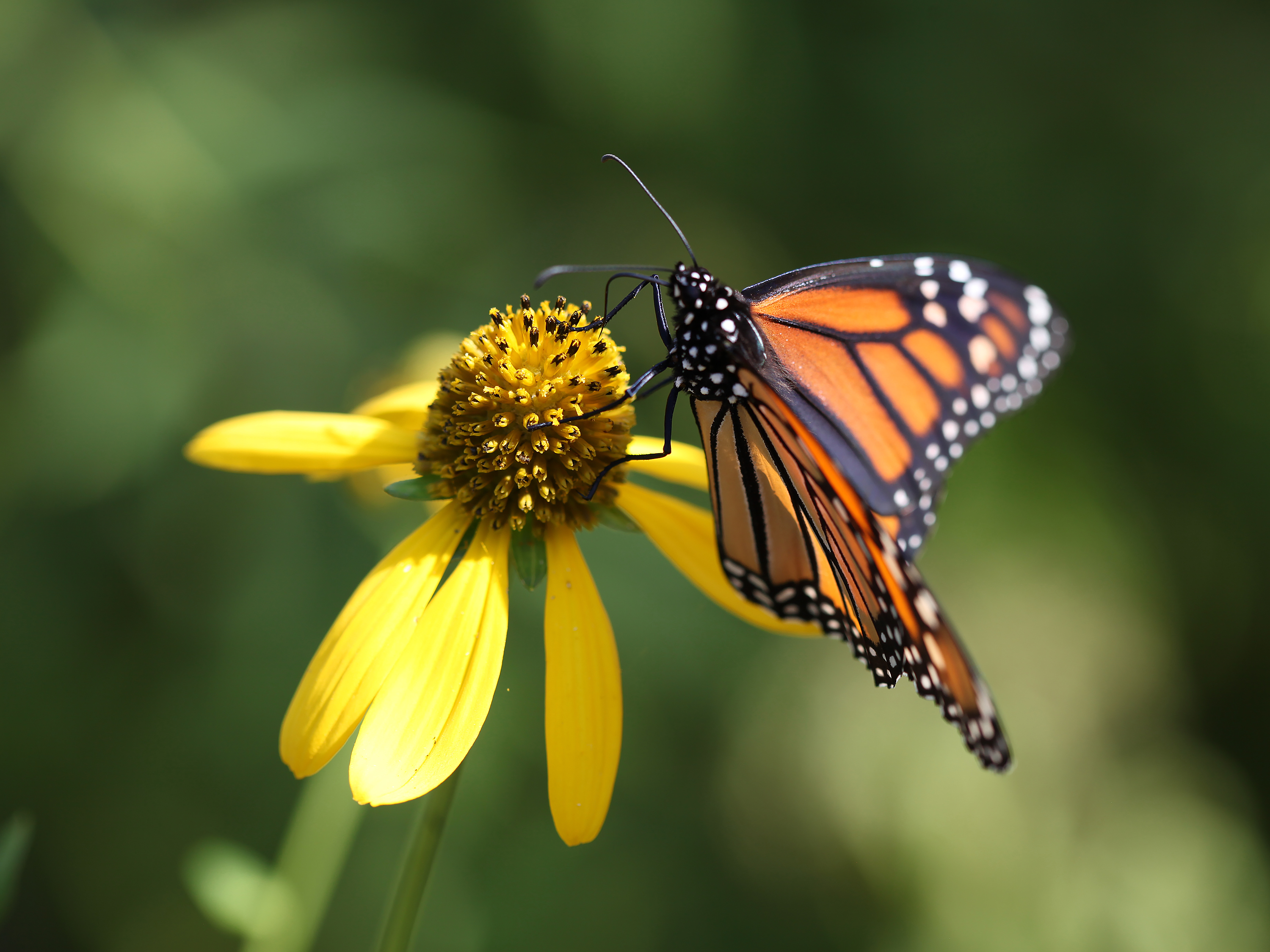
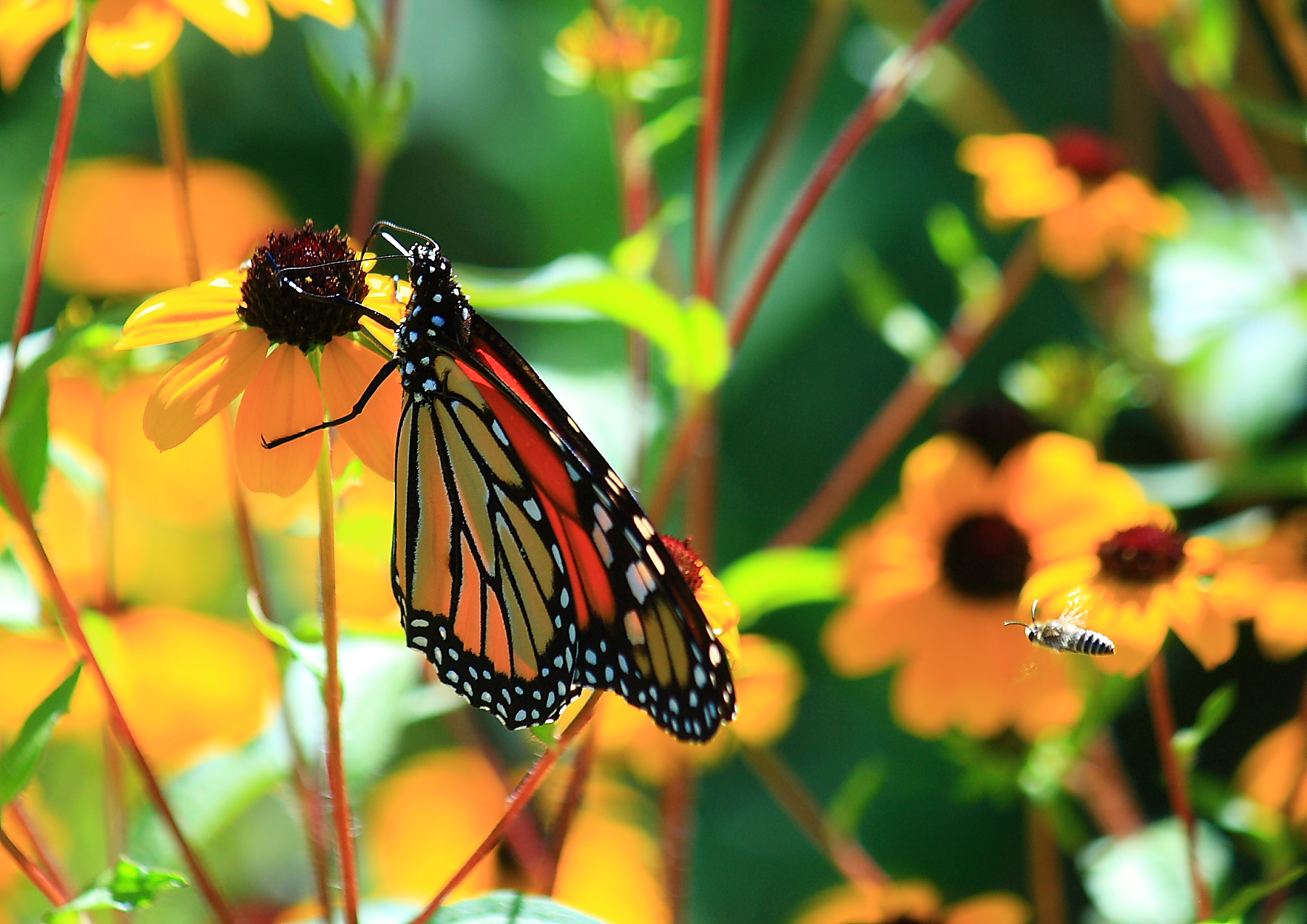
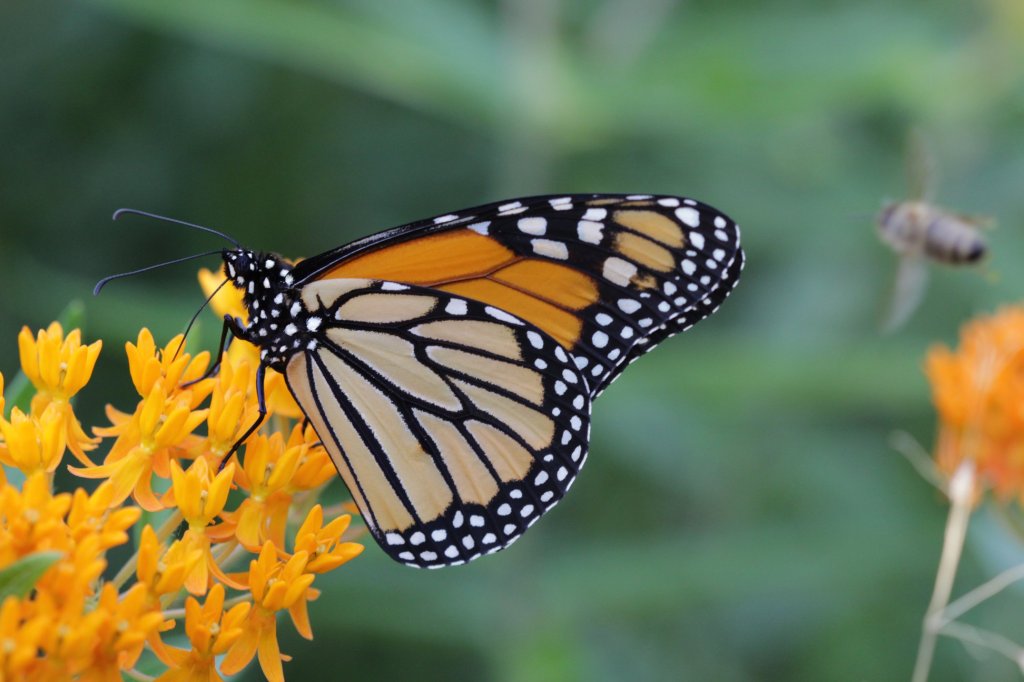
Monarch on Butterflyweed July 7, 2020 Photo by Michelle Sharp
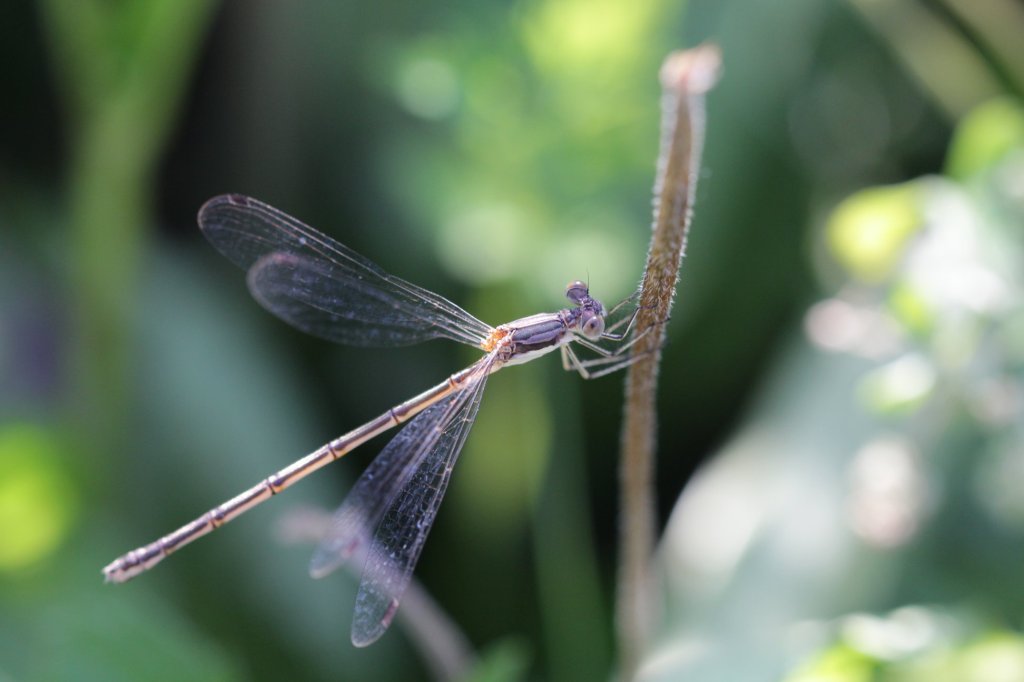
Spreadwing Damselfly July 6, 2020 Photo by Michelle Sharp
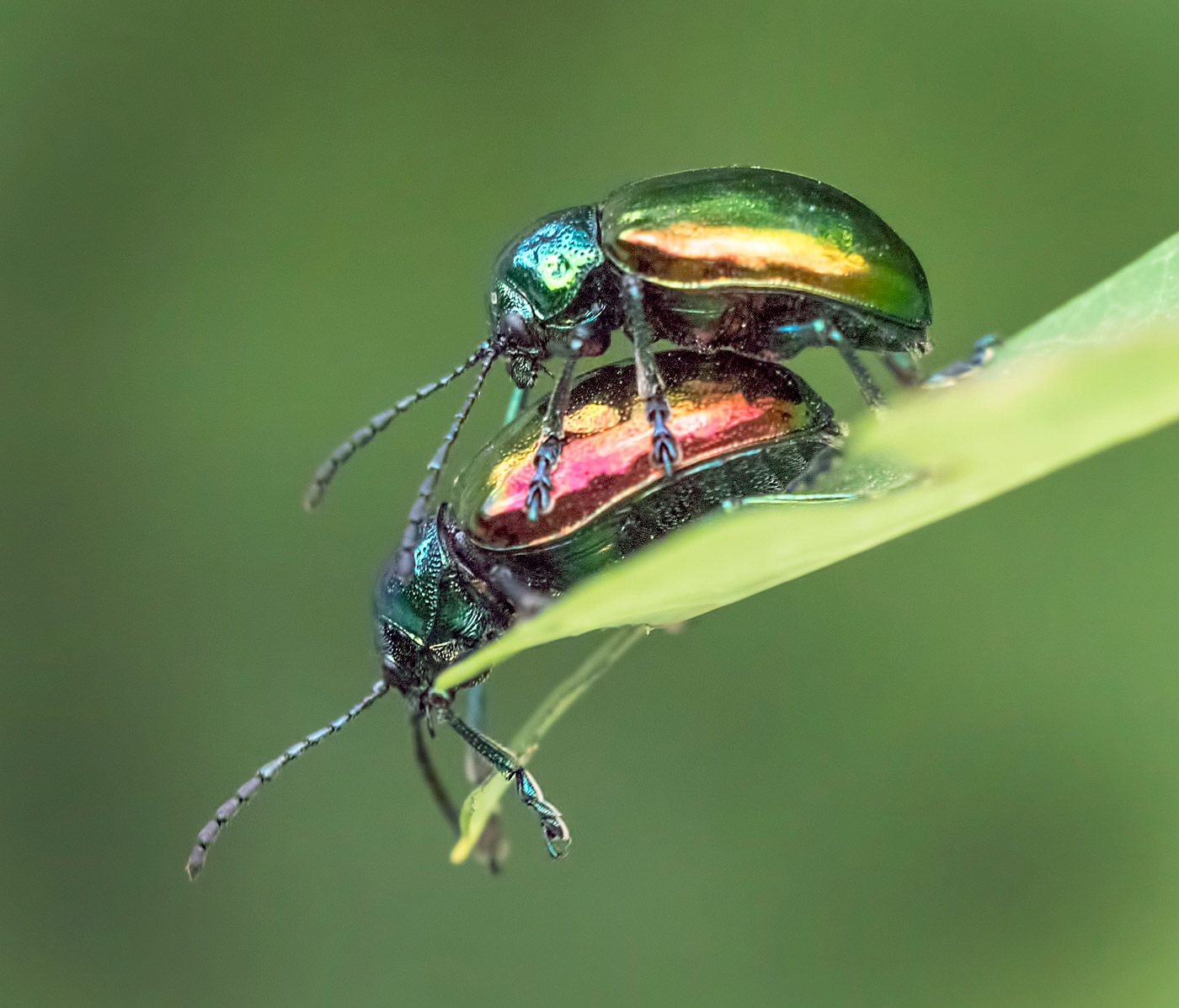
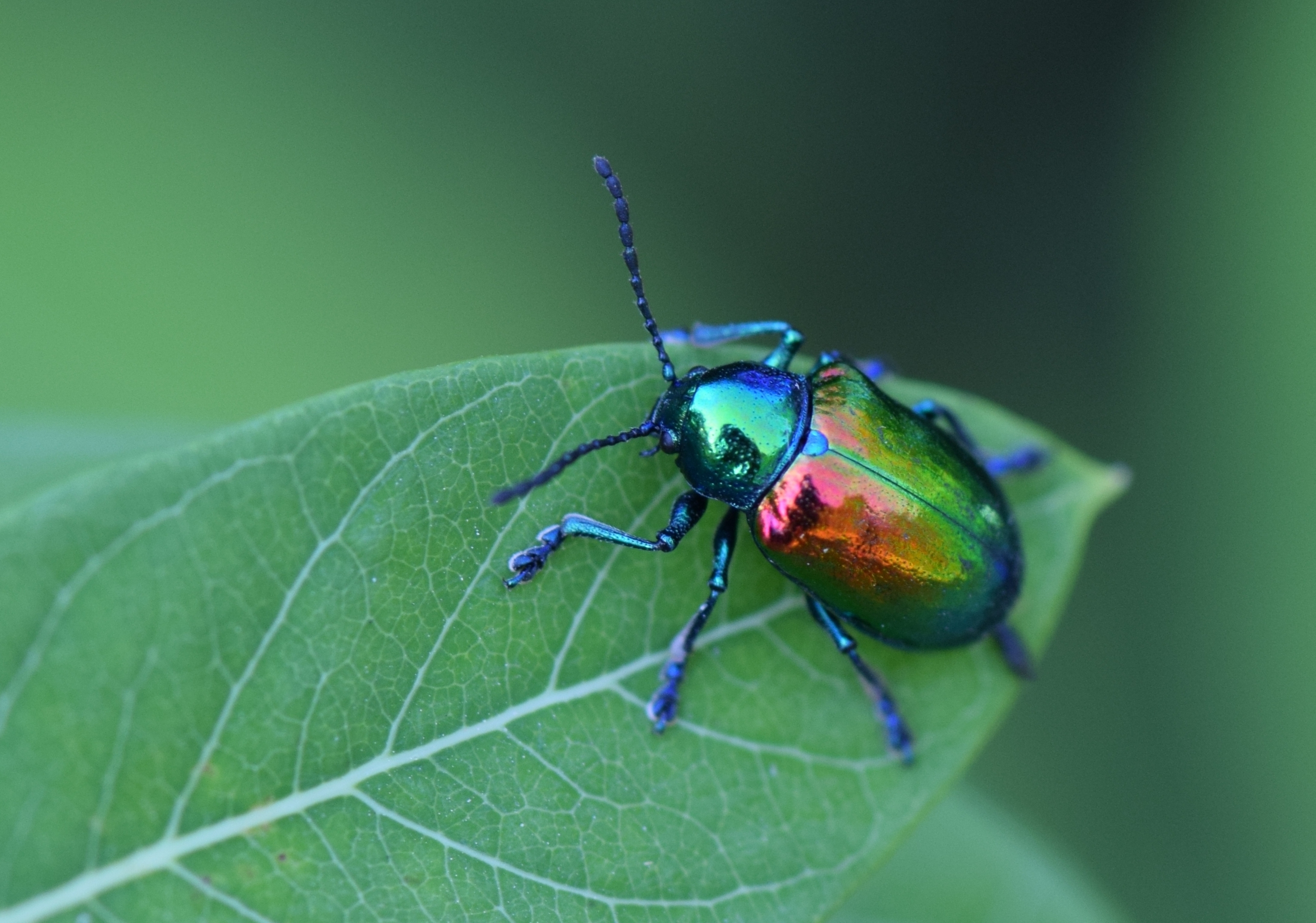
Dogbane Beetle July 6, 2020 Photo by Michelle Sharp
Silhouetted Robber Fly July 6, 2020 Photo by Ken Kerr
Snowberry Clearwing Moth Caterpillar July 4, 2020 Photo by Michelle Sharp
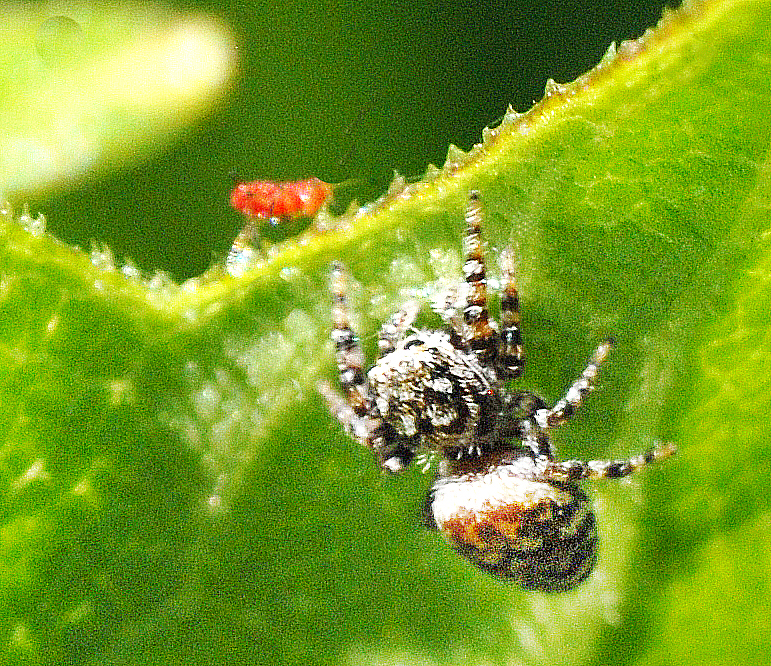
Jumping Spider July 4, 2020 Photo by Ken Kerr
Honeysuckle Sawfly Caterpillar July 3, 2020 Photo by Michelle Sharp
Lacewing July 3, 2020 Photo by Michelle Sharp
White Plume Moth July 3, 2020 Photo by Michelle Sharp
Eight-Spotted Forester Caterpillar July 2, 2020 Photo by Michelle Sharp
Common Red Soldier Beetle July 2, 2020 Photo by Michelle Sharp
Bee Fly July 2, 2020 Photo by Michelle Sharp
Cantharis fusca July 2, 2020 Photo by Michelle Sharp
Honeysuckle Sawfly Caterpillar July 1, 2020 Photo by Michelle Sharp
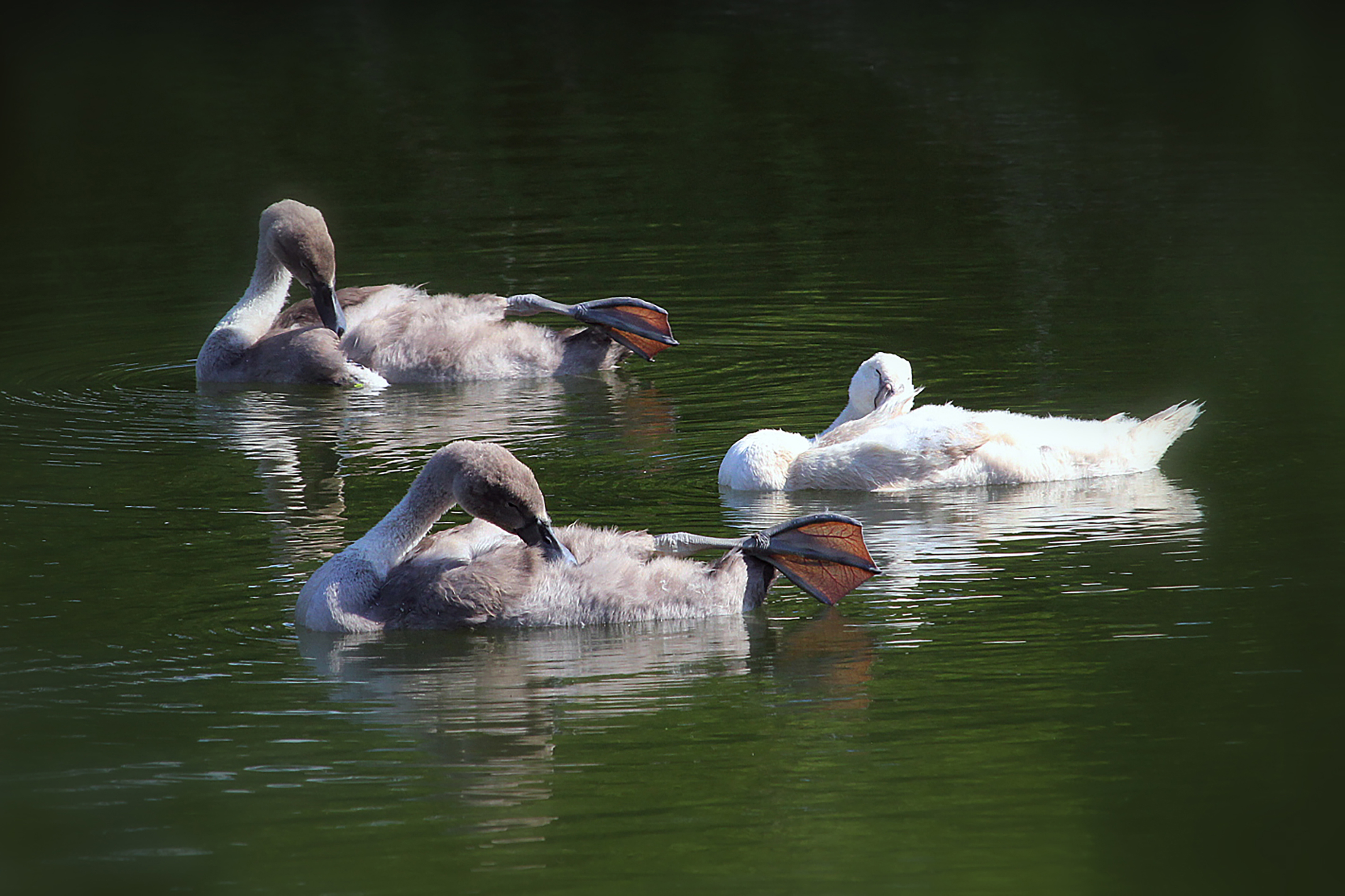
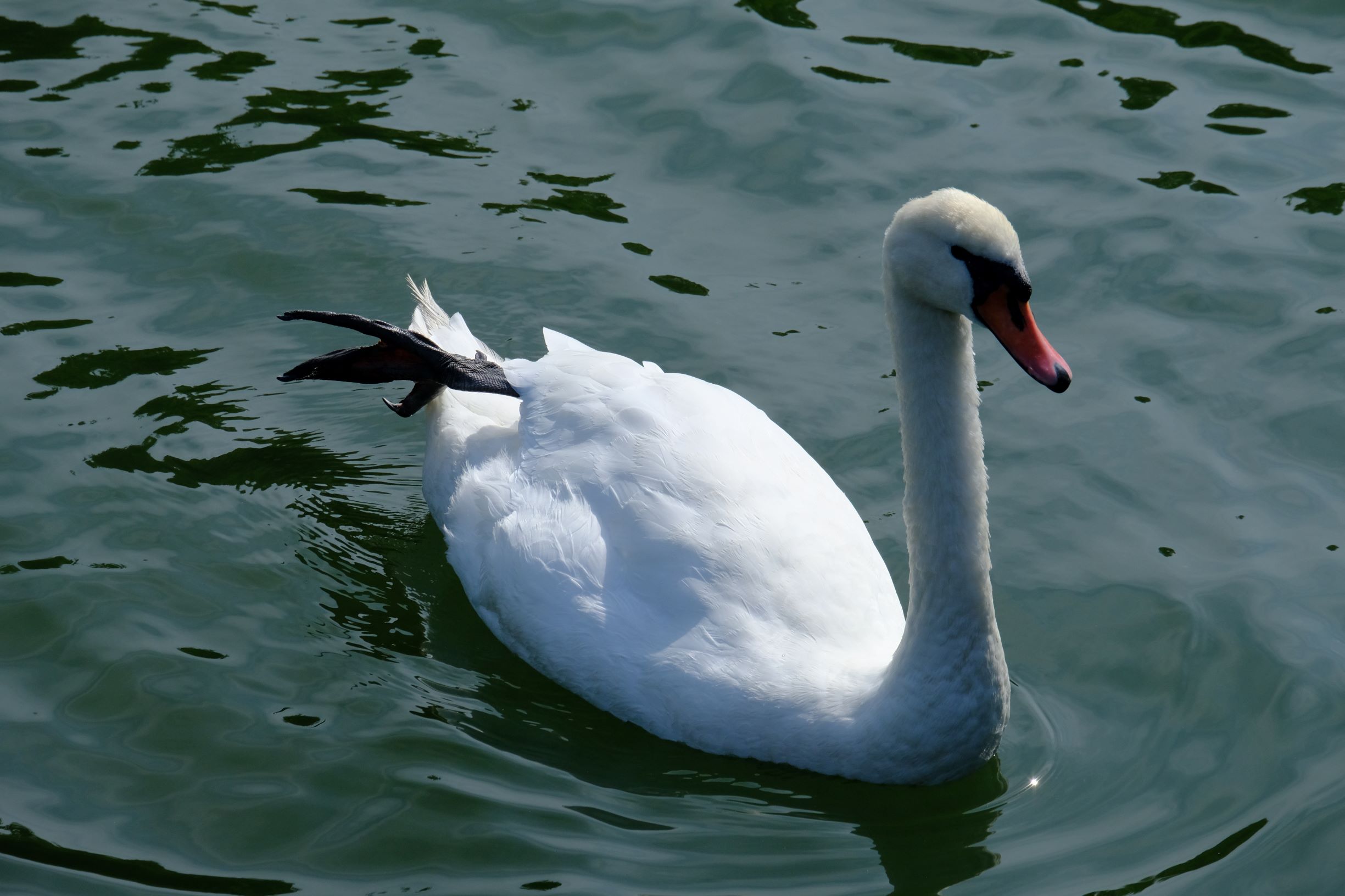
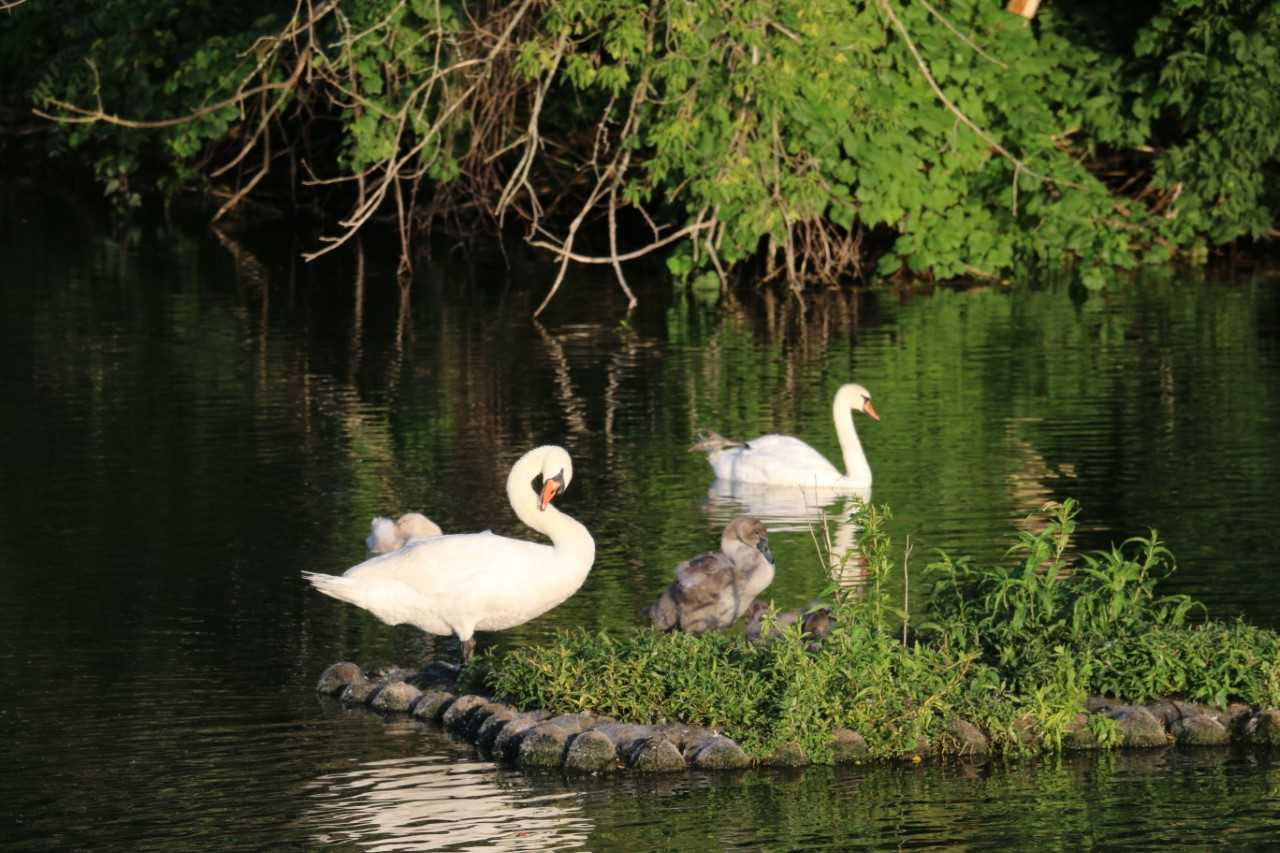
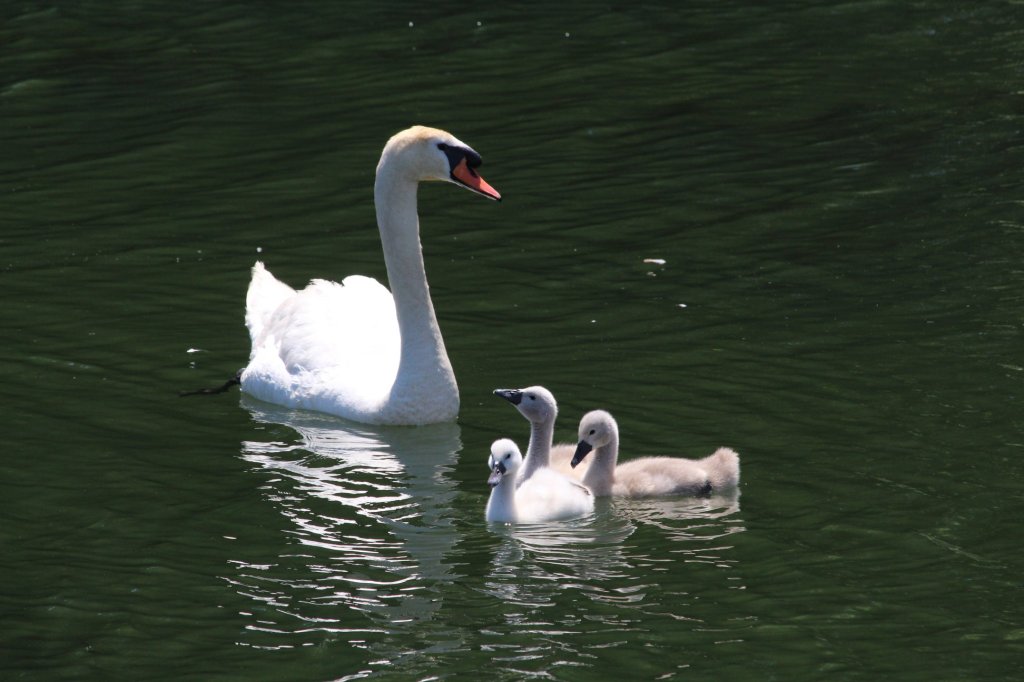
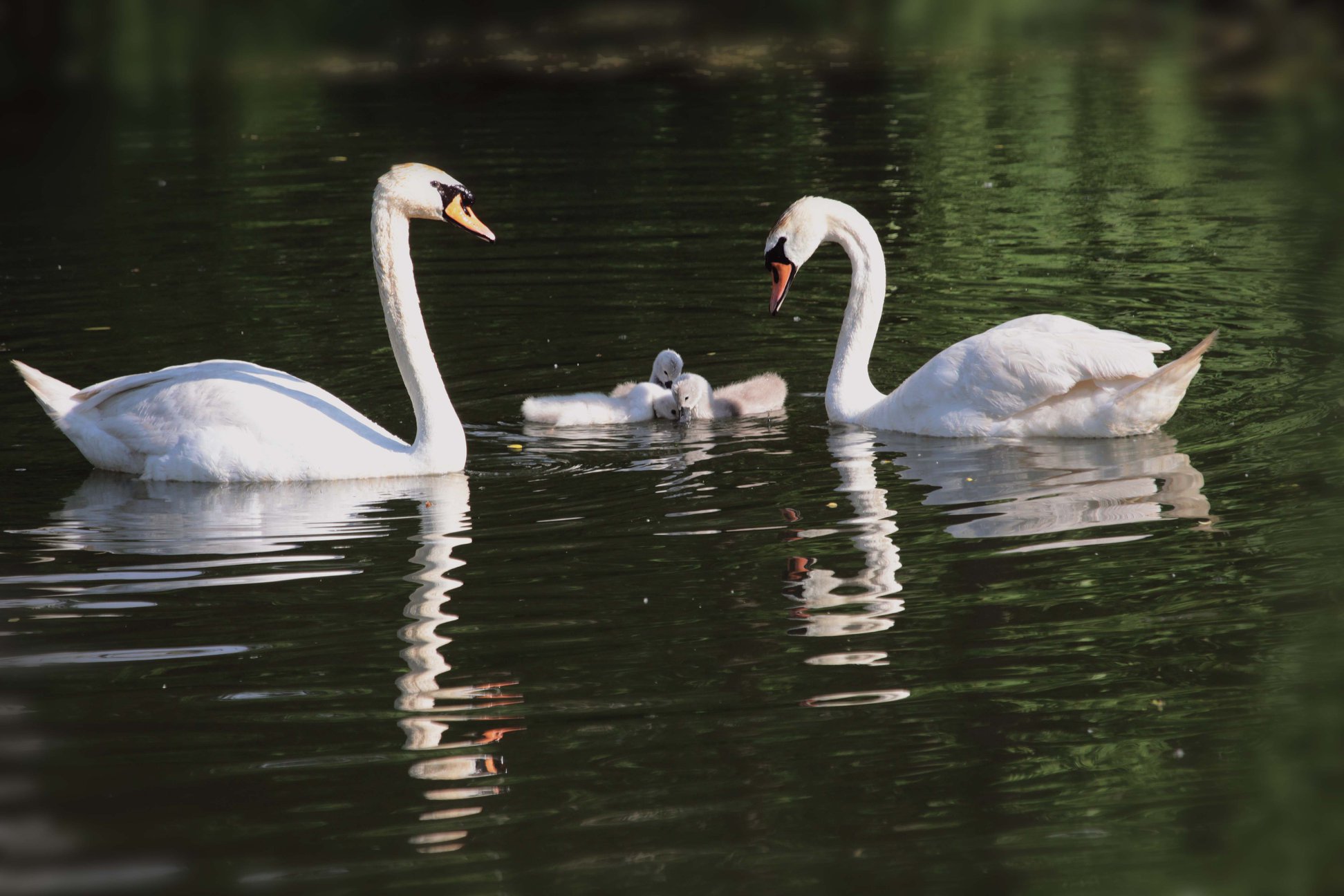
Swan and Cygnets July 1, 2020 Photo by Michelle Sharp
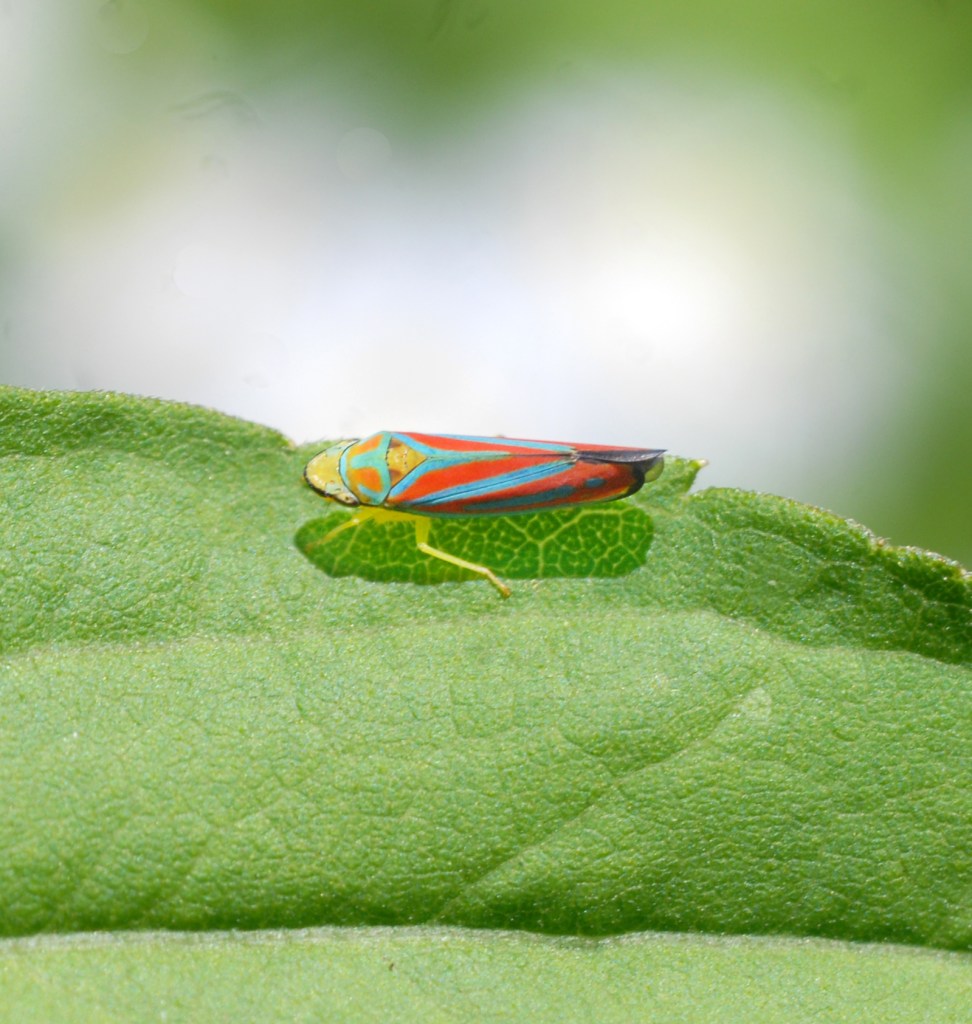
Candy-striped Leafhopper June 30, 2020 Photo by Ken Kerr
Bombylius June 29, 2020 Photo by Mark Williams
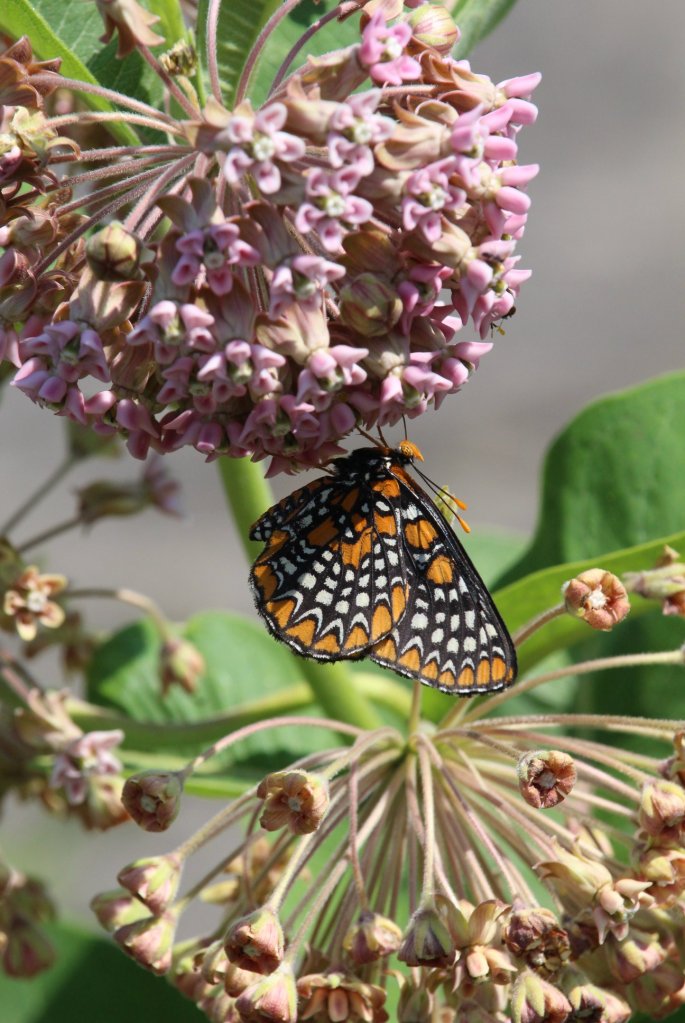
Baltimore Checkerspot June 29, 2020 Photo by Michelle Sharp
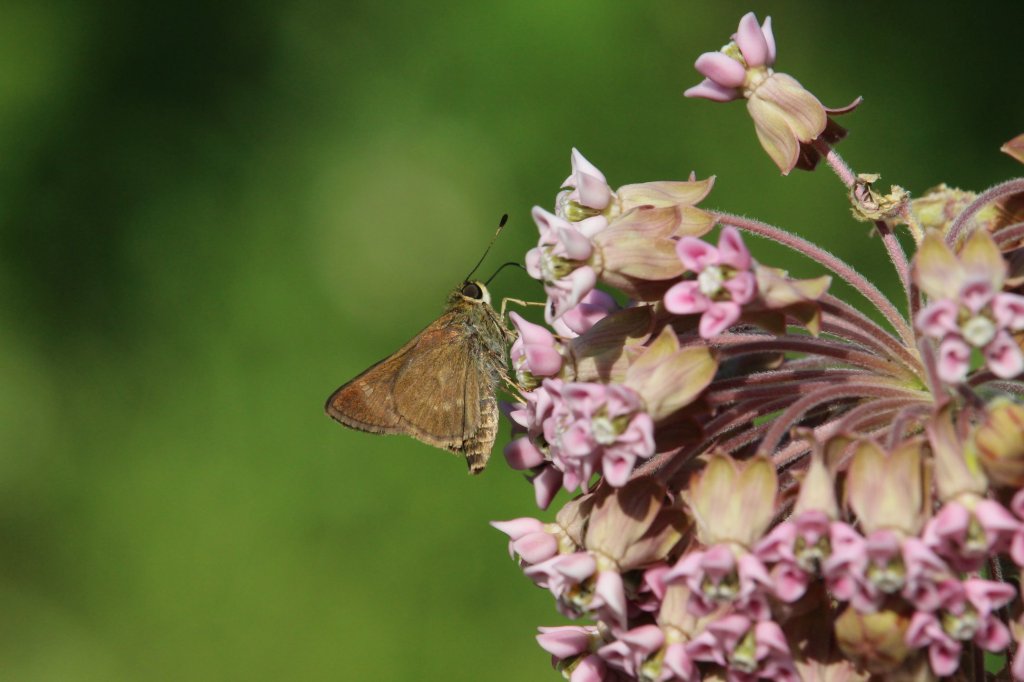
Dun Skipper June 29, 2020 Photo by Michelle Sharp
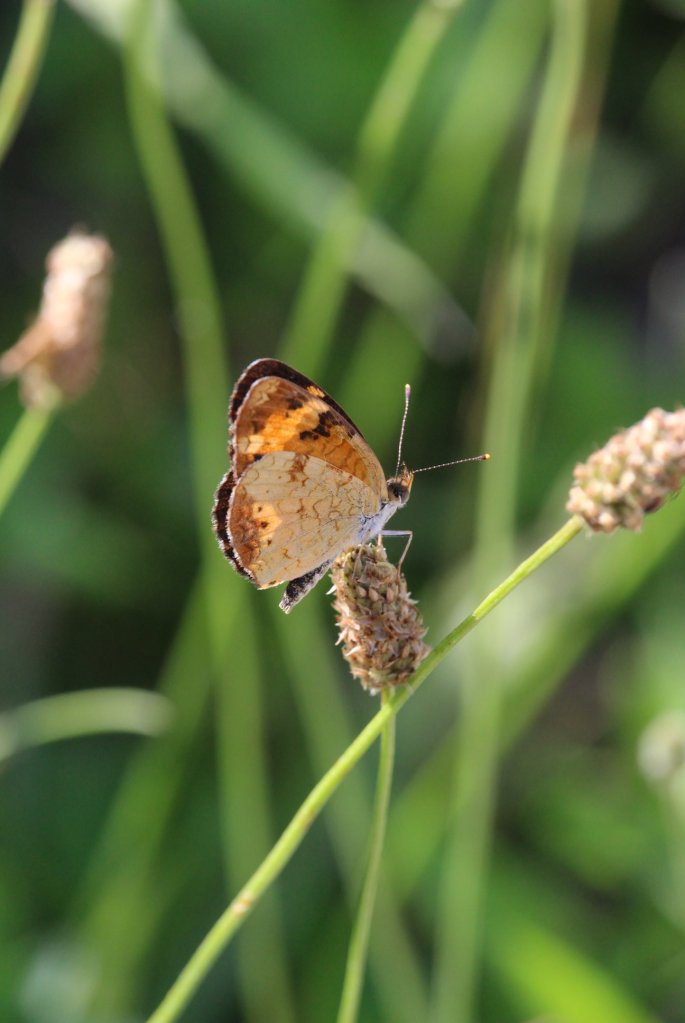
Pearl Crescent June 29, 2020 Photo by Michelle Sharp
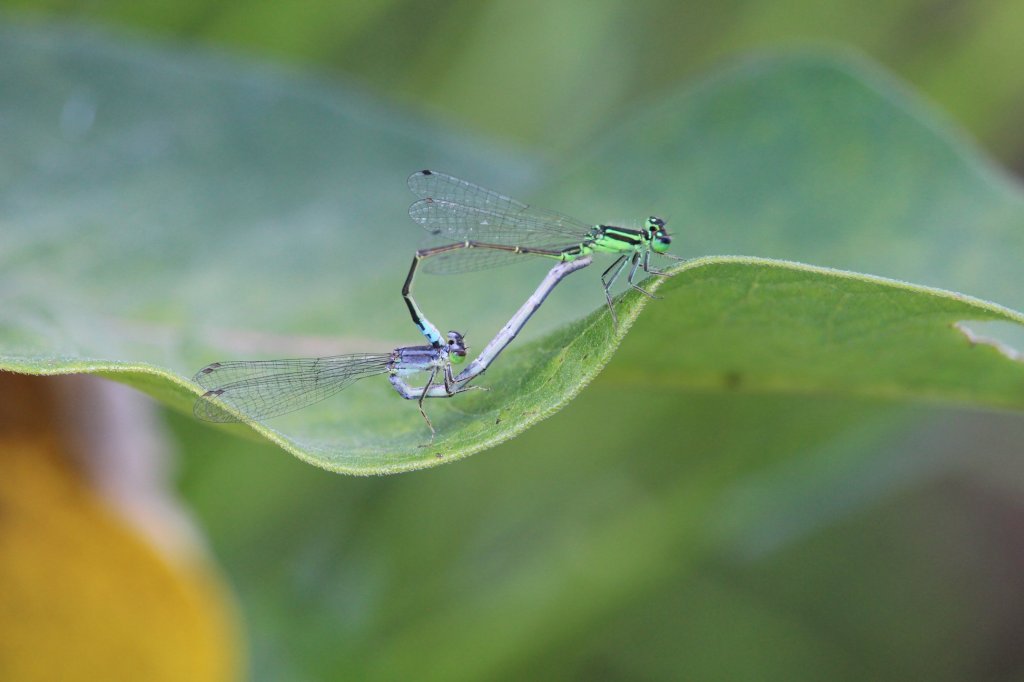
Mating Eastern Forktails June 29, 2020 Photo by Michelle Sharp
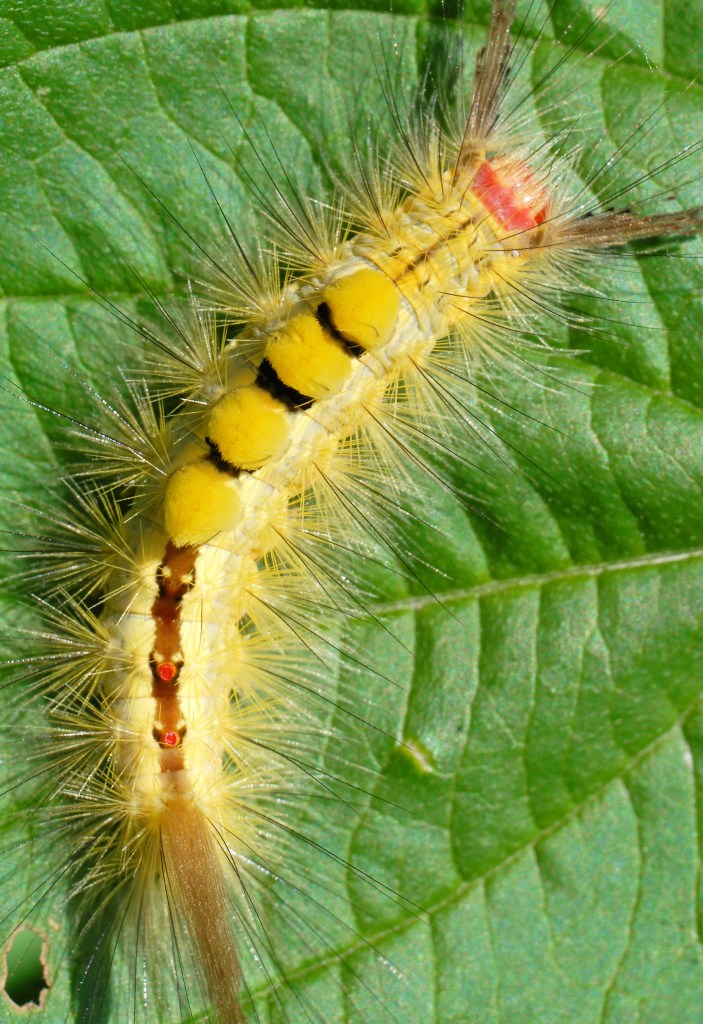
White-marked Tussock Moth June 28, 2020 Photo by Ken Kerr
Banded Hairstreak June 28, 2020 Photo by Michelle Sharp
Grape Plume Moth June 28, 2020 Photo by Michelle Sharp
Tawny-edged Skipper June 28, 2020 Photo by Michelle Sharp
Squash Vine Borer June 27, 2020 Photo by Mark Williams
Ladybug June 26, 2020 Photo by Michelle Sharp
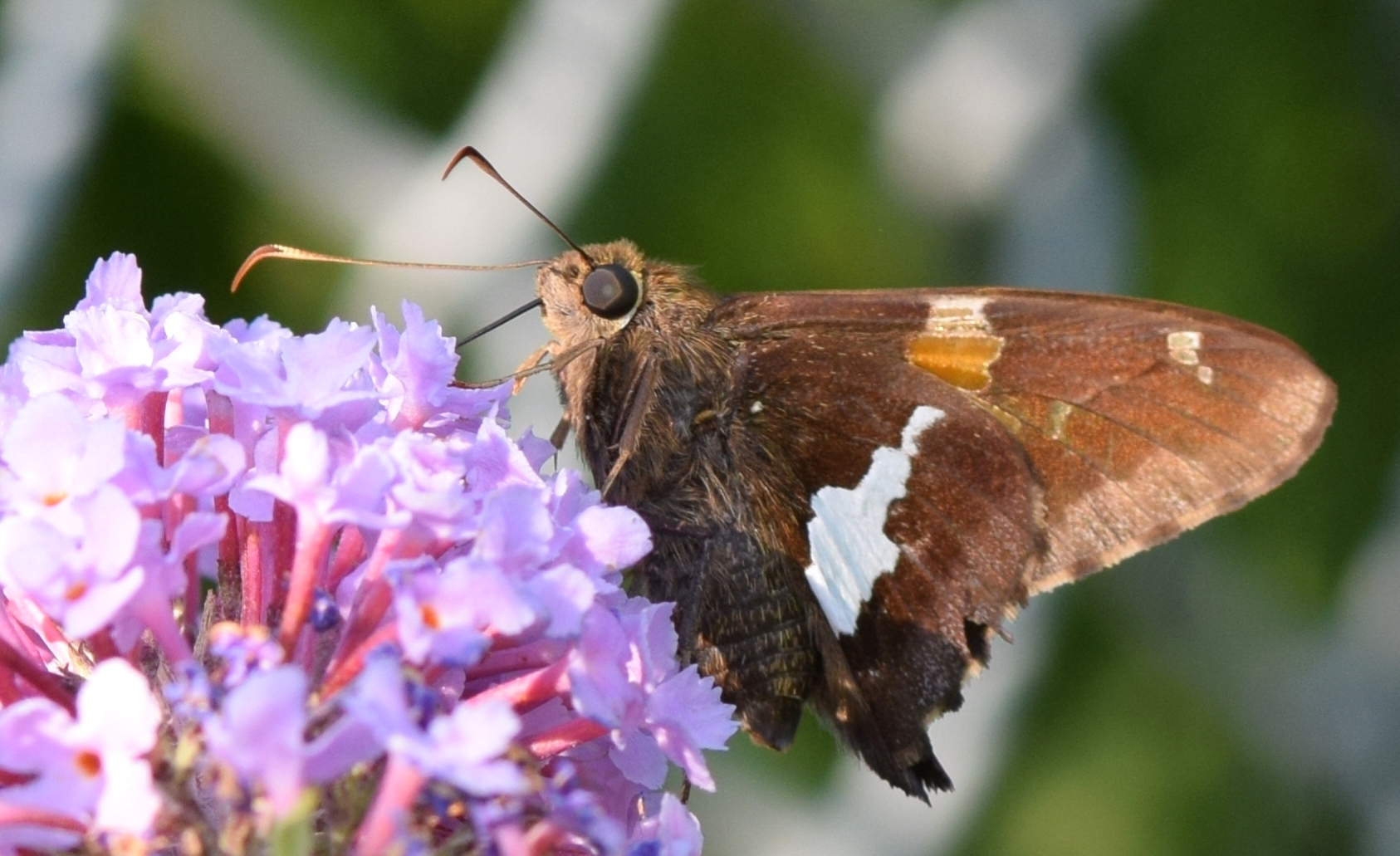
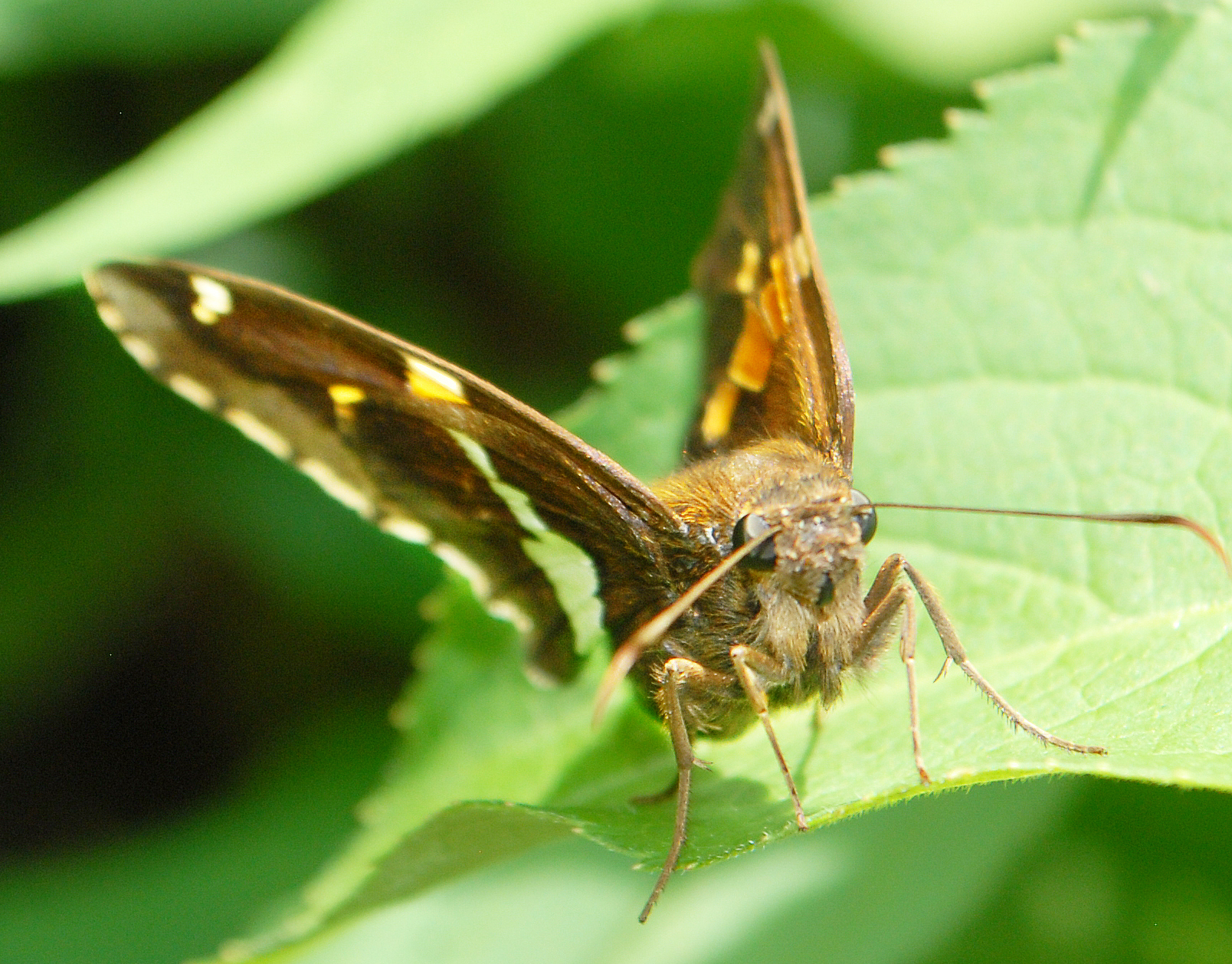
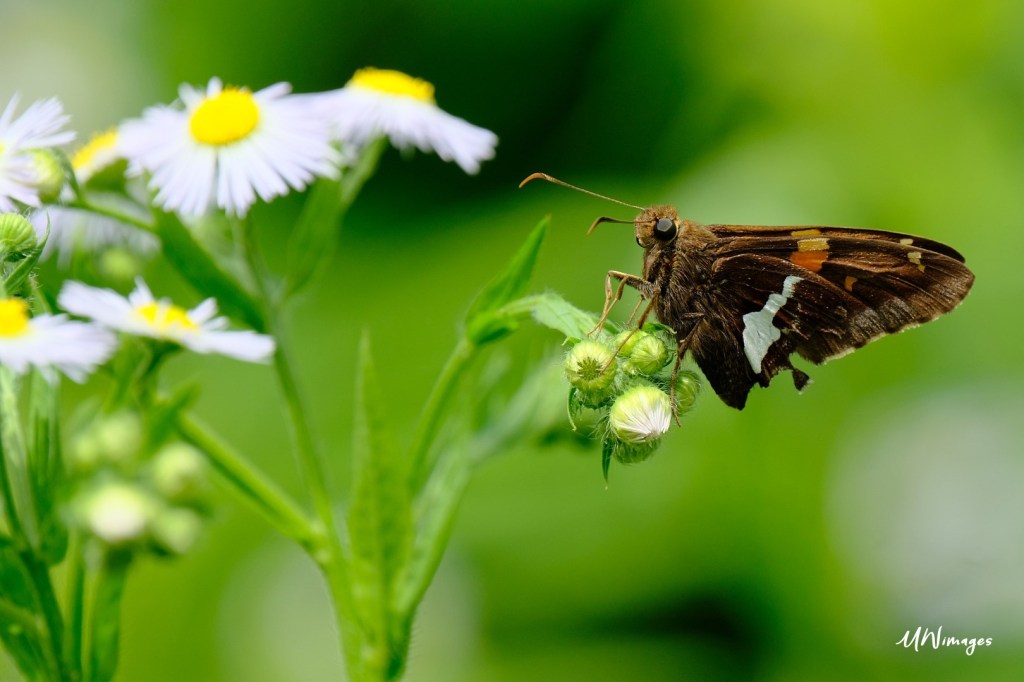
Silver-spotted Skipper June 26, 2020 Photo by Michelle Sharp
Common Asparagus Beetles June 26, 2020 Photo by Michelle Sharp
Question Mark June 26, 2020 Photo by Michelle Sharp
Silver-spotted Skipper June 26, 2020 Photo by Ken Kerr
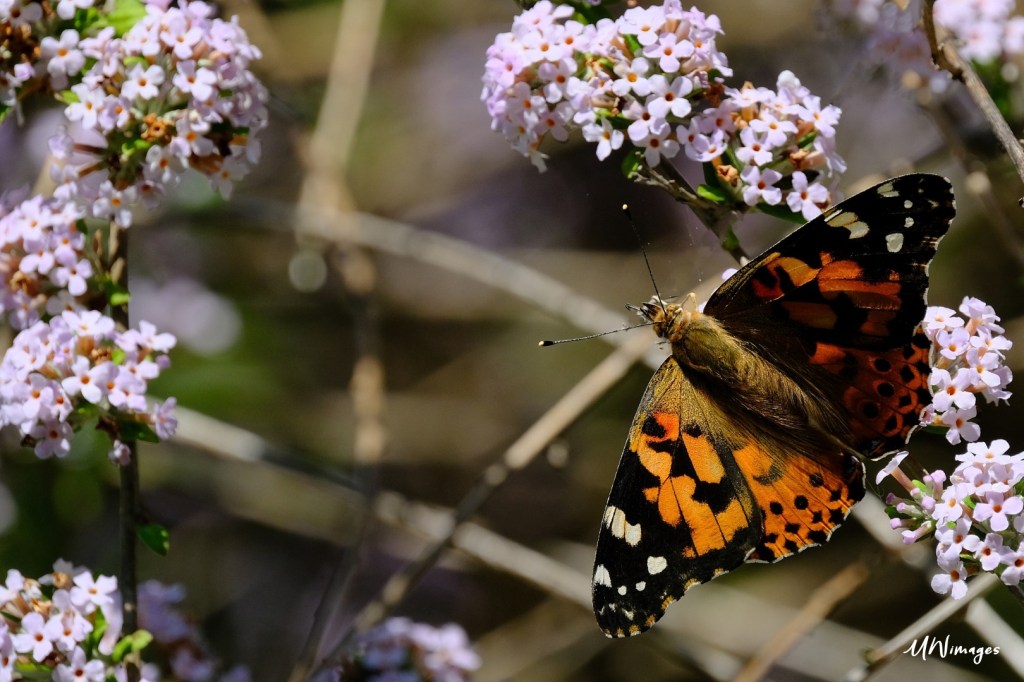
American Lady on Buddleia Alternifolia June 25, 2020 Photo by Mark Williams
Great Spangled Fritillary June 25, 2020 Photo by Mark Williams
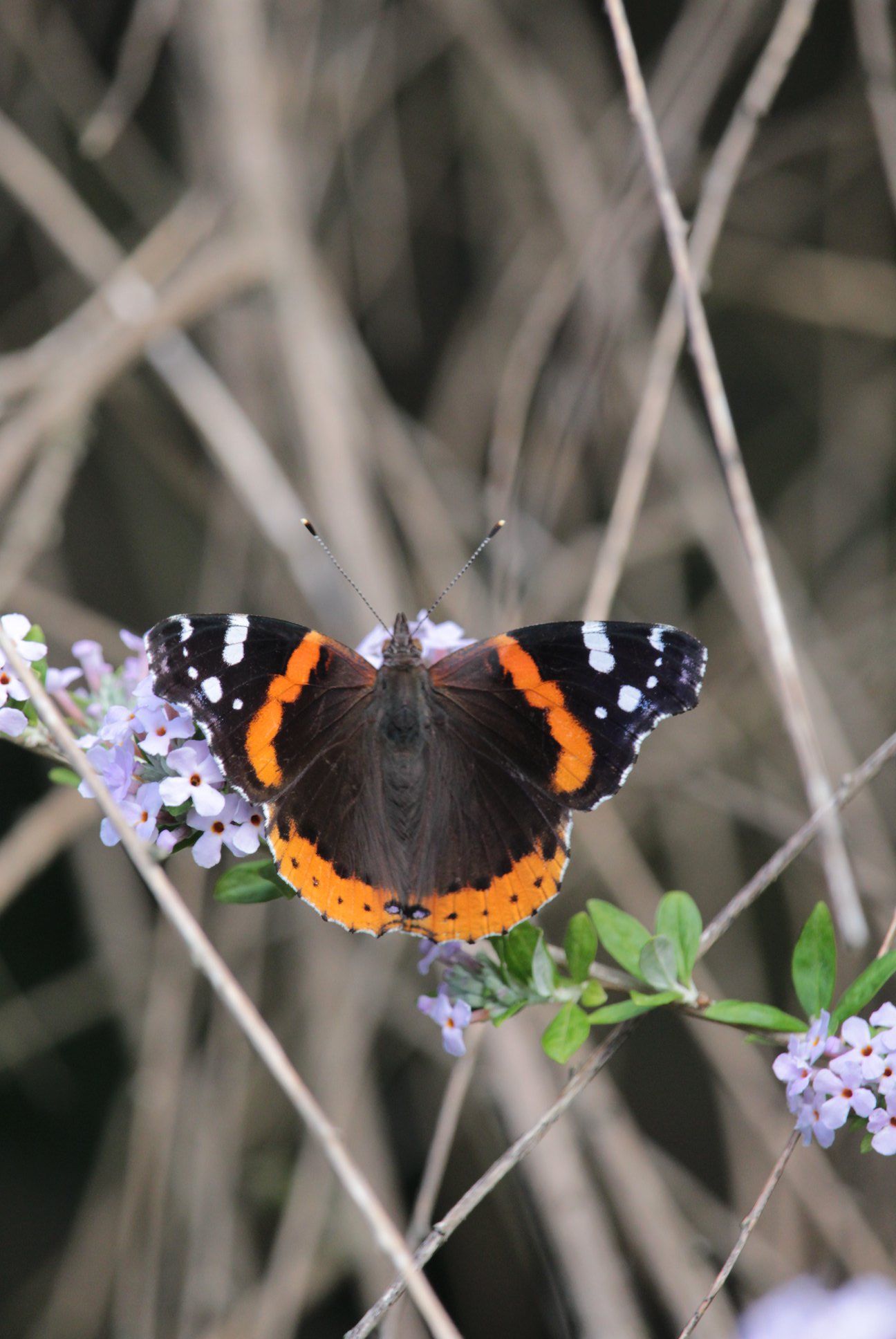
Red Admiral on Buddleia Alternifolia June 25, 2020 Photo by Mark Williams
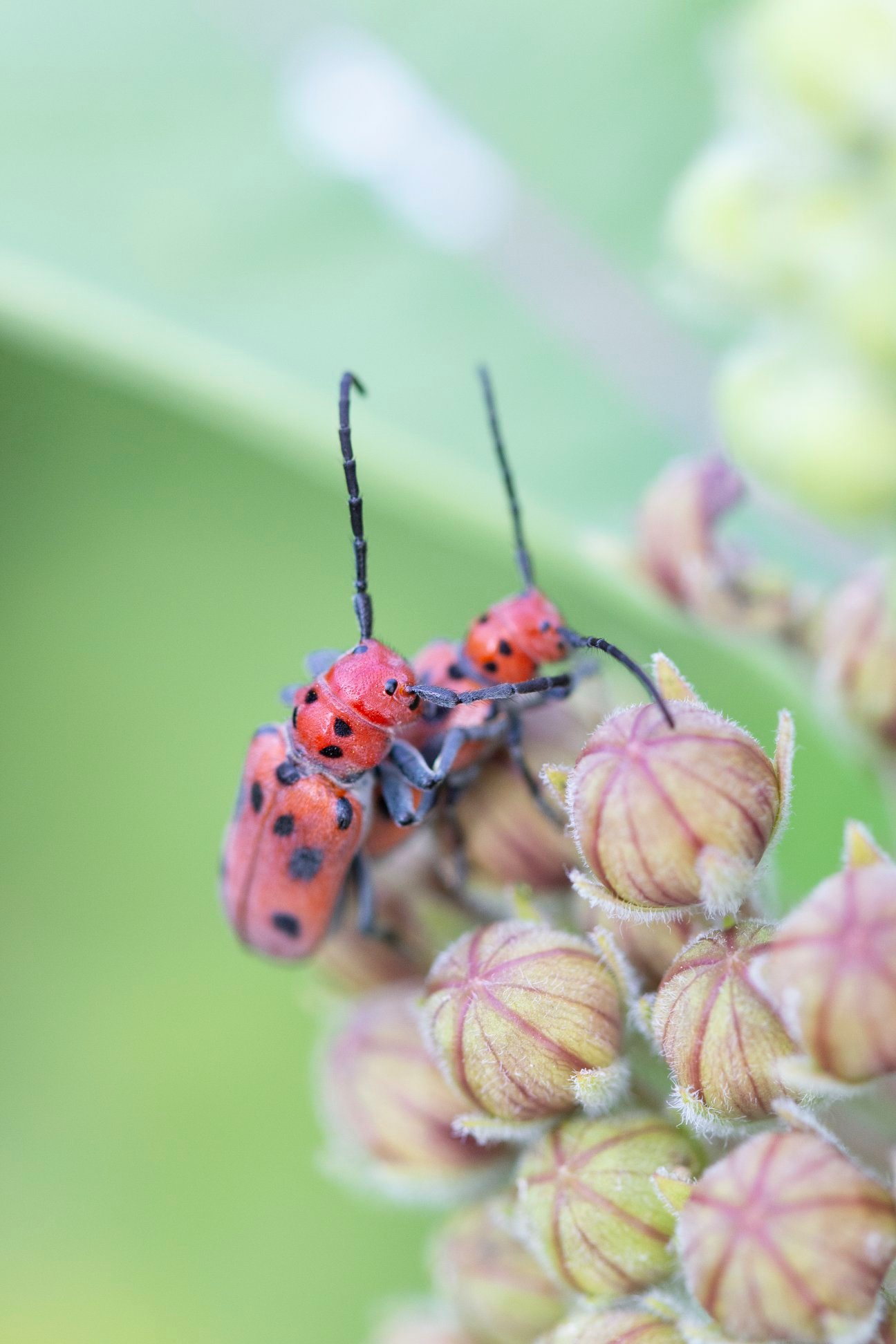
Milkweed Longhorn Beetles June 25, 2020 Photo by Michelle Sharp
Silver-spotted Skipper June 25, 2020 Photo by Mark Williams
Crab Spider killing Hobomok Skipper June 25, 2020 Photo by Michelle Sharp
Red Admiral June 24, 2020 Photo by Michelle Sharp
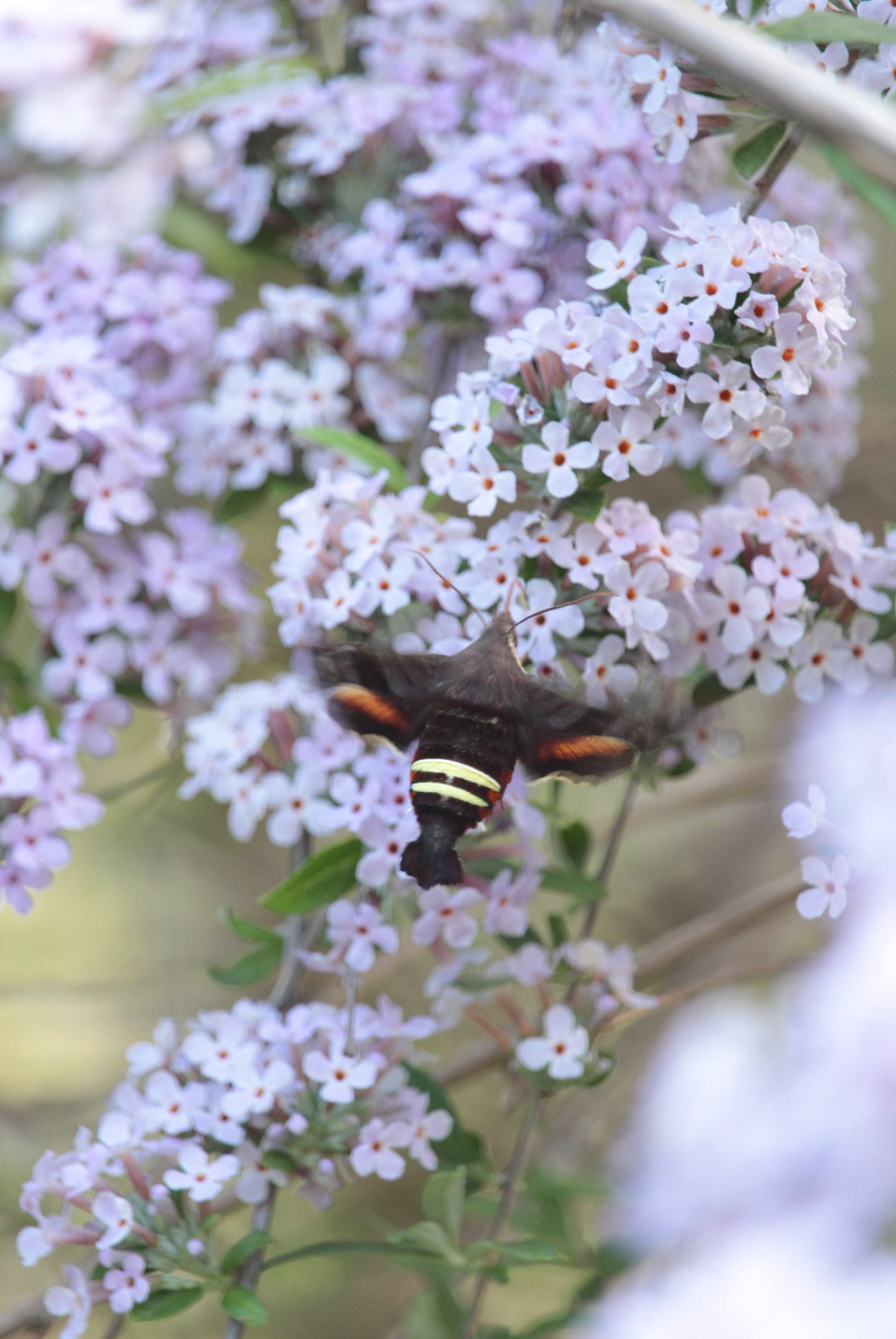
Nessus Sphinx Moth on Buddleia Alternifolia June 24, 2020 Photo by Michelle Sharp
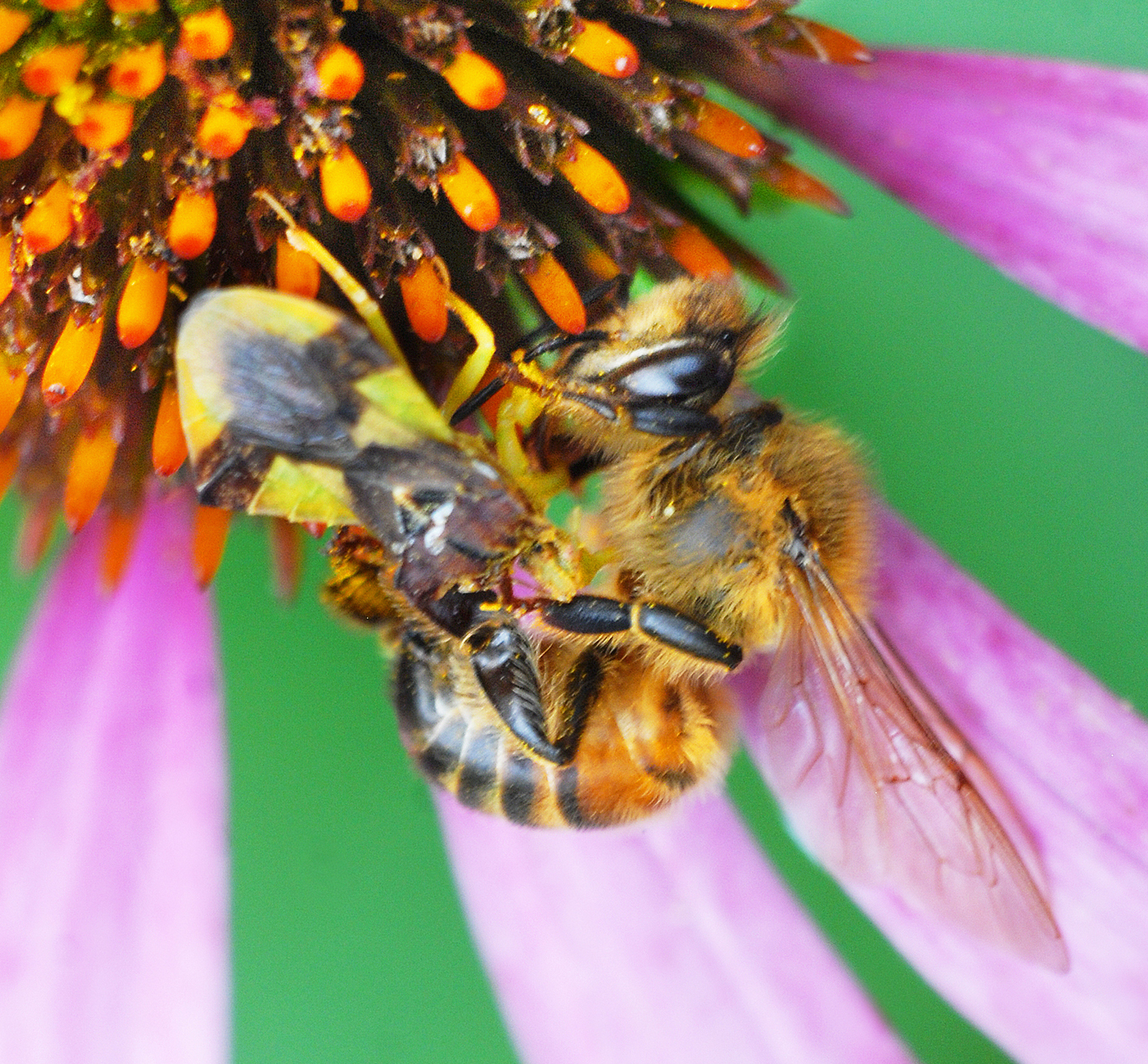
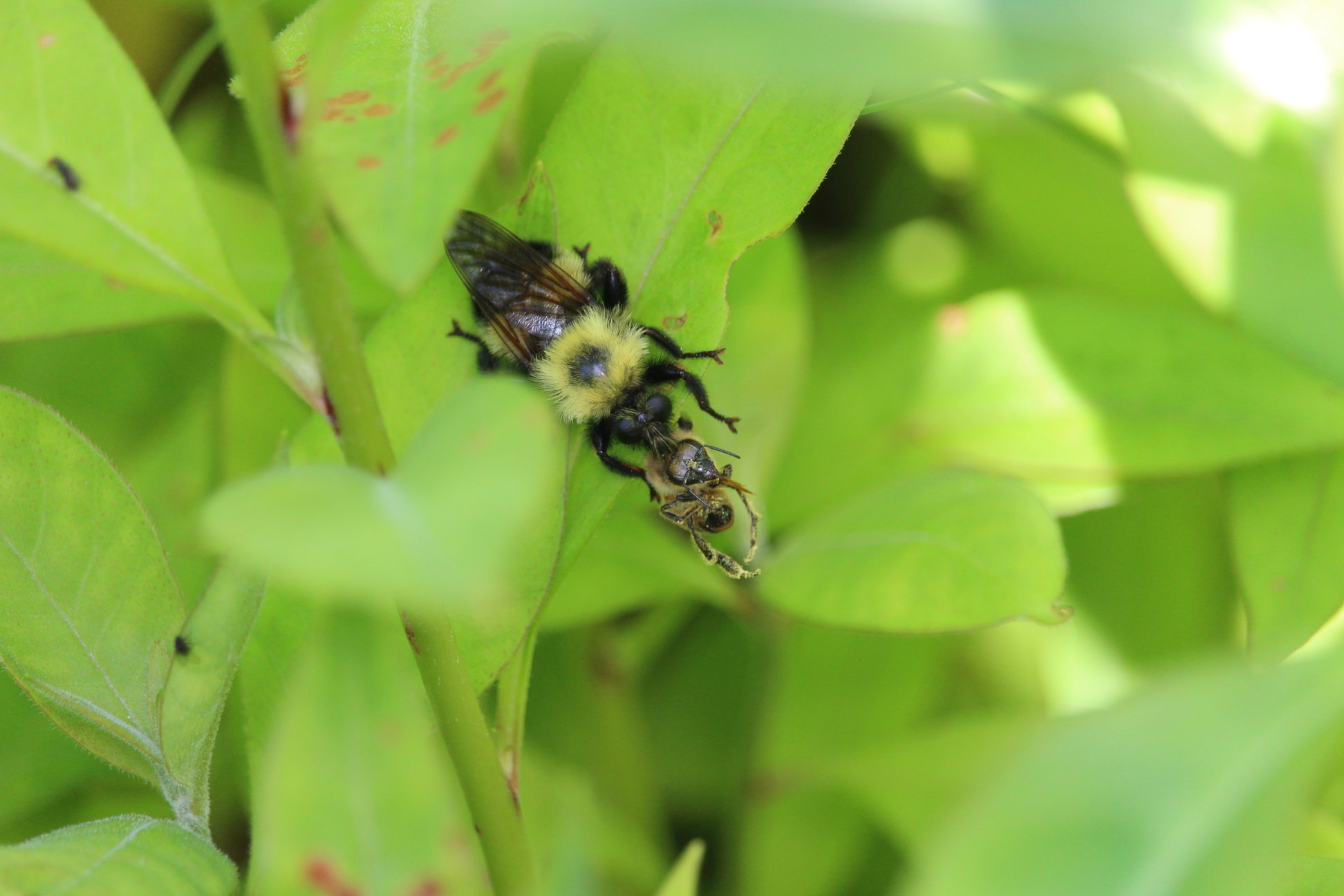
Robber Fly killing a Honey Bee June 24, 2020 Photo by Michelle Sharp
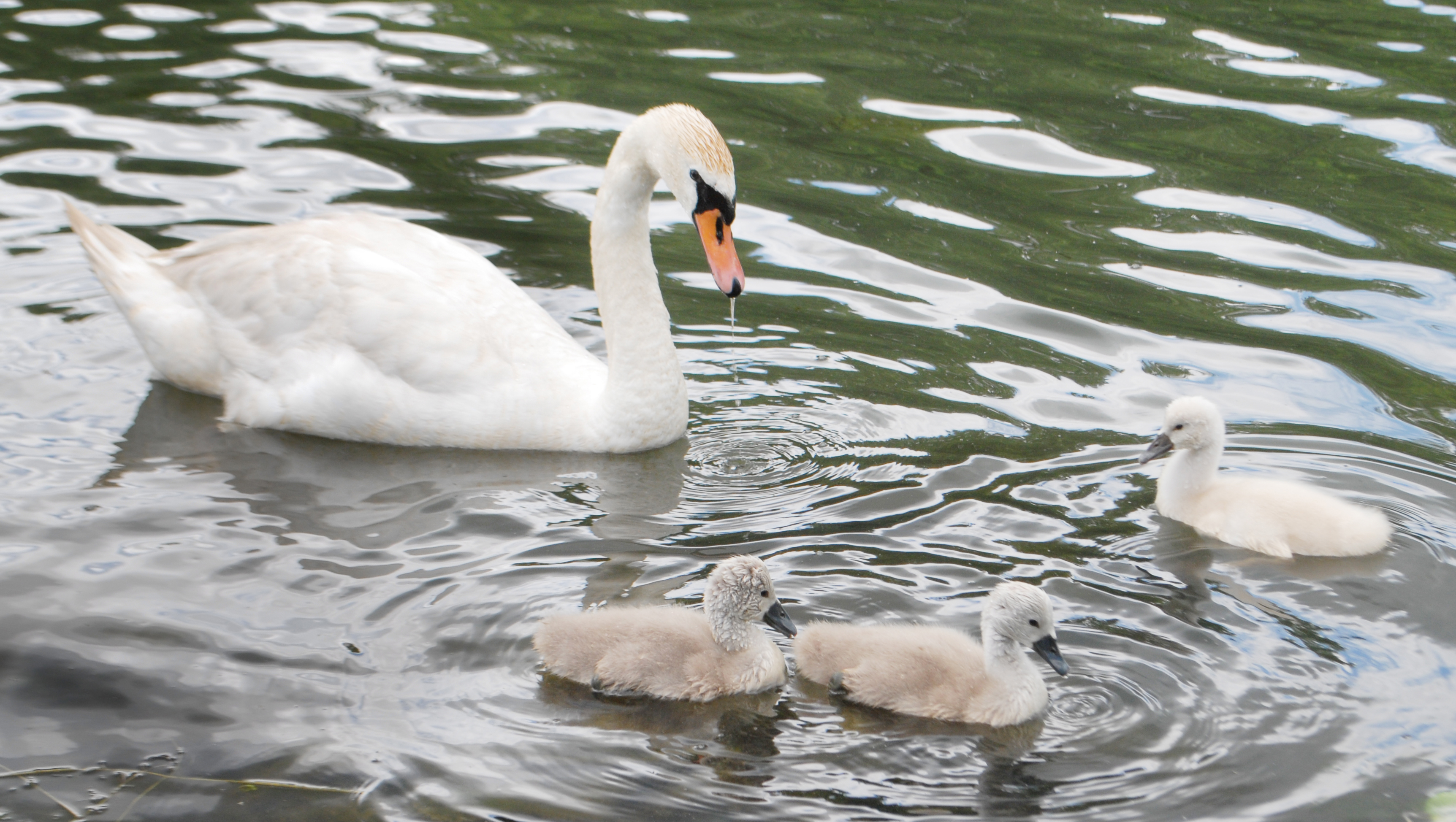
Mute Swan and Cygnets June 24, 2020 Photo by Ken Kerr
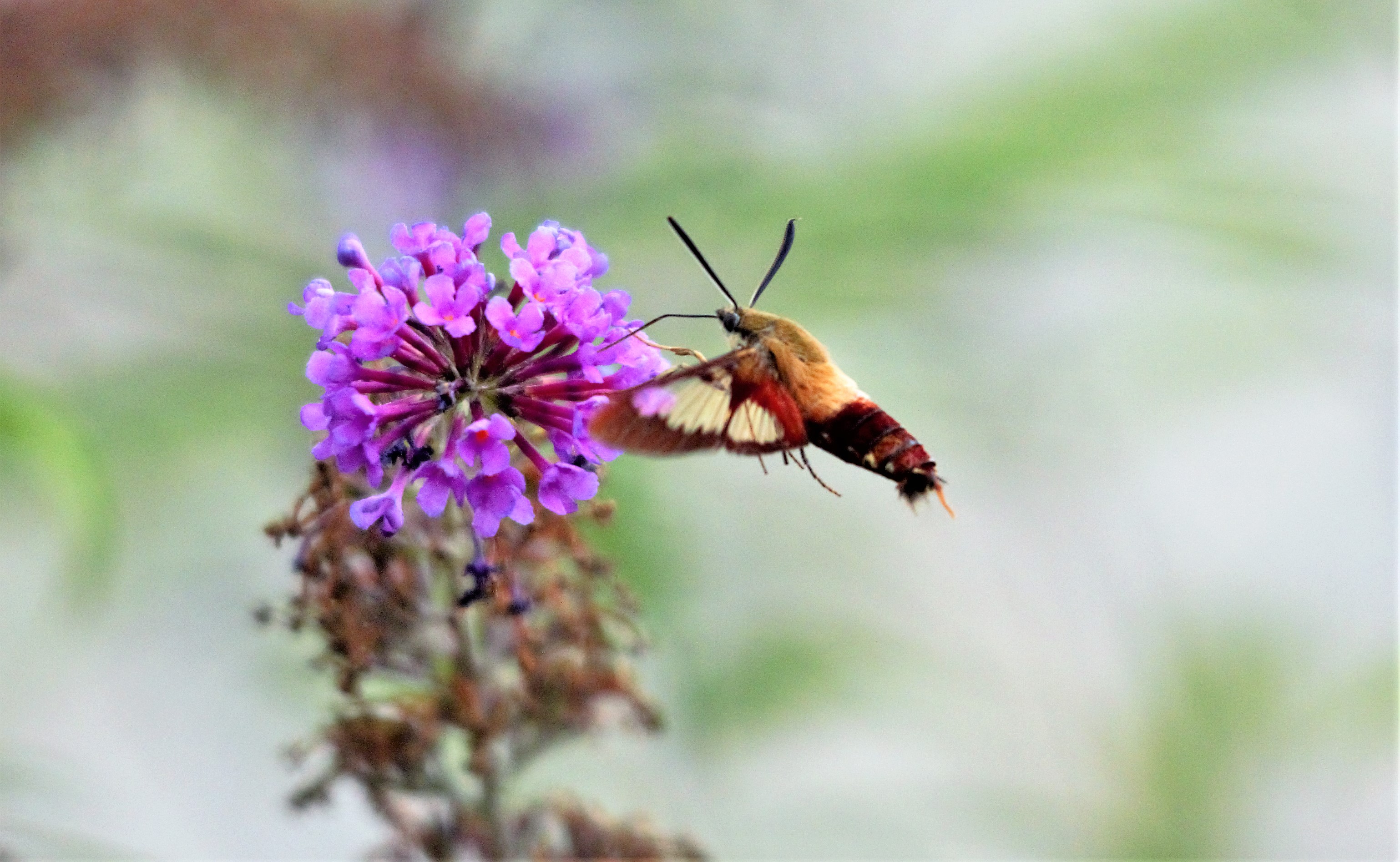
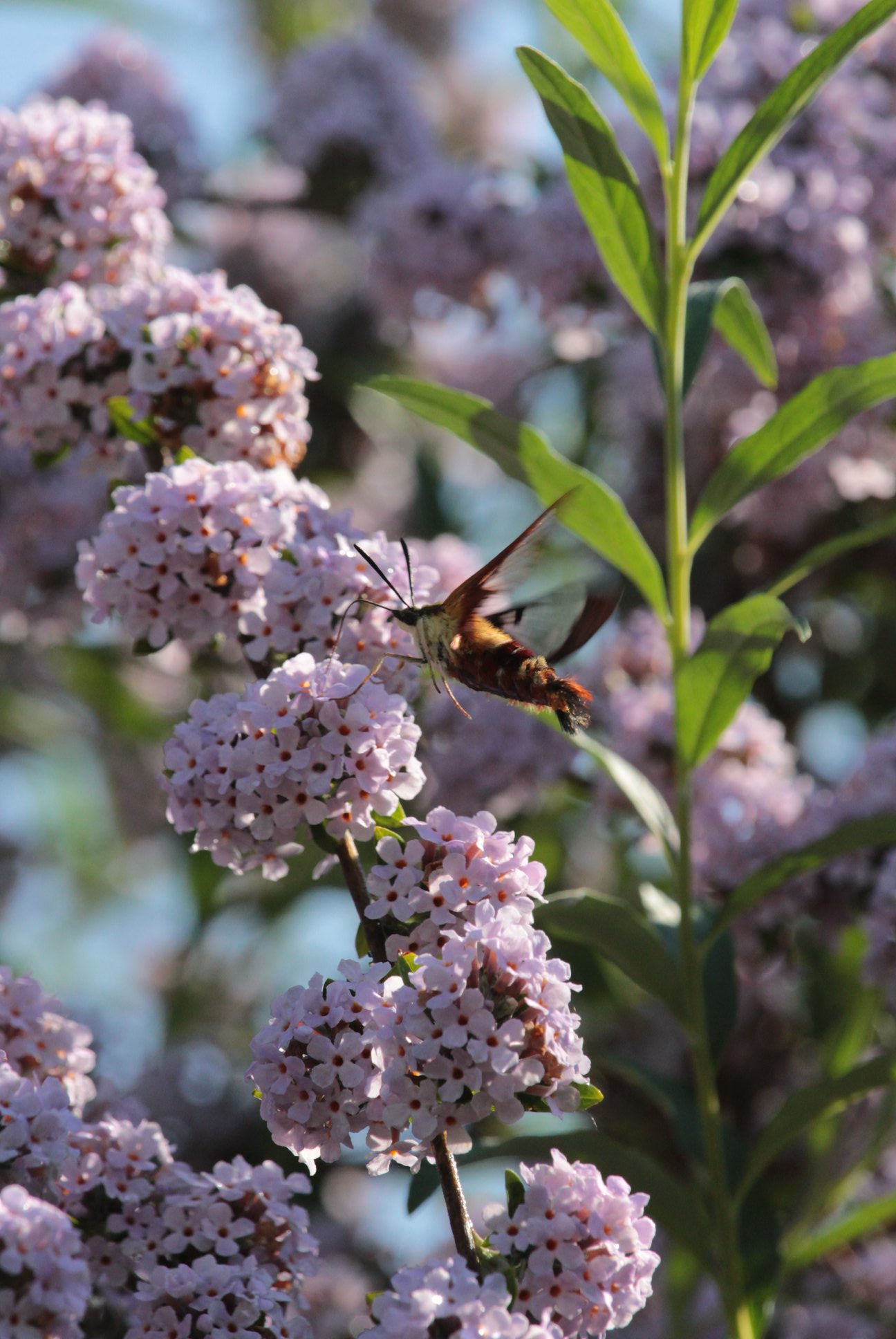
Hummingbird Clearwing Moth on Buddleia Alternifolia June 23, 2020 Photo by Michelle Sharp
Golden Marguerite June 23, 2020 Photo by Michelle Sharp
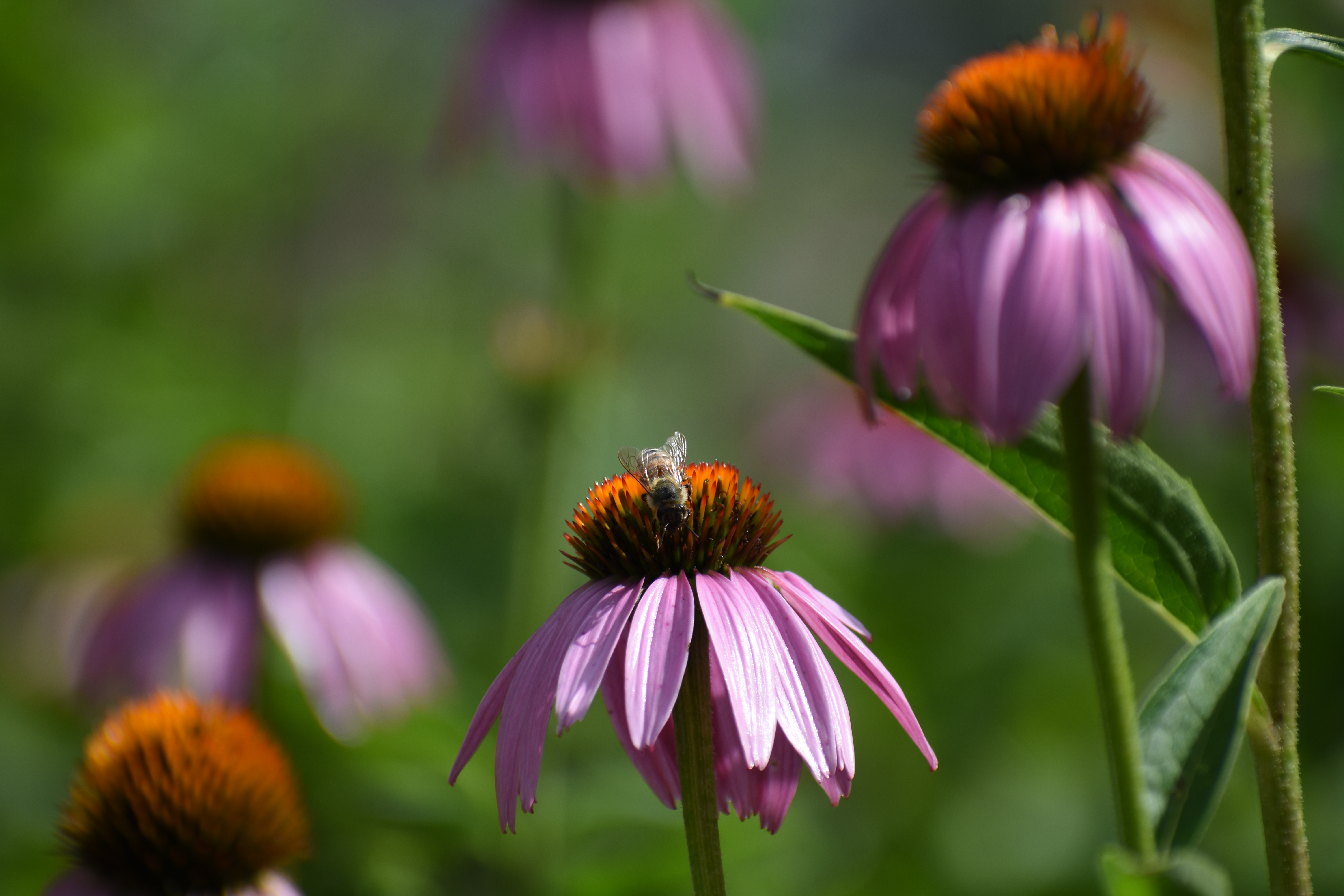
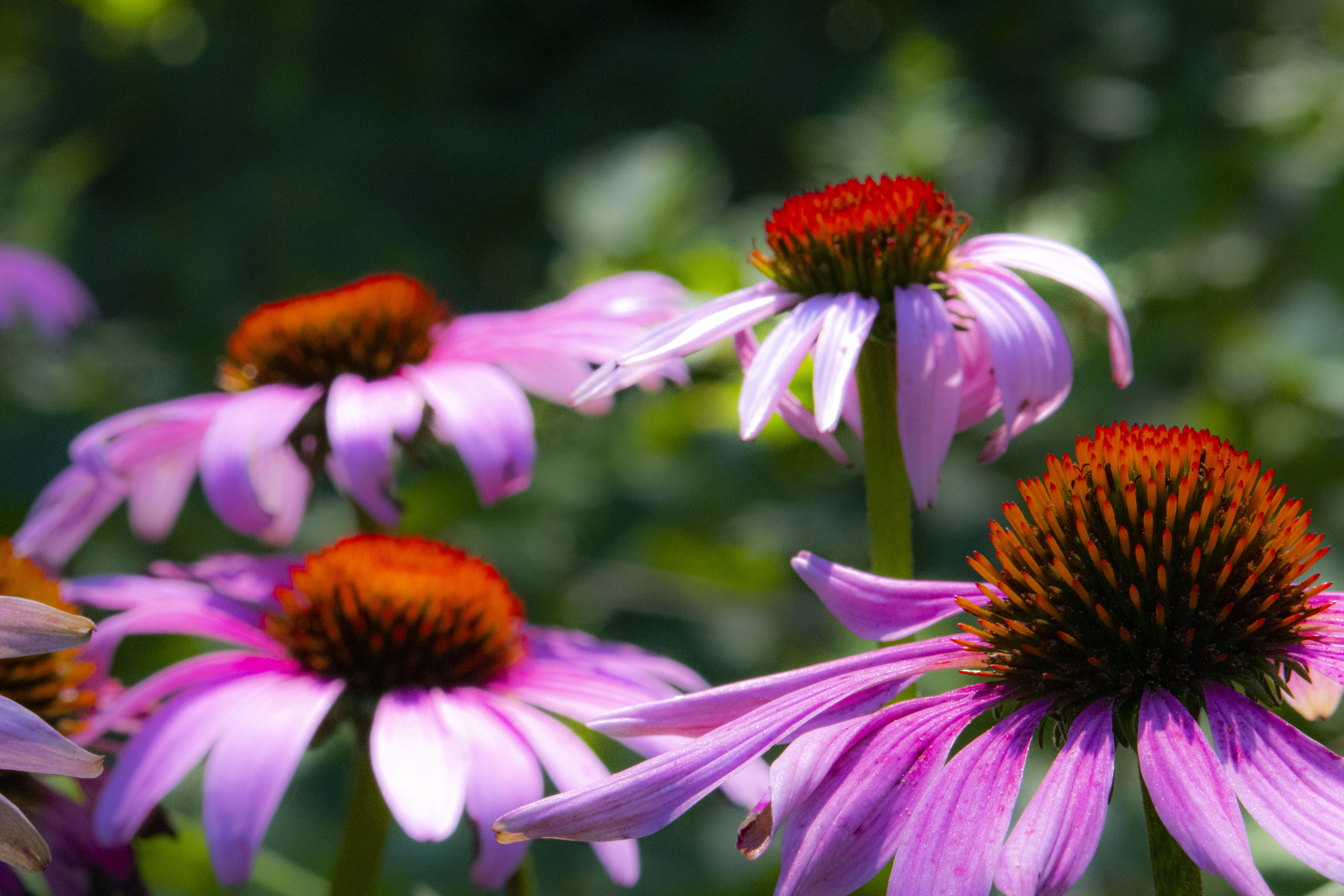
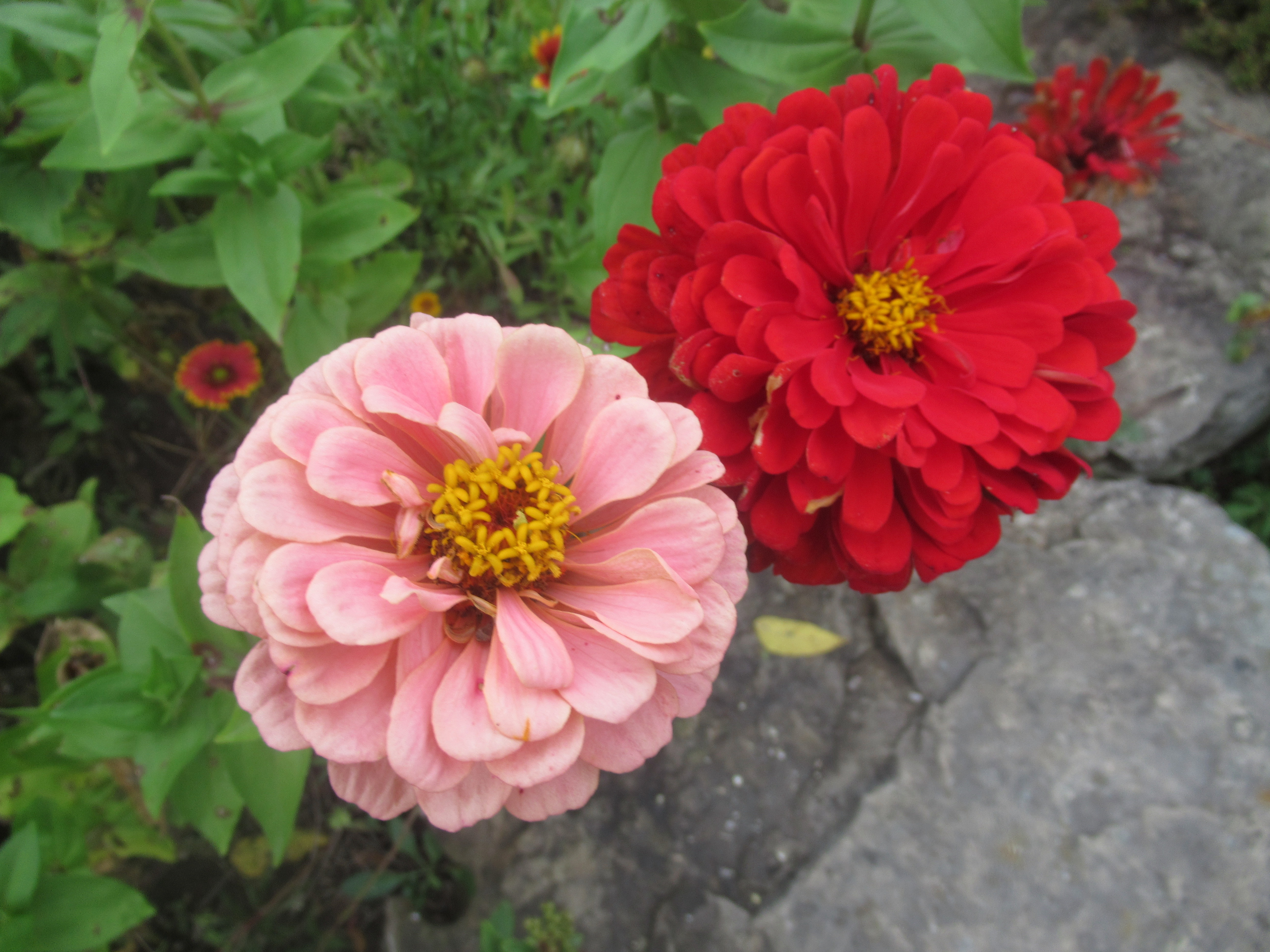
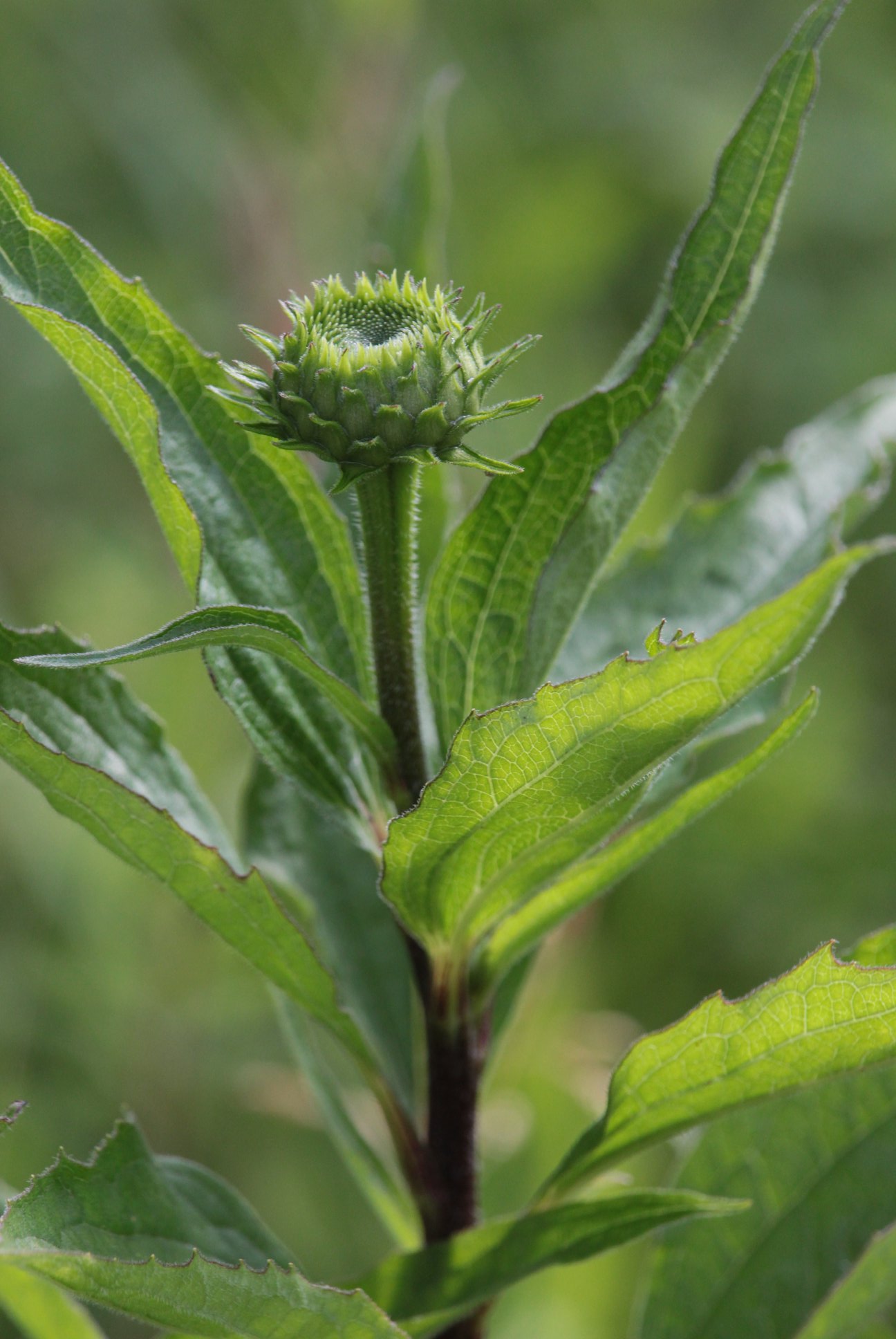
Purple Coneflower June 23, 2020 Photo by Michelle Sharp
Mute Swan Family June 23, 2020 Photo by Michelle Sharp
Black Swallowtail Caterpillar June 22, 2020 Photo by Michelle Sharp
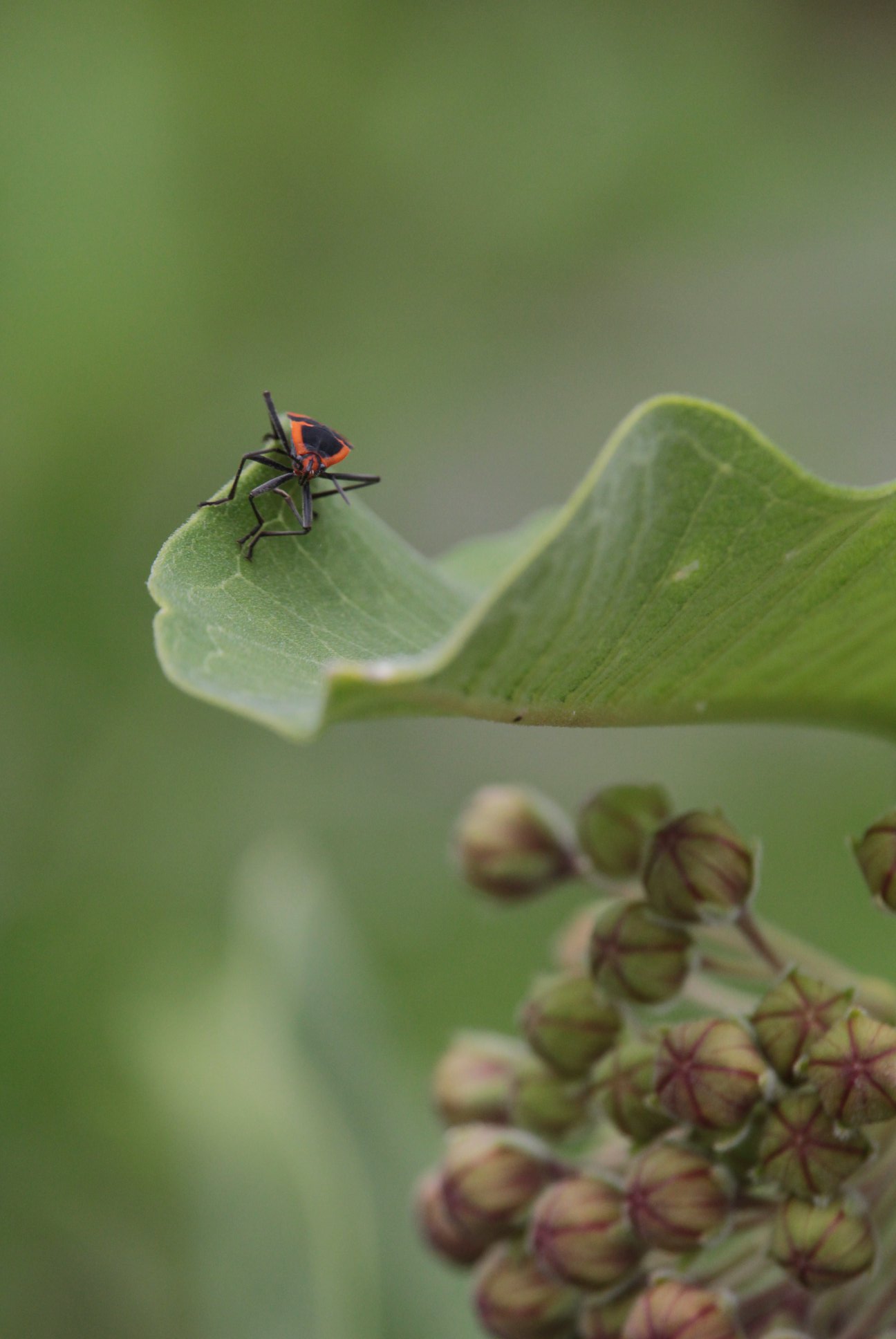
Large Milkweed Bug June 22, 2020 Photo by Michelle Sharp
Snail on Wild Grape June 21, 2020 Photo by Michelle Sharp
Least Skipper June 21, 2020 Photo by Michelle Sharp
Common Whitetail June 21, 2020 Photo by Michelle Sharp
Milbert’s Tortoiseshell June 21, 2020 Photo by Michelle Sharp
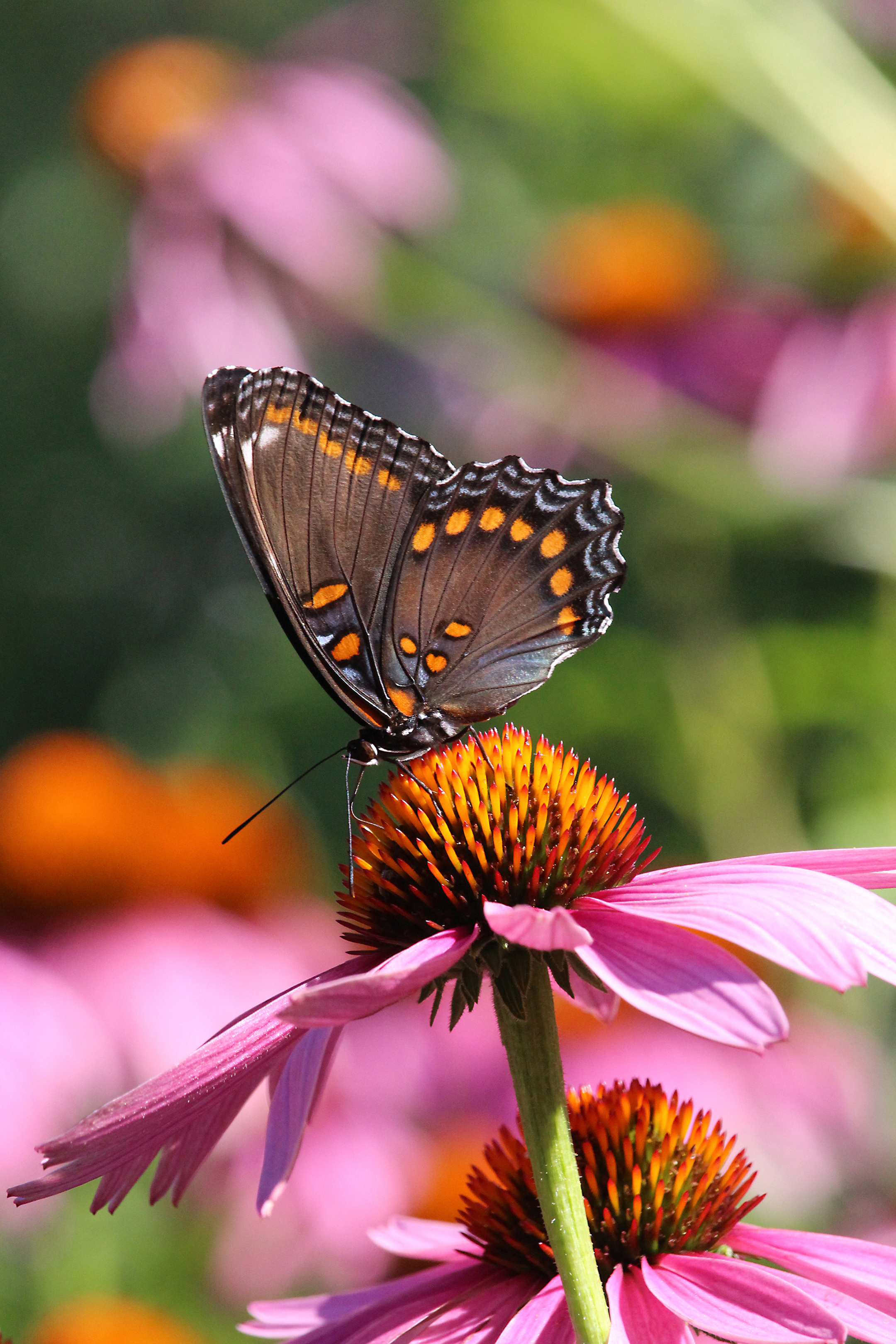
Red-spotted Purple June 20, 2020 Photo by Michelle Sharp
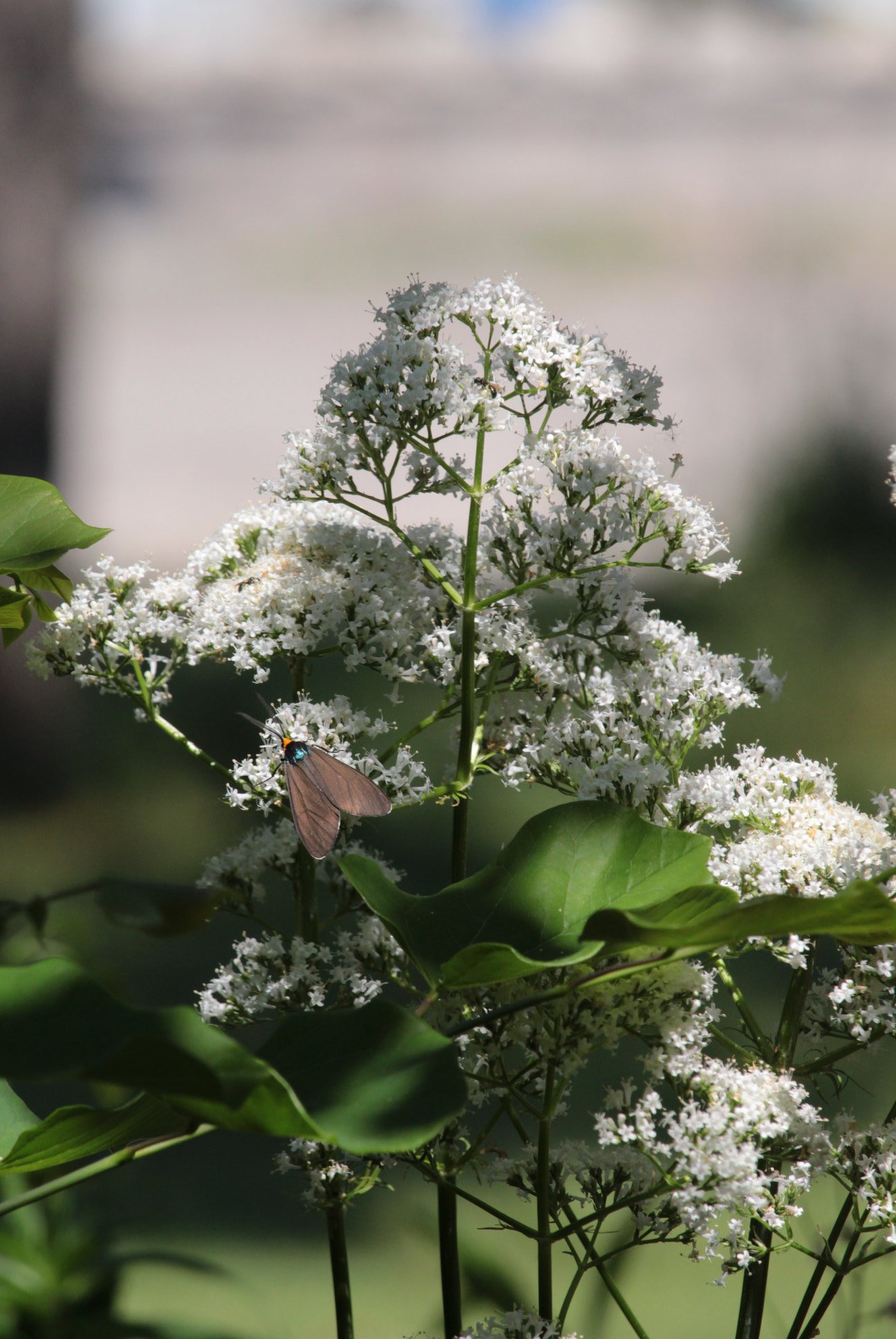
Virginia Ctenucha Moth June 20, 2020 Photo by Michelle Sharp
Peck’s Skipper and Ant on Sage June 20, 2020 Photo by Michelle Sharp
Cabbage White June 20, 2020 Photo by Michelle Sharp
Red Admiral June 20, 2020 Photo by Michelle Sharp
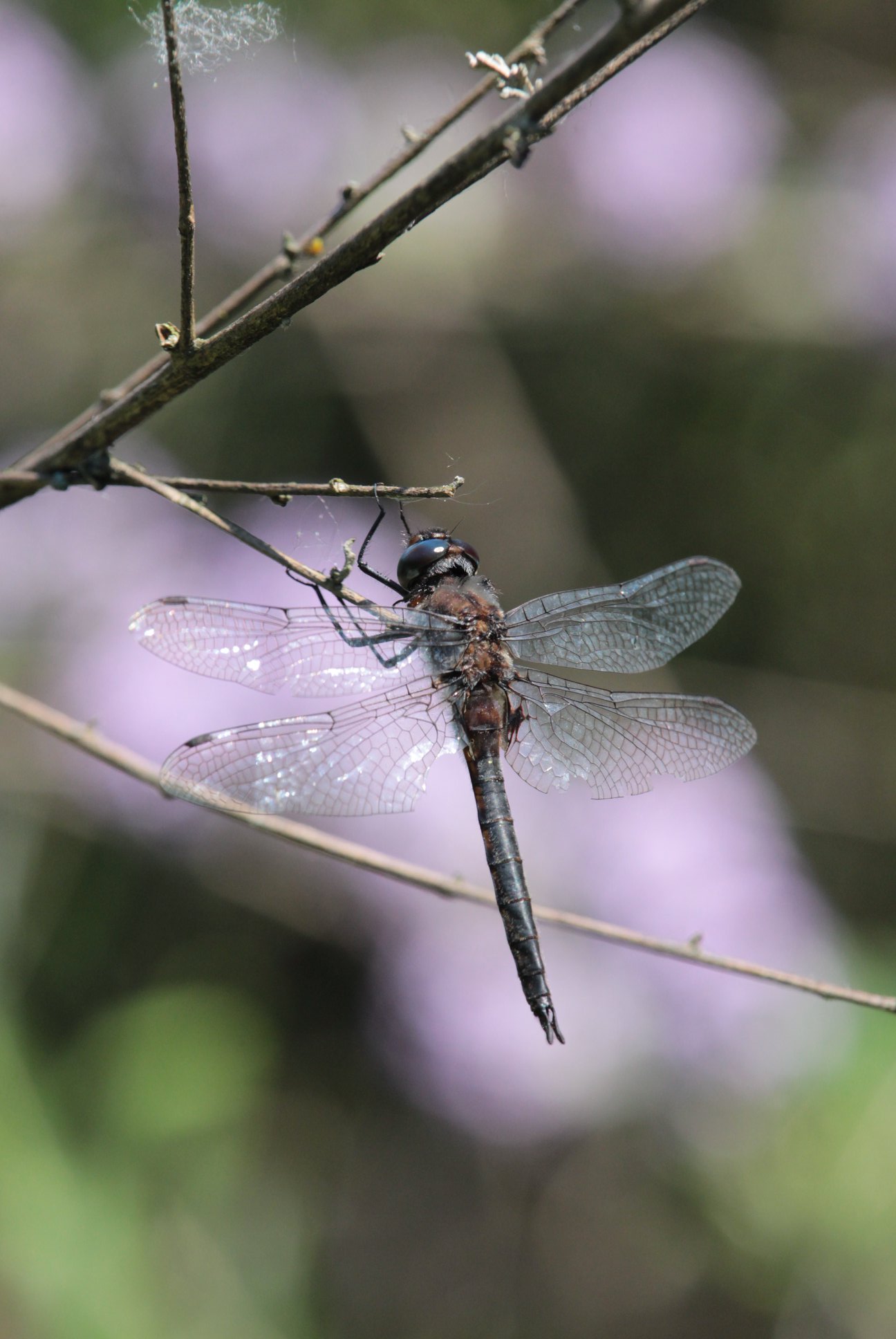
Dragonfly June 20, 2020 Photo by Michelle Sharp
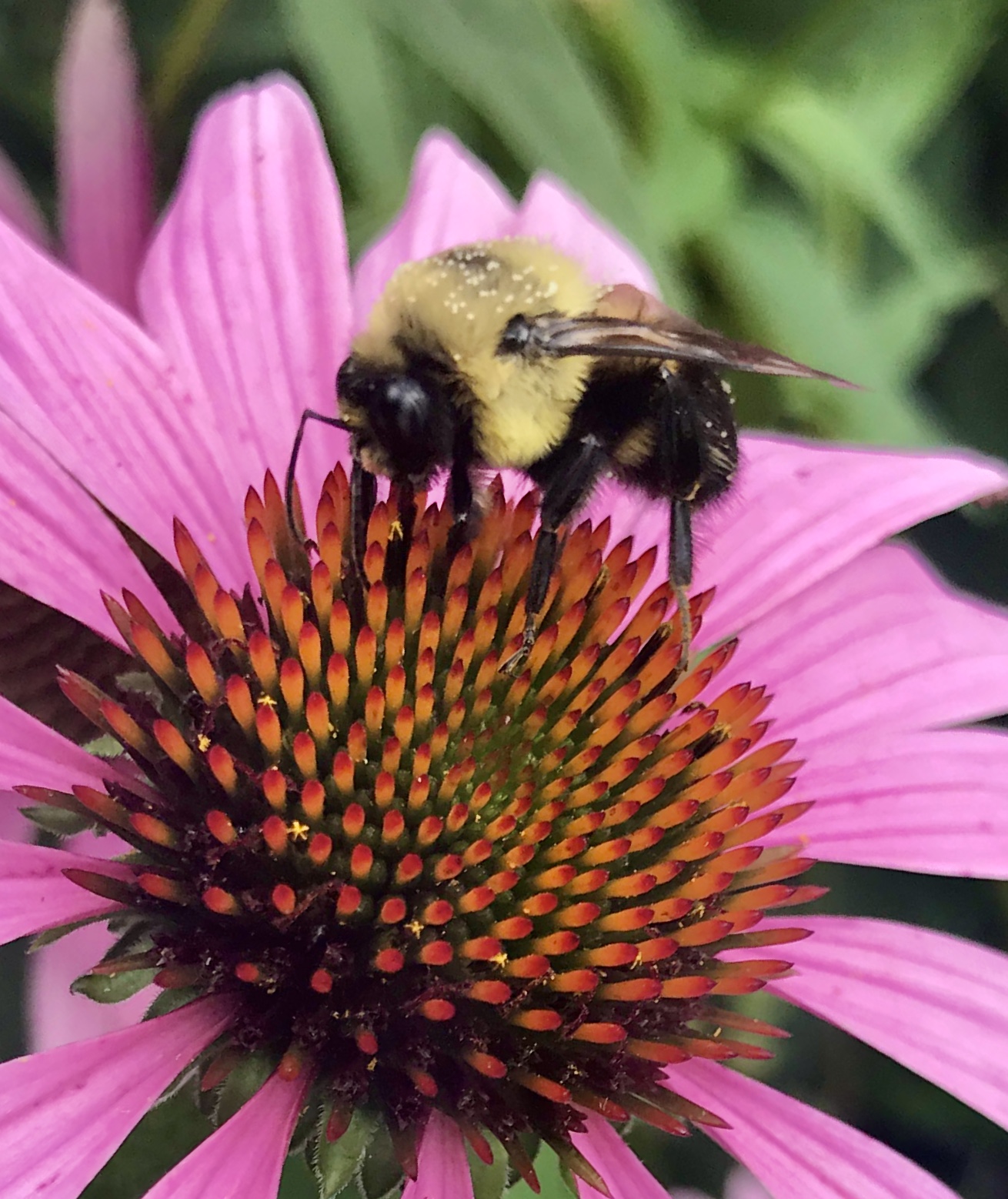
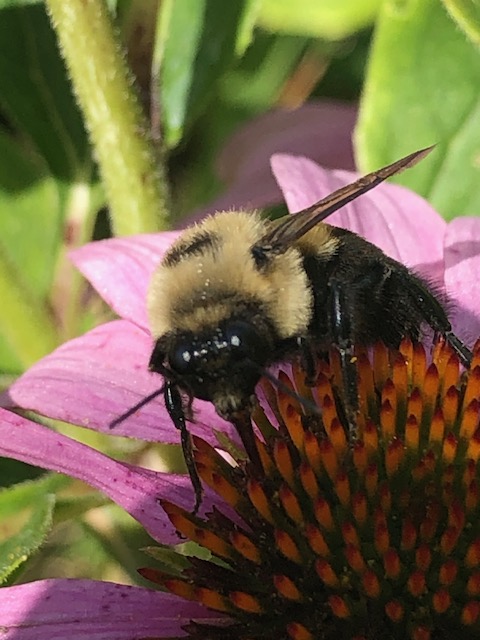
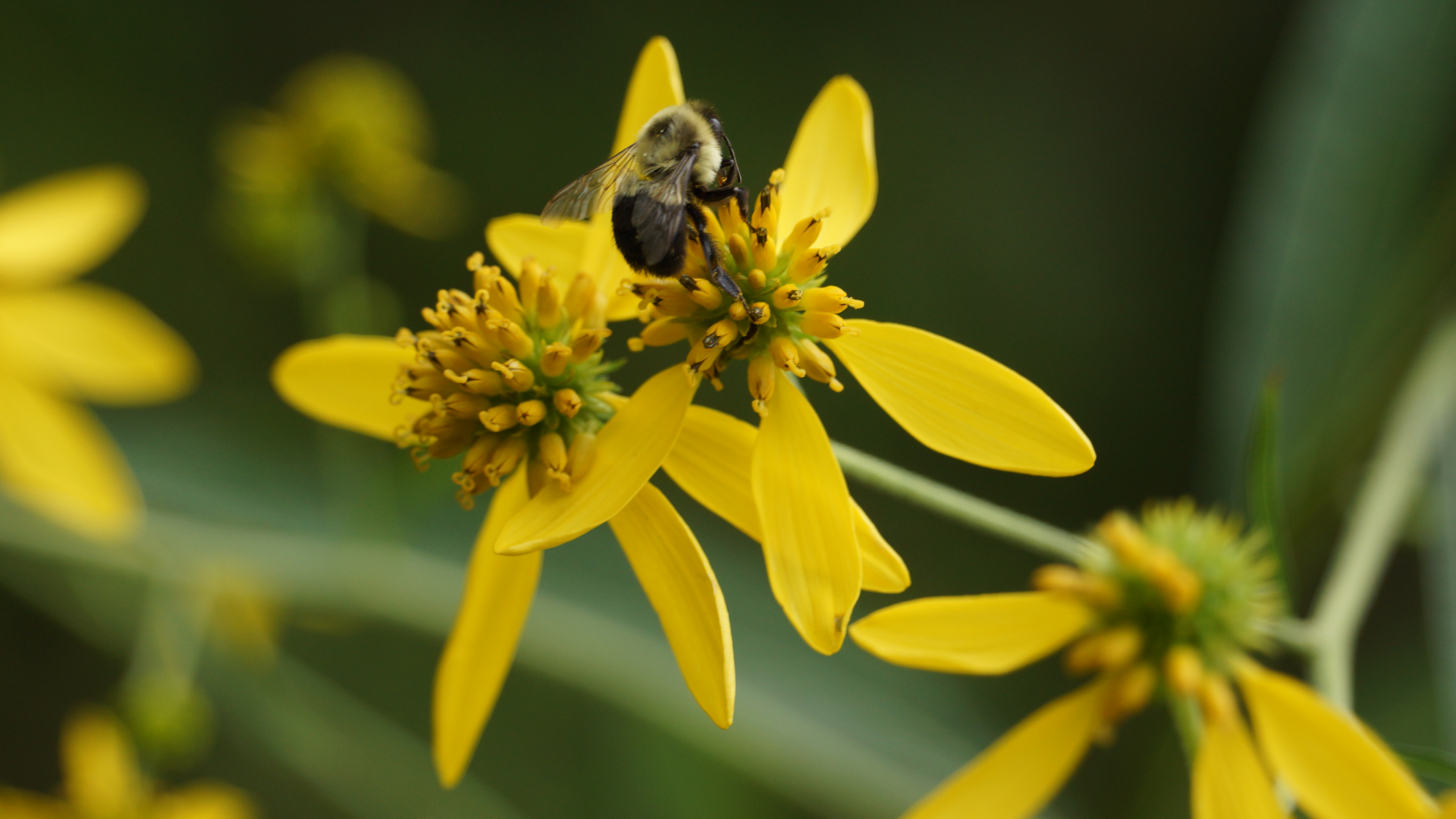
Bumblebee on Buddleia Alternifolia June 19, 2020 Photo by Ken Kerr
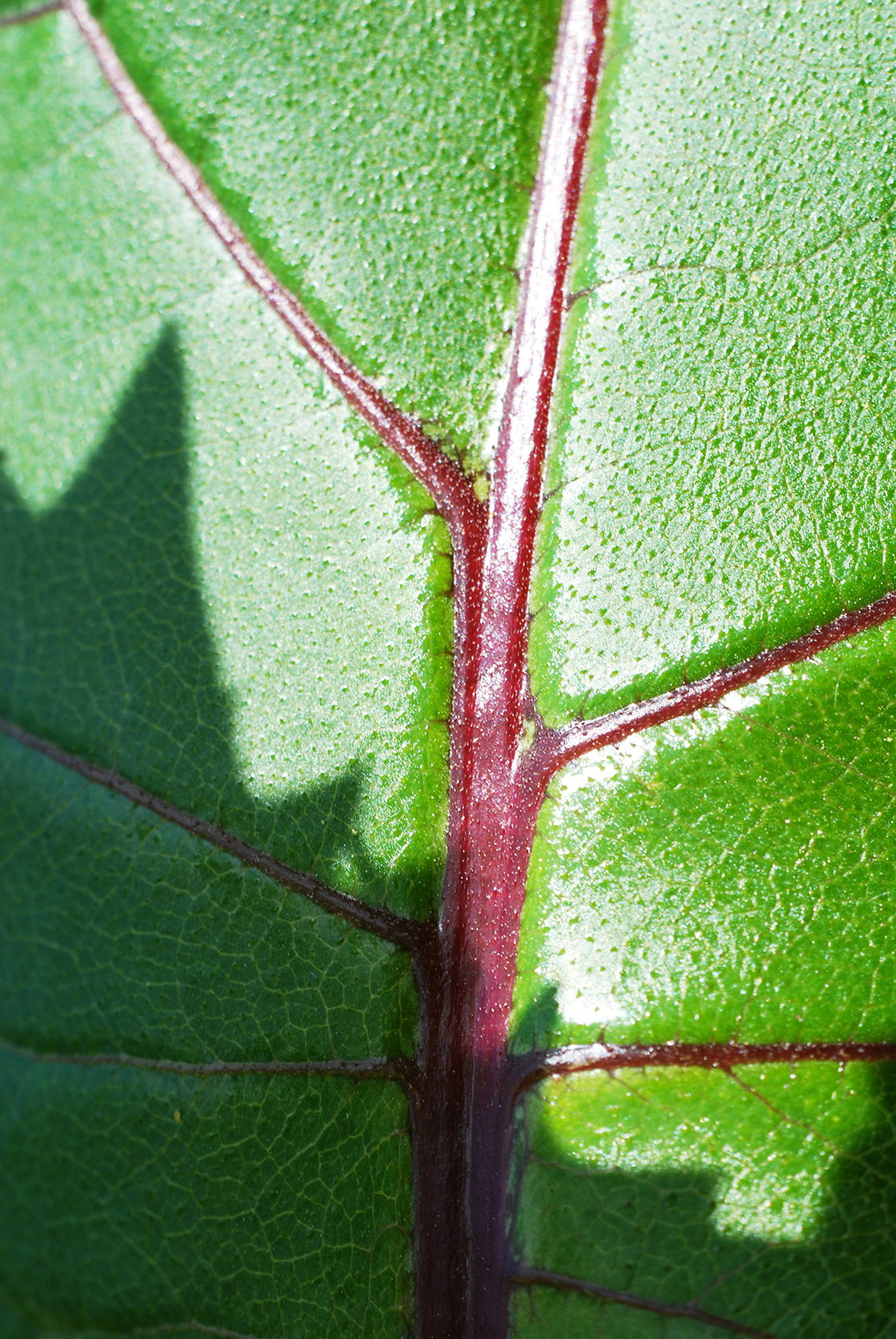
Cup Plant leaf detail June 19, 2020 Photo by Ken Kerr
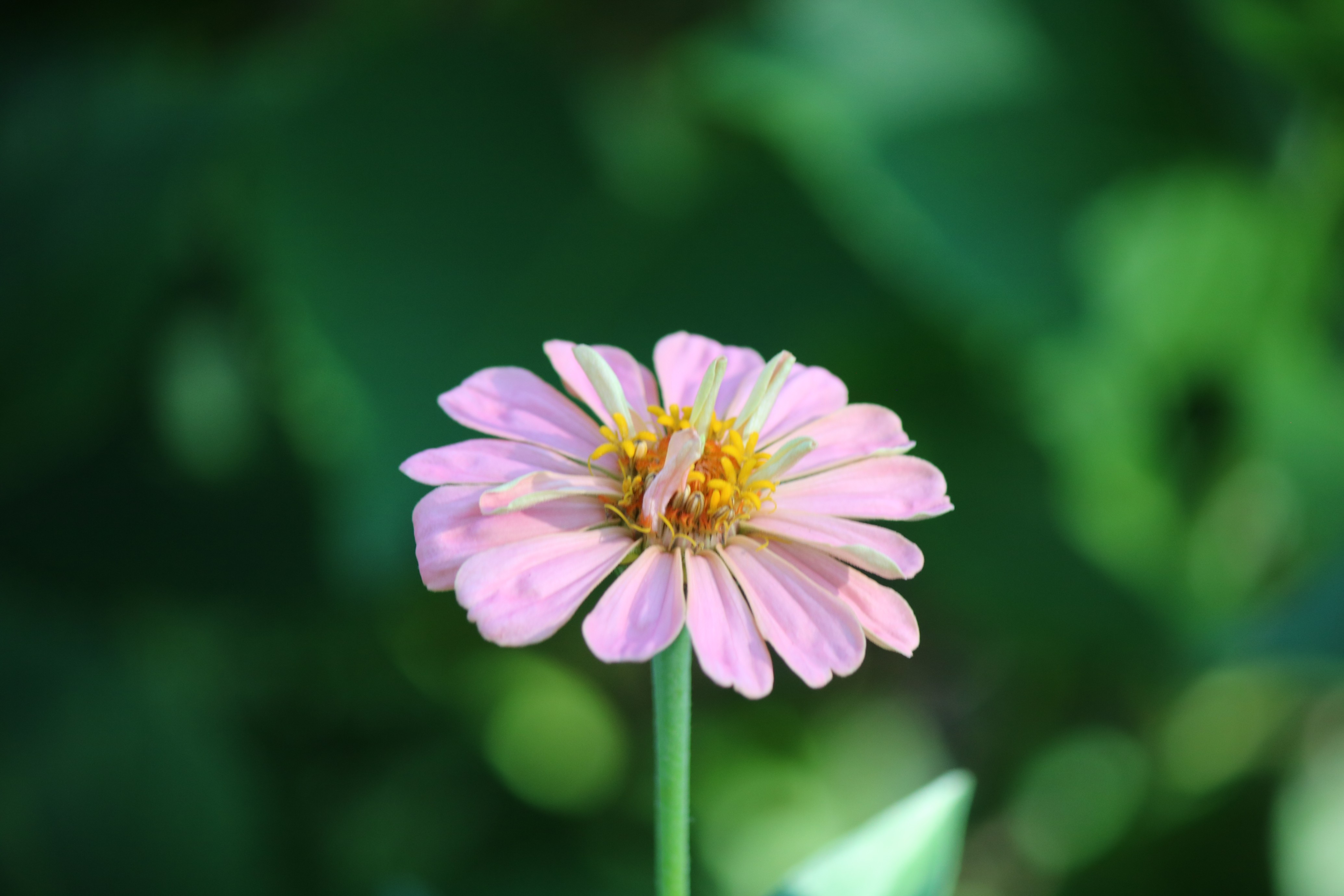
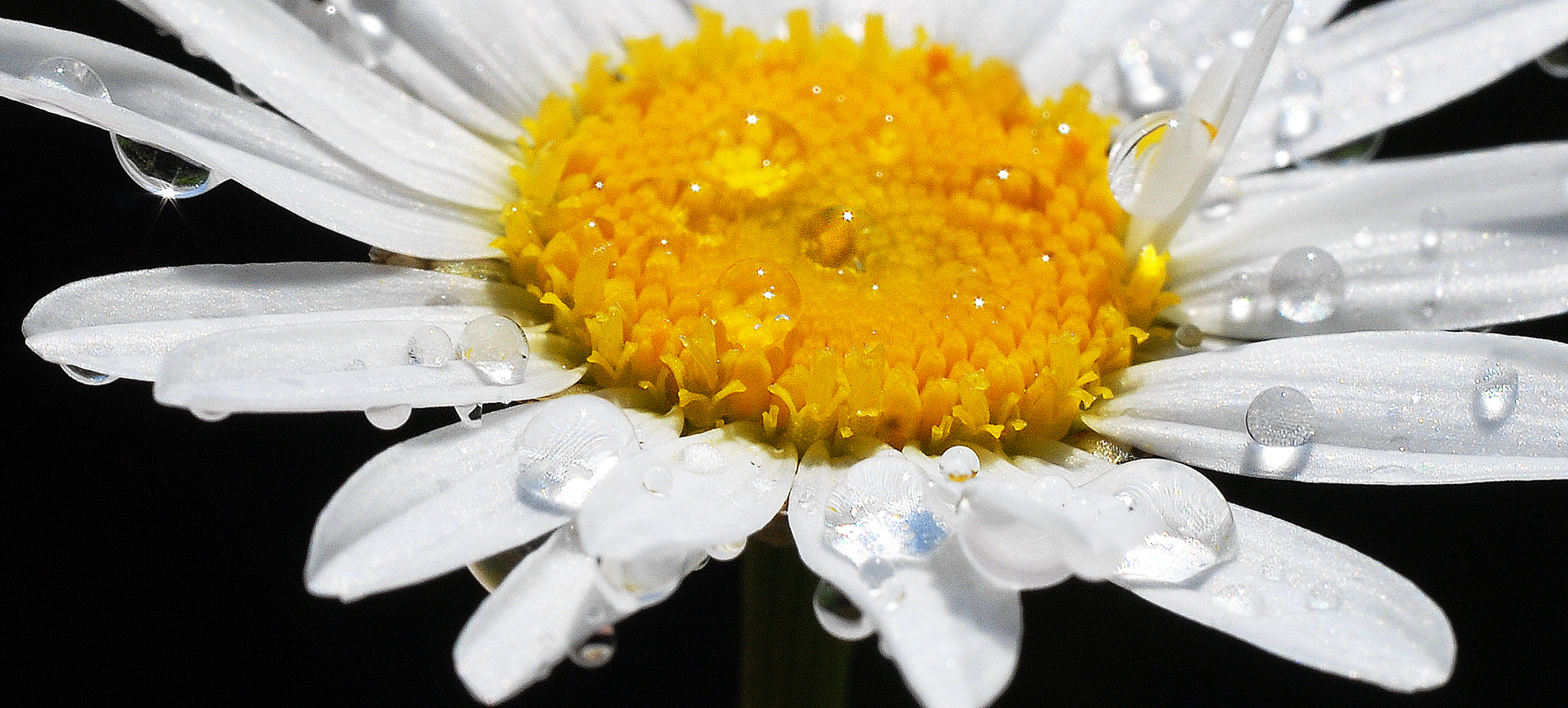
White Daisy June 19, 2020 Photo by Ken Kerr
Red Aphid with young June 19, 2020 Photo by Ken Kerr
White Thorn Moth June 19, 2020 Photo by Ken Kerr
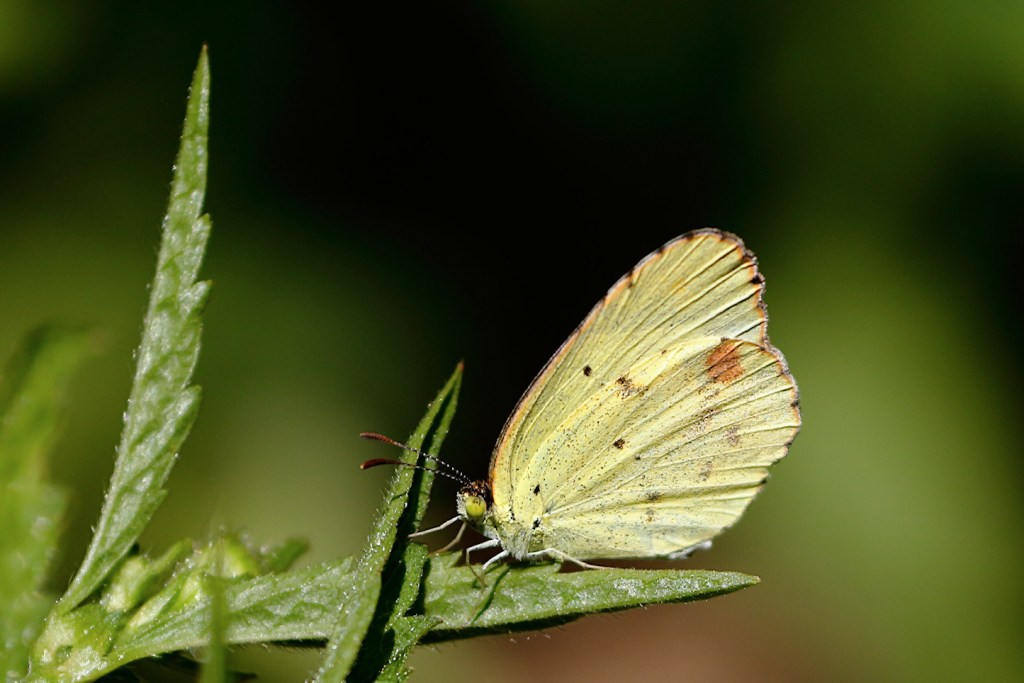
Little Yellow June 19, 2020 Photo by Doug Ward
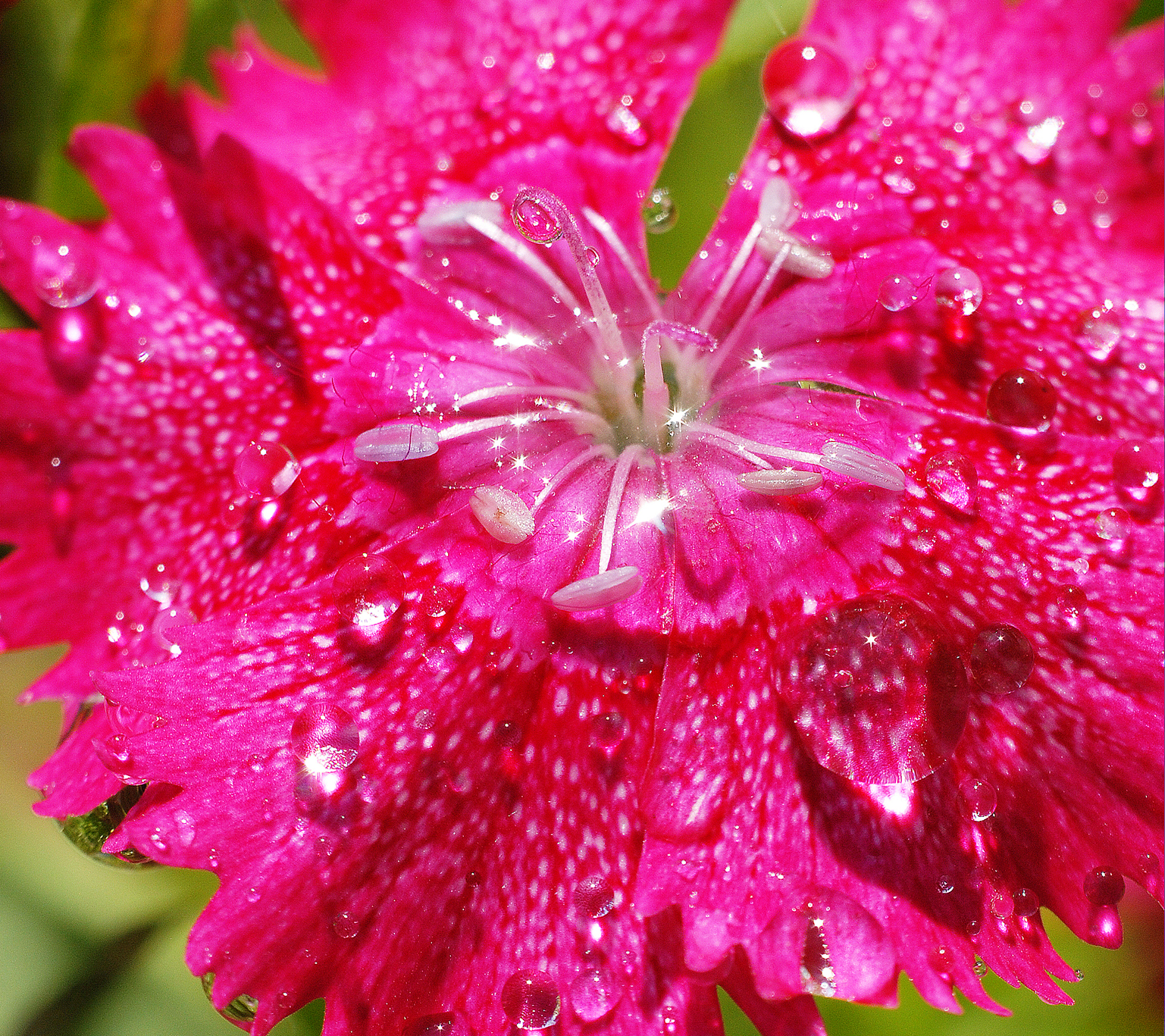
Red Dianthus detail June 19, 2020 Photo by Ken Kerr
Question Mark June 12, 2020 Photo by Michelle Sharp
Painted Turtle June 11, 2020 Photo by Ken Kerr
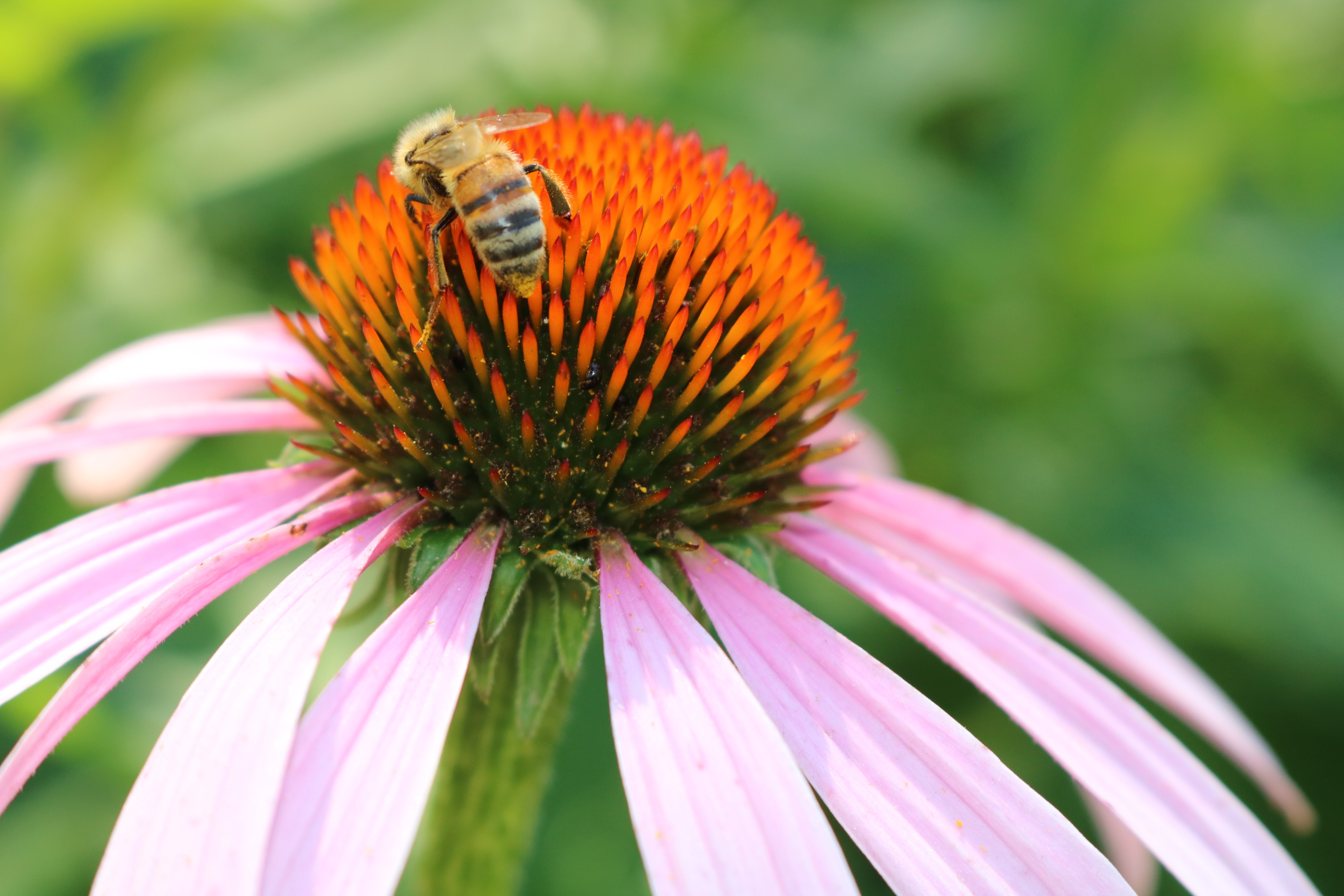
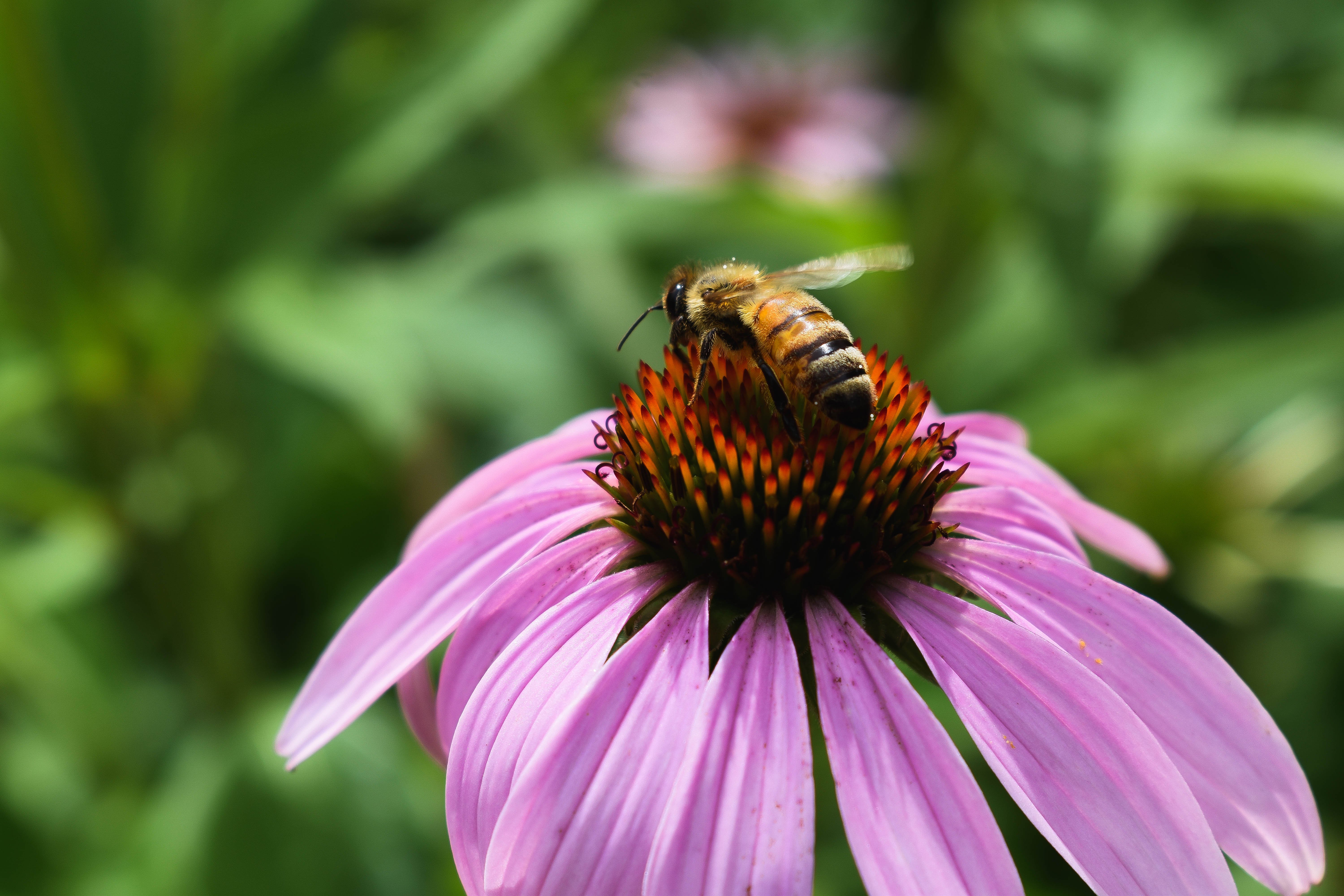
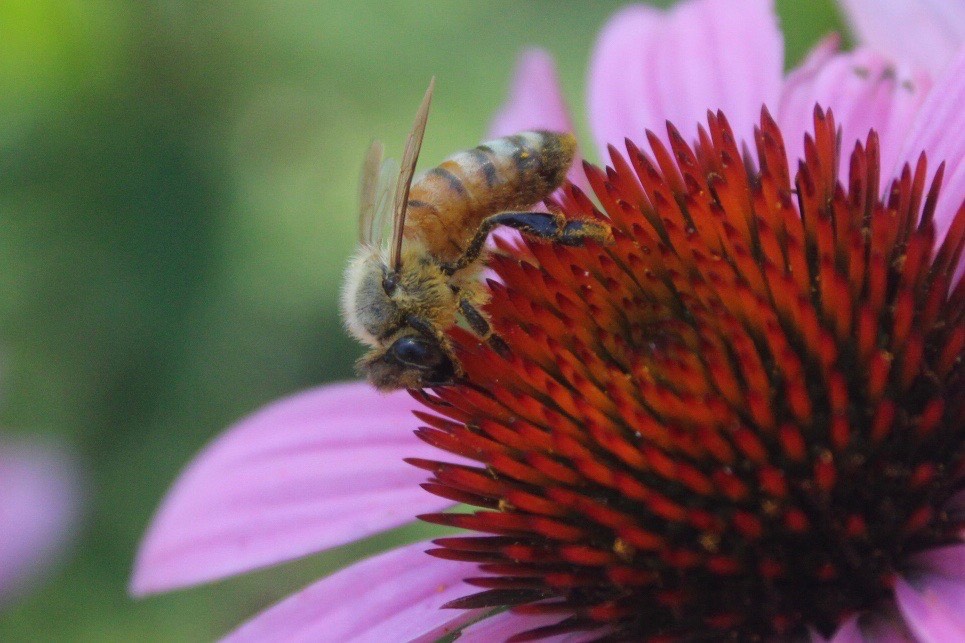
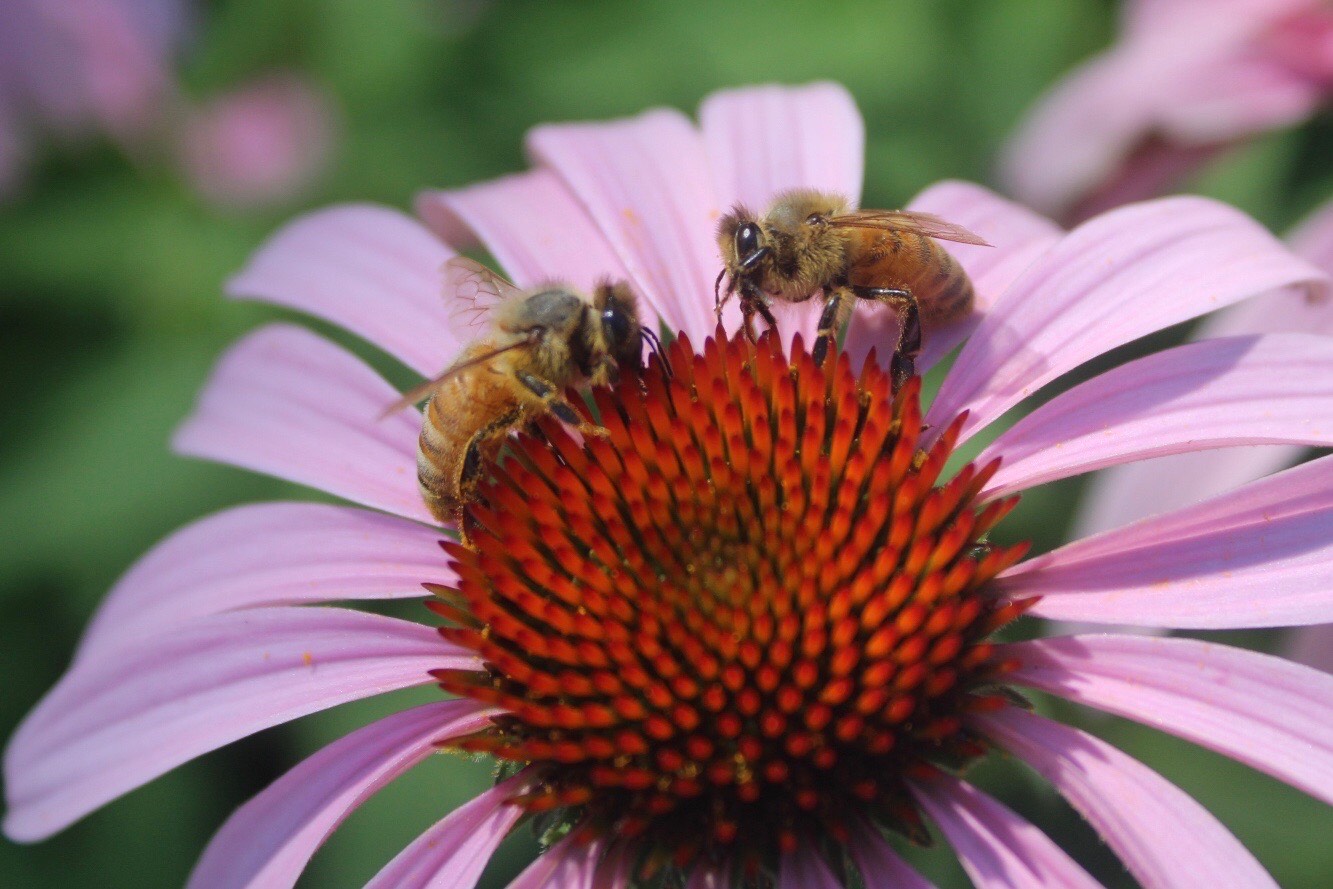
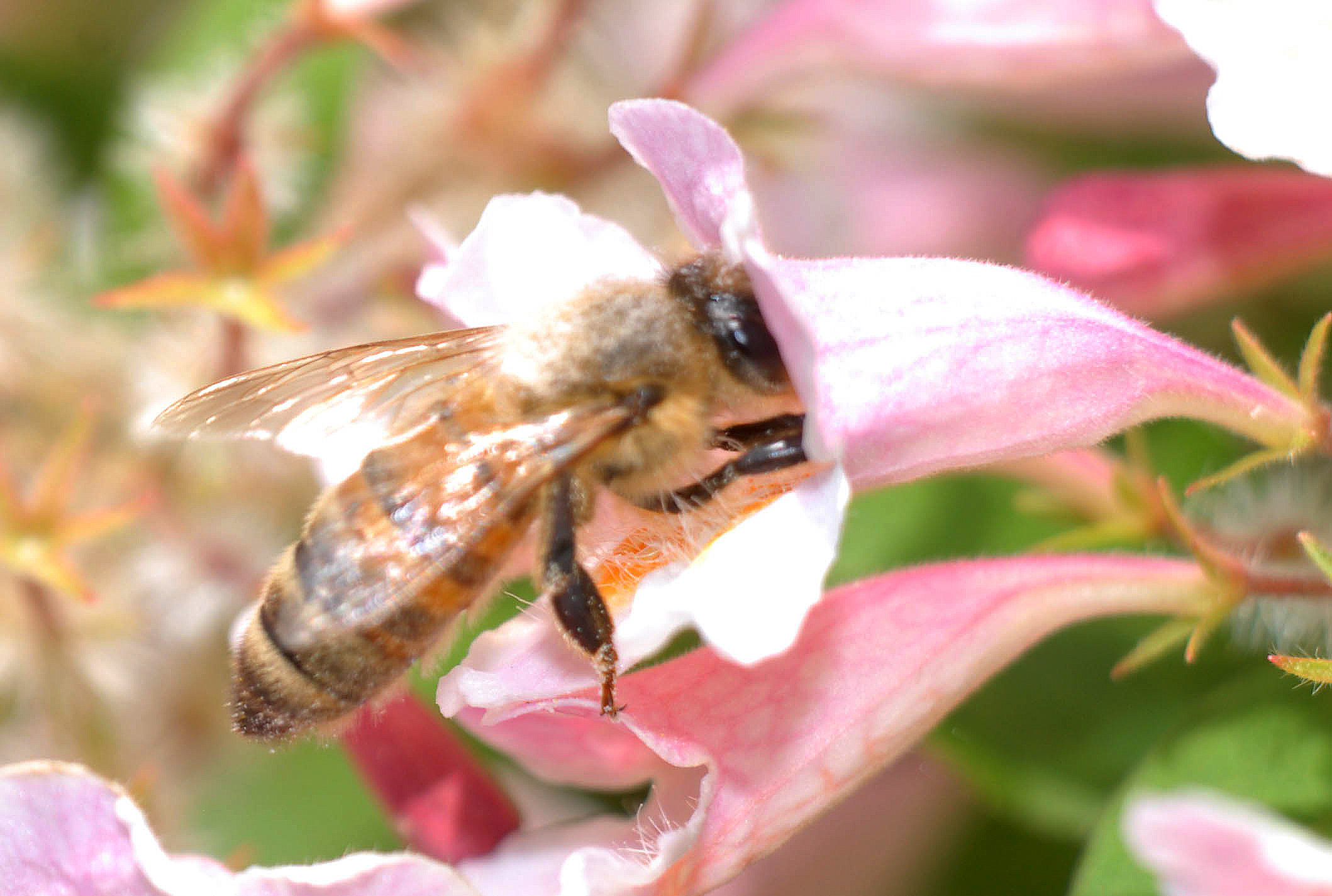
Honey Bee on Beauty Bush June 11, 2020 Photo by Ken Kerr
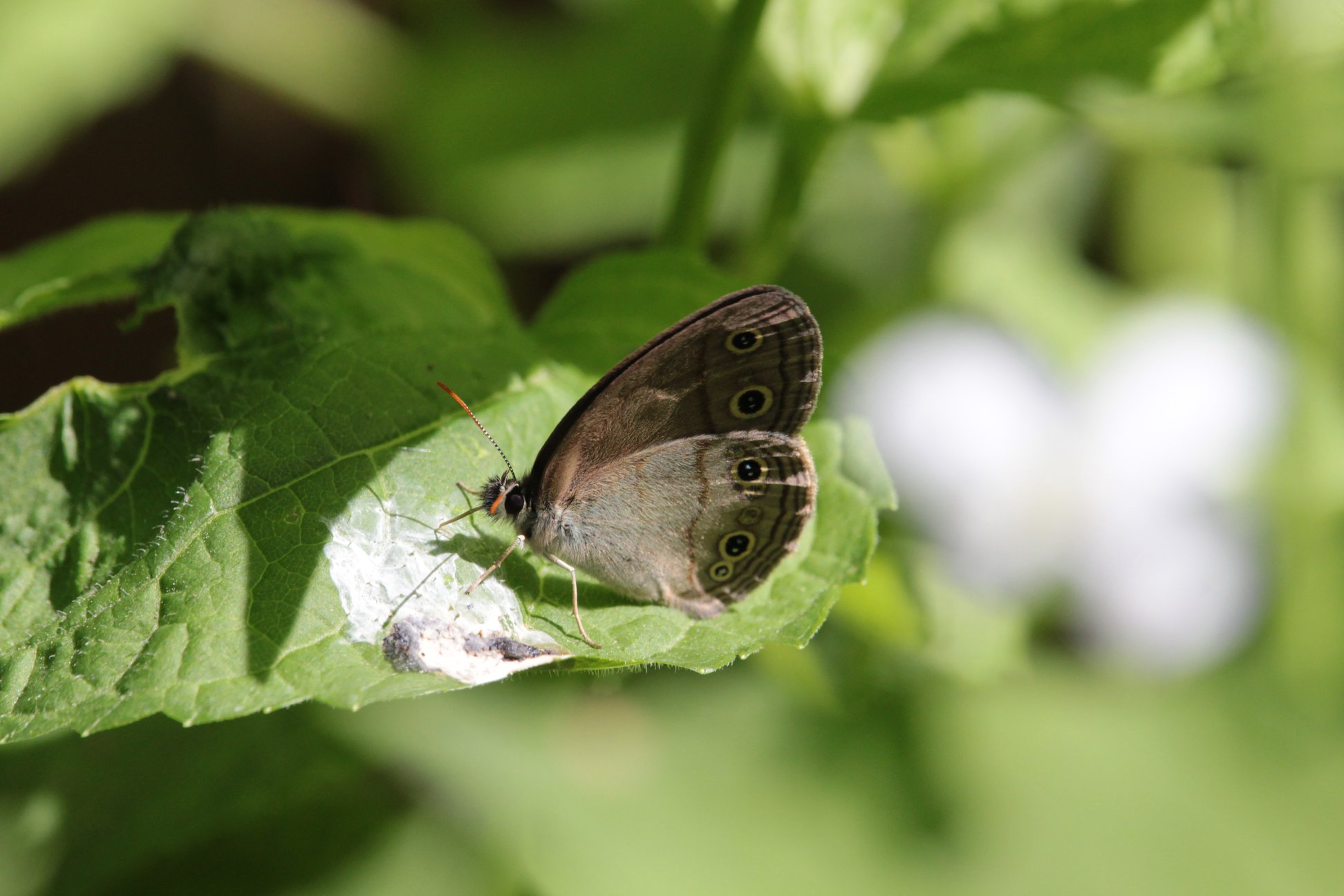
Little Wood-Satyr June 8, 2020 Photo by Michelle Sharp
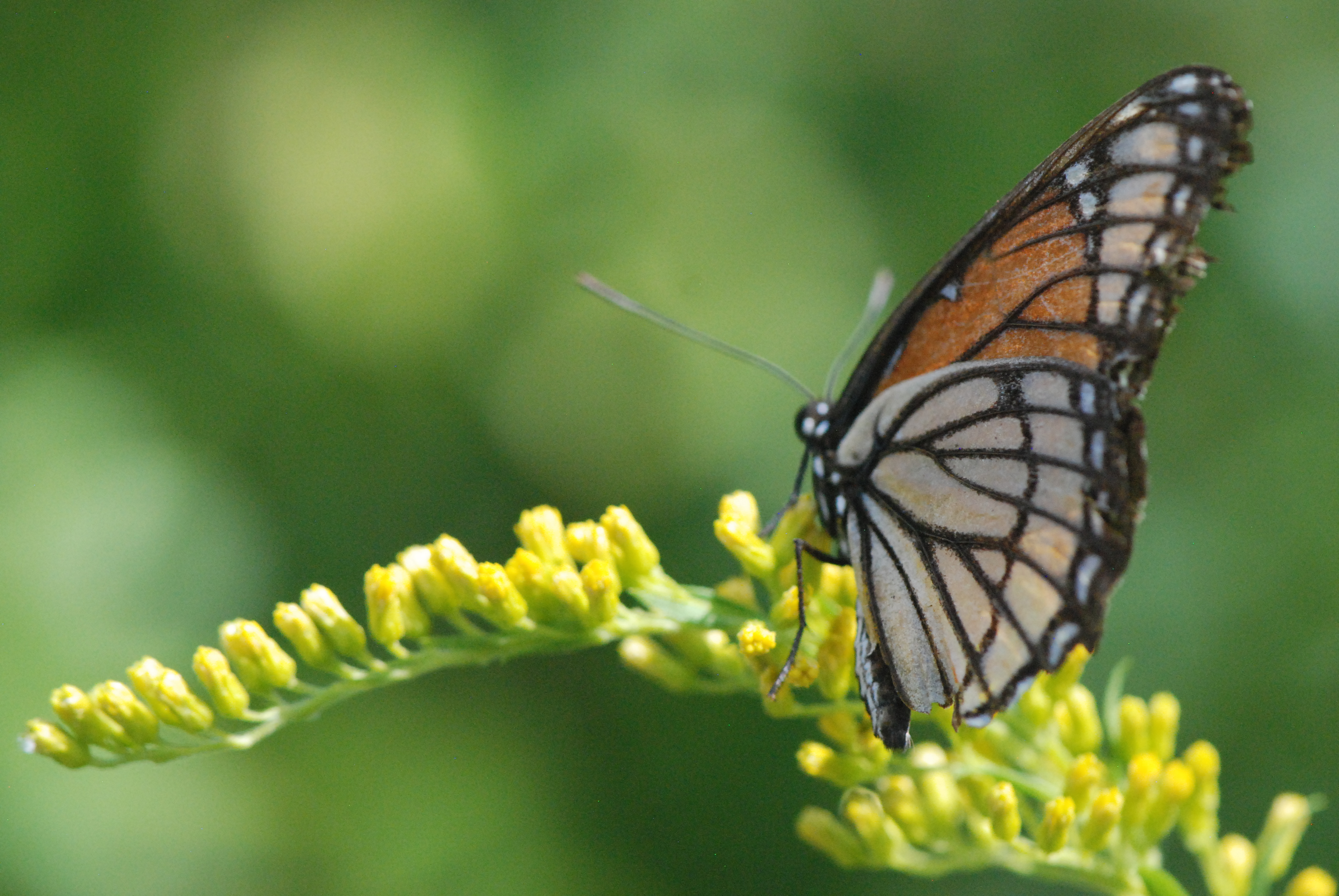
Viceroy, June 8, 2020. Photo by Michelle Sharp.
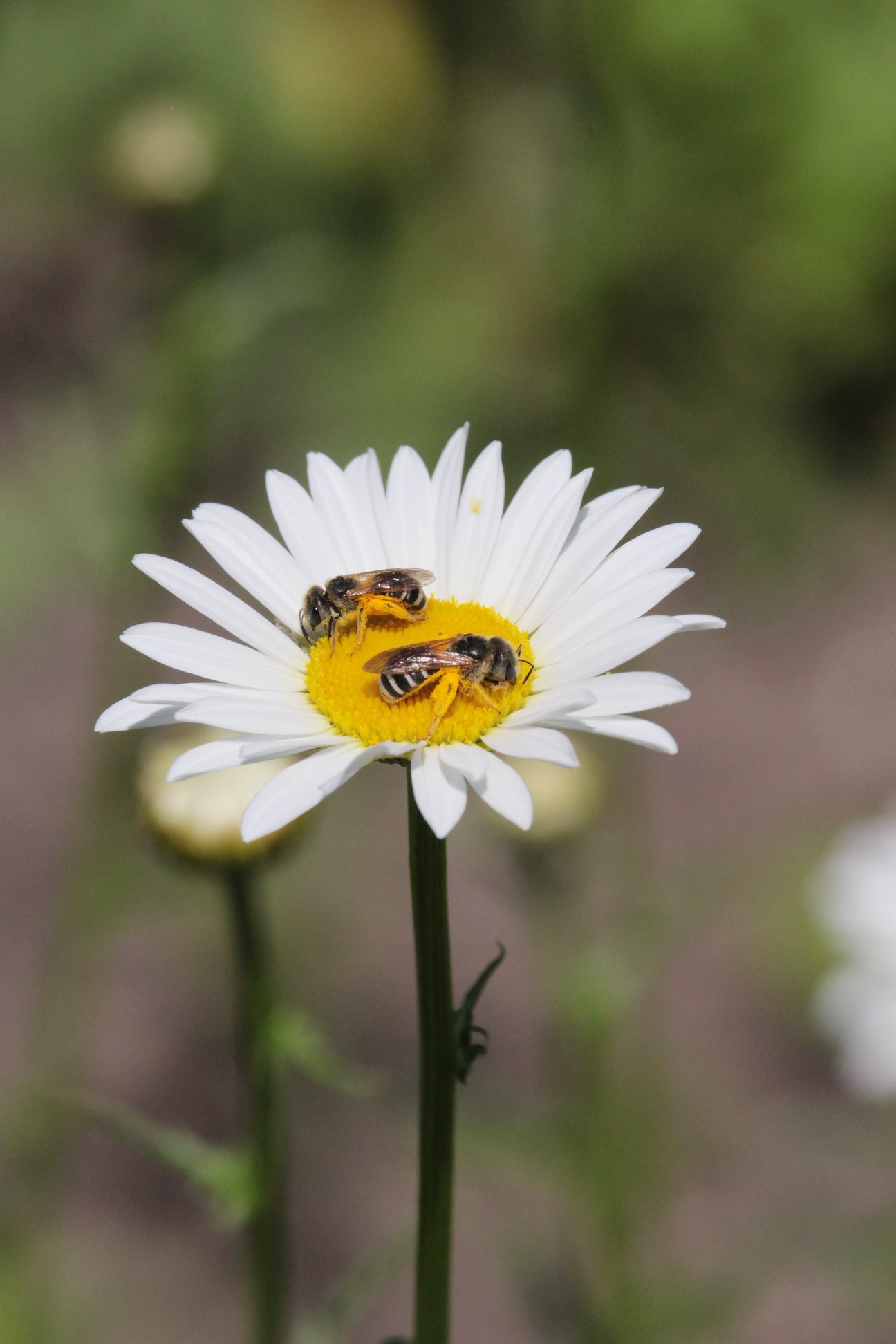
Solitary Bees June 7, 2020 Photo by Michelle Sharp
Hobomok Skipper June 7, 2020 Photo by Michelle Sharp
Tawny-edged Skipper June 6, 2020 Photo by Michelle Sharp
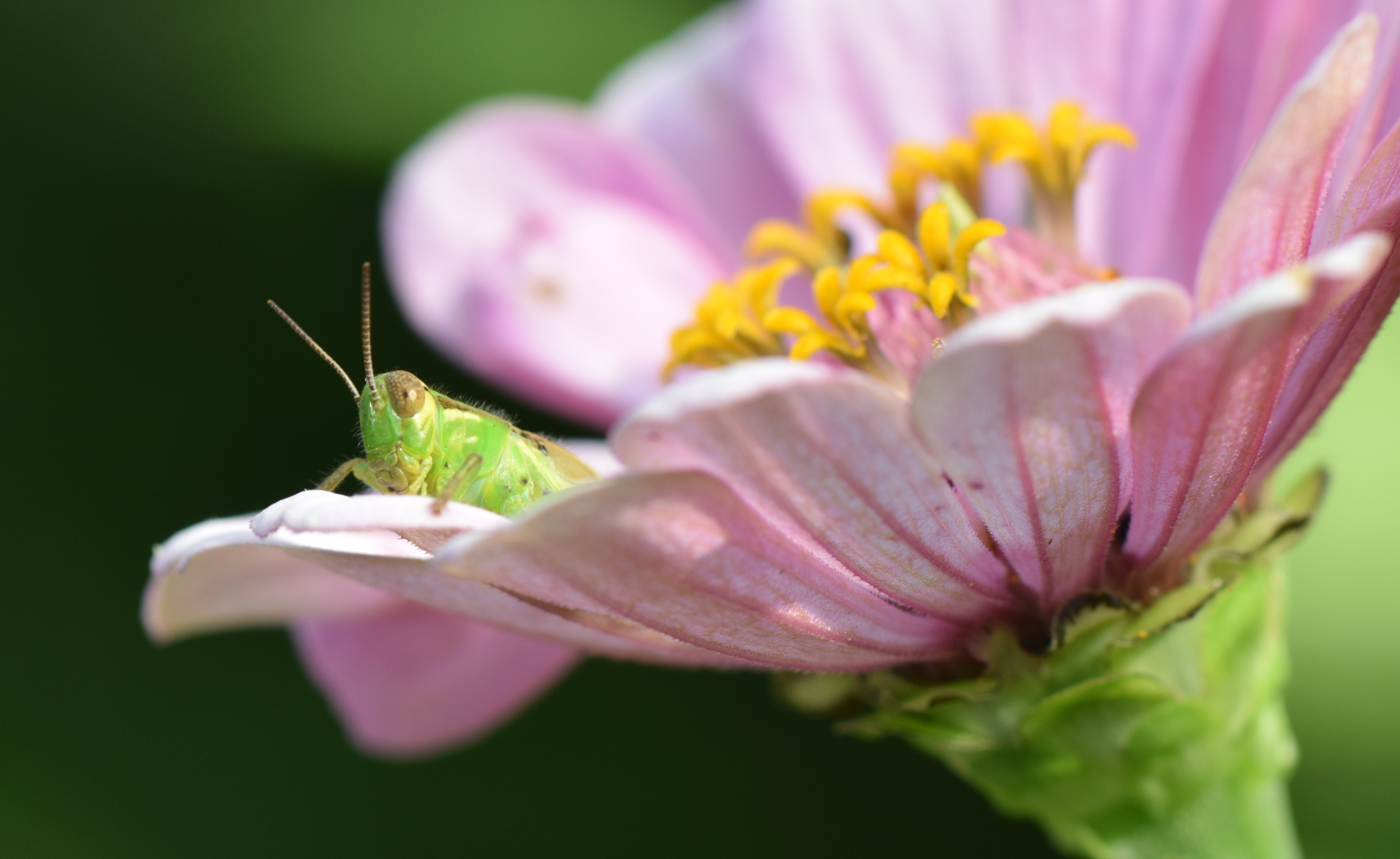
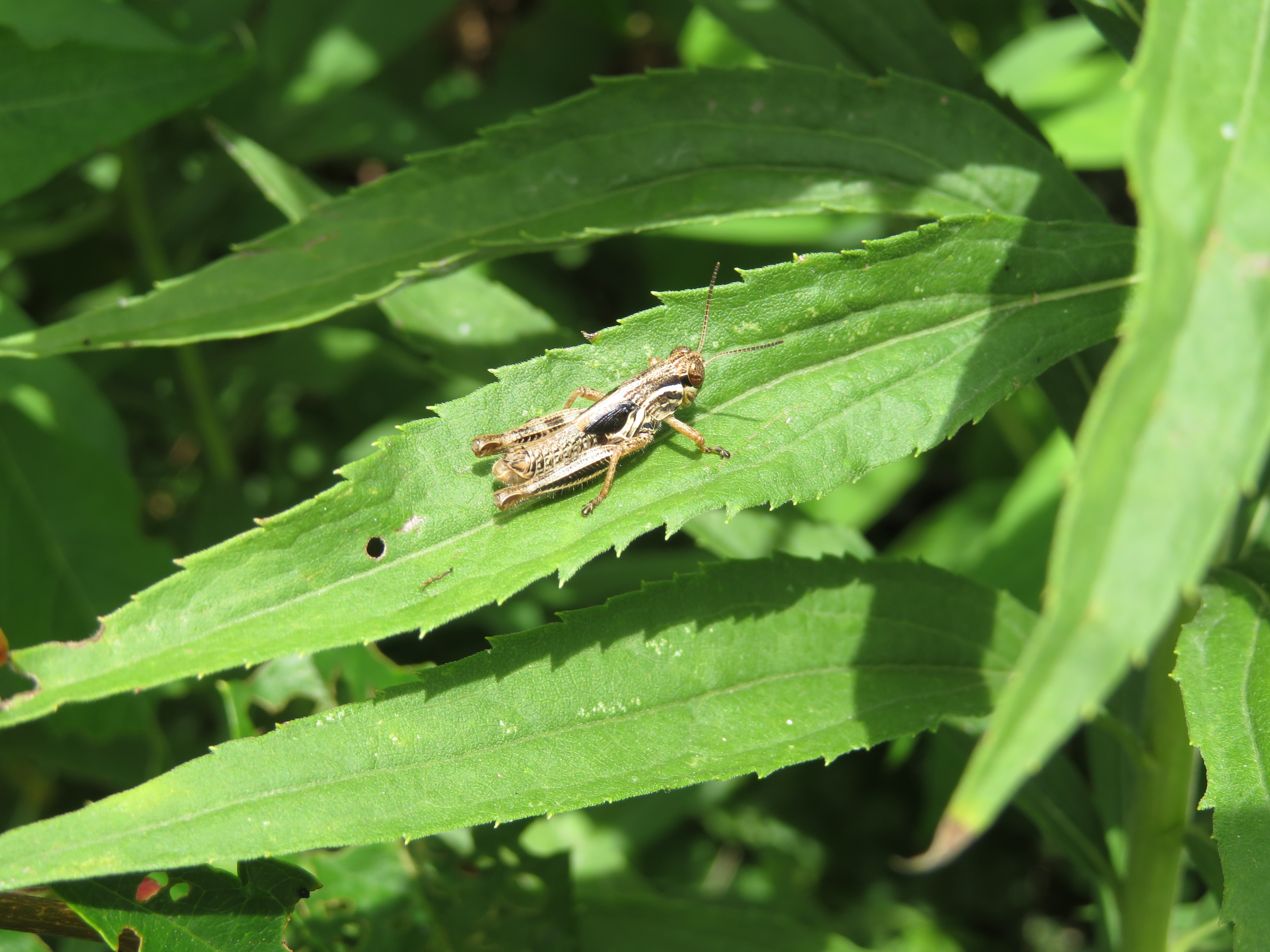
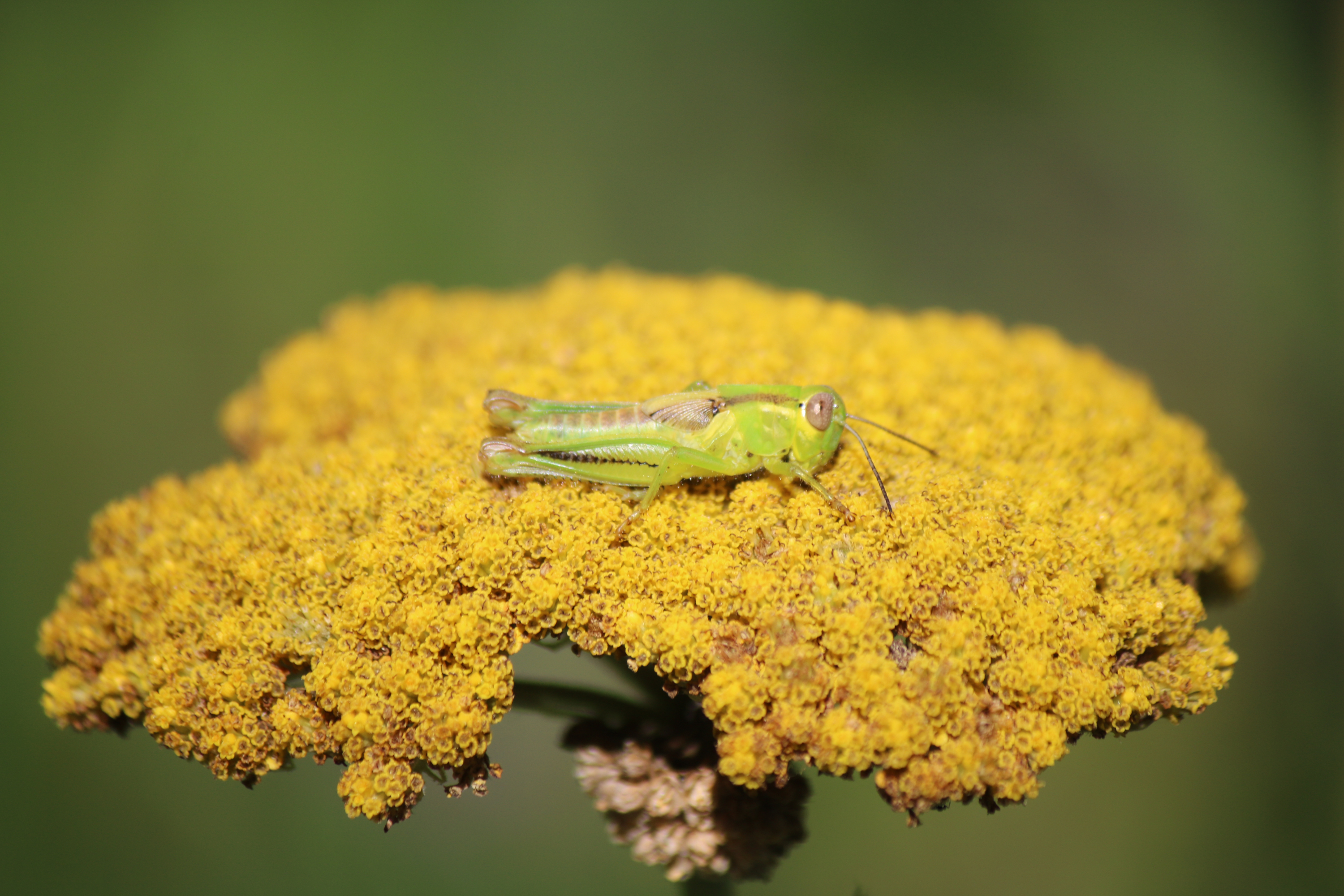
Grasshopper June 6, 2020 Photo by Michelle Sharp
Stink Bug June 6, 2020 Photo by Michelle Sharp
Common Asparagus Beetles June 6, 2020 Photo by Michelle Sharp
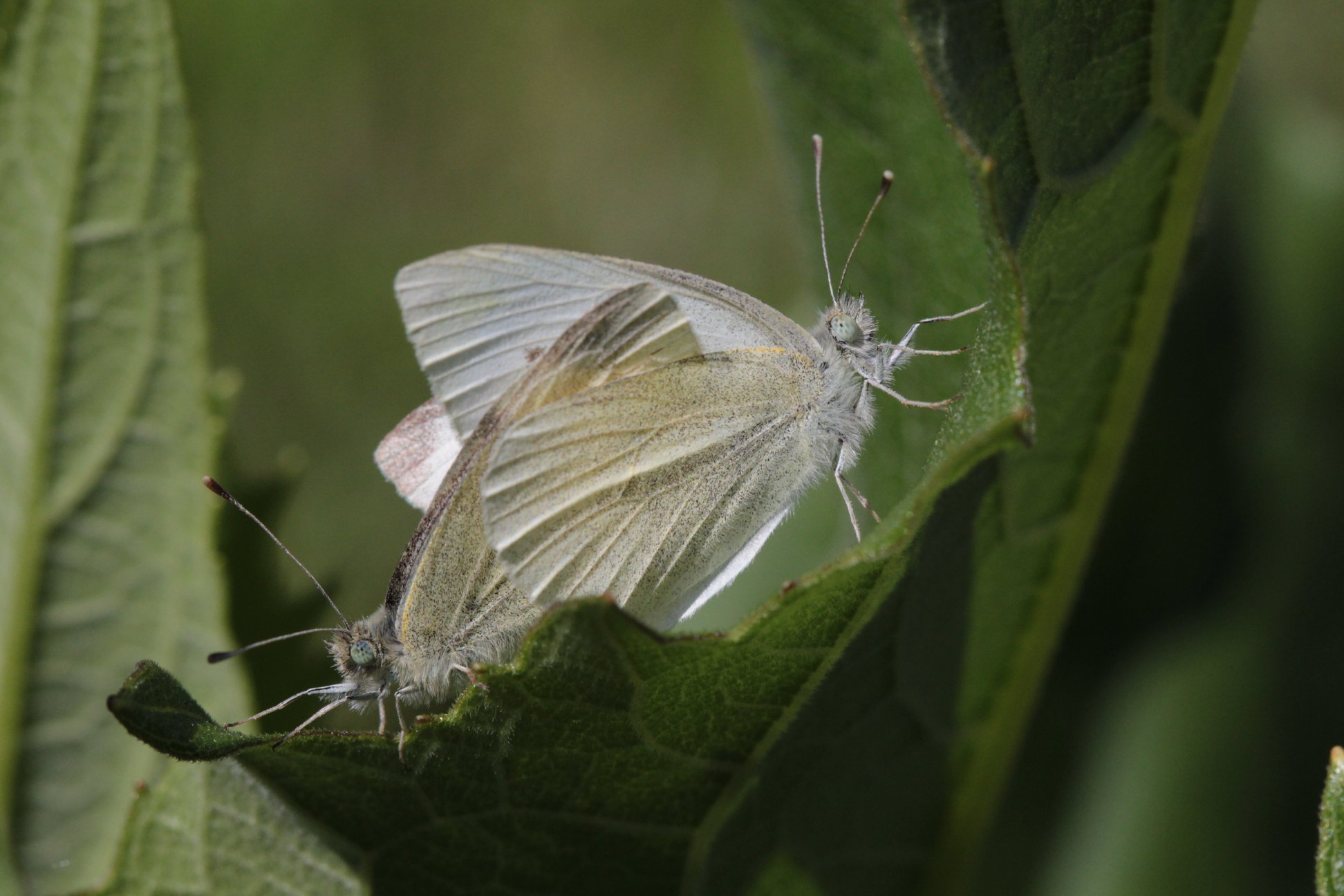
Cabbage Whites June 6, 2020 Photo by Michelle Sharp
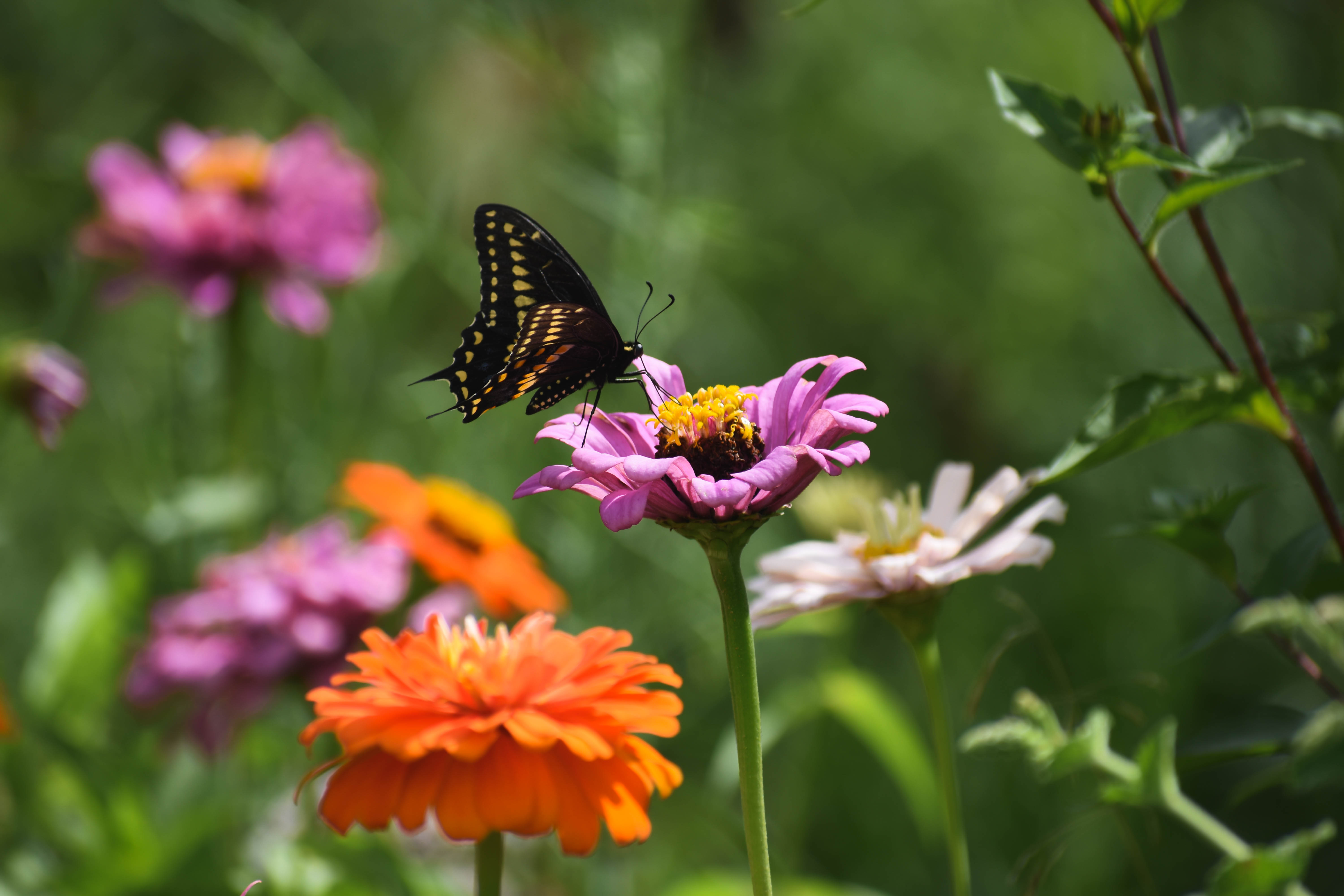
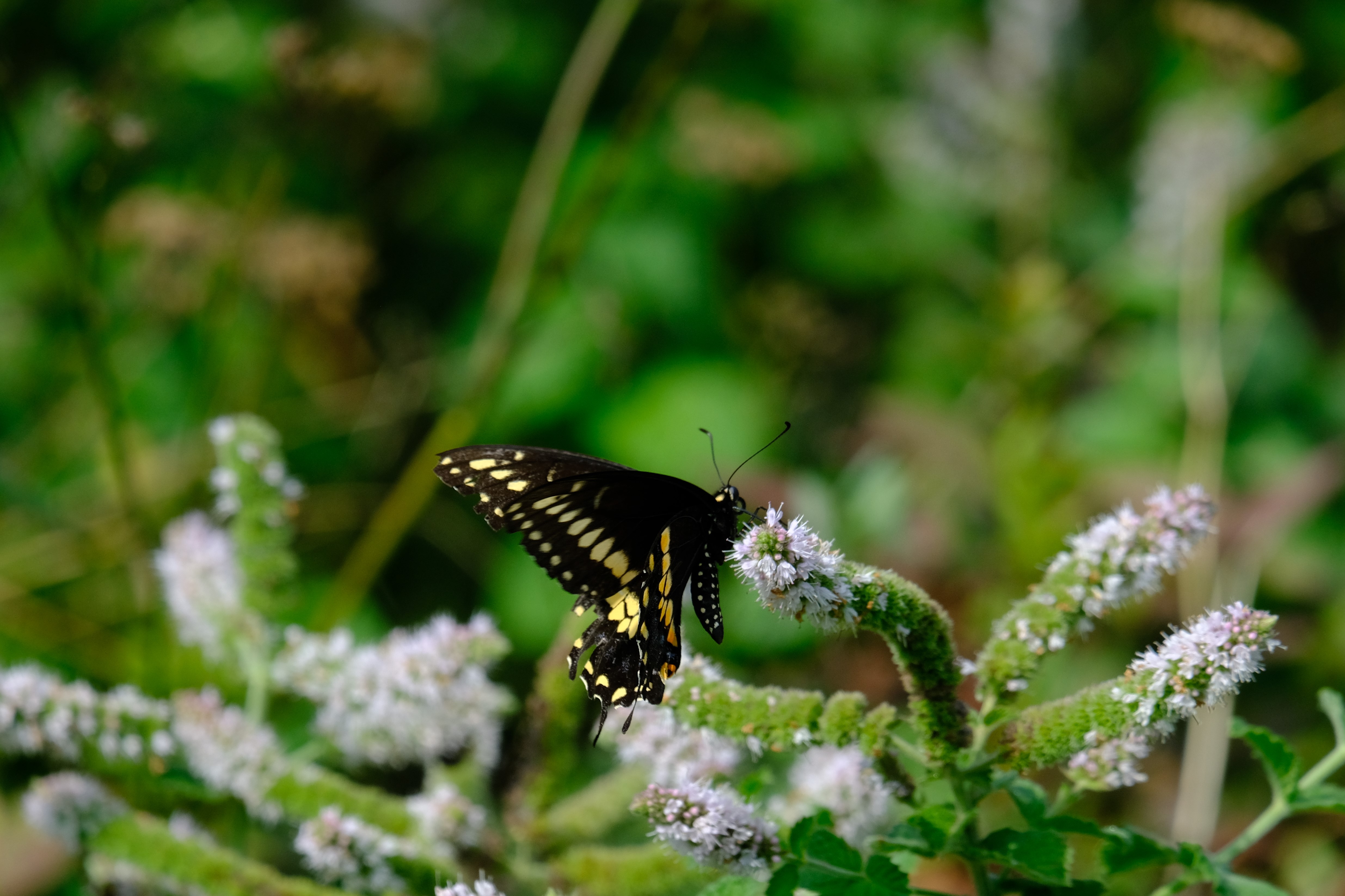
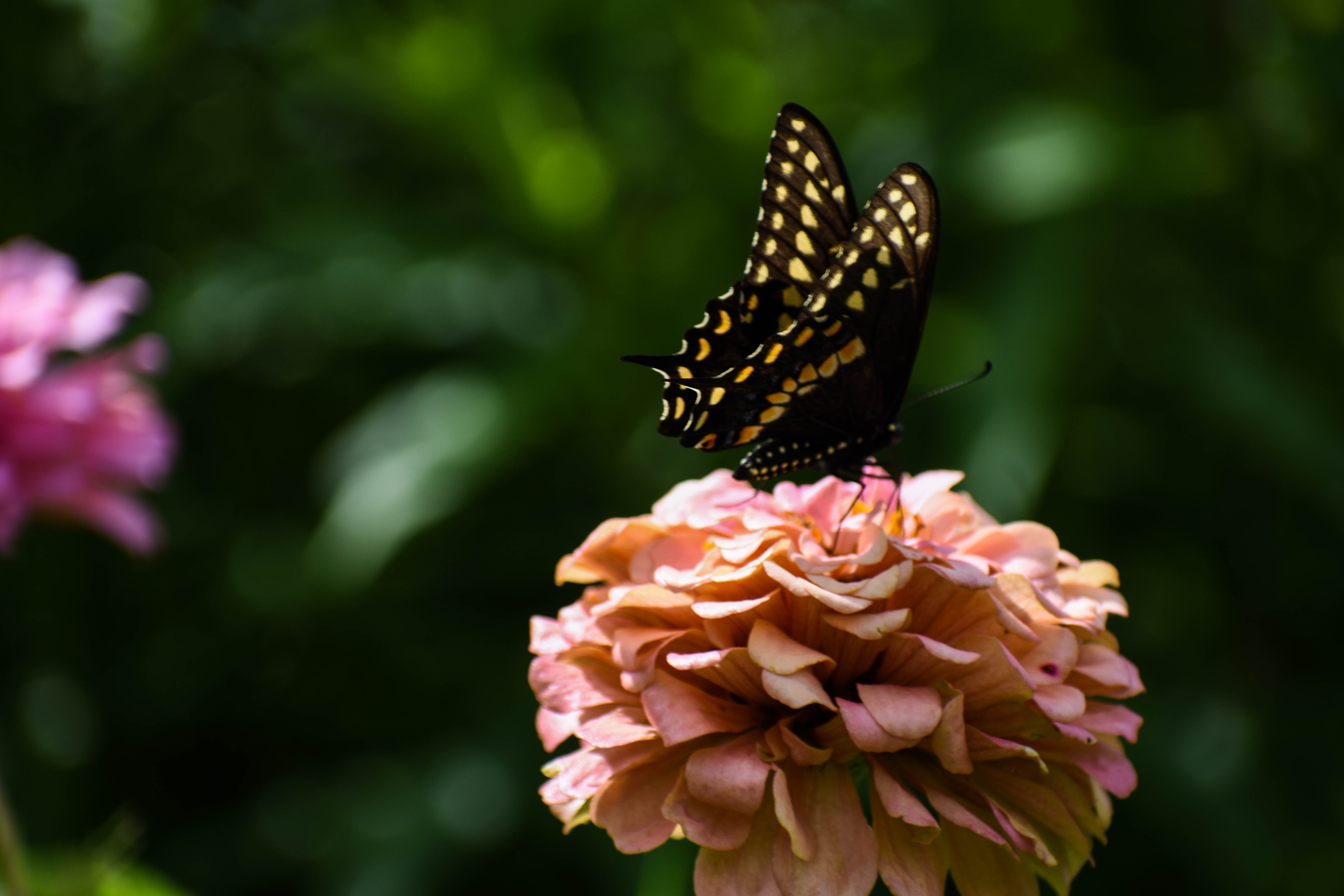
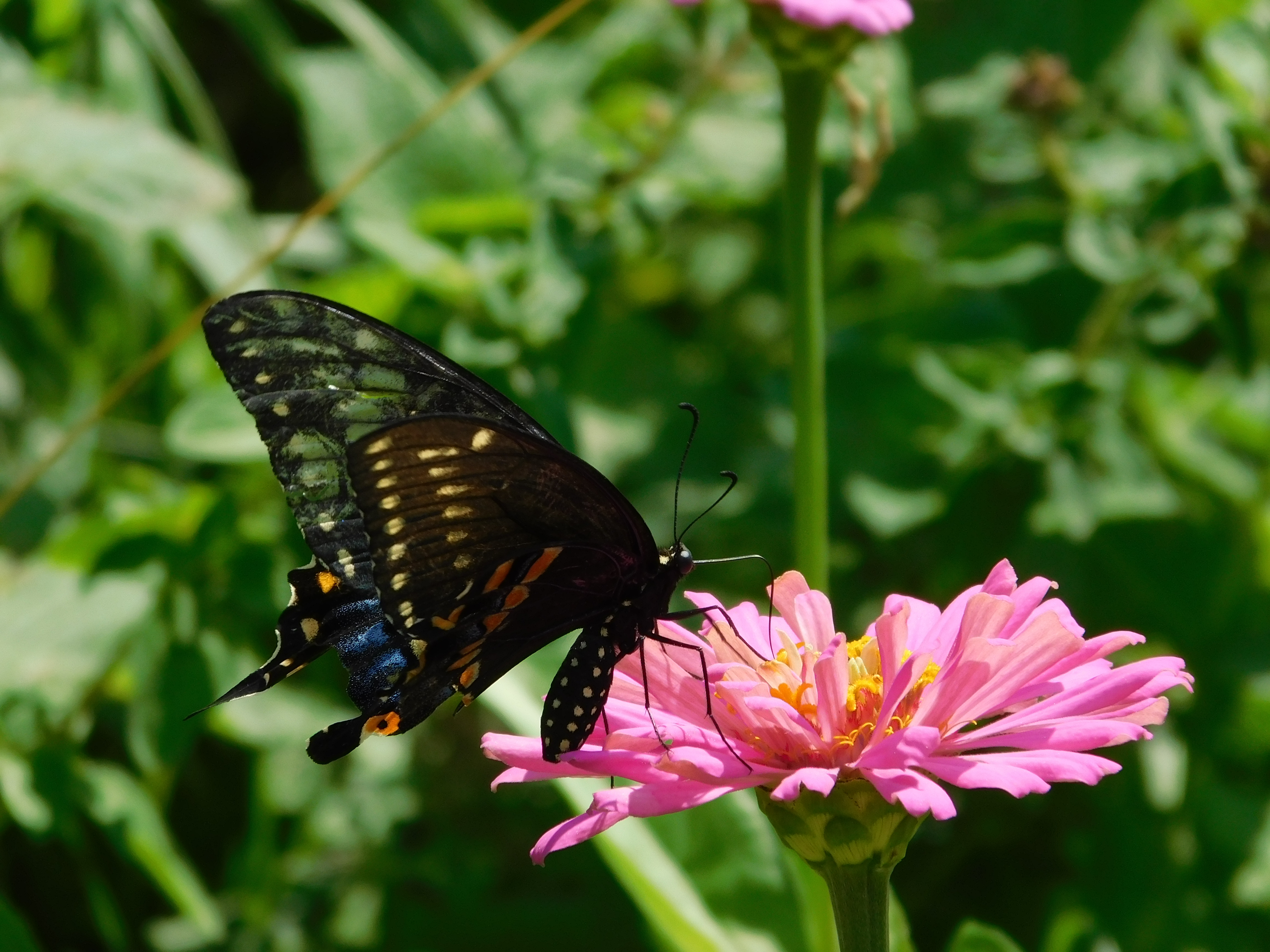
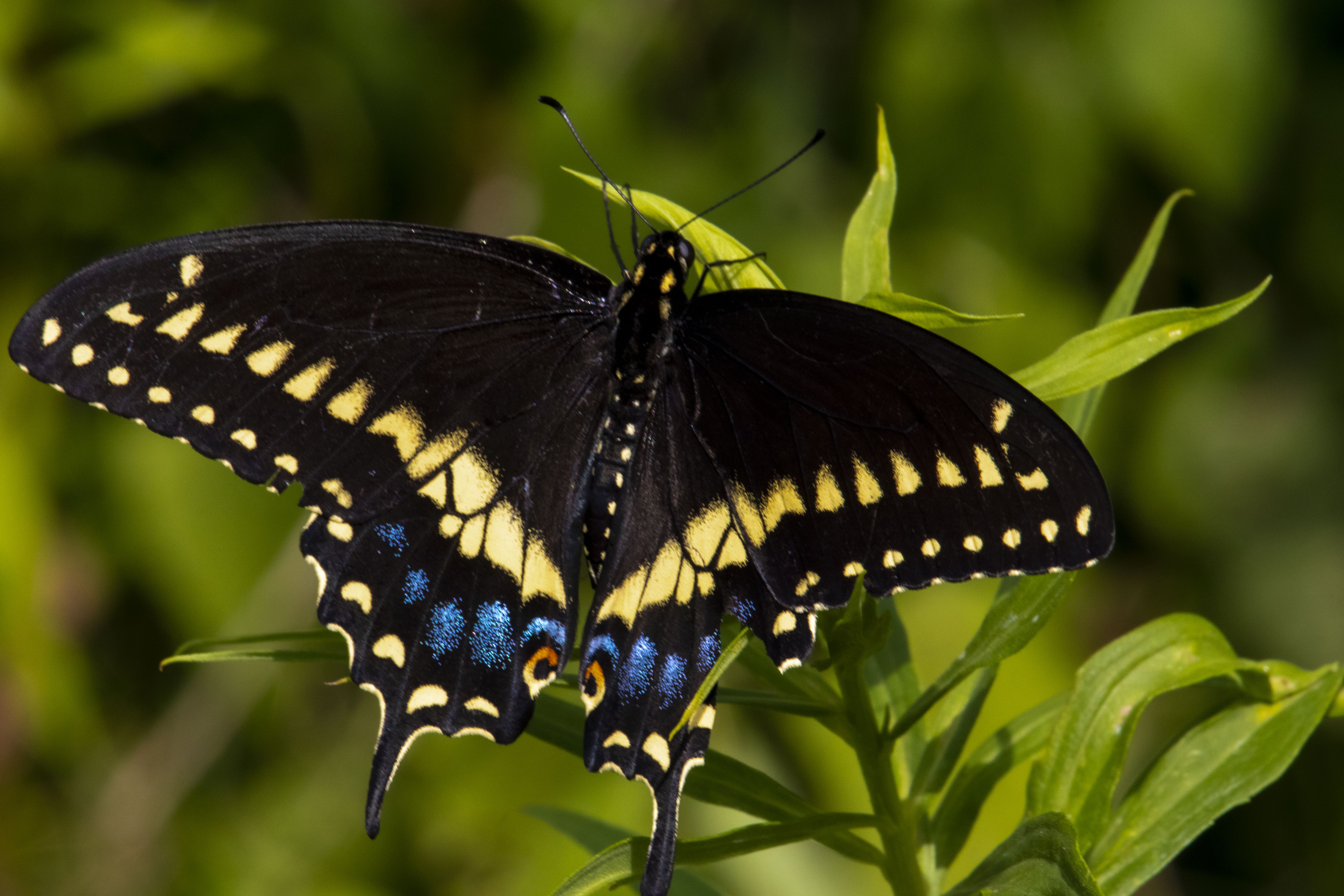
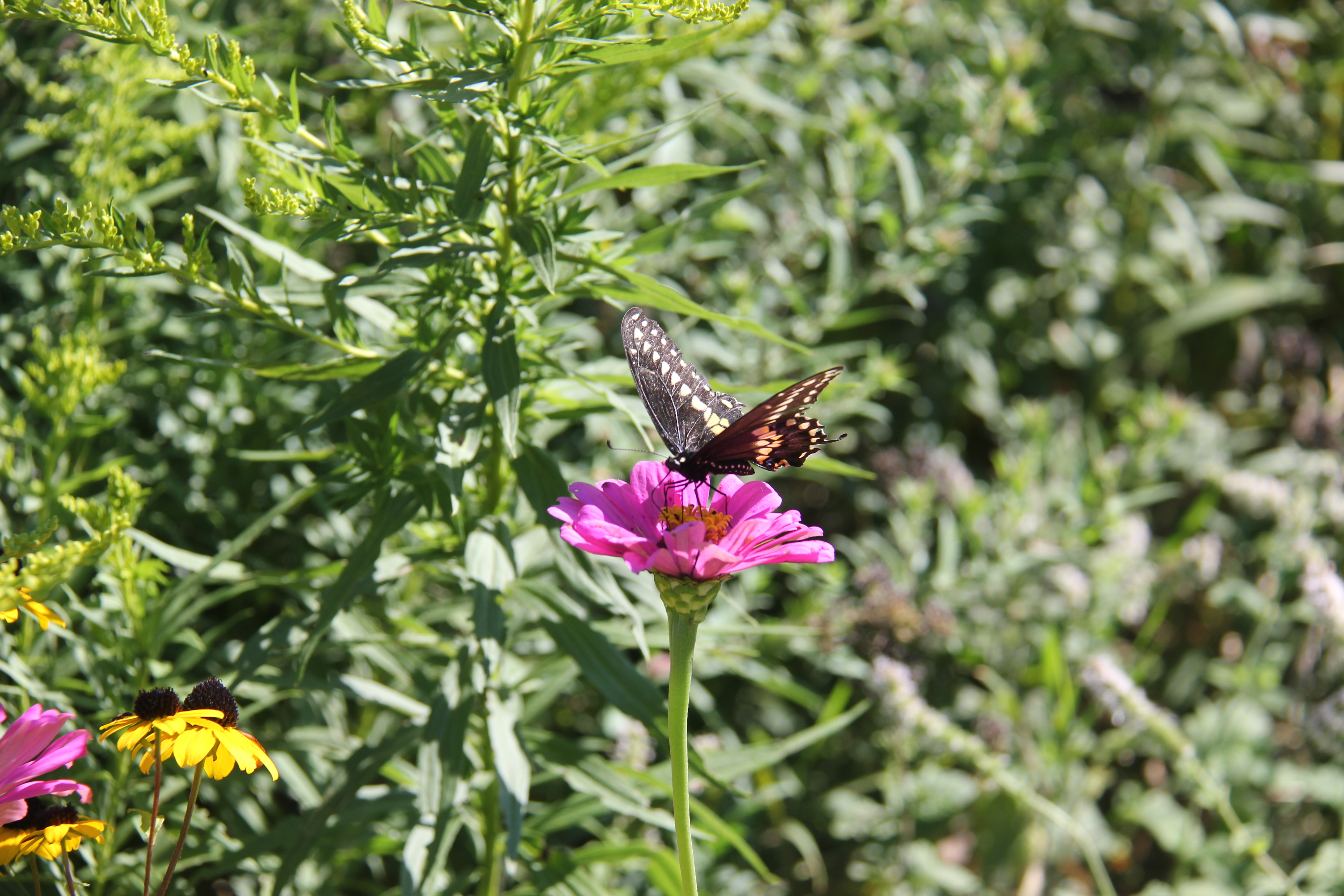
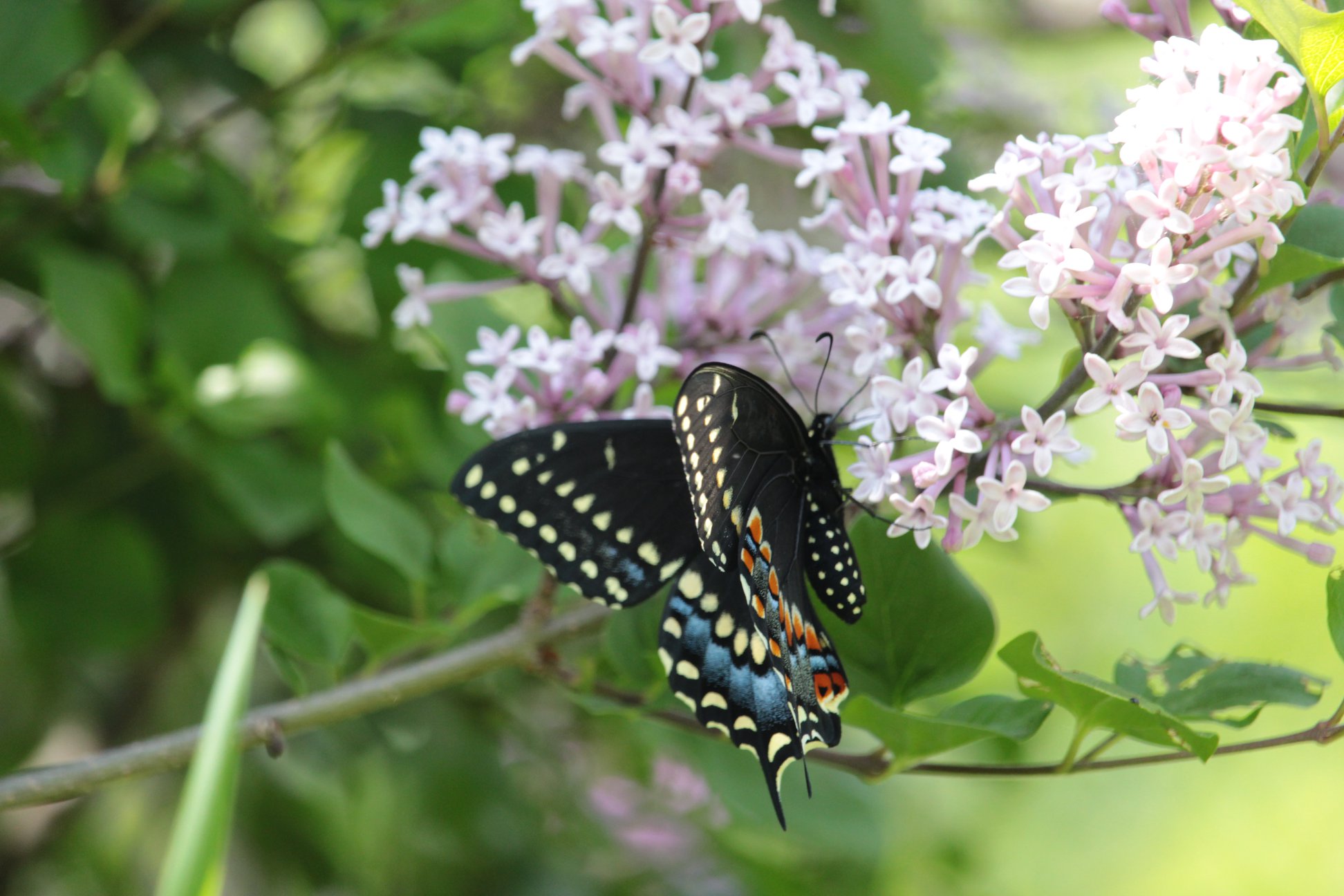
Black Swallowtail June 5, 2020 Photo by Michelle Sharp
Common Sootywing June 5, 2020 Photo by Michelle Sharp
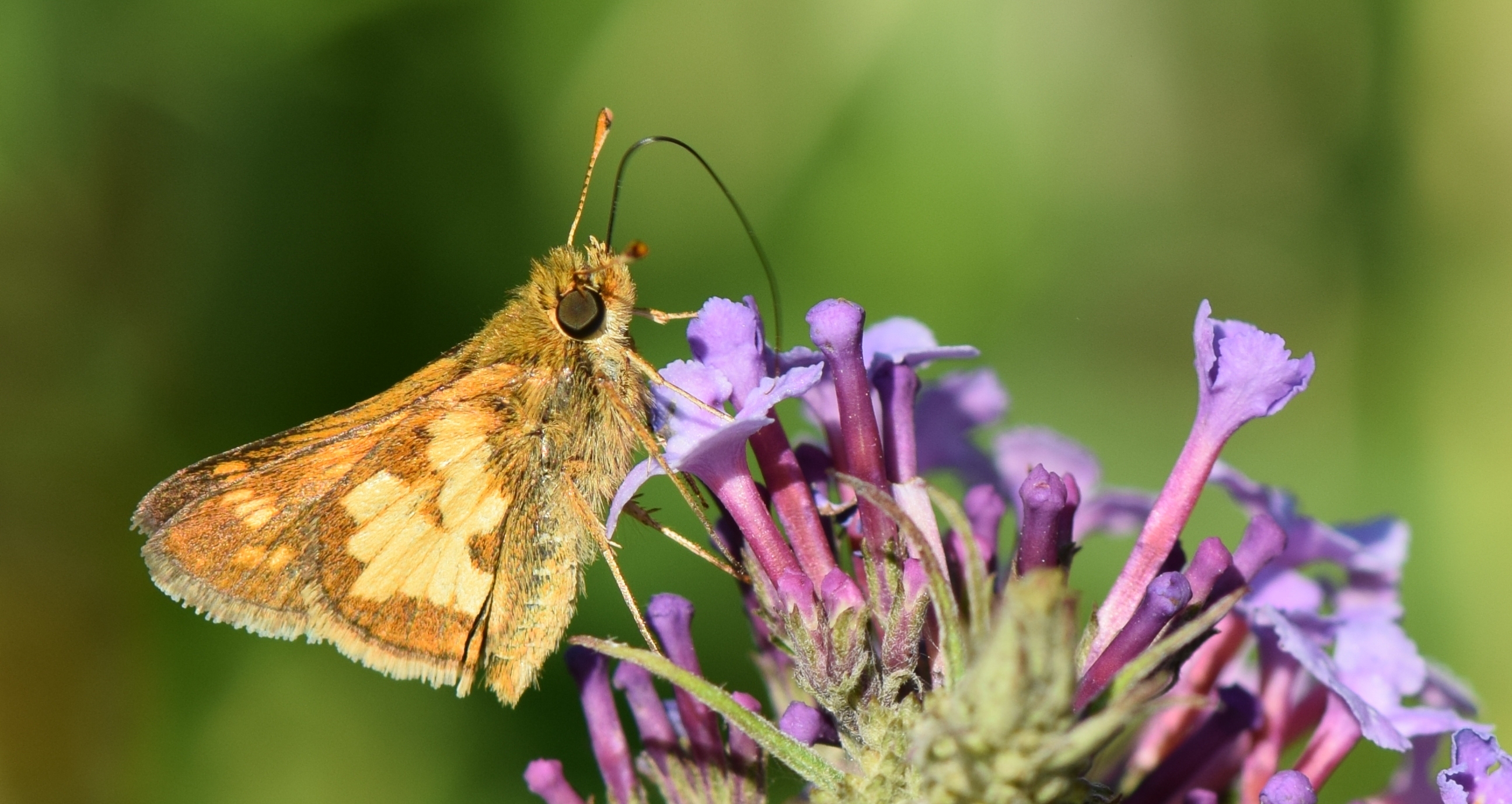
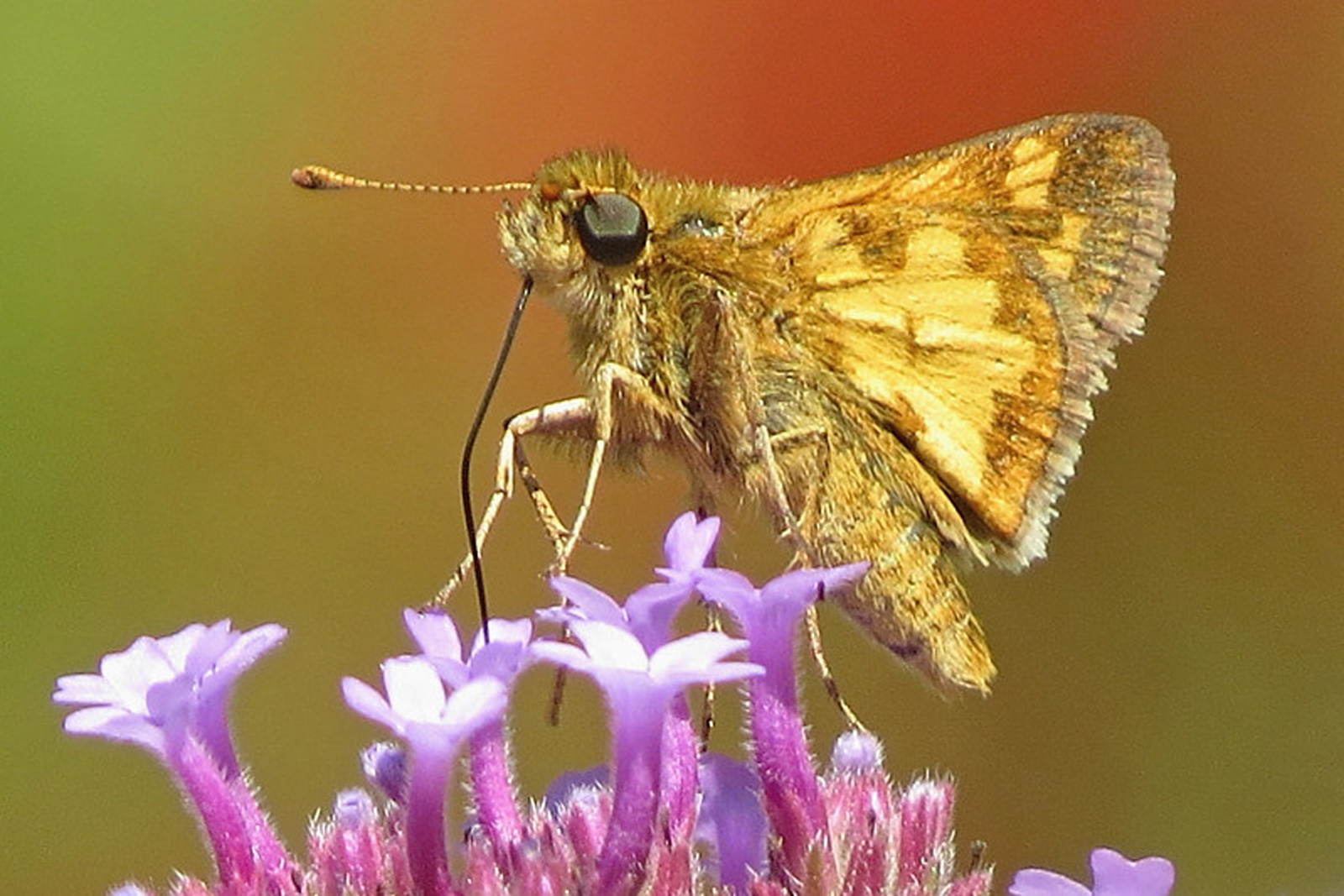
Peck’s Skipper June 5, 2020 Photo by Michelle Sharp
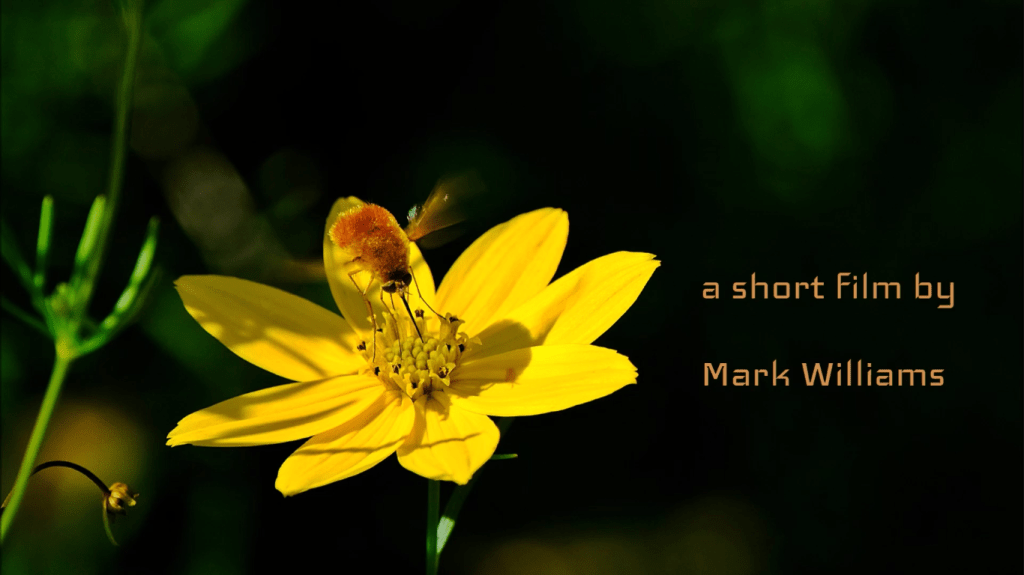
The Bee Fly, or Bombylius, is a frequent visitor to the Urquhart Butterfly Garden. Mark Williams created this stunning feature all about this fascinating insect. Thank you to Mark for sharing this delightful video with us!
Bombylius (commonly named the large bee-fly or the dark-edged bee-fly) is a parasitic bee mimic fly. The fly derives its name from its close resemblance to bumblebees and are often mistaken for them. It exhibits a unique flight behavior known as “yawing” and plays a role in general pollination, without preference of flower types. The fly does not bite, sting, or spread disease. However, the fly uses this mimicry of bumblebees to its own advantage, allowing close access to host solitary bee and wasp nests in order to deposit its eggs. After hatching, the larvae find their way into the nests to parasitically feed on the grubs.





























































































































































































 Urquhart Butterfly Garden